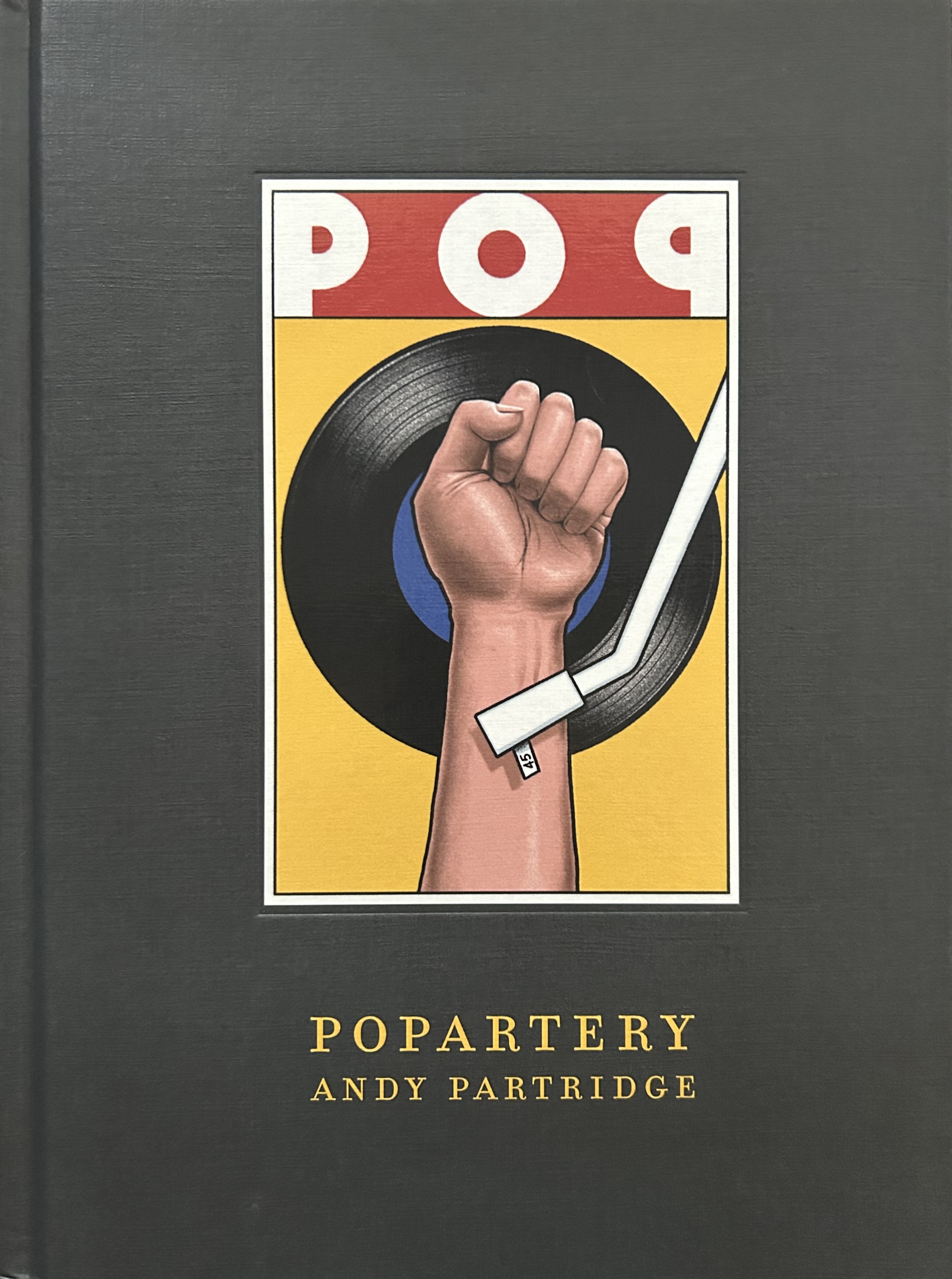
As of 2026, Andy Partridge’s net worth is estimated to be approximately $4 million. While this figure reflects a successful multi-decade career as the primary songwriter and founder of the legendary British band XTC, it also tells the story of a musician who famously navigated the predatory nature of the 20th-century music industry, legal battles with management, and the shift toward independent distribution through his own label, Ape House.
Unlike contemporary pop stars with similar levels of critical acclaim, Partridge’s wealth is not built on massive stadium tours or global branding deals. Instead, his financial standing is rooted in his prolific songwriting catalog, the meticulous curation of XTC’s legacy through high-fidelity reissues, and his work as a producer and collaborator for other artists.
The Financial Foundation: The XTC Years and the Virgin Records Era
To understand Andy Partridge’s financial status in 2026, one must look back at the complex relationship between XTC and their longtime label, Virgin Records. Formed in Swindon in the mid-1970s, XTC became one of the most innovative bands of the New Wave and post-punk eras. However, their critical success did not always translate into immediate liquid wealth for the band members.
The "Suicide Pact" Contract
Partridge has been vocal over the years about the restrictive nature of XTC’s initial recording contracts. In the late 1970s and early 1980s, many bands signed deals that essentially functioned as high-interest loans. Virgin Records paid for recording costs, marketing, and tour support, but these "advances" had to be repaid from the band’s share of record sales—a process known as recoupment. Because XTC’s music was often sophisticated and "ahead of its time," they didn't always achieve the massive platinum sales required to clear these debts quickly.
The Management Conflict
A significant blow to Partridge’s net worth occurred in the 1980s during a protracted legal dispute with the band’s former manager, Ian Reid. The litigation was costly and resulted in a settlement that stripped the band of a significant portion of their earnings from their most commercially successful period. This era highlighted a common theme in Partridge’s career: the struggle to retain the financial fruits of his immense creative labor.
Songwriting Royalties: The Engine of Long-Term Wealth
The most enduring component of Andy Partridge’s net worth is his songwriting catalog. As the primary writer for XTC (alongside bassist Colin Moulding), Partridge holds the publishing rights to some of the most respected songs in the alternative rock canon.
Performance and Mechanical Royalties
Songs like "Senses Working Overtime," "Dear God," "Mayor of Simpleton," and "The Ballad of Peter Pumpkinhead" continue to generate revenue through several streams:
- Radio Airplay (Performance Royalties): XTC remains a staple of alternative and adult album alternative (AAA) radio worldwide.
- Streaming Services: While streaming payouts are notoriously low per play, the sheer volume of XTC’s catalog—now spanning over 40 years—provides a steady, albeit modest, monthly income.
- Mechanical Royalties: Earnings from the physical and digital sale of albums.
The Power of Sync Licensing
In 2026, "sync" deals—placing music in films, television shows, and advertisements—remain a lucrative avenue for legacy artists. Partridge’s music, characterized by its melodic complexity and lyrical depth, is frequently sought after for soundtracks. Because he often owns or controls the publishing rights (the "composition"), he receives a significant portion of the licensing fees when an XTC song is used in a streaming series or a movie trailer.
Ape House Records and the Independent Pivot
In the late 1990s, XTC famously "went on strike" against Virgin Records to gain release from their contract. This led to the formation of Idea Records and, eventually, Partridge’s own label, Ape House. This move was a financial turning point for Partridge.
Controlling the Means of Production
By 2026, Ape House has become the primary vehicle for Partridge’s creative output and financial management. By releasing music independently, Partridge avoids the traditional label "tax," where a major corporation takes 80-90% of the revenue. On Ape House, Partridge retains a much higher percentage of every sale.
The Steven Wilson Remix Series
One of the most successful financial ventures for Partridge in recent years has been the series of XTC reissues remixed by Steven Wilson. These deluxe editions—often featuring 5.1 surround sound mixes, high-resolution stereo, and extensive bonus materials—target a dedicated "audiophile" demographic.
These collectors are willing to pay premium prices for physical media (Blu-rays and vinyl), which offers much higher profit margins than streaming. The success of these reissues has significantly bolstered Partridge’s net worth by revitalizing interest in the back catalog and providing a high-margin revenue stream.
Diversified Income: Production, Collaborations, and Art
Andy Partridge has never limited himself to a single lane of income. His 2026 net worth reflects a diversified portfolio of creative work:
- Production and Songwriting for Others: Partridge has collaborated with and produced artists ranging from The Lilac Time to Robyn Hitchcock. He famously wrote songs for The Monkees' 2016 comeback album Good Times!, including the hit "You Bring the Summer."
- The Dukes of Stratosphear: This psychedelic side project, originally a parody, became a cult hit and continues to sell well as part of the XTC ecosystem.
- Visual Art and Illustration: Partridge is a talented illustrator and has occasionally sold artwork or designed covers for other artists, adding small but steady increments to his income.
- Voice Work and Media: Though less frequent, Partridge’s distinctive voice and reputation as a musical polymath lead to occasional consulting or media appearances.
Financial Comparison: Partridge vs. His Peers
To place Partridge’s $4 million net worth in context, it is helpful to compare his financial trajectory with other figures from the New Wave era.
| Artist/Entity | Estimated Net Worth (2026) | Primary Revenue Driver |
|---|---|---|
| Andy Partridge | $4 Million | Songwriting, Ape House, Legacy Reissues |
| Sting (The Police) | $550 Million+ | Global Touring, Massive Pop Hits, Catalog Sale |
| Elvis Costello | $70 Million | Frequent Touring, Prolific Output, Publishing |
| Thomas Dolby | $40 Million | Tech Patents, Production, Academic Career |
| Colin Moulding | $2-3 Million | Songwriting Royalties (XTC) |
The disparity between Partridge and someone like Sting highlights the impact of touring. Following a breakdown due to stage fright in 1982, Partridge ceased touring with XTC. While this decision likely saved his mental health, it removed the single largest source of income available to modern musicians. Most of his peers built their nine-figure fortunes on the road; Partridge built his through the quiet, steady accumulation of intellectual property.
Challenges to Net Worth in the 2020s
Despite his success, Partridge faces the same financial headwinds as any legacy artist in 2026:
- The Decline of Physical Media: While the "vinyl revival" has helped, the overall trend toward streaming reduces the lump-sum payments artists used to receive from album launches.
- Catalog Valuation Fluctuations: While many artists sold their catalogs for massive sums in the early 2020s, Partridge has generally preferred to maintain control. This means his net worth is tied to the ongoing performance of his songs rather than a one-time multi-million dollar liquidity event.
- Inflation and Cost of Living: Based in Swindon, UK, Partridge lives a relatively modest life compared to the "rock star" archetype, but the rising costs of maintaining a label and production studio are constant factors.
Frequently Asked Questions
Does Andy Partridge own the masters to XTC's music?
No. For the majority of the XTC catalog, the master recordings are owned by Universal Music Group (which acquired Virgin Records). However, Partridge has been successful in negotiating "lease" agreements for his label, Ape House, to release expanded editions and remixes of these albums.
Why doesn't Andy Partridge tour to increase his net worth?
Partridge suffered a severe nervous breakdown and developed debilitating stage fright during XTC’s 1982 world tour. He has since focused exclusively on studio work. While this limits his earning potential, he has expressed that his mental health and the quality of his studio recordings are more important than the financial gains of touring.
How much does Partridge make from "Dear God"?
"Dear God" is one of Partridge’s most famous and controversial songs. It continues to be a major source of royalty income. In the United States, it remains a "triple-A" radio staple and is frequently licensed for documentaries and TV shows discussing religion or 1980s culture.
Is Ape House Records a profitable venture?
Yes. By operating on a "boutique" model, Ape House targets a specific niche of dedicated fans. By keeping overhead low and focusing on high-quality, high-margin physical products, the label provides a sustainable income for Partridge that exceeds what he would receive from a standard major-label royalty check.
Does he receive royalties for songs written by Colin Moulding?
Generally, no. In XTC, the "written by" credit determined the publishing split. Partridge receives royalties for the songs he wrote, and Colin Moulding receives them for his contributions (like "Making Plans for Nigel"). However, both benefit from the overall brand value and sales of XTC-related projects.
Practical Recommendation for Fans and Collectors
For those looking to support Andy Partridge’s creative independence and contribute to the preservation of his musical legacy, the most direct method is to purchase physical media or digital downloads directly from Ape House Records or authorized independent retailers.
Buying a Steven Wilson remix on Blu-ray or a vinyl reissue provides significantly more financial support to the artist than thousands of streams on platforms like Spotify or YouTube. For fans interested in the financial mechanics of the music industry, Partridge’s career serves as a masterclass in how an artist can maintain dignity and a comfortable living by prioritizing the quality of their "long tail" catalog over short-term commercial trends.