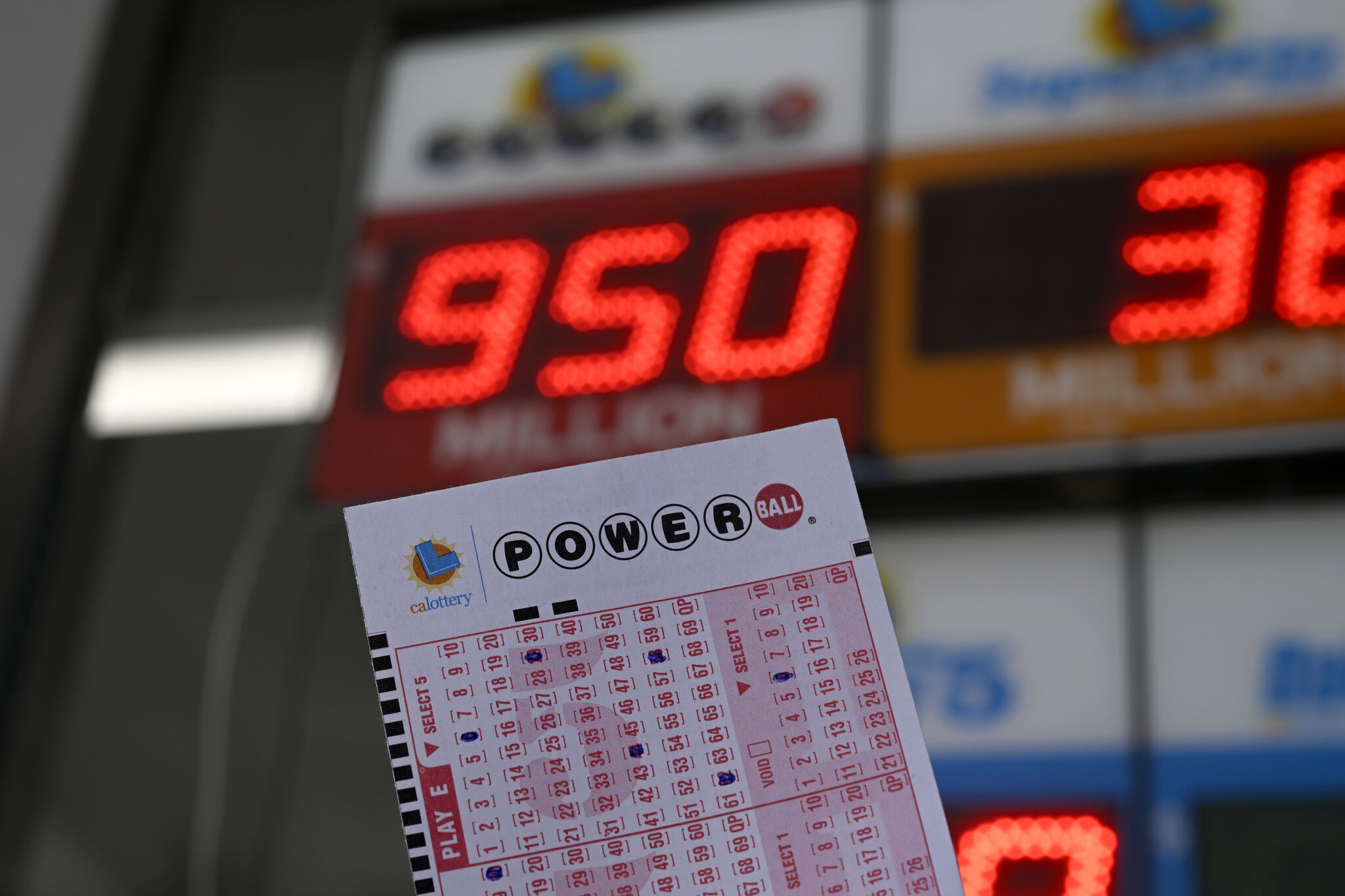
Holding a winning Powerball ticket is a life-changing event that triggers a tightly regulated verification and claim process. Understanding the astronomical odds of winning, the mechanics of the drawing, and the step-by-step financial and legal protocols required to claim a prize ensures that a winner moves from euphoria to security without costly errors.
Demystifying Powerball Odds: The Math Behind the Numbers
The allure of the Powerball lies in its massive, multi-state jackpot pools, but those giant prizes are a direct mathematical reflection of extreme odds. To understand a winning Powerball ticket, one must first look at how the numbers are selected. Players choose five numbers from a white-ball drum containing numbers 1 through 69, and one single Powerball number from a red-ball drum containing numbers 1 through 26.
The overall odds of winning any prize in Powerball are approximately 1 in 24.87, which accounts for smaller wins like matching just the Powerball. However, the odds of hitting the grand jackpot—matching all five white balls in any order plus the red Powerball—are precisely 1 in 292,201,338. This staggering figure is calculated using combinatorics, specifically combinations without replacement.
To put a one-in-292-million chance into perspective, human beings are far more likely to be struck by lightning, injured by a toilet, or become a movie star than to hold a jackpot-winning ticket. These mathematical realities govern every drawing administered by the Multi-State Lottery Association (MUSL). Because the odds are fixed against the player pool, jackpots roll over and grow exponentially when no ticket matches the full combination, driving ticket sales higher for subsequent drawings.
Structure of Powerball Prizes and Tiers
While the jackpot captures headlines, Powerball features nine distinct ways to win a prize. Understanding these tiers is essential for verifying a ticket correctly after a drawing occurs. Prizes range from a modest baseline payout for matching only the red Powerball up to the multi-million-dollar annuity or cash option jackpot.
| Matching White Balls | Matching Powerball | Prize Tier | Approximate Odds |
|---|---|---|---|
| 5 White Balls | Powerball | Grand Jackpot | 1 in 292,201,338 |
| 5 White Balls | No Powerball | $1,000,000 (or more with Power Play) | 11,688,053.52 |
| 4 White Balls | Powerball | $50,000 | 1 in 913,129.18 |
| 4 White Balls | No Powerball | $100 | 1 in 36,525.17 |
| 3 White Balls | Powerball | $100 | 1 in 14,494.11 |
| 3 White Balls | No Powerball | $7 | 1 in 579.76 |
| 2 White Balls | Powerball | $7 | 1 in 701.33 |
| 1 White Ball | Powerball | $4 | 1 in 91.98 |
| 0 White Balls | Powerball | $4 | 1 in 38.32 |
Players who select the optional Power Play feature for an additional dollar per play can multiply non-jackpot prizes by 2, 3, 4, 5, or even 10 times, depending on the multiplier drawn prior to the numbers. The Match 5 prize is capped at $2,000,000 regardless of the multiplier.
Immediate Steps After Discovering You Have a Winning Ticket
If verification reveals that a ticket matches numbers drawn by MUSL, the immediate aftermath requires extreme caution and deliberate action. Before doing anything else, the physical paper ticket must be safeguarded.
Sign the Back of the Ticket
Lottery tickets are generally considered bearer instruments, meaning whoever holds the physical ticket is presumed to be the owner. Signing the back of the ticket immediately establishes nominal ownership and helps prevent theft or fraudulent claims if the slip is lost.
Secure the Physical Ticket
Store the signed ticket in a fireproof safe, a bank safety deposit box, or another secure location. Do not post photos of the winning ticket on social media or broadcast the news widely. Revealing a win prematurely can compromise personal safety and invite unwanted solicitations.
Check State Expiration Deadlines
Every participating state lottery jurisdiction enforces a strict expiration window for claiming prizes, typically ranging from 90 days to one year from the date of the drawing. Missing this window forfeits the winnings entirely, with unclaimed funds typically redirected to educational funds or state-designated programs.
The Verification and Claim Process
Once a winning ticket is secured, the formal claim process begins. The precise procedure depends heavily on the prize amount and the state where the ticket was purchased.
Step 1: Determine the Claim Threshold
- Small Prizes (Up to $600): Most retail locations that sell lottery tickets can validate and pay out smaller prizes in cash or store credit, subject to local cash availability.
- Medium Prizes ($601 to jurisdiction limits): These prizes typically require submitting a claim form directly to the state lottery commission, either by mail or in person at a regional claim center.
- Large Jackpots: Grand prize winners must visit the state lottery headquarters in person. Security protocols, media coordination, and comprehensive legal and financial reviews are standard procedure for multi-million-dollar payouts.
Step 2: Assemble Required Documentation
Claiming a significant prize requires legal identification. Winners must present a government-issued photo ID (such as a passport or driver's license) and a Social Security number or tax identification number. For syndicate or pool wins, the group must establish a legal entity, such as a trust or partnership, before presenting the ticket to ensure proper tax reporting across all participants.
Step 3: Choose Between Lump Sum and Annuity
Jackpot winners face a foundational financial choice upon validation:
- Cash Option: A single, lump-sum payment representing the estimated cash pool available in the prize fund at the time of the drawing. This amount is significantly lower than the advertised jackpot but is delivered immediately.
- Annuity Option: An initial immediate payment followed by 29 annual payments that increase by 5 percent each year. Over 30 years, this totals the full advertised jackpot amount, adjusted for investment returns over time.
Financial, Legal, and Tax Implications
Winning a major lottery prize immediately changes an individual's tax bracket and financial standing. It is prudent to assemble a professional advisory team—including a certified public accountant (CPA), a tax attorney, and a fiduciary financial planner—before signing official claim documents.
Lottery winnings are subject to federal income tax withholding immediately upon collection. The state lottery agency automatically withholds a baseline federal percentage (typically 24 percent) before releasing the funds, and additional taxes are typically owed when filing annual returns depending on the winner's total income. Furthermore, state and local taxes may apply based on where the ticket was purchased and where the winner resides, though a few states do not tax lottery winnings at all.
Common Mistakes to Avoid
The transition from an ordinary ticket holder to a multi-millionaire is fraught with operational pitfalls. Avoiding common missteps protects both the prize and the winner's peace of mind:
- Failing to Sign the Ticket: Leaving a ticket unsigned leaves it vulnerable if misplaced or stolen.
- Rushing to Tell the Public: Announcing a win on social media or to casual acquaintances can create safety risks and unmanageable social pressure.
- Ignoring Tax Obligations: Forgetting to account for federal and state withholdings can lead to severe penalties during tax season.
- Refusing Professional Guidance: Attempting to manage millions of dollars without legal and financial advisors frequently leads to poor investment choices and asset depletion.
- Discarding Non-Jackpot Tickets Prematurely: Misreading numbers or failing to check secondary prize tiers results in millions of dollars in unclaimed prizes every year.
Frequently Asked Questions
What happens if a winning Powerball ticket is lost or stolen?
If an unsigned ticket is lost or stolen, anyone who finds it can potentially claim the prize, as lottery tickets are bearer instruments. Signing the back immediately provides some protection, but recovering an unsigned, lost ticket is virtually impossible for state lotteries because they cannot verify ownership without the physical paper.
Can I remain anonymous if I win the Powerball?
Anonymity laws vary entirely by state. Some states legally require the lottery commission to release the winner's name, city of residence, and exact prize amount under public records laws. Other states allow winners to form a blind legal trust or claim anonymity through specific statutory exemptions to protect their privacy.
How long do I have to claim a Powerball prize?
Expiration windows are set by individual state jurisdictions and range from 90 days to one year from the official drawing date. Check the back of the ticket or the official state lottery website for exact deadlines associated with the jurisdiction of purchase.
Are Powerball winnings subject to taxes?
Yes. Lottery winnings are treated as taxable income by the federal government and most state governments. The issuing lottery agency automatically withholds federal taxes at the time of the claim, and winners must report the remainder on their annual tax returns.
What is the difference between the cash option and the annuity?
The cash option pays out the current cash value of the prize pool in a single lump sum. The annuity option pays the full advertised jackpot spread across 30 graduated payments over 29 years, with each annual payment increasing by 5 percent to offset inflation.
Conclusion and Next Actions
Understanding a winning Powerball ticket requires acknowledging the steep mathematical odds, safeguarding the physical paper document immediately upon verification, and navigating state-specific claim protocols with professional guidance. If you discover a winning ticket, sign the back immediately, store it in a secure location, consult qualified tax and legal professionals, and review your state lottery's specific claim submission guidelines before making any public announcements.