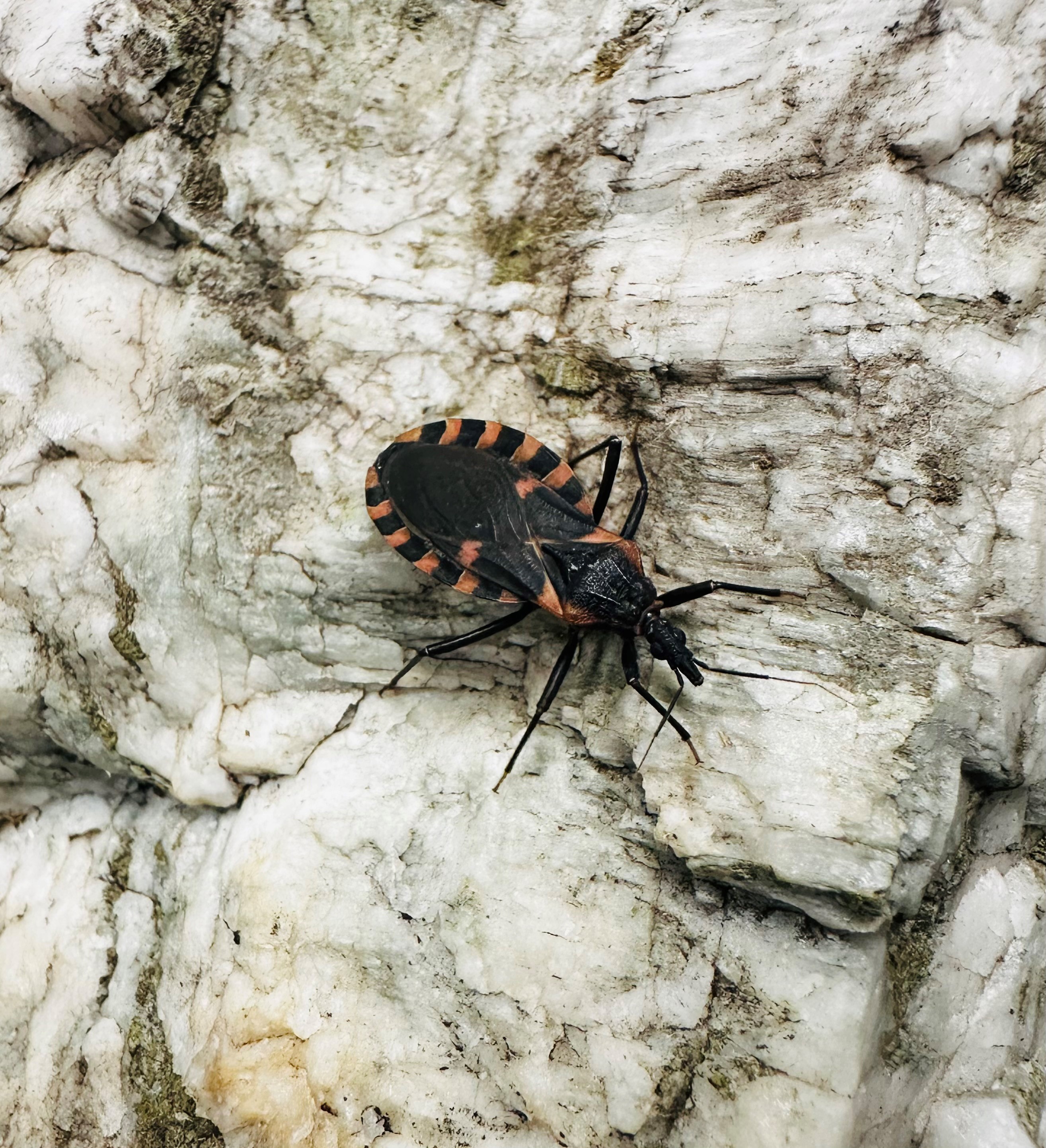
Kissing bugs—scientifically known as triatomine bugs—are rarely found in Maine, and established populations of these blood-feeding insects do not exist within the state. While isolated specimens of kissing bugs can occasionally hitchhike into northern regions via luggage, shipping containers, or migratory animals, Maine's climate and ecological conditions do not support the survival of vector species capable of transmitting Chagas disease.
Understanding Kissing Bugs and Their Typical Habitats
Kissing bugs belong to the subfamily Triatominae within the assassin bug family (Reduviidae). There are over 150 species of triatomine bugs worldwide, with the vast majority inhabiting Central and South America. In the United States, several species are native to the southern, southwestern, and western regions, ranging from states like Texas, Arizona, and New Mexico northward into parts of Kansas, Missouri, and southern Illinois.
These insects earn their common name from their habit of biting humans on the face, often around the lips or eyes, while the person is sleeping. This behavior is driven by their attraction to carbon dioxide exhalations and body warmth. Beyond the nuisance of a bite, the primary concern associated with kissing bugs is their potential to transmit Trypanosoma cruzi, the parasite responsible for Chagas disease. However, transmission only occurs if an infected bug defecates near the bite wound, and the host inadvertently rubs the feces into the break in the skin, mucous membranes, or eyes.
The geographical distribution of kissing bugs is largely restricted by climate. Being cold-blooded insects, they require relatively warm temperatures to complete their life cycles, feed, and reproduce. Consequently, northern New England states, including Maine, experience harsh winters and prolonged sub-freezing temperatures that prevent outdoor survival and colonization by these warmth-loving vectors.
Geographic Range and Surveillance Data in Maine
State health agencies, vector-borne disease surveillance programs, and university extension offices closely monitor insect populations across New England. Entities such as the Maine Center for Disease Control and Prevention (Maine CDC) and the University of Maine Cooperative Extension receive numerous inquiries each year from residents concerned about unfamiliar insects found in their homes or gardens.
To date, official public health surveillance data confirms that kissing bugs are not native to Maine, nor are there established resident populations anywhere in the state. On very rare occasions, an individual kissing bug may be discovered indoors after being accidentally transported from an endemic southern state via personal luggage, moving boxes, or commercial freight. However, these sporadic finds represent isolated adventitious occurrences rather than a local infestation or an active public health threat.
Public confusion frequently arises because Maine is home to several look-alike insects that belong to the same broader family (Reduviidae) or other insect orders. These look-alikes are often mistaken for kissing bugs due to superficial similarities in body shape, color patterns, or mouthparts.
| Insect Characteristic | True Kissing Bugs (Triatominae) | Common Maine Look-Alikes (e.g., Conenose/Wheel Bugs) |
|---|---|---|
| Mouthpart Structure | Straight, slender, rigid proboscis adapted for piercing skin and sucking blood. | Similar proboscis, but typically used exclusively for preying on other insects. |
| Dietary Habits | Obligate hematophages (feed exclusively on vertebrate blood). | Predatory; feed on garden pests, caterpillars, and other soft-bodied insects. |
| Geographic Presence in Maine | Absent; accidental hitchhikers only. | Native species widely distributed throughout the state during warmer months. |
| Disease Transmission Risk | Potential vector for Trypanosoma cruzi (Chagas disease) in endemic regions. | Do not transmit Chagas disease; minor localized irritation from defensive bites. |
Common Maine Insects Mistaken for Kissing Bugs
Homeowners in Maine frequently encounter native insects that share physical traits with triatomines. Misidentification is the leading reason residents believe kissing bugs are present in their area. Recognizing these harmless or beneficial look-alikes helps alleviate unnecessary panic and ensures proper pest management.
Masked Hunters (Reduvius personatus)
The masked hunter is a species of assassin bug found throughout North America, including parts of the northeastern United States. Adults are dark brown to black and measure roughly half an inch to three-quarters of an inch in length. They earned their common name because the nymphs (immature stages) cover themselves in a layer of dust, lint, and debris for camouflage. While masked hunters belong to the same family as kissing bugs and possess a painful defensive bite if handled carelessly, they are strictly predatory insects that hunt household pests like spiders, carpet beetles, and bed bugs. They do not feed on blood and do not transmit Chagas disease.
Wheel Bugs (Arilus cristatus)
Wheel bugs are another large member of the assassin bug family easily identified by the distinct, semicircular, gear-like or wheel-like crest on their thorax. While wheel bugs are primarily found in the southern and mid-Atlantic states, warming climate patterns occasionally prompt sightings further north. Like masked hunters, wheel bugs are beneficial predators in agricultural and garden settings, feeding voraciously on caterpillars and Japanese beetles. They are not kissing bugs and pose no disease risk, though handling them bare-handed can result in a sharp, painful defensive bite.
Boxelder Bugs and Seed Bugs
Boxelder bugs (Boisea trivittata) and western conenosed seed bugs (Leptoglossus occidentalis) are frequently mistaken for kissing bugs due to their elongated bodies and dark coloration with reddish or orange markings. Boxelder bugs feed primarily on the seeds of boxelder, maple, and ash trees, while seed bugs feed on conifer cones. Both species frequently seek shelter inside homes during autumn to overwinter. Unlike kissing bugs, these insects are herbivorous, possess mouthparts specialized for plant tissues, and are completely harmless to humans and pets.
Evaluating the Risk of Chagas Disease in New England
Chagas disease is a tropical and subtropical parasitic infection caused by the protozoan Trypanosoma cruzi. The disease is endemic throughout large portions of Latin America, where rural housing conditions allow triatomine bugs to colonize cracks in walls and thatch roofs, frequently biting sleeping inhabitants. In the United States, while several vector species reside in southern and western states, native transmission to humans is extremely rare due to different housing standards and sleeping habits.
In Maine, the risk of contracting Chagas disease is virtually non-existent for several definitive reasons:
- Absence of Vectors: Without established, reproducing populations of kissing bugs in the state, there is no local cycle of transmission between animal reservoirs and insect vectors.
- Climatic Limitations: Even if an infected kissing bug were accidentally introduced into Maine during the summer, the cold winters would prevent the establishment of a sustaining local population.
- Parasite Prevalence: Even within regions of the United States where kissing bugs are naturally found, only a small percentage of the bugs are actually infected with Trypanosoma cruzi.
Travelers visiting endemic areas in Central or South America face a higher risk of exposure, and cases diagnosed in Maine are almost exclusively associated with individuals who contracted the infection abroad prior to relocating or traveling.
What to Do If You Find a Suspected Bug
Finding an unfamiliar insect inside a home can be unsettling, but residents should follow a methodical approach to verify the insect's identity safely and avoid unnecessary alarm.
- Do Not Handle Bare-Handed: Always avoid touching any unfamiliar insect with bare skin. If the insect is an assassin bug or look-alike, handling it increases the risk of a defensive bite.
- Safely Capture the Specimen: Use a jar, rigid plastic container, or small box to trap the insect alive or intact. Slide a piece of stiff paper underneath the container to seal it.
- Photograph the Insect: Take clear, well-lit digital photographs of the insect from above (dorsal view) and from the side, focusing on the head, mouthparts, and body patterns.
- Consult Local Experts: Submit the photographs or the physical specimen to the University of Maine Cooperative Extension Pest Management Office or local vector-borne disease experts for formal identification. These institutions provide reliable verification services for residents across the state.
- Dispose or Preserve: If verification confirms the insect is a harmless look-alike or a non-vector species, it can be released outdoors or safely discarded. If there is genuine suspicion of a triatomine species, local health authorities can guide proper handling and testing.
Frequently Asked Questions
Are kissing bugs native to Maine?
No, kissing bugs are not native to Maine, and there are no established, reproducing populations of these insects anywhere in the state. Maine's cold winter climate prevents these warmth-adapted vectors from surviving outdoors year-round.
Can kissing bugs survive Maine winters?
Triatomine bugs require mild or warm climates to thrive and complete their life cycles. The severe sub-freezing temperatures experienced during Maine winters preclude outdoor survival and colonization by these insects.
What should I do if I find an insect that looks like a kissing bug in my house?
Do not handle the insect with your bare hands. Capture it safely in a sealed container, take clear photographs, and submit them to the University of Maine Cooperative Extension for professional identification. Most suspected sightings turn out to be harmless native look-alikes, such as masked hunters, boxelder bugs, or seed bugs.
Do Maine insects transmit Chagas disease?
No. Because established populations of kissing bugs do not exist in Maine, there is no local transmission cycle for Trypanosoma cruzi, the parasite that causes Chagas disease. Cases diagnosed in the state are exceedingly rare and typically linked to prior travel or residency in endemic international regions.
How do kissing bugs occasionally end up in northern states?
When kissing bugs are found in northern states like Maine, they are almost universally adventitious hitchhikers. These bugs are accidentally transported inside luggage, moving boxes, shipping containers, or on migratory animals traveling from southern states or foreign countries where the insects are native.
Are native Maine assassin bugs dangerous?
Native assassin bugs, such as masked hunters and wheel bugs, are beneficial predators that help control garden and household pests. While they are not kissing bugs and do not transmit disease, they can deliver a painful defensive bite if mishandled or accidentally crushed against the skin.
Practical Next Steps for Maine Residents
Homeowners concerned about household pests should focus on standard, proactive home-sealing practices rather than specialized vector control measures for kissing bugs. Inspect and repair window screens, seal gaps around doors and utility penetrations, and clear leaf litter or wood piles away from the immediate perimeter of the foundation. These simple exclusion techniques prevent a wide variety of nuisance insects, spiders, and rodents from entering living spaces. For formal insect identification and professional guidance regarding unfamiliar pests, contact the University of Maine Cooperative Extension or review resources provided by the Maine Center for Disease Control and Prevention.