Superhero sidekicks are essential to the story because they provide a humanizing mirror for the protagonist, facilitate necessary exposition through dialogue, and raise emotional stakes. By acting as a surrogate for the audience and a catalyst for the hero’s personal growth, they transform solitary adventures into complex narratives of mentorship, legacy, and vulnerability.
The concept of the sidekick is as old as the superhero genre itself, tracing back to the earliest days of the Golden Age of comics. While the "lone wolf" archetype remains popular, the presence of a secondary character—often younger, more relatable, or technically specialized—has served as a cornerstone of sequential storytelling. As we evaluate the narrative landscape in 2026, the question of whether these characters are "essential" involves looking beyond their utility as combat assistance and focusing on their role in structural integrity and character development.
The Evolution of the Sidekick: From Gimmick to Narrative Engine
In the early 1940s, sidekicks were largely introduced as a commercial strategy. The debut of Dick Grayson as Robin in Detective Comics #38 (1940) was a calculated move to provide younger readers with a character they could project themselves onto. This "audience surrogate" model was wildly successful, leading to a proliferation of teen companions across various publishers. However, what began as a marketing tactic quickly evolved into a vital narrative tool.
Historically, the sidekick allowed the hero to verbalize their thoughts. In the absence of internal monologues, which can become repetitive in visual media, a hero needs someone to talk to. This dialogue provides the reader with critical information regarding the plot, the hero's motivations, and the tactical stakes of a mission. Without a sidekick, a hero’s brilliance often goes unexplained, or worse, they are forced to engage in unnatural soliloquies that break the immersion of the story.
By the Silver and Bronze Ages, the sidekick’s role shifted toward the "Legacy" concept. Characters like Wally West (Kid Flash) and Donna Troy (Wonder Girl) weren't just helpers; they were the future of their respective franchises. This added a layer of responsibility to the primary hero, changing the story from a simple "good vs. evil" conflict into a drama about mentorship and the weight of passing on a mantle.
The Core Narrative Functions of a Sidekick
To understand why sidekicks are essential, one must look at the specific narrative functions they fulfill that a solo protagonist cannot easily replicate.
1. The Humanizing Mirror and Emotional Anchor
Heroes, especially those with god-like powers or immense wealth, can easily become detached from the common human experience. A sidekick often represents the "everyman" or the "next generation," forcing the hero to interact with mundane realities. Jimmy Olsen serves this role for Superman; while Clark Kent is an alien with the power of a god, his friendship with a plucky photographer keeps him tethered to the city of Metropolis and its people. This grounding influence makes the hero more relatable and their struggles more poignant.
2. Mentorship and Character Growth
The presence of a sidekick fundamentally changes the protagonist’s character arc. When a hero takes on a protege, they transition from a warrior to a teacher. This introduces themes of patience, failure, and protective instinct. For Batman, the various Robins provide a way to explore his capacity for fatherhood and his fear of loss. The story is no longer just about stopping the Joker; it is about ensuring that Dick Grayson, Jason Todd, or Damian Wayne does not succumb to the same darkness that consumes Bruce Wayne.
3. Raising the Stakes through Vulnerability
Most superheroes are, by definition, difficult to harm or kill. This can lead to a lack of tension in action sequences. A sidekick, who is often younger or less powerful, introduces a permanent point of vulnerability. The hero is not just fighting for their own life, but for the safety of their companion. This shift in focus creates immediate emotional tension and allows writers to explore the hero’s tactical mind as they balance offense with the need to protect their partner.
The Sidekick vs. The Partner vs. The Supporting Cast
It is important to distinguish between a sidekick and other types of secondary characters. While all contribute to the story, the sidekick has a unique hierarchical relationship with the hero that defines the narrative structure.
| Feature | Sidekick | Partner | Supporting Cast |
|---|---|---|---|
| Hierarchy | Subordinate/Apprentice | Peer/Equal | Varied/Indirect |
| Narrative Goal | Personal growth/Legacy | Collaborative success | World-building/Context |
| Power Dynamic | Hero holds more experience/power | Shared or complementary skills | Non-combative/Auxiliary |
| Primary Example | Robin (Dick Grayson) | Captain America & Falcon | Lois Lane or Alfred Pennyworth |
| Essentiality | High (for character arc) | High (for plot execution) | Medium (for setting) |
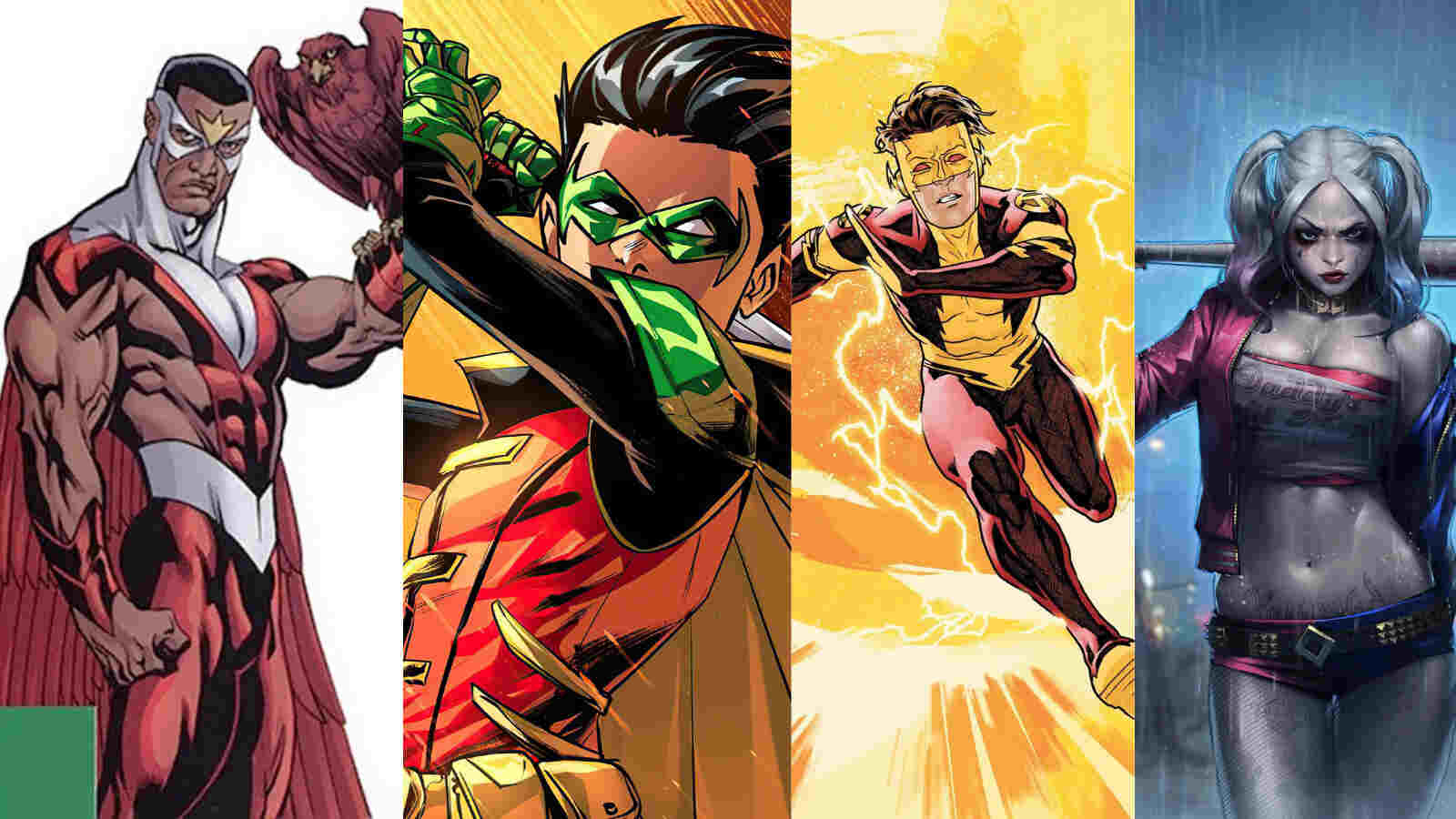
In 2026, many characters who began as sidekicks have transitioned into partners. Sam Wilson (Falcon) is a prime example. While he originated as a companion to Captain America, his role evolved into a partnership of equals, and eventually, he assumed the mantle itself. This evolution demonstrates that while the status of a sidekick may be temporary, the narrative foundation they provide is indispensable for long-term storytelling.
The Sidekick as a Catalyst for Plot and Conflict
Beyond character development, sidekicks are essential for driving the plot forward. They are often the ones who find themselves in peril, necessitating a rescue that forces the hero into a new environment or confrontation. More importantly, they provide a secondary perspective that can lead to internal conflict.
A sidekick who disagrees with the hero’s methods creates a "moral friction" that enriches the story. When Roy Harper (Speedy) challenged Green Arrow’s perceived hypocrisies in the 1970s, it transformed a standard superhero book into a groundbreaking piece of social commentary. This internal dissent forces the protagonist to defend their ideology, allowing the audience to see the nuances of the hero's moral code.
Furthermore, the "departure" of a sidekick is one of the most powerful narrative beats in the genre. Whether the sidekick dies (Jason Todd), turns evil (Bucky Barnes as the Winter Soldier), or simply outgrows the role (Dick Grayson becoming Nightwing), these events serve as the most significant turning points in a hero's life. The story of Captain America is fundamentally incomplete without the tragedy of Bucky; the guilt and eventual redemption associated with that relationship define Steve Rogers' modern characterization.
Challenges and Risks: When the Sidekick Fails
While sidekicks are essential to many of the most successful superhero stories, they are not without risks. If written poorly, a sidekick can become a "Load"—a character who serves no purpose other than to be rescued, slowing down the plot and frustrating the audience.
In the late 1990s and early 2000s, there was a trend toward "grim and gritty" storytelling where sidekicks were often viewed as silly or outdated. Many were killed off or ignored. However, writers soon discovered that removing the sidekick often led to "hero fatigue," where the protagonist became one-dimensional and joyless. The re-introduction of sidekicks in modern 2026 continuities highlights a return to the understanding that these characters provide the light and hope necessary to balance the darker elements of the genre.
A successful sidekick must have their own agency. They should have goals, fears, and skills that are independent of the hero. When Kitty Pryde joined the X-Men, she wasn't just a sidekick to Wolverine; she was the heart of the team, offering a perspective of youthful optimism that challenged Logan’s cynicism. This interplay is what makes their dynamic essential to the Uncanny X-Men mythos.
Case Studies in Essentiality
Batman and Robin: The Gold Standard
The relationship between Batman and Robin is the definitive argument for the sidekick’s essentiality. Batman, in his purest form, is a solitary, obsessed figure driven by trauma. Robin prevents Batman from becoming the monsters he hunts. Narratively, Robin allows for a lighter tone that prevents the story from becoming too oppressive. Without Robin, the Batman mythos loses its core theme of "the family you choose."
Captain America and Bucky Barnes: The Catalyst for Trauma
In the case of Steve Rogers, the sidekick is essential not just in life, but in death (and rebirth). The loss of Bucky Barnes in the waning days of WWII defined Captain America for decades. It provided him with a sense of failure that humanized the "Super Soldier." When Bucky returned as the Winter Soldier, the sidekick became the antagonist, creating a conflict that was deeply personal and far more impactful than any world-ending threat.
Spider-Man and Miles Morales: The Legacy Sidekick
While Peter Parker is traditionally a solo hero, the introduction of Miles Morales created a new kind of essentiality. Miles isn't a traditional sidekick who follows Peter around; he represents the validation of Peter’s "Great Responsibility" philosophy. Seeing Peter take on a mentor role allows long-time readers to see the character grow in a way that recurring battles with the Green Goblin never could.
Frequently Asked Questions
Do all superheroes need sidekicks to be successful?
No, not all heroes require a sidekick, but most benefit from a "confidant." While heroes like Iron Man or the Hulk often work alone, they still rely on a supporting cast (like Pepper Potts or Rick Jones) to fulfill the same narrative functions as a sidekick—providing emotional stakes and a sounding board for ideas.
Why did sidekicks become less popular during the "Dark Age" of comics?
During the late 80s and 90s, the industry shifted toward more "realistic" and violent stories. Sidekicks, especially teenage ones, were seen as a relic of a more innocent time and were often viewed as an unrealistic liability in high-stakes combat. This led to many being sidelined or reinvented as independent heroes.
Can a sidekick ever truly replace the hero?
Yes. The concept of "Legacy" is built on this. Dick Grayson has famously taken over the mantle of Batman on several occasions, and Wally West became the primary Flash for an entire generation. This transition is often the culmination of years of "essential" sidekick storytelling, proving that the apprentice has mastered the lessons of the mentor.
What is the difference between a sidekick and a "legacy character"?
A sidekick is a character currently acting in a subordinate or developmental role alongside a hero. A legacy character is someone who has taken over the name and role of a previous hero. Many legacy characters (like Kamala Khan as Ms. Marvel) begin their journey as "spiritual sidekicks" to their idols.
How do sidekicks impact the "lone wolf" trope?
Sidekicks act as a direct challenge to the lone wolf trope. They force the solitary hero to open up, cooperate, and care for someone else. This conflict—between the hero’s desire for isolation and the sidekick’s need for connection—is often the most compelling part of the story.
Final Recommendation: Integrating the Sidekick
For storytellers and readers alike, the sidekick should be viewed as a structural pillar rather than an accessory. If you are analyzing a superhero story, look at how the sidekick challenges the hero's worldview. If you are writing one, ensure the sidekick provides a specific skill or emotional perspective that the hero lacks.
In 2026, the most effective stories are those that treat sidekicks with the same complexity as the protagonists. Whether they are providing much-needed levity, acting as a moral compass, or representing the high cost of the hero’s lifestyle, sidekicks remain the most versatile tool in the superhero genre. They are the bridge between the extraordinary world of capes and masks and the relatable human emotions that keep audiences coming back for more.