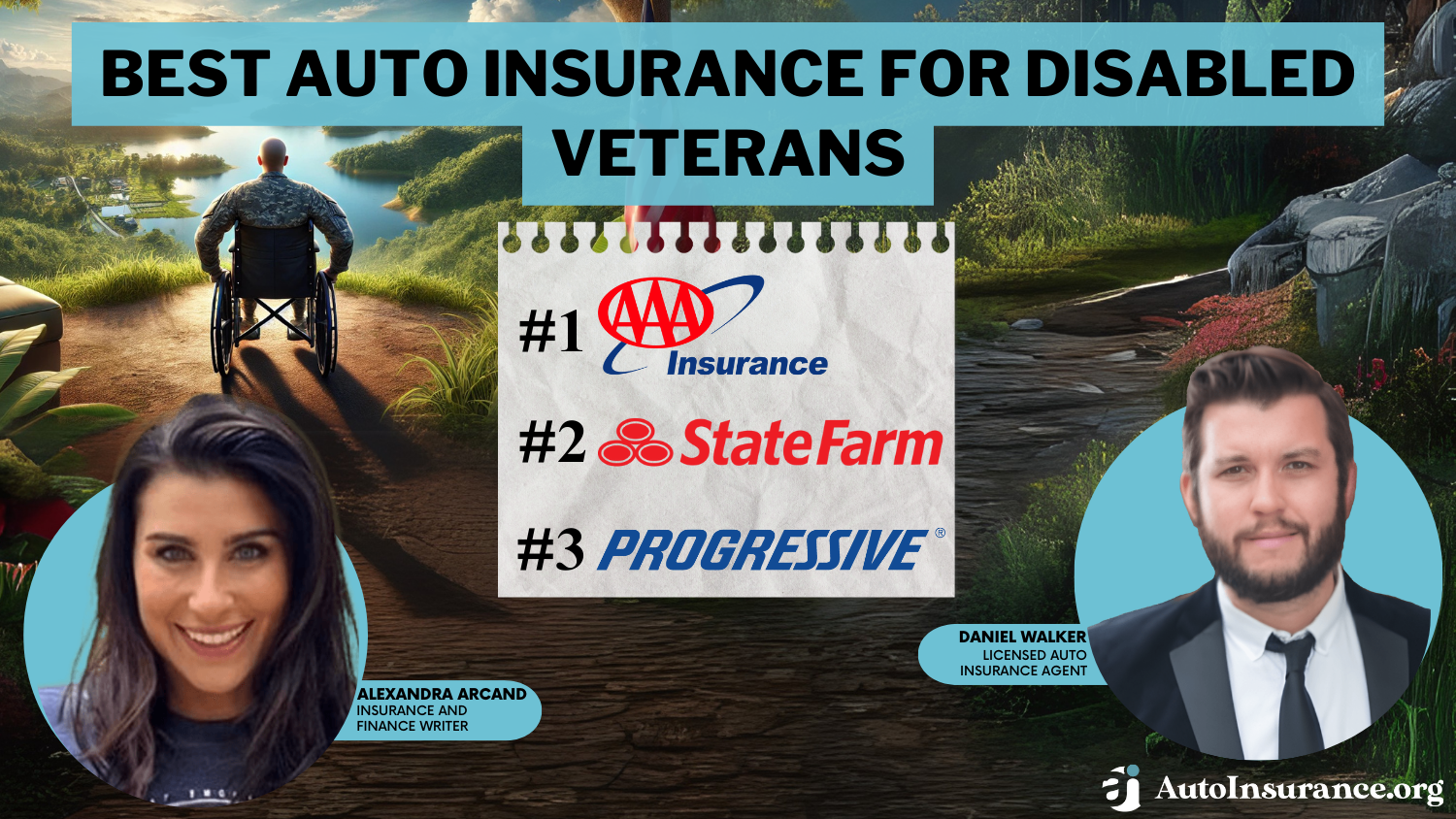
Military service members often receive lower auto insurance premiums not necessarily because they are inherently safer drivers, but because statistical data and industry-wide underwriting practices demonstrate they represent a lower risk profile. Insurance companies analyze a vast array of variables when calculating premiums, and military affiliation is frequently correlated with behaviors and lifestyle factors that actuaries associate with reduced claim frequency and severity. Understanding how insurers evaluate these risks can help active-duty personnel, veterans, and military families navigate the complexities of coverage and potential discounts.
The Actuarial Perspective on Military Risk
In the insurance industry, an actuary’s primary goal is to predict the likelihood of an accident and the potential cost of that claim. When determining if military drivers are "less risky," insurers look beyond simple driving records. They examine demographic trends, stability factors, and historical loss data.
One of the primary reasons military personnel are viewed favorably is the perception of discipline and responsibility. The military environment requires adherence to strict protocols, regular maintenance schedules, and a culture of accountability. From an actuarial standpoint, individuals who function within a highly regulated structure are often perceived as more likely to follow traffic laws and maintain their vehicles properly.
Furthermore, military lifestyle factors often contribute to a more stable risk profile. Many military families reside on or near installations, potentially reducing their daily commute—a major factor in auto insurance risk. Additionally, the military’s emphasis on "risk management" as a core competency is often translated into personal behavior. While this is not a universal rule, the statistical aggregate suggests that military members represent a lower probability of filing claims for at-home driving mishaps compared to the general population of the same age and demographic.
Factors Influencing Insurance Risk Profiles
Insurance risk is rarely determined by a single trait. Instead, it is a weighted calculation involving several variables. While "military status" is a common discount category, it interacts with other standard underwriting factors:
- Age and Experience: Younger military members, like their civilian peers, are often viewed as higher risk due to a lack of driving experience. Military affiliation acts as a credit against this, but it rarely erases the age-related risk entirely.
- Location and Deployment: If a vehicle is garaged at a secure base, the probability of vandalism or theft may be statistically lower than in high-crime civilian neighborhoods. However, deployments present a unique challenge: insurers must decide how to handle a vehicle that sits stationary for long periods.
- Driving History: Regardless of status, a history of moving violations, at-fault accidents, or DUIs will override most military-related discounts. A driver’s personal history remains the most powerful predictor of future behavior.
- Vehicle Type: High-performance vehicles are classified differently than family sedans, regardless of who is behind the wheel. Military rank or status does not exempt a driver from the standard risk classification of their vehicle.
The Role of Specialized Insurance Providers
Because military life involves unique challenges—such as frequent moves (PCS), long-term deployments, and international assignments—several insurance companies specialize in the military niche. Companies like USAA (United Services Automobile Association) and others that cater to military families have built their business models around these specific risk profiles.
These providers often offer features that general-market insurers do not, such as:
- Storage Discounts: Significant premium reductions for vehicles left in secure storage during an overseas deployment.
- Worldwide Coverage: Policies that are designed to be portable across different states or countries, which is essential for personnel receiving Permanent Change of Station orders.
- Military-Specific Customer Service: Representatives trained to understand the nuances of military life, such as base access, military ID requirements, and deployment timelines.
By concentrating their risk pool within the military community, these insurers can leverage a "known entity" risk profile, which often results in more competitive pricing than a generic insurer might offer to an unvetted applicant.
Comparison of Standard vs. Military-Tailored Auto Policies
| Feature | Standard Commercial Policy | Military-Tailored Policy |
|---|---|---|
| Primary Pricing Factor | General demographic data | Military-specific risk models |
| Deployment Coverage | Often requires cancellation/suspension | Flexible storage and usage options |
| Relocation Handling | New policy often required per state | Unified multi-state account management |
| Age-Based Adjustments | Stricter penalties for younger drivers | Often softened via loyalty/status programs |
| Risk Assessment | Broad neighborhood crime statistics | Base-specific security data integration |
Navigating Legal and Administrative Requirements
Securing insurance as a military driver requires attention to detail, particularly regarding residency. Service members often maintain "home of record" status in a state where they are not physically living. This can create confusion with auto insurance carriers, who typically require the policy to reflect the vehicle’s primary garaging location.
Failure to accurately report where the vehicle is stored can result in a denied claim. Even if a military driver is "less risky" in the eyes of an insurer, providing false information about the vehicle’s location is a common mistake that can invalidate a policy. Drivers should consult their insurance provider to ensure that their policy language aligns with their current stationing orders, especially if they are living off-base in a high-traffic area.
Furthermore, military drivers should be aware of the "Service Members Civil Relief Act" (SCRA) and how it affects their financial obligations. While SCRA primarily covers interest rates and legal protections, the broader principle of protecting service members informs how many insurers approach military accounts, often leading to more lenient policies regarding lapses in coverage during deployment.
Understanding the "Less Risky" Myth
It is important to clarify that military status does not make a driver "invincible." There is no empirical evidence suggesting that military training makes a driver immune to the hazards of the road. In fact, many younger military members—particularly those in the 18–25 age demographic—are classified in the same high-risk category as their civilian counterparts.
The perception that they are "less risky" is a byproduct of group-level underwriting. Insurers look at the military community as a pool that generally values safety, maintenance, and rules. However, when an individual within that group behaves recklessly, their personal risk profile will quickly outweigh their status as a service member. Consequently, while the opportunity for lower rates exists, it is not a blanket guarantee for every individual in uniform.
Common Mistakes Military Drivers Make
Many military personnel miss out on savings or face coverage gaps due to several preventable errors:
- Failure to Notify of Deployment: Many drivers assume their insurance will just "know" they are deployed. Not updating the insurer about an extended vehicle storage period means the owner may be paying for full collision and comprehensive coverage on a vehicle that isn't moving.
- Neglecting Base-Specific Discounts: Some insurance carriers have specific partnerships with bases or military organizations that offer additional discounts not found on their public-facing websites.
- Lapsing Coverage During Transitions: Moving from one duty station to another often involves tight timelines. Allowing coverage to lapse during a move is one of the most common ways to see a spike in future premiums.
- Assuming One-Size-Fits-All: Not all military-focused insurance products are the same. Shopping around is necessary, as different companies may weight the "military discount" differently depending on their internal risk exposure in a specific state.
FAQ: Frequently Asked Questions
Does being in the military guarantee the lowest possible auto insurance rate? No. While many insurers offer military discounts or tailored programs, an individual’s driving record, credit history (in states where permitted), and vehicle type still carry significant weight. A military member with a history of accidents will likely pay more than a civilian with a clean record.
How do I handle my auto insurance during a deployment? Contact your insurance company well in advance of your deployment. Many offer a "storage" or "non-operational" status for your vehicle. This reduces your premium by removing coverages that aren't necessary while the car is parked, though you should ensure you retain basic comprehensive coverage for fire, theft, or weather damage.
If I move states due to a PCS, does my rate automatically adjust? Yes. Auto insurance rates are calculated based on the risk profile of the garaging address. Moving from a rural location to a high-density urban area will almost certainly change your premium, regardless of your military status. Always notify your insurer immediately when you arrive at your new station.
Do military spouses receive the same insurance benefits as the service member? In most cases, yes. Insurance companies that specialize in military coverage typically extend the same group benefits, discounts, and customer service standards to military spouses and eligible dependents residing in the same household.
Are there specific states where military auto insurance is cheaper? Insurance regulation is handled at the state level. While your military status may help you get a better rate within a specific company, the baseline cost of insurance will still vary wildly between a state with high litigation rates and a state with more favorable insurance laws.
Conclusion and Recommendations
Military drivers are statistically positioned to receive better insurance terms than the general public, primarily because their lifestyle and organizational alignment appeal to insurance underwriters. However, this is not a universal entitlement but a variable that must be managed through proactive communication with insurance providers.
To maximize your coverage and minimize your costs in 2026, take these three steps:
- Audit your current coverage: Verify that your vehicle’s garaging location is accurate and that any current deployment or long-term storage status is reflected in your policy.
- Compare dedicated providers: If you are using a general-market insurer, request a quote from at least one carrier that specializes in the military community to benchmark your current rate.
- Review your record: Use your next policy renewal as a prompt to pull your motor vehicle report. Ensure there are no clerical errors, as minor mistakes on your record can lead to unnecessary premium increases that a military discount cannot fully offset.