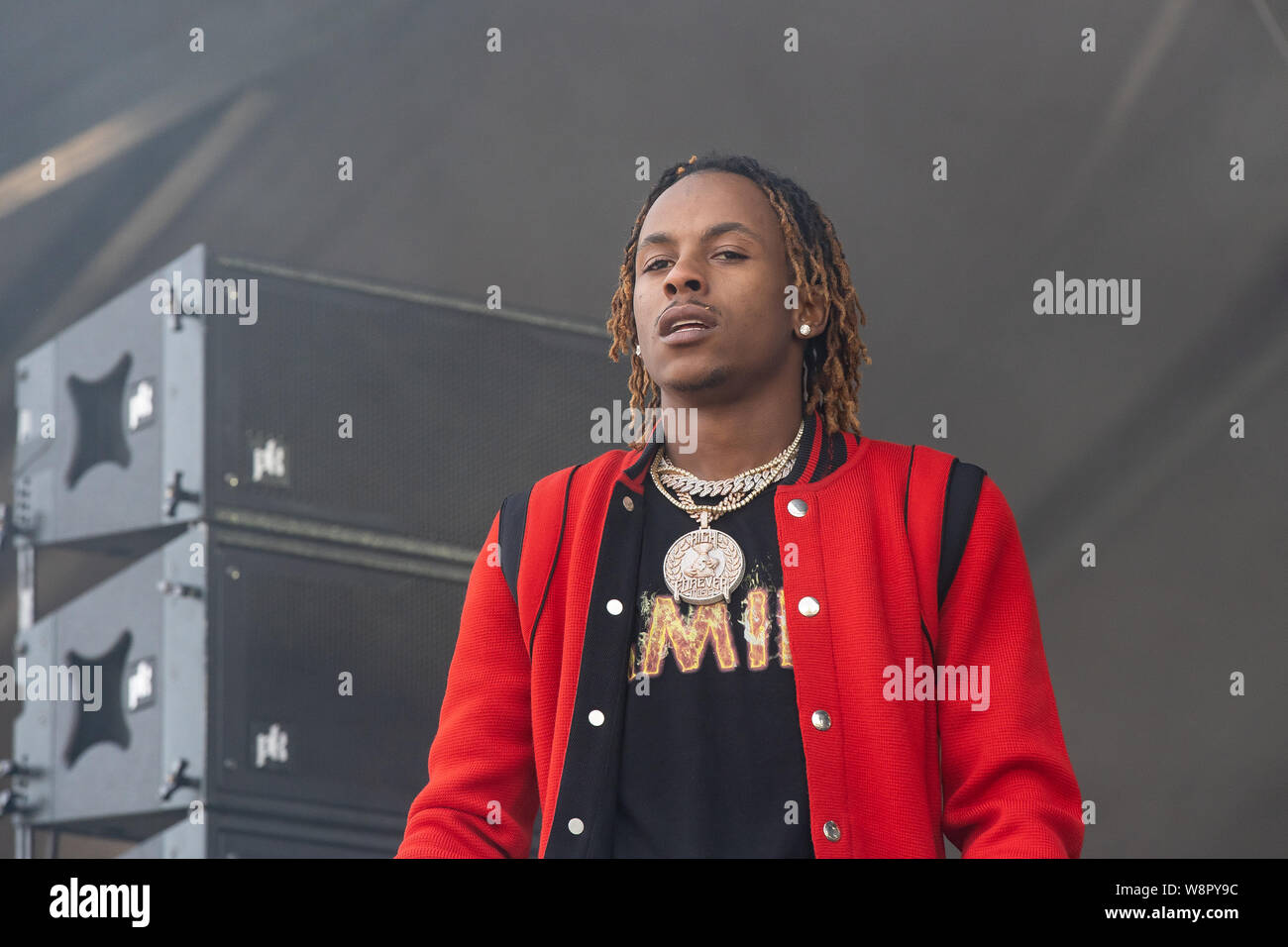
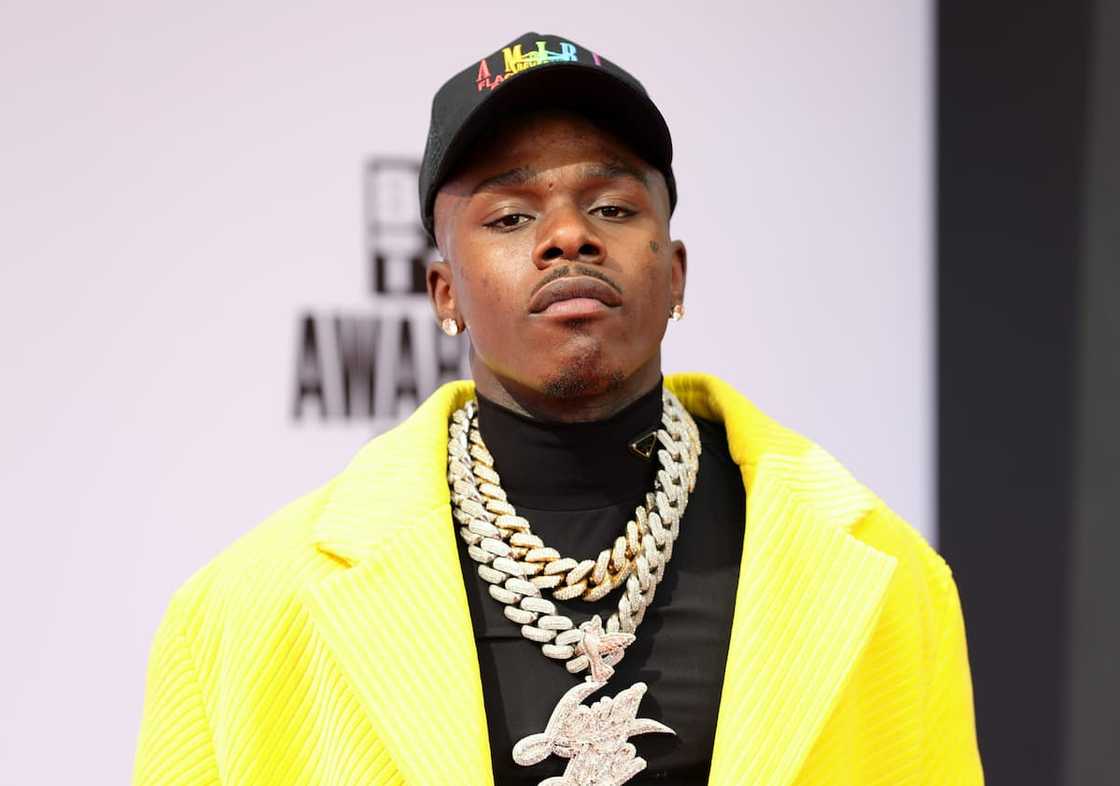
The phenomenon of the rich and famous rapper represents a massive transformation in modern entertainment, where hip-hop artists have evolved from recording artists into powerful moguls controlling billion-dollar business empires. This culture blends artistic expression with high-stakes finance, global branding, fashion lines, tech investments, and diverse entrepreneurial ventures that rival traditional corporate executives.
Examining the intersection of wealth, fame, and hip-hop requires a look beyond the glittering jewelry and luxury sports cars often highlighted in music videos. Today's top-tier hip-hop icons operate as sophisticated venture capitalists, brand architects, and cultural authorities. Understanding how these artists accumulate, manage, and scale their fortunes offers valuable insight into the modern entertainment economy, changing the traditional narrative of musical success into a blueprint for generational wealth creation.
The Evolution of Hip-Hop Wealth: From Underground to Corporate Boardrooms
To understand the current landscape of wealthy rap artists, it is necessary to trace how hip-hop economics shifted over the decades. During the genre's formative years in the 1970s and 1980s, artists rarely captured the primary financial rewards of their labor. Record labels maintained strict control over publishing rights, master recordings, and distribution streams, leaving performers with modest royalties and heavy touring schedules.
The turning point arrived in the 1990s and early 2000s when pioneering artists and executives realized that owning the underlying business infrastructure was essential. Figures like Dr. Dre, Jay-Z, Master P, and Sean "Diddy" Combs bypassed traditional gatekeepers by founding independent record labels, clothing companies, and promotional agencies. This era established the independence model, proving that hip-hop culture possessed massive commercial viability outside of standard pop music channels.
By the 2010s and 2020s, this evolution matured into corporate integration and venture capitalism. Modern rappers do not merely endorse products; they acquire equity stakes, launch venture capital funds, and build direct-to-consumer digital ecosystems. The artist has become the corporation, leveraging massive social media followings and cultural capital to negotiate ownership percentages that dwarf traditional endorsement deals.
Diversification Strategies: Beyond Streaming and Touring
While streaming royalties and stadium tours generate substantial revenue, the wealthiest rappers rely on multi-channel diversification to secure their financial status. Modern hip-hop portfolios typically span several distinct industry sectors:
- Technology and Venture Capital: Investing in early-stage tech startups, social media platforms, fitness applications, and consumer electronics.
- Beverage and Spirits Brands: Owning or partnering with luxury champagne, cognac, tequila, and cannabis brands that command massive market valuations.
- Fashion and Apparel: Establishing streetwear lines, luxury fashion collaborations, and footwear partnerships that generate hundreds of millions in retail sales.
- Real Estate and Hospitality: Acquiring commercial properties, residential estates, hotels, and restaurant franchises.
Equity Over Endorsement
A defining characteristic of contemporary rap wealth is the shift from cash-heavy endorsement deals to equity-driven partnerships. In the past, an artist might sign a multi-million-dollar contract to promote a brand's sneakers or beverages for a fixed fee. Today, savvy artists demand ownership stakes, board seats, and revenue-sharing agreements.
When Dr. Dre and Jimmy Iovine co-founded Beats Electronics, their strategy centered on hardware manufacturing and premium branding. The subsequent acquisition of the company by Apple for $3 billion in 2014 cemented a new standard for artist-led business ventures. Similarly, Jay-Z’s ownership stakes in streaming services, luxury champagne houses, and ride-sharing apps demonstrate how cultural relevance translates directly into long-term corporate value.
Financial Management and Wealth Preservation
Accumulating millions of dollars in a volatile industry presents severe risks, making financial literacy, asset protection, and estate planning critical components of the modern rapper's career. Historically, many prominent entertainers faced bankruptcy due to predatory contracts, excessive spending, poor tax planning, and lack of professional management.
Contemporary artists increasingly employ sophisticated wealth-management teams, including certified public accountants, estate attorneys, and specialized financial advisors. These professionals help structure assets through trusts, limited liability companies (LLCs), and charitable foundations.
| Wealth Management Strategy | Primary Objective | Typical Implementation |
|---|---|---|
| Asset Diversification | Mitigate market risk | Spreading capital across tech, real estate, and public equities |
| Corporate Structuring | Liability protection | Operating through LLCs and holding companies |
| Intellectual Property Trusts | Long-term revenue security | Placing master recordings and publishing rights into private trusts |
| Philanthropic Foundations | Tax efficiency and community impact | Establishing 501(c)(3) non-profit organizations |
Cultural Influence and Global Branding
The appeal of the rich and famous rapper extends far beyond financial balance sheets. These individuals serve as global tastemakers whose aesthetic choices, vernacular, and lifestyle philosophies dictate mainstream consumer trends.
This cultural authority creates a powerful feedback loop. When a prominent rapper adopts a new luxury watch brand, drives a rare automotive model, or wears an emerging designer's clothing, consumer demand surges instantly. Brands actively seek out these relationships not just for promotional reach, but for instant cultural validation. This dynamic allows artists to command significant leverage when negotiating business partnerships, transforming their personal brand into a self-sustaining marketing engine.
Common Misconceptions About Rap Wealth
Public perception of celebrity wealth is often distorted by social media displays, music video aesthetics, and tabloid journalism. Understanding the financial reality of hip-hop requires separating myth from verified business practices:
- Liquid Cash vs. Net Worth: High net worth figures reported in financial publications typically represent estimated asset valuations—including real estate, business equity, and intellectual property—rather than cash in bank accounts.
- The Illusion of Overnight Success: Multi-million-dollar portfolios are almost universally the result of decades of consistent touring, rigorous brand building, and calculated investment rather than a single hit record.
- Independent Costs: Maintaining a high-profile career involves substantial overhead costs, including travel, production, legal fees, security personnel, and specialized management teams.
Frequently Asked Questions
How do most famous rappers make the majority of their money?
While streaming and live performances generate steady income, the primary drivers of massive wealth for top-tier rappers are business ownership, equity stakes in corporate acquisitions, high-end brand partnerships, and strategic investments in real estate and technology.
Why do modern rappers focus so heavily on starting their own businesses?
Owning independent businesses allows artists to capture higher profit margins, retain creative and operational control, and build long-term assets that retain value long after their active touring or recording careers slow down.
What role do streaming services play in a rapper's overall income?
Streaming platforms provide vital global exposure and consistent baseline royalties, but the actual per-stream payout is relatively small. Consequently, artists use streaming as a top-of-funnel marketing tool to drive merchandise sales, ticket purchases, and brand collaborations.
How do rappers protect their fortunes from financial mismanagement?
Successful artists typically hire specialized wealth management teams, establish corporate holding structures, protect intellectual property through trusts, and diversify their portfolios away from cash-heavy assets into stable, income-generating sectors.
Conclusion and Next Actions
Examining the world of the rich and famous rapper reveals a masterclass in modern entrepreneurship, personal branding, and asset diversification. For aspiring creators, entrepreneurs, and business students, the blueprint is clear: sustainable financial success requires moving beyond traditional employment models to secure equity, build independent ventures, and manage capital with strategic discipline. To apply these lessons, focus on developing specialized skills, pursuing ownership rather than simple compensation, and surrounding yourself with trusted financial professionals.