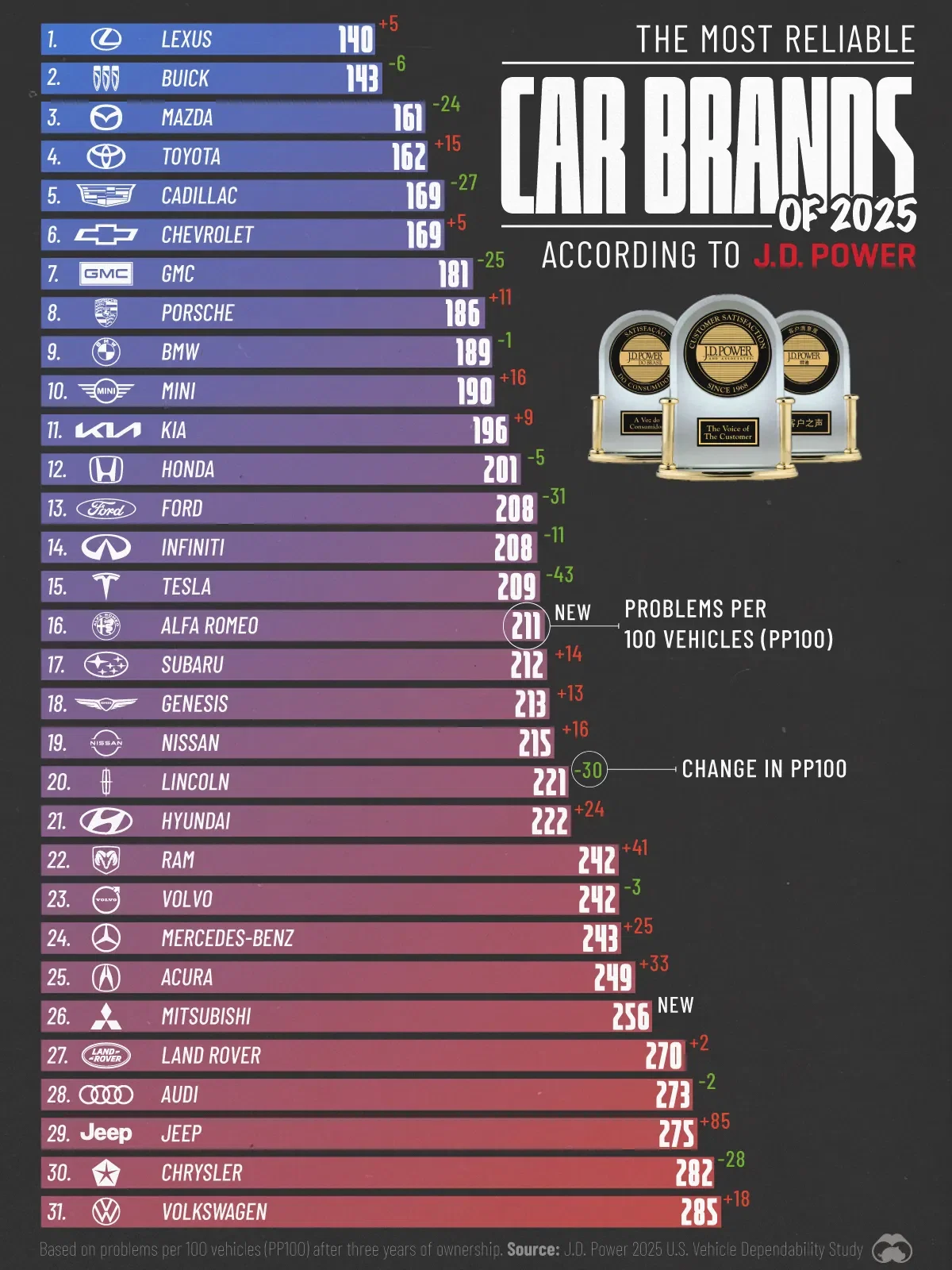
Modern Buicks are remarkably reliable, frequently outperforming both domestic and European luxury competitors in long-term dependability studies. For several consecutive years leading into 2026, Buick has consistently secured top-five rankings in major consumer reports and industry surveys. This reliability stems from Buick's strategy of utilizing refined, proven General Motors platforms combined with higher assembly standards and a focus on mechanical simplicity.
The Evolution of Buick’s Reliability Reputation
The perception of Buick has undergone a massive transformation over the last decade. Historically viewed as a manufacturer of conservative sedans for an older demographic, Buick shifted its entire focus to the SUV and crossover market. This pivot was not merely aesthetic; it was accompanied by a rigorous commitment to quality control that has allowed the brand to frequently outrank its sister brands—Chevrolet, GMC, and Cadillac—in terms of mechanical longevity and initial quality.
In 2026, Buick stands as the "bridge" brand within the General Motors hierarchy. It offers more luxury than Chevrolet but avoids the overly complex, and sometimes prone-to-failure, cutting-edge technology often debuted in Cadillac models. By waiting for technologies to mature before integrating them, Buick effectively avoids the "first-year jitters" that plague many premium manufacturers. This conservative approach to engineering is a primary driver of their high reliability scores.
Data from the J.D. Power Vehicle Dependability Study consistently places Buick near the top of the list, often competing directly with Lexus and Toyota for the podium. In the current 2026 landscape, this trend has solidified, making Buick one of the few domestic brands that consumers trust for a 10-year ownership cycle without catastrophic repair costs.
Analyzing the Current Buick Lineup
To understand if Buicks are reliable, one must look at the specific components used across their 2026 lineup, which is dominated by the Encore GX, Envision, Enclave, and the burgeoning Electra EV series.
The Encore GX and the Small-Displacement Efficiency
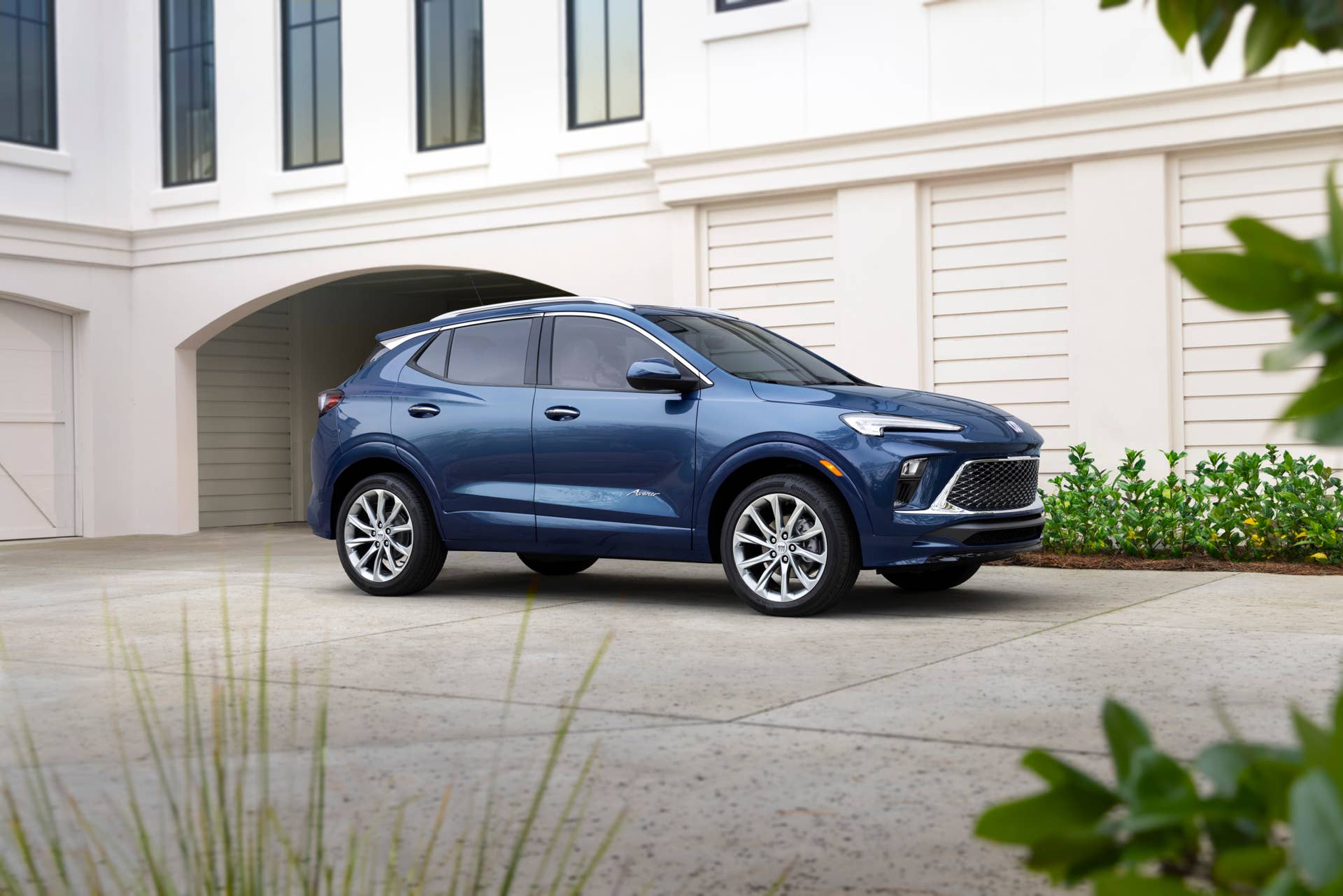
The Encore GX serves as the entry point into the brand. It utilizes small-displacement turbocharged engines that have been refined over several generations. While early iterations of small three-cylinder and four-cylinder turbos in the GM ecosystem faced scrutiny for long-term durability, the 2026 models benefit from improved thermal management and high-strength internal components. These engines are paired with either a Continuously Variable Transmission (CVT) or a 9-speed automatic. The 9-speed, in particular, has become a benchmark for GM, showing significantly fewer issues than the older 6-speed units used in the mid-2010s.
The Envision: A Mid-Size Reliability Powerhouse
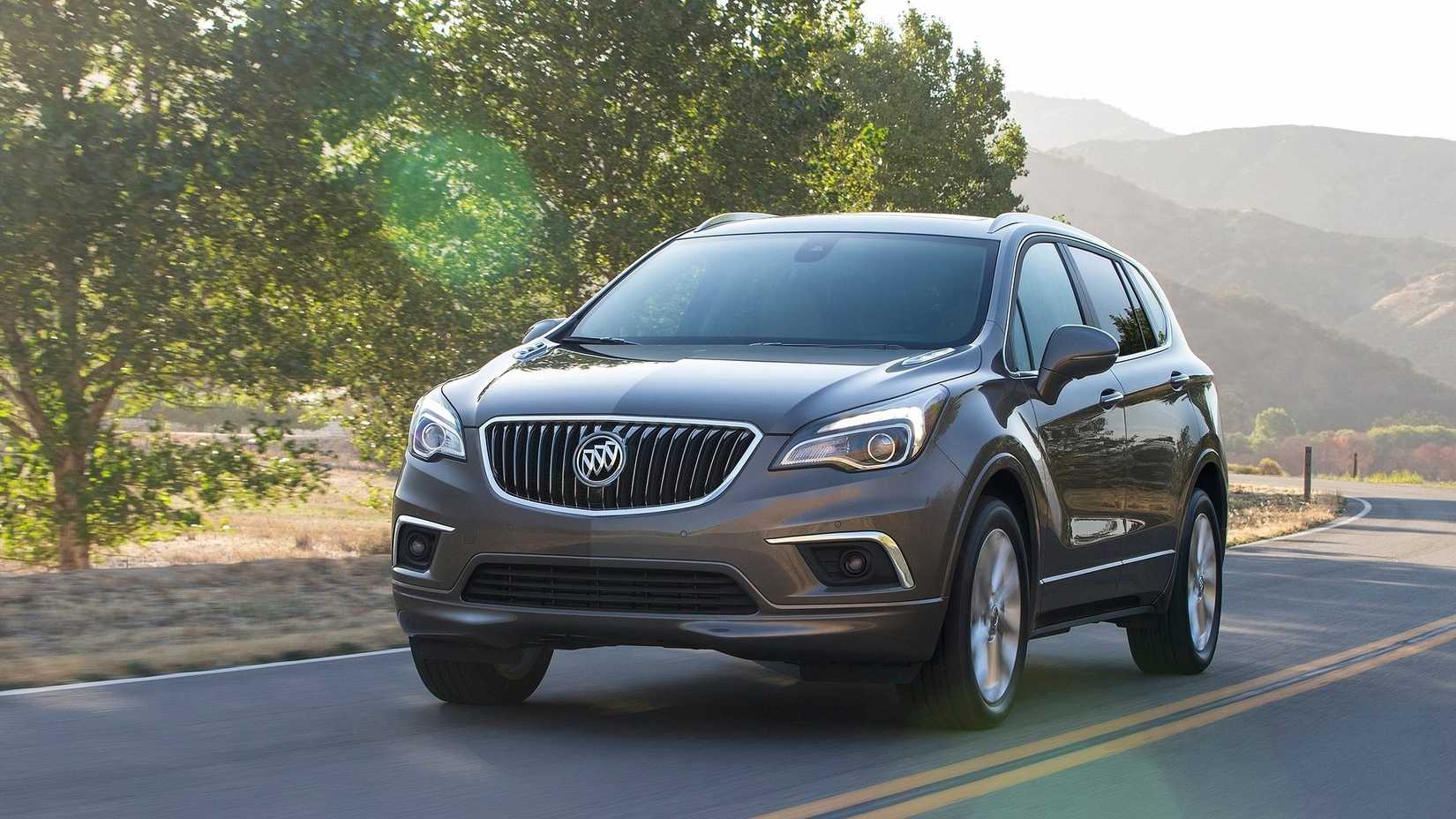
The Buick Envision is often cited as the "sweet spot" for brand reliability. It shares a platform with other successful GM crossovers but features unique dampening and noise-canceling technology. From a mechanical standpoint, the 2.0-liter turbocharged four-cylinder engine used in the Envision is a workhorse. By 2026, this engine has undergone multiple revisions to address previous concerns with carbon buildup and sensor sensitivity. It is widely considered one of the most reliable powerplants in the mid-size SUV segment.
The Enclave and the Proven V6
The Buick Enclave is the largest vehicle in the lineup. It traditionally utilizes a 3.6-liter V6 engine. This engine has a long history, and while older versions (circa 2010-2015) were known for timing chain issues, the modern iterations found in 2024–2026 models have largely rectified these flaws. The Enclave’s complexity is higher due to its size and premium features, but its drivetrain remains robust. According to Consumer Reports, the Enclave remains a "recommended" pick for those prioritizing a mix of luxury and long-term utility.
Buick vs. The Competition: A Reliability Comparison
When assessing whether a Buick is "reliable," it is helpful to compare it against its primary market rivals. The following table highlights where Buick stands in the 2026 market regarding average annual maintenance costs and common reliability metrics.
| Feature/Metric | Buick | Lexus | BMW | Lincoln |
|---|---|---|---|---|
| Avg. Annual Repair Cost | $600 - $750 | $550 - $650 | $1,000 - $1,300 | $800 - $950 |
| Major Component Longevity | High | Exceptional | Moderate | Moderate |
| Infotainment Reliability | High | High | Moderate | Moderate |
| Warranty Coverage | 3yr/36k Basic | 4yr/50k Basic | 4yr/50k Basic | 4yr/50k Basic |
| Powertrain Warranty | 5yr/60k | 6yr/70k | 4yr/50k | 6yr/70k |
The data indicates that while Buick may not match the absolute "bulletproof" status of Lexus, it significantly outperforms European luxury brands like BMW and Mercedes-Benz in terms of maintenance costs and the frequency of "unscheduled" shop visits. The parts availability for Buick is also a major advantage; because they share many mechanical bits with Chevrolet, repairs are often faster and cheaper than they are for imported luxury marques.
The Secret to Buick's Success: Platform Sharing
One cannot discuss Buick reliability without mentioning General Motors' "Global Delta" and "Epsilon" platforms. By 2026, these platforms have been used in millions of vehicles worldwide. This scale allows GM to identify and fix engineering flaws rapidly.
When a consumer buys a Buick Envision, they are purchasing a vehicle that shares a fundamental architecture with the Chevrolet Equinox, which is sold in massive volumes. This volume ensures that any "weak links" in the suspension, braking system, or electrical architecture are ironed out within the first year or two of the platform's life. Buick then takes this "ironed out" architecture and adds premium materials, better sound deadening, and more stringent assembly tolerances. The result is a vehicle that feels like a luxury car but possesses the "easy-to-fix" nature of a mass-market economy car.
Common Problems and Known Issues in 2026
Despite the high overall ratings, no brand is perfect. To provide a balanced view, prospective buyers should be aware of specific areas where Buick has historically struggled and where current 2026 models require attention.
- Electronic Sensitivities: As Buick moves toward more digital cockpits and advanced driver-assistance systems (ADAS), software glitches have become more common than mechanical failures. Owners occasionally report issues with the "Virtual Cockpit" freezing or wireless Apple CarPlay/Android Auto disconnecting.
- Turbocharger Health: In the smaller Encore GX models, the turbocharger works hard to provide adequate power. While the hardware is robust, these vehicles are sensitive to oil quality. Skipping oil changes in these models can lead to premature turbo wear.
- Active Fuel Management (AFM): In the larger V6 models, the system that shuts down cylinders to save fuel has been a point of contention in the past. While significantly improved by 2026, some high-mileage users report slight vibrations when the system engages or disengages.
- Brake Material Wear: Some Buick owners report that the factory brake pads and rotors wear out faster than expected, likely due to the "QuietTuning" brake compounds designed for silence rather than extreme longevity.
For detailed information on specific model recalls, owners should always consult the NHTSA (National Highway Traffic Safety Administration) database to ensure their specific VIN is up to date on all safety and performance bulletins.
Maintenance Costs and Long-Term Value
Reliability isn't just about whether the car breaks down; it’s about how much it costs when it does. Buick shines in this category. Because Buick is a domestic brand with deep ties to the GM parts bin, the cost of a replacement alternator, water pump, or oxygen sensor is significantly lower than it would be for an Audi or Volvo.
According to data from RepairPal, Buick ranks consistently in the top tier for "repair severity." This means that when a Buick does require a repair, the issue is less likely to be a "major" catastrophic failure compared to the industry average. Most Buick repairs fall into the category of routine maintenance or minor sensor replacements.
Furthermore, Buick's resale value in 2026 has remained stable. Reliability is a major factor in the used car market; as more buyers realize that a 5-year-old Buick is a safer bet than a 5-year-old luxury import, the demand for pre-owned Envisions and Enclaves has increased, protecting the initial investment of the first owner.
The Future of Buick: EV Reliability and the Electra Series
As of 2026, Buick has made a significant push into the electric vehicle (EV) market with the Electra E5 and E4. These vehicles utilize the GM "Ultium" battery platform. The reliability of these EVs is inherently different from internal combustion engine (ICE) vehicles.
With fewer moving parts—no transmission, no spark plugs, no oil changes—the mechanical reliability of a 2026 Buick Electra is expected to be even higher than its gasoline counterparts. However, the reliance on high-voltage battery systems and complex thermal management software introduces new variables. Early data from the Ultium platform suggests that GM has prioritized battery cooling and longevity, but long-term data (10+ years) is still being gathered. For a buyer in 2026, the Electra series offers a low-maintenance alternative that aligns with Buick's brand identity of quiet, smooth, and dependable transportation.
Expert Guidance: How to Ensure Your Buick Stays Reliable
Even the most reliable vehicle requires proper care. To maximize the lifespan of a 2026 Buick, owners should follow these specific guidelines:
- Stick to Full Synthetic Oil: Especially for the turbocharged 1.3L and 2.0L engines, high-quality synthetic oil is non-negotiable. It prevents "coking" in the turbocharger bearings.
- Transmission Service: While many modern Buicks claim "filled-for-life" transmission fluid, independent mechanics and reliability experts suggest a fluid exchange every 60,000 to 80,000 miles to ensure the longevity of the 9-speed automatic gearboxes.
- Software Updates: Many 2026 Buicks support Over-the-Air (OTA) updates. Ensure the vehicle is connected to a stable Wi-Fi network periodically to receive patches for the infotainment and engine management systems.
- Cooling System Maintenance: The modern GM engines run at high temperatures to maximize efficiency. Monitoring coolant levels and ensuring the electric cooling fans are functioning correctly is vital to preventing head gasket issues later in the car's life.
Frequently Asked Questions
Are Buicks expensive to fix?
No, Buicks are generally not expensive to fix compared to other premium brands. Because they share many mechanical parts with Chevrolet and GMC, replacement parts are widely available and reasonably priced. Labor costs at Buick dealerships are also typically lower than those at German or Japanese luxury dealerships.
Which Buick model is the most reliable?
As of 2026, the Buick Envision is widely regarded as the brand’s most reliable model. It uses the highly refined 2.0L turbocharged engine and a 9-speed automatic transmission that has a proven track record. Its size and weight are well-matched to its drivetrain, leading to less mechanical strain over time.
How many miles can a Buick last?
With proper maintenance, a modern Buick can easily last between 150,000 and 200,000 miles. Many owners of the 3.6L V6 models (like the Enclave) have reported reaching 250,000 miles, though this usually requires diligent attention to the cooling system and transmission service intervals.
Is Buick more reliable than Chevrolet?
While they share many parts, Buick often ranks higher in reliability than Chevrolet. This is attributed to more stringent quality control at the factories where Buicks are assembled and the fact that Buick models tend to feature fewer "base-level" components that might be prone to cost-cutting failures.
Are older Buicks more reliable than the new 2026 models?
It depends on the era. The Buicks of the late 1990s with the 3800 V6 engine are legendary for their "indestructible" nature. However, the 2026 models are vastly superior in terms of safety, fuel efficiency, and technology. While the older engines were simpler, the modern 2026 drivetrains have proven to be very dependable through 100,000 miles.
Final Recommendation: Should You Buy a Buick for Reliability?
If your primary goal is to own a vehicle that offers a premium experience without the "premium" headache of frequent repairs, a 2026 Buick is an excellent choice. The brand has successfully leveraged its position within General Motors to provide cars that are mechanically sound, relatively simple to maintain, and consistently highly rated by independent third-party analysts.
For the best experience, prioritize the Envision or the Encore GX. If you need the size of the Enclave, ensure you have a detailed service history regarding the transmission. Overall, Buick has earned its place as a top-tier brand for reliability in 2026, making it a safe and smart investment for long-term vehicle ownership.