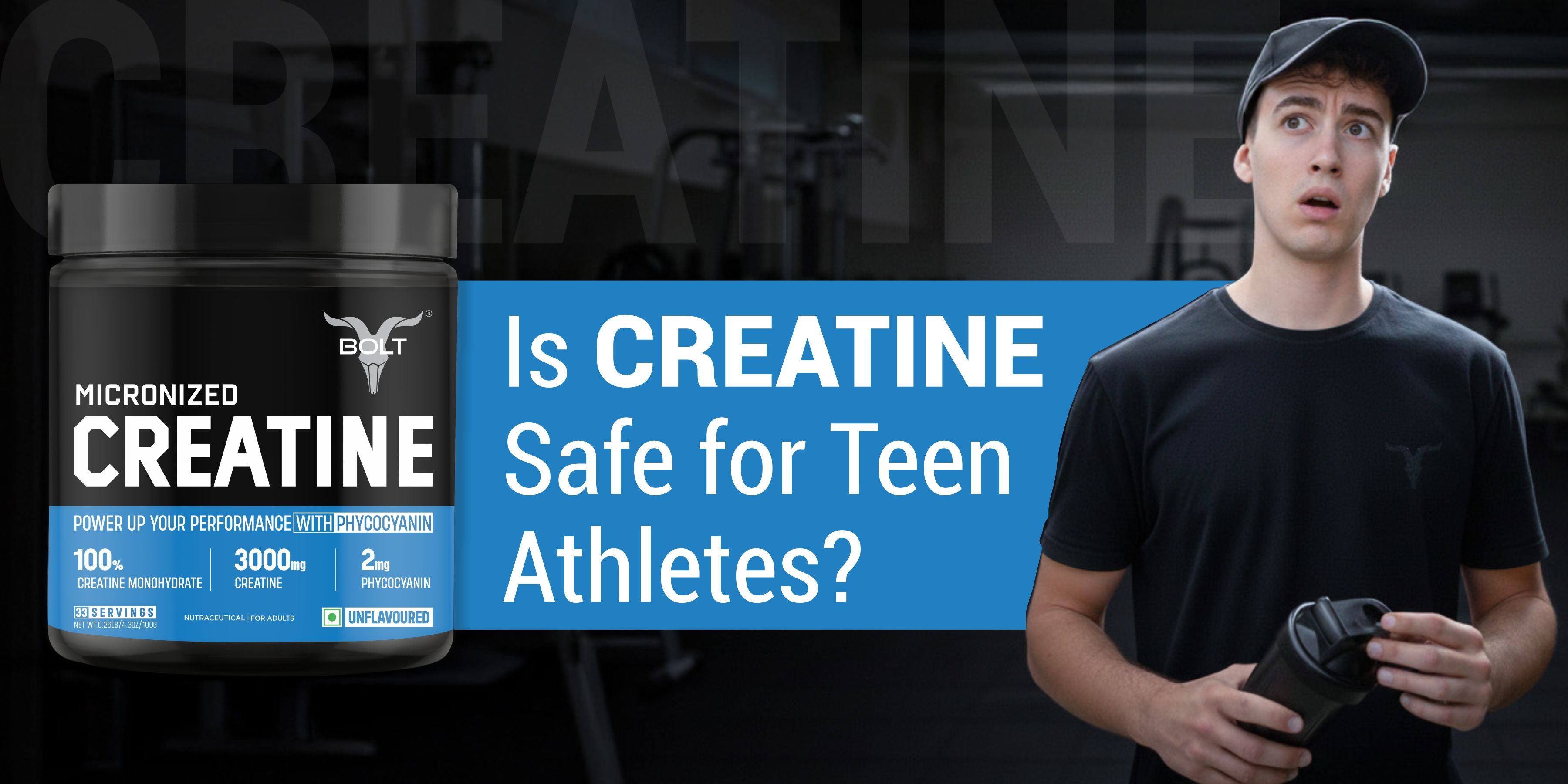
Athletes use creatine to boost performance by increasing the body's stores of phosphocreatine, which facilitates the rapid regeneration of adenosine triphosphate (ATP). This process provides the primary energy source for short-duration, high-intensity activities, resulting in significant improvements in maximal strength, power output, muscle hypertrophy, and recovery during repetitive sprint bouts.
The Physiological Mechanism: How Creatine Fuels High-Intensity Effort
To understand why athletes prioritize creatine, one must examine the cellular energy currency known as adenosine triphosphate (ATP). During explosive movements—such as a 100-meter sprint or a heavy set of squats—the muscles demand energy at a rate that exceeds the body’s ability to produce it via aerobic metabolism. The body turns to the phosphocreatine (PCr) system to meet this immediate demand. Creatine, a nitrogenous organic acid found naturally in red meat and fish, is stored in the muscles as phosphocreatine.
When you supplement with creatine, you increase your intramuscular creatine pool by approximately 20% to 40%. This elevated reservoir allows for a more rapid re-synthesis of ATP from adenosine diphosphate (ADP) during and after intense exercise. By delaying the depletion of PCr, athletes can maintain a high power output for several seconds longer than they could otherwise. This subtle shift in energy availability translates to the ability to perform an extra two or three repetitions in a weightlifting set or maintain peak velocity through the final meters of a sprint.
Beyond energy production, creatine serves as a potent signaling molecule. It influences myogenic regulatory factors and helps modulate the mTOR (mammalian target of rapamycin) pathway, which is the primary driver of muscle protein synthesis. By enhancing the cellular environment for growth, creatine assists not only in the immediate performance of the task but also in the long-term adaptation to training stimuli.
Quantitative Performance Gains: What the Research Shows in 2026
As of 2026, the body of literature regarding creatine monohydrate is perhaps the most robust in the entire sports nutrition industry. Meta-analyses consistently demonstrate that creatine supplementation leads to a 5% to 15% increase in maximal power and strength. These gains are not limited to elite athletes; they are observed across various demographics, including recreational lifters, older adults, and female athletes.
Strength and Power Output
In sports requiring explosive power, such as American football, rugby, and track-and-field throwing events, the benefits are immediate. Athletes often report an increase in their one-repetition maximum (1RM) for foundational lifts like the bench press and back squat. This is largely due to the increased workload capacity; because the athlete can train with higher volumes and intensities, the neuromuscular adaptations to training are accelerated.
Hypertrophy and Muscle Hydration
Creatine is osmotically active, meaning it draws water into the muscle cells. This process, known as cellular swelling, is often mistaken for simple "water weight," but it plays a crucial role in hypertrophy. The increased intracellular pressure acts as a stimulus for muscle growth by stretching the cell membrane, which triggers an anabolic response. Furthermore, this internal hydration can help protect the muscle from damage and heat-related stress during high-volume training blocks.
Sprint Performance and Intermittent Intensity
For athletes involved in team sports like soccer, basketball, and ice hockey, the primary challenge is the ability to recover between repeated high-intensity efforts. Research indicates that creatine supplementation improves recovery time between sprints. By replenishing phosphocreatine stores faster during rest intervals, athletes can maintain a higher average speed across the duration of a match, reducing the "drop-off" in performance that typically occurs in the final stages of a game.
Optimal Dosing Strategies: Loading vs. Maintenance
Athletes generally employ one of two primary strategies to saturate their muscle creatine stores. Both methods eventually lead to the same level of saturation, but the timeframe for performance benefits differs.
The Loading Phase Protocol
The traditional loading phase involves consuming approximately 20 grams of creatine per day, divided into four 5-gram doses, for five to seven days. This rapid-loading approach is designed to saturate the muscles as quickly as possible, usually within a week. While effective, some athletes experience gastrointestinal distress or bloating with these high dosages. To mitigate this, it is recommended to take the doses with meals and ensure adequate water intake.
The Maintenance Approach
Alternatively, an athlete can opt for a steady maintenance dose of 3 to 5 grams per day from the outset. While this method takes longer to reach full saturation—typically three to four weeks—it is often preferred by those with sensitive stomachs or those who are not in a rush to see immediate weight changes. In 2026, many professional sports nutritionists recommend this approach for long-term consistency, as it integrates more easily into a daily supplement routine without the logistical hurdle of multiple daily doses.
Beyond the Weight Room: Cognitive and Neuroprotective Benefits
While traditionally viewed as a "bodybuilding" supplement, the scope of creatine research has expanded significantly. In 2026, more athletes are using creatine for its cognitive and neuroprotective properties. The brain is an energy-demanding organ that also utilizes the phosphocreatine system. Studies have shown that creatine supplementation can improve mental clarity and reaction time during periods of sleep deprivation or intense mental fatigue.
Furthermore, there is growing interest in creatine’s role in managing mild traumatic brain injuries (mTBI), such as concussions. Preliminary evidence suggests that elevated brain creatine levels may provide a degree of neuroprotection, potentially reducing the severity of injury or shortening the recovery timeline. This has made creatine a staple in the supplement protocols of athletes in high-contact sports like boxing, MMA, and football.
Safety Profile and Common Misconceptions
Despite its long history of safety, several myths regarding creatine persist. It is important to distinguish between anecdotal claims and clinical evidence.
- Renal Health: A common concern is that creatine damages the kidneys. However, longitudinal studies have repeatedly shown that in healthy individuals, long-term creatine use (even up to five years) does not negatively impact kidney function or glomerular filtration rates. Athletes with pre-existing kidney disease should, however, consult a medical professional before use.
- Dehydration and Cramping: Early reports suggested that creatine might cause dehydration or muscle cramps. Modern research has actually found the opposite: because creatine increases intracellular water, it may actually improve thermoregulation and reduce the risk of cramping during exercise in the heat.
- Hair Loss: The link between creatine and hair loss is based on a single 2009 study that showed an increase in dihydrotestosterone (DHT). This finding has not been replicated in subsequent decades of research, and the consensus among sports scientists in 2026 remains that creatine does not cause male pattern baldness.
Comparative Analysis of Creatine Variants
The supplement market is flooded with various forms of creatine, each claiming superior absorption or effectiveness. However, the vast majority of clinical evidence supports one specific form.
| Creatine Form | Scientific Support | Solvability | Cost-Effectiveness |
|---|---|---|---|
| Creatine Monohydrate | Extremely High | Moderate | Excellent |
| Creatine HCl | Moderate | High | Moderate |
| Buffered Creatine (Kre-Alkalyn) | Low | High | Low |
| Creatine Ethyl Ester | Low | Low | Low |
| Liquid Creatine | Very Low | N/A | Low |
Note: In 2026, Creatine Monohydrate remains the gold standard. Other forms like Creatine HCl may offer better solubility in water, but they have not been proven to be more effective at increasing muscle creatine stores than the monohydrate version.
Practical Considerations for Competitive Athletes
For athletes subject to drug testing by organizations such as the World Anti-Doping Agency (WADA) or the NCAA, the purity of the supplement is paramount. While creatine itself is not a banned substance, the supplement industry is sometimes prone to cross-contamination.
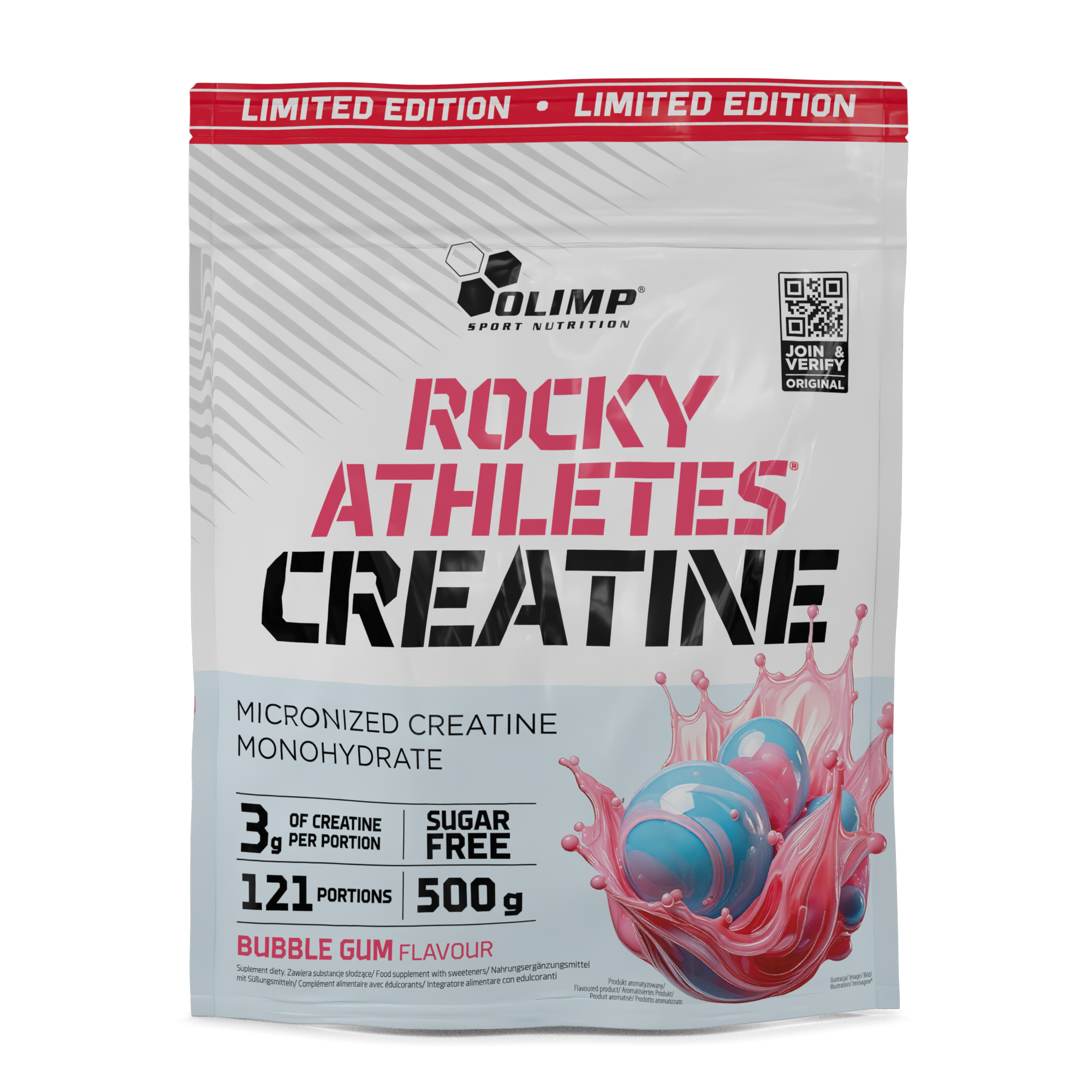
Athletes should look for products that carry third-party certifications, such as NSF Certified for Sport or Informed-Sport. These labels ensure that the product has been tested for banned substances and that the label accurately reflects the contents of the container. Additionally, choosing a "micronized" creatine monohydrate can improve the powder's ability to dissolve in liquids, reducing the "gritty" texture often associated with older formulations.
Timing and Co-ingestion
While the total daily intake is more important than the specific timing, some evidence suggests that taking creatine post-workout may be slightly more effective for muscle growth, as exercise increases blood flow to the muscles and may enhance uptake. Co-ingesting creatine with a source of carbohydrates or protein can also trigger an insulin spike, which may further facilitate the transport of creatine into the muscle cells via the sodium-dependent transporter (CreaT1).
FAQ
Does creatine cause weight gain? Yes, most athletes will experience an initial weight gain of 1 to 3 pounds during the first week of supplementation. This is primarily due to water being drawn into the muscle cells (intracellular hydration) rather than an increase in body fat. For many athletes, this "fuller" muscle appearance is a desired aesthetic and functional outcome.
Should I cycle off creatine? There is no physiological requirement to "cycle" creatine. The body’s natural production of creatine will resume once supplementation stops, and there is no evidence that long-term use down-regulates the body's ability to store or utilize it. Most athletes take it year-round to maintain saturated muscle stores.
Is creatine beneficial for endurance athletes? While the most dramatic effects are seen in power and strength sports, endurance athletes can still benefit. Creatine can help with the "final kick" in a long race and may improve glycogen loading when taken alongside high amounts of carbohydrates. However, endurance athletes must weigh these benefits against the slight increase in body mass.
Can I get enough creatine from food alone? While creatine is found in beef, pork, and salmon, it is difficult to reach the performance-enhancing levels (3-5g/day) through diet alone. For example, you would need to consume roughly two pounds of raw steak per day to achieve a 5-gram dose. Supplements provide a more practical and calorie-efficient way to saturate muscle stores.
Does caffeine interfere with creatine? There was early concern that high doses of caffeine might counteract the ergogenic effects of creatine. However, modern practical experience suggests that for the vast majority of athletes, using a caffeine-based pre-workout alongside a daily creatine regimen does not negate the benefits of either.
Final Recommendation
For any athlete looking to maximize their physical potential in 2026, creatine monohydrate remains the most effective, safe, and affordable supplement available. To begin, athletes should ensure they are using a third-party tested micronized monohydrate powder. A simple protocol of 5 grams per day, taken consistently at any time, will result in full muscle saturation within a month and provide the necessary support for increased strength, power, and recovery.
Disclaimer: This information is for educational purposes and does not constitute medical advice. Consult with a qualified healthcare professional or sports nutritionist before starting any new supplement regimen, especially if you have underlying health conditions.