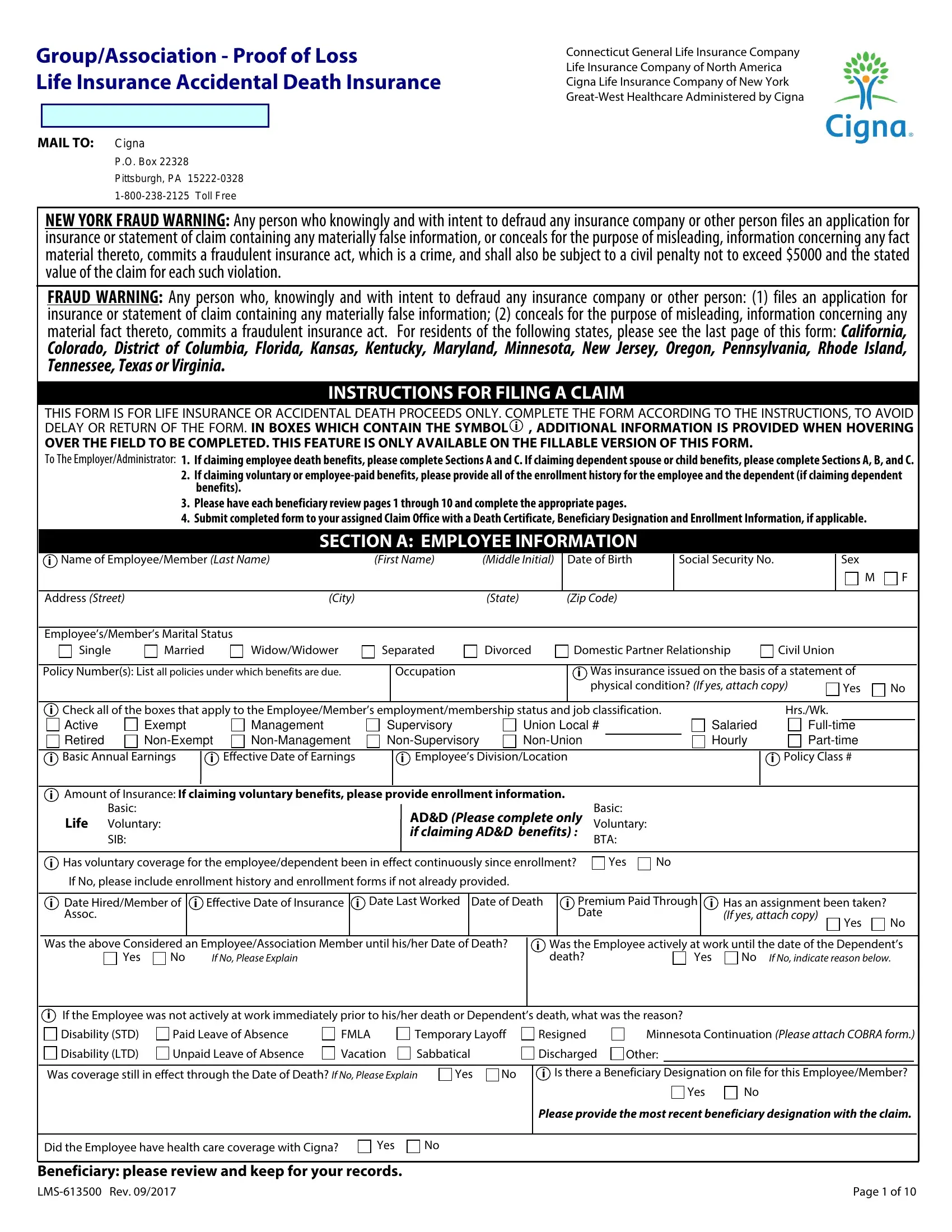
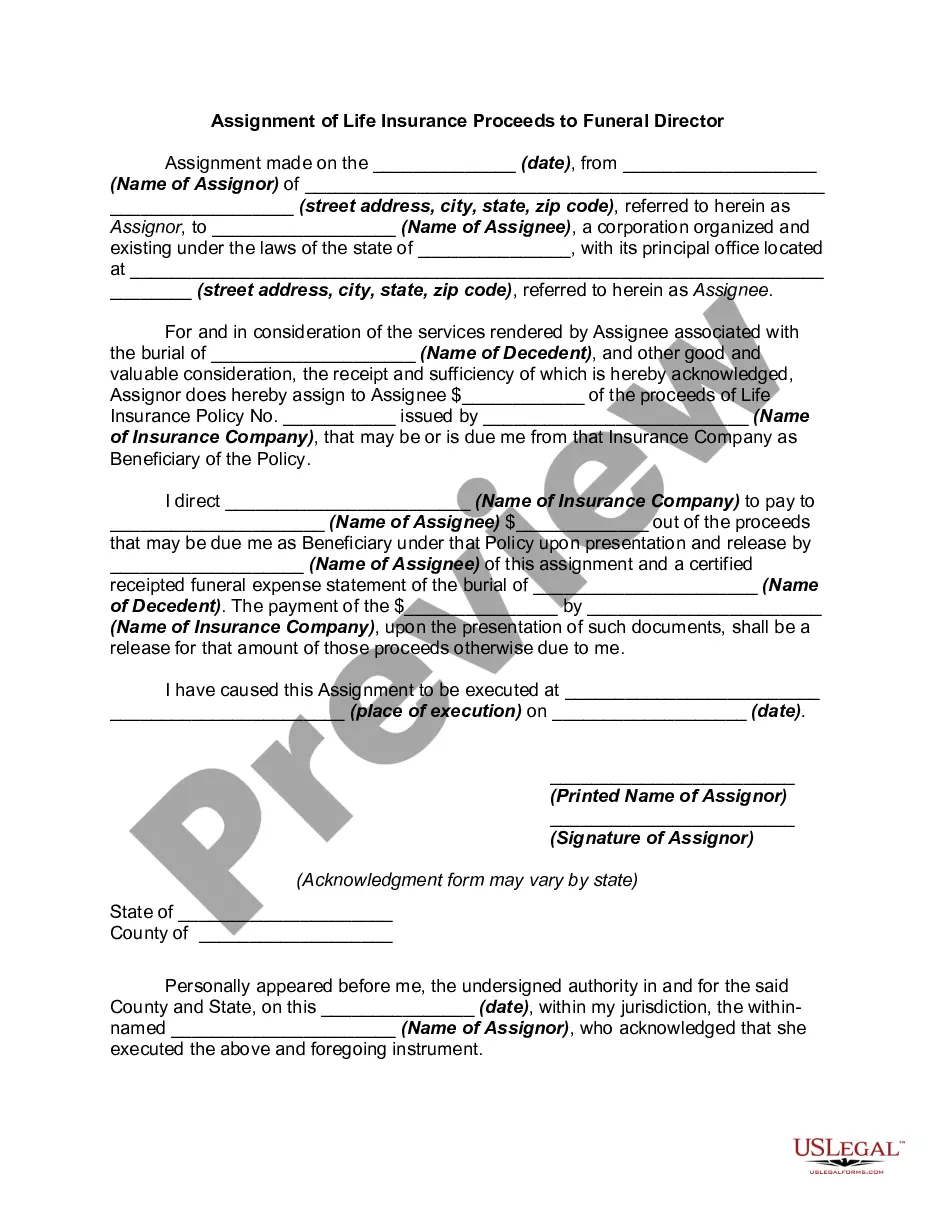
When a loved one passes away, families often face immediate financial strain while trying to arrange a respectful memorial service. Utilizing an assignment of benefits of life insurance form through a funeral home allows families to assign a portion or all of a deceased person's life insurance policy proceeds directly to the mortuary to cover final expenses. This legal mechanism bridges the gap between the time of death and the eventual payout of the insurance claim, sparing grieving relatives from paying massive out-of-pocket costs upfront while easing the burden of immediate administrative tasks.
Understanding the Assignment of Benefits Process in Funeral Services
An assignment of benefits (AOB) in the context of funeral planning is a legal agreement where the beneficiary of a life insurance policy signs over their right to a specific portion of the death benefit to a third party—in this case, the funeral home. This process is designed to streamline payment, ensuring that the mortuary receives funds for services rendered, caskets, professional fees, and third-party disbursements without waiting for the lengthy insurance underwriting and claim settlement cycle.
Navigating this procedure requires a clear understanding of legal boundaries, insurance policy specifications, and mortuary protocols. Funeral directors who accept assignments typically work with specialized third-party assignment funding companies. These companies verify the policy, advance the funds to the funeral home minus a processing fee, and then wait for the insurance company to issue the final payout.
The Distinction Between Direct Beneficiaries and Assignees
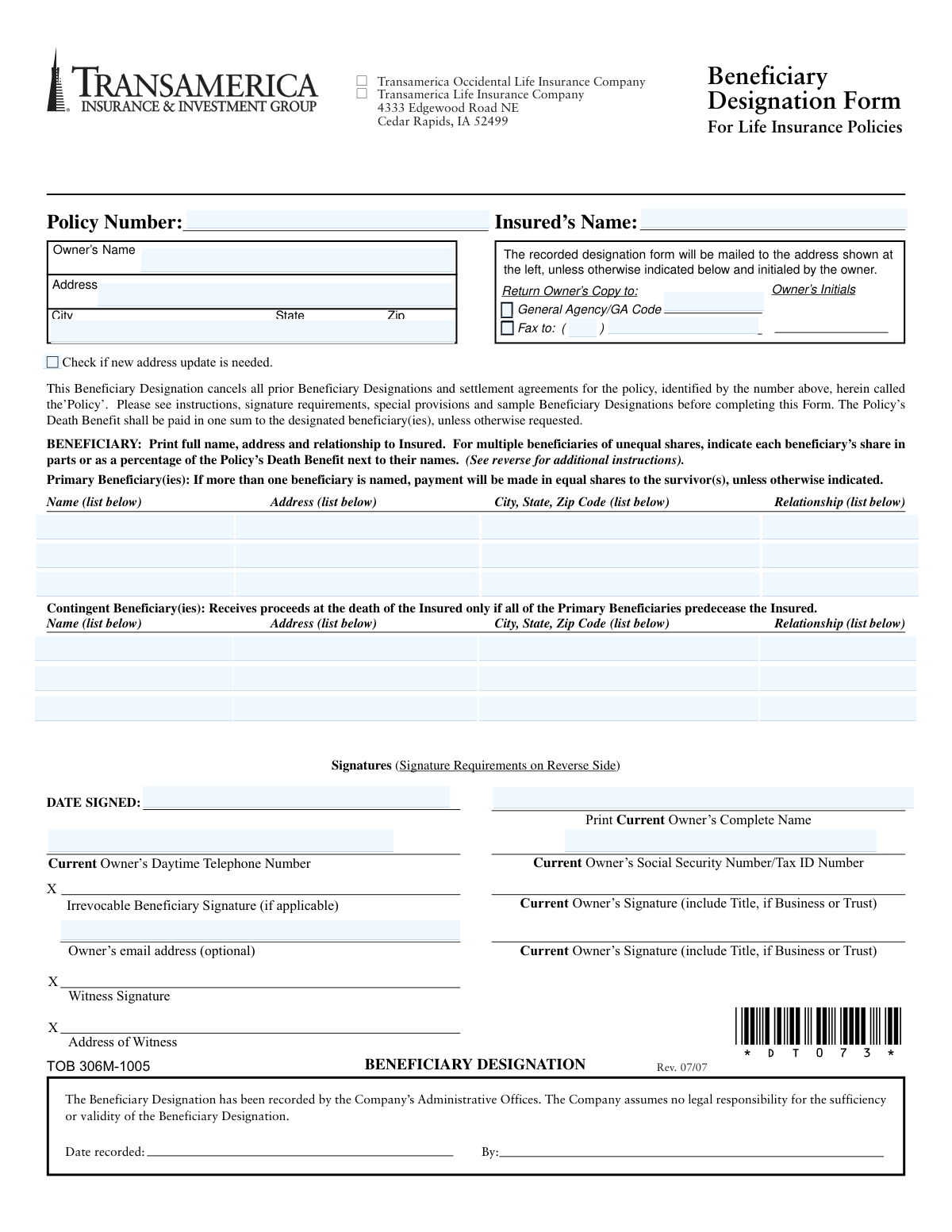
It is vital to distinguish between being a named beneficiary and an assignee. A beneficiary is designated by the policyholder to receive the death benefit upon their death. An assignee is someone to whom the beneficiary voluntarily transfers a portion of those rights.
- Named Beneficiary: Retains ultimate legal ownership of the claim and must authorize any assignment of funds.
- Assignee (Funeral Home / Funding Company): Receives a legally binding claim to a specified dollar amount from the total insurance proceeds.
- Contingent Beneficiaries: Individuals who would receive the funds only if the primary beneficiary is deceased or disclaims the policy. Their consent may be required if complications arise with the primary beneficiary.
Prerequisites and Eligibility Requirements
Before a funeral home can accept an assignment of life insurance benefits, several stringent criteria must be met. Insurance policies are bound by strict legal contracts, and neither the funeral home nor the family can bypass the insurer's verification requirements.
Valid Policy Status
The foundation of any life insurance assignment is a valid, active policy. The insurance policy must be in force at the time of the insured's death. Policies that have lapsed due to non-payment, or those carrying active loans that exceed the cash surrender value, may not yield sufficient funds to cover funeral expenses.
Verification of Policy Details
The funeral director or the associated funding company will request specific documents to verify the policy's validity. These requirements generally include:
- The Original Life Insurance Policy Document: Or a certified affidavit of lost policy if the original cannot be located.
- Certified Death Certificates: Multiple copies are usually required by both the insurance company and the assignment company.
- Government-Issued Identification: Valid photo ID for the primary beneficiary executing the assignment.
- Policyholder and Beneficiary Information: Social Security numbers, policy numbers, and exact company names.
Step-by-Step Execution of the Assignment Form
Executing an assignment of benefits form requires precision, legal compliance, and clear communication between the family, the funeral director, and the insurance carrier. Rushing through this process can result in delayed claims processing or outright rejection by the insurance company.
- Family Selects Services
- Verify Policy Status & Coverage
- Complete Assignment of Benefits Form
- Submit to Insurance / Funding Company
- Funds Disbursed to Funeral Home
Step 1: Policy Review and Authorization
The funeral director reviews the life insurance documentation provided by the family. They contact the insurance carrier to verify that the policy is active, confirm the death benefit amount, check for any outstanding loans or liens, and ensure there are no restrictions on assigning the benefits.
Step 2: Drafting and Signing the Assignment Form
Once eligibility is confirmed, the funeral home or its funding partner provides the specific assignment of benefits form. The named beneficiary must review the document, which outlines the exact dollar amount assigned to the funeral home, and sign it, frequently in the presence of a notary public to prevent fraud.
Step 3: Submission to the Insurance Carrier
The completed assignment form, alongside the certified death certificate and the insurance policy claim forms, is submitted to the insurance company. If a third-party funding company is utilized, they often handle this submission and advance the cash to the funeral home immediately, taking on the wait time for the insurance payout.
Step 4: Final Accounting and Disbursement of Overages
Insurance policies often pay out more than the cost of a standard funeral. Once the insurance company processes the claim and pays out the assigned amount to the funeral home or funding company, any remaining balance (the overage) is sent directly to the named beneficiary by the insurer.
Comparison of Funeral Payment Options
Families have multiple ways to pay for funeral services. Understanding how an assignment of benefits compares to other methods can help clarify whether it is the most suitable option for a given financial situation.
| Payment Method | Access Speed | Out-of-Pocket Cost | Complexity | Best Suited For |
|---|---|---|---|---|
| Assignment of Benefits | Fast (1–3 days with funding company) | None upfront | Moderate | Families with valid life insurance but low liquid cash |
| Personal Funds / Credit | Immediate | High upfront | Low | Families with immediate cash reserves or high-limit credit |
| Pre-Need Funeral Trust | Immediate upon death | Paid years in advance | Low | Individuals planning their own arrangements ahead of time |
| Standard Insurance Claim | Slow (Weeks to months) | High initially, reimbursed later | Moderate | Families who can afford to pay upfront and wait for the check |
Common Pitfalls and Troubleshooting
While the assignment of benefits process is common practice, several complications can stall or invalidate the transaction. Identifying these risks early prevents unexpected financial shortfalls for the family.
Irrevocable Beneficiaries and Contestability
If a policy designates an irrevocable beneficiary, that person must consent to any assignment of funds. Furthermore, if the insured passes away within the policy's contestability period (typically the first two years of the contract), the insurance company holds the right to investigate the original application for misrepresentations. During an active investigation, claim payouts—and by extension, assignments—are frozen.
Insufficient Policy Proceeds
Families should verify that the face value of the policy exceeds the total cost of the funeral and any outstanding policy loans. If a policy has a face value of $10,000, but a $5,000 loan against it, only $5,000 remains. If the funeral costs $8,000, the assignment will fall short, leaving the family responsible for the remaining balance.
Processing Delays
Insurance companies have strict compliance standards. Minor discrepancies, such as a misspelled name on the death certificate versus the insurance policy, can cause the insurer to reject the assignment form until corrected, creating stressful administrative delays for the mortuary and the family.
Frequently Asked Questions
What happens if the life insurance payout is higher than the funeral bill?
The funeral home or funding company only collects the exact amount specified in the assignment agreement. Once the insurance company processes the claim, any remaining funds beyond the assigned amount and any associated funding fees are sent directly to the primary beneficiary.
Can a funeral home charge a fee for processing an assignment of benefits?
Many funeral homes partner with third-party assignment funding companies that charge a standard administrative or factoring fee (typically between 3% to 5% of the assigned amount) to advance the cash immediately. Families should ask the funeral director to disclose any administrative fees associated with the assignment before signing.
What if the primary beneficiary refuses to sign the assignment form?
An assignment of benefits cannot be executed without the signature of the legally recognized policy beneficiary. If the beneficiary refuses to sign, the family must explore alternative payment methods, such as paying out of pocket and filing a standard insurance claim independently.
Are all life insurance policies eligible for assignment to a funeral home?
No. Term life insurance policies without cash value, group life insurance policies through an employer with strict beneficiary rules, or policies with contested claims may not permit assignments. The insurance carrier must verify policy terms before any assignment is accepted.
How long does it take for a funeral home to receive funds through an assignment?
If the funeral home utilizes a third-party assignment company, funds are frequently advanced to the mortuary within 24 to 48 hours after verification. If the assignment goes directly through the insurance carrier without a funding company, it can take anywhere from a few weeks to several months depending on the insurer's processing timeline.