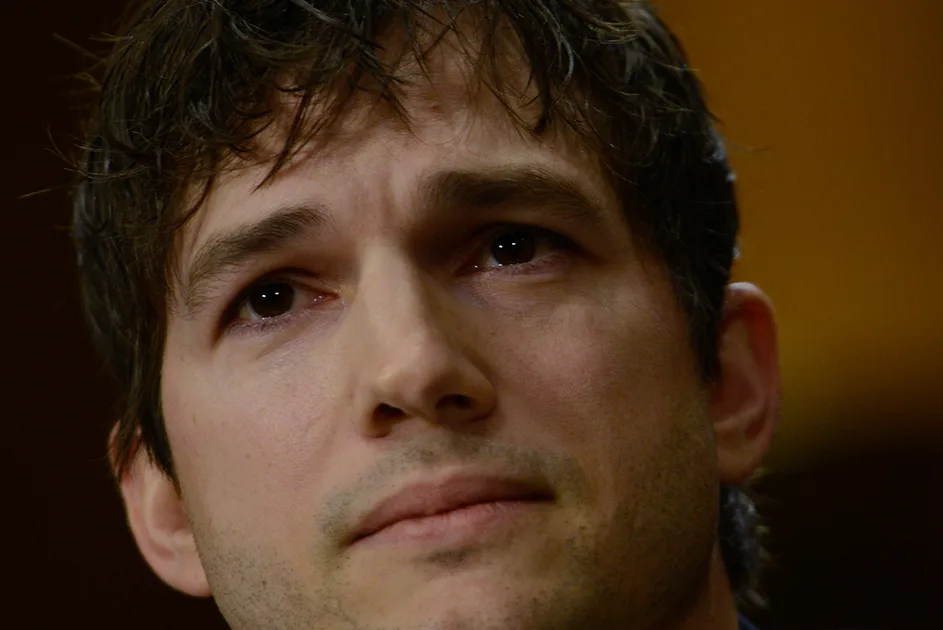
Ashton Kutcher’s testimony before the United States Congress represents a prominent intersection of Hollywood advocacy, technology policy, and child protection legislation. Over the course of his advocacy career, the actor and tech investor has appeared before lawmakers to discuss the role of artificial intelligence, machine learning, and digital platforms in facilitating or preventing child sexual exploitation and abuse material (CSAM). His congressional appearances have sought to bridge the gap between Silicon Valley engineering practices and federal legislative frameworks, pushing for stronger accountability, mandatory detection tools, and enhanced cooperation between technology companies and law enforcement agencies.
Understanding the significance of these testimonies requires examining the historical context of his advocacy work, the specific legislative committees involved, the technological mechanisms under discussion, and the broader policy debates surrounding digital privacy and platform liability.
Background and Evolution of Advocacy
To understand Ashton Kutcher’s presence in legislative chambers, it is necessary to trace the origins of his public advocacy. Long before addressing federal lawmakers, Kutcher co-founded Thorn (originally known as Digital Defenders of Children) in 2009 alongside actress Demi Moore. The organization was established with the explicit mission of building technology to defend children from sexual abuse and eliminate the market for CSAM online.
As Thorn developed software tools such as Spotlight—designed to help law enforcement identify victims of child sex trafficking through online classified advertisements—Kutcher transitioned from a philanthropic figure to a subject-matter expert on how illicit material moves across digital infrastructure. This transition provided him with empirical data gathered from frontline law enforcement agencies, which later served as the foundation for his congressional testimony. Lawmakers increasingly looked to technology entrepreneurs and founders of specialized non-governmental organizations to explain emerging digital threats that traditional legislative staffers might not fully grasp.
Key Congressional Appearances and Legislative Focus
Kutcher has participated in multiple hearings and briefings on Capitol Hill, engaging with both the Senate and the House of Representatives. These appearances typically align with broader legislative pushes regarding section 230 of the Communications Decency Act, encryption, and the deployment of proactive moderation technologies.
The Senate Judiciary Committee Hearings
The Senate Judiciary Committee has served as the primary venue for many of Kutcher’s most high-profile legislative engagements. During these sessions, discussions often center on balancing user privacy with the necessity of scanning encrypted platforms and public cloud storage for known and unknown forms of child exploitation material.
Kutcher’s testimony has frequently emphasized that technology companies possess the engineering capability to detect illegal material without compromising end-to-end encryption if they choose to prioritize child safety. He has argued that software can be designed to scan data client-side before encryption or utilize cryptographic hashing techniques to flag illegal files without human reviewers examining private user communications.
Collaboration with Bipartisan Lawmakers
Throughout his advocacy, Kutcher has worked alongside a diverse coalition of lawmakers from both political parties. Child protection legislation frequently attracts bipartisan support, making it an area where legislative inertia can sometimes be overcome through high-profile advocacy campaigns. By combining emotional appeals with technical solutions developed by Thorn and other organizations, Kutcher has helped maintain legislative momentum for bills aimed at updating federal reporting mandates and increasing penalties for platforms that knowingly facilitate child exploitation.
| Hearing Focus | Primary Legislation/Topic | Key Technological Argument |
|---|---|---|
| Senate Judiciary | Section 230 Reform & Platform Liability | Platforms should not enjoy absolute immunity if they fail to deploy known detection tools. |
| House Energy and Commerce | Encryption and Child Safety | Client-side scanning and cryptographic hashing can detect CSAM without breaking encryption. |
| Bipartisan Briefings | Mandatory Reporting Mandates | National Center for Missing & Exploited Children (NCMEC) reporting must be streamlined across all tech firms. |
Core Arguments Presented in Testimony
Kutcher’s statements before Congress consistently revolve around a set of core technical and ethical arguments designed to challenge prevailing practices in the technology sector.
1. The Scale of the Crisis and Technological Acceleration
A central theme of his testimony is the exponential growth of online child exploitation. Kutcher has repeatedly stressed to lawmakers that human moderation alone is entirely insufficient to address the sheer volume of digital content uploaded daily. He has pointed to data demonstrating that billions of images and videos are shared globally, requiring automated, machine-learning-driven detection tools to intercept abusive material before it spreads.
2. Corporate Responsibility and Accountability
Another recurring pillar of his testimony is the critique of tech industry complacency. Kutcher has argued that major technology companies often treat child safety as an afterthought rather than a core architectural requirement. His testimony has frequently challenged the defensive posture of corporate executives who claim that robust safety measures are technically impossible or economically unviable, pointing out that these same companies deploy sophisticated algorithms for targeted advertising and copyright enforcement.
3. The False Dichotomy of Privacy vs. Safety
In response to industry arguments that proactive scanning infringes upon user privacy and weakens encryption protocols, Kutcher’s testimony has pushed back against what he characterizes as a false choice. He has maintained that engineers can build privacy-preserving architectures that protect user data from unauthorized access while simultaneously fulfilling a duty of care to prevent the distribution of material depicting child abuse.
Criticisms, Debates, and Counter-Perspectives
While Kutcher’s congressional advocacy has garnered significant media attention and praise from child advocacy groups, it has also faced scrutiny and criticism from civil liberties organizations, digital rights advocates, and cybersecurity experts.
Civil Liberties and Encryption Concerns
Organizations such as the American Civil Liberties Union (ACLU) and the Electronic Frontier Foundation (EFF) have frequently raised concerns about the policy proposals championed by high-profile advocates like Kutcher. Critics argue that mandating client-side scanning or weakening end-to-end encryption creates dangerous backdoors that authoritarian governments, hackers, and malicious actors can exploit to compromise the privacy of ordinary citizens. Security experts often testify that introducing scanning mechanisms into encrypted systems fundamentally undermines the mathematics of secure communication, creating systemic vulnerabilities that cannot be reliably restricted to law enforcement use cases.
The Role of Celebrity in Complex Policy Debates
Some policy analysts have questioned the efficacy of relying on celebrity testimony for complex technical and legal matters. Critics suggest that emotional testimony can sometimes overshadow nuanced legislative drafting, leading to rushed or poorly defined statutory language that produces unintended consequences for open-source software development, small businesses, and internet freedom. Despite these debates, lawmakers continue to utilize high-profile witnesses to raise public awareness and press technology executives for legislative compliance.
Broader Impact on Tech Policy and Public Awareness
The legacy of Ashton Kutcher’s congressional testimony extends beyond individual legislative bills. By bringing Silicon Valley engineering realities directly into the federal legislative arena, his appearances have helped shape the modern vocabulary of digital governance.
His ongoing advocacy highlights the tension between private sector innovation and public safety regulation. As federal and international regulators continue to debate the future of platform accountability, the frameworks discussed during these congressional hearings—ranging from mandatory reporting thresholds to automated cryptographic detection—remain central to ongoing policy discussions surrounding the digital public square.
Frequently Asked Questions
Why did Ashton Kutcher testify before Congress?
Ashton Kutcher testified before Congress to advocate for stricter regulations on technology platforms regarding child sexual exploitation and abuse material (CSAM). Drawing on his experience as the co-founder of Thorn, a non-profit building anti-exploitation technology, he urged lawmakers to hold tech companies accountable and mandate the use of proactive detection tools.
What organization did Ashton Kutcher co-found to fight child exploitation?
Kutcher co-founded Thorn (originally known as Digital Defenders of Children) in 2009. The organization develops software solutions, such as Spotlight, to assist law enforcement agencies in identifying victims of child sex trafficking and removing illicit material from digital networks.
What is the main technical argument presented in his testimony?
Kutcher argues that technology companies have the engineering capacity to detect and remove CSAM without breaking user privacy or end-to-end encryption. He advocates for the implementation of cryptographic hashing and client-side scanning tools to intercept illegal content automatically.
How have civil liberties groups responded to these testimonies?
Civil liberties and digital rights organizations, such as the EFF and ACLU, have expressed concern that the policy solutions supported by Kutcher—such as mandatory client-side scanning—could undermine end-to-end encryption and create dangerous backdoors that threaten user privacy and security.
What legislative committees has Kutcher addressed?
Kutcher has testified before several high-profile legislative bodies, most notably the United States Senate Judiciary Committee and various House committees focused on energy, commerce, and telecommunications oversight.