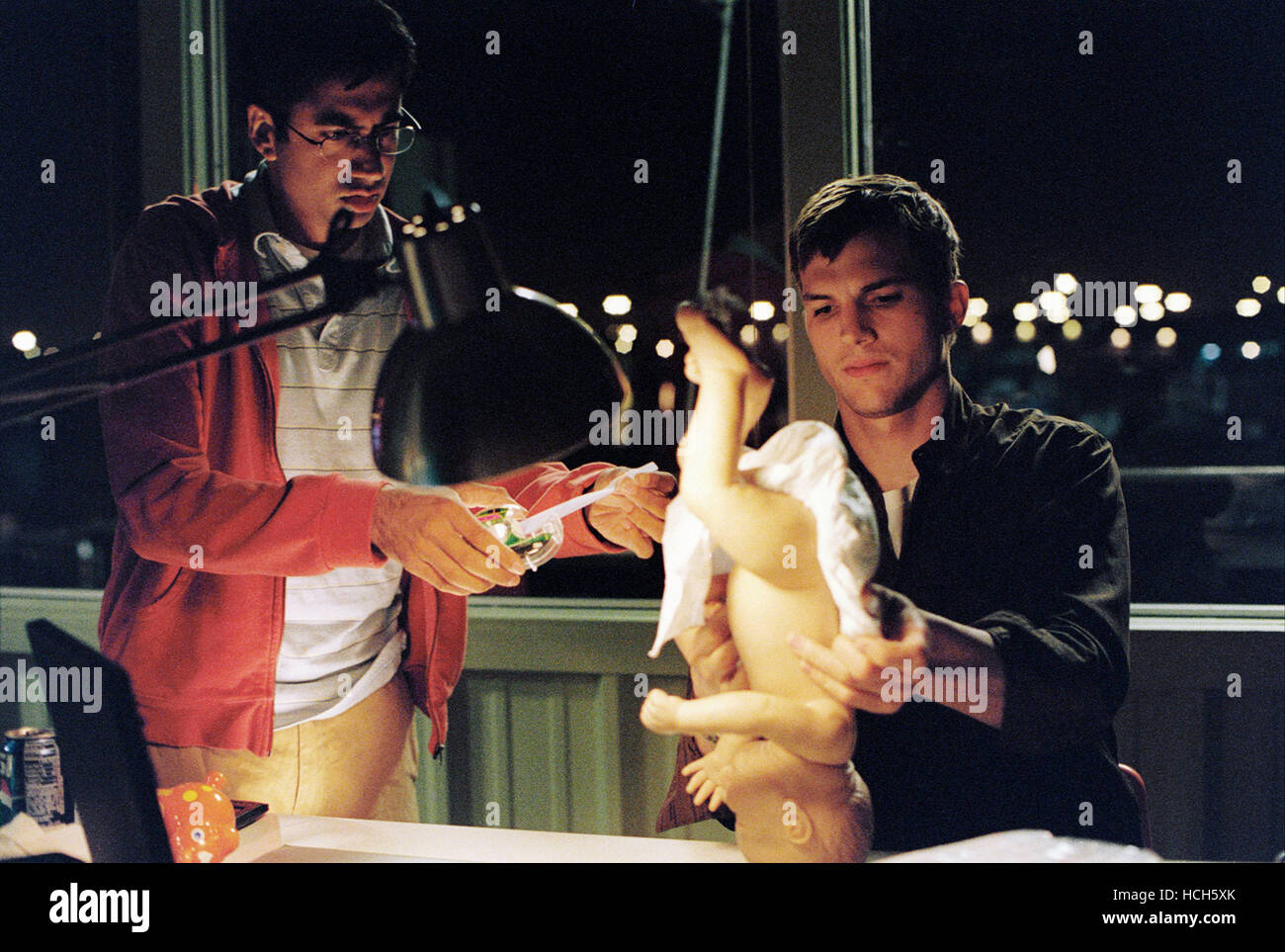
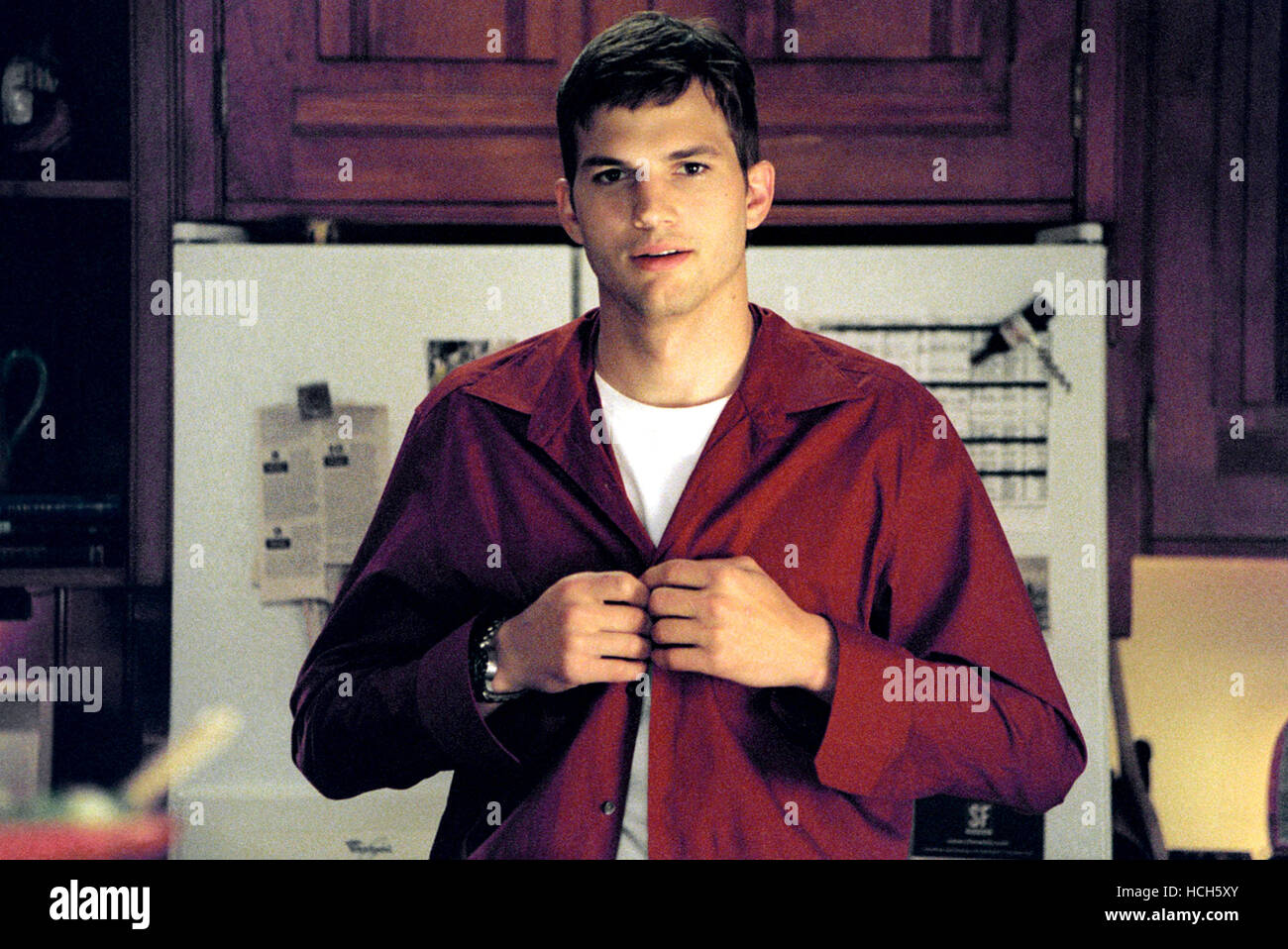
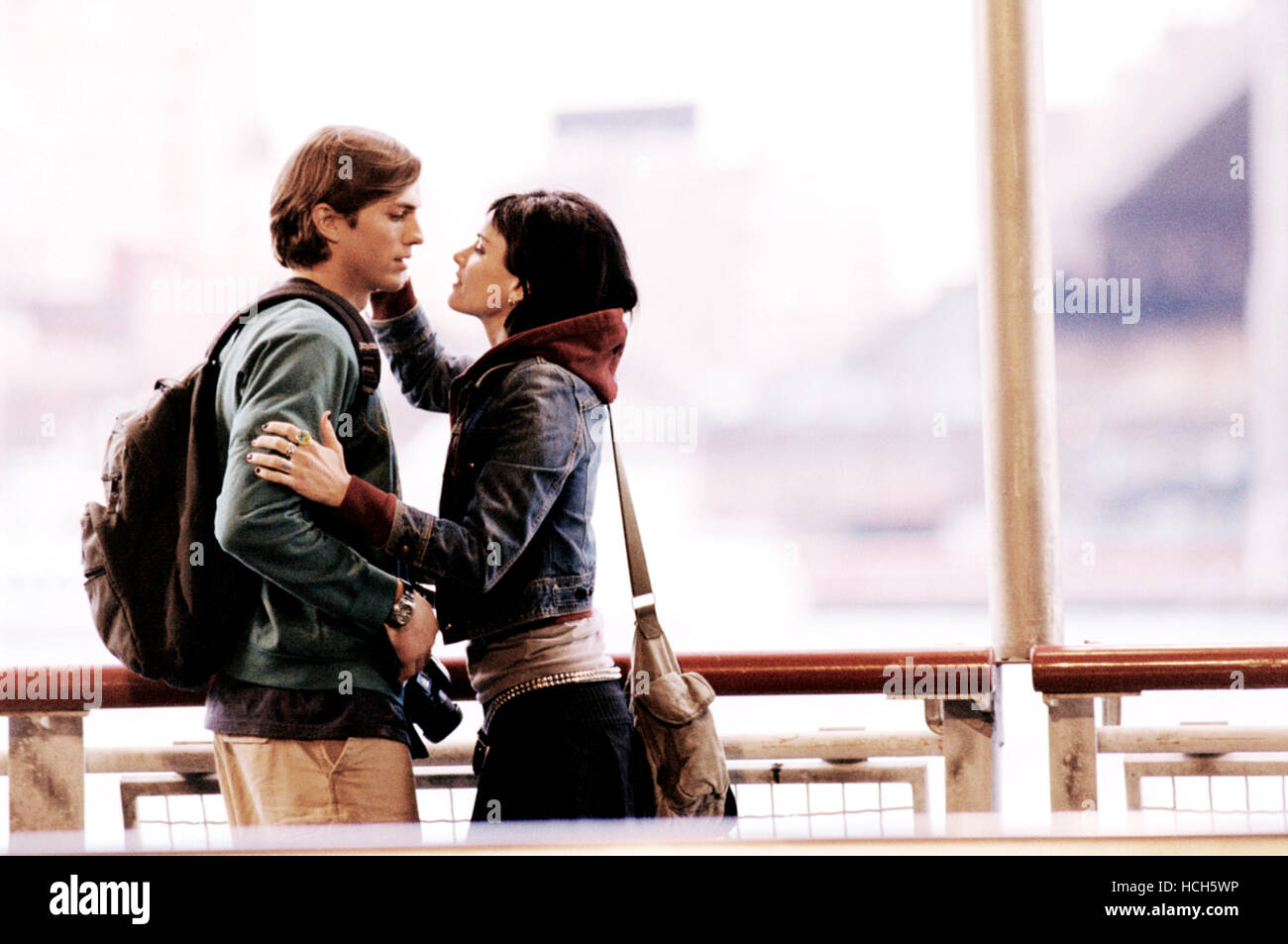
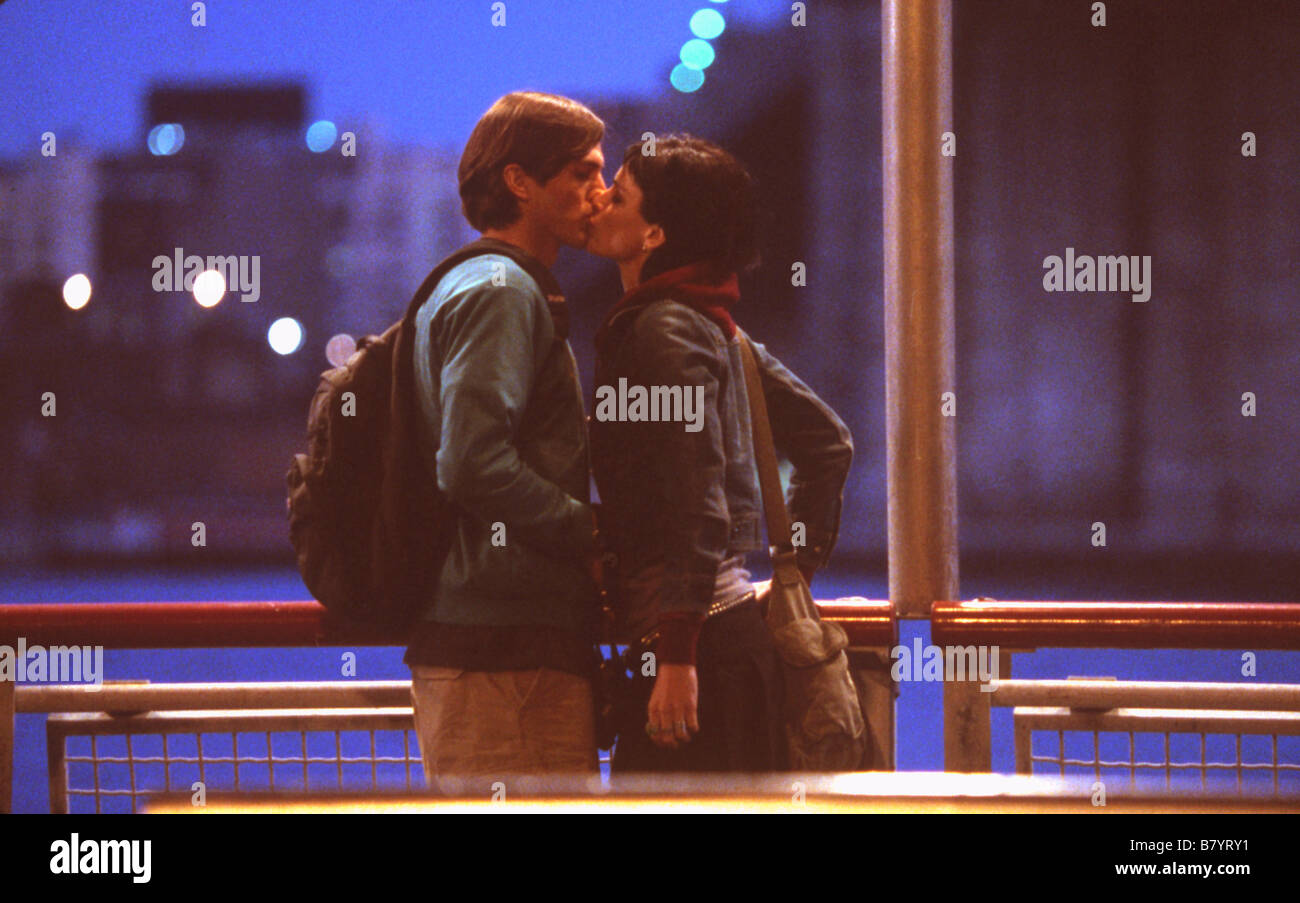
Ashton Kutcher stars as Oliver Martin in the 2005 romantic comedy A Lot Like Love, opposite Amanda Peet, tracing a seven-year trajectory of missed connections, career shifts, and evolving romance that captures the mid-2000s cinematic aesthetic.
Introduction to A Lot Like Love and Ashton Kutcher's Role
Released in theaters in April 2005, A Lot Like Love is a romantic comedy directed by Nigel Cole that explores the complex, non-linear timeline of a relationship between two free-spirited individuals. Ashton Kutcher, coming off his high-profile television success in That '70s Show and box office recognition in films like The Butterfly Effect, took on the role of Oliver Martin. Oliver is initially introduced as an ambitious, hyper-organized college graduate with a meticulously planned ten-year life roadmap.
The narrative device of the film relies on chance encounters between Oliver and Emily Friehle Harper (played by Amanda Peet) once a year over a span of seven years. Kutcher’s performance requires a significant character arc, transitioning from a rigid, anxious corporate-ladder climber in his early twenties into a more grounded, adaptable entrepreneur and mature partner by his late twenties. Understanding Kutcher’s execution of this character requires examining the cultural landscape of 2005 romantic comedies, the specific demands of the casting, and how the film fits into the broader arc of his cinematic career.
Character Analysis: Oliver Martin Through the Years
Oliver Martin represents a classic cinematic archetype: the planner whose life is disrupted by spontaneity. However, Kutcher's portrayal prevents the character from becoming a one-dimensional straight man to Peet's eccentric Emily. The film is structurally divided into annual vignettes, allowing Kutcher to visibly age and emotionally mature across the seven-year span.
The College Graduate and Early Corporate Years
In the opening segments set in 1994 and 1995, Kutcher utilizes his signature physical comedy and earnest charm to portray Oliver's post-college panic. Fresh out of college with a degree in business, Oliver wears oversized suits and carries the weight of parental expectations. Kutcher balances corporate ambition with youthful insecurity. His interactions with Emily begin on an airplane flight from Los Angeles to New York, where an attempted mile-high romantic encounter results in awkward humor rather than instant fireworks.
The Entrepreneurial Pivot
As the years progress into the late 1990s, Oliver experiences professional failure and personal reorganization. Kutcher effectively communicates the deflation of corporate ambition. When Oliver's dot-com startup ambitions or early career ventures hit roadblocks, Kutcher shifts the character's physical posture and vocal delivery, moving from frantic certainty to introspective exhaustion. This phase of the narrative is crucial because it aligns Oliver's emotional vulnerability with Emily's own trajectory of instability.
The Mature Romantic Lead
By the final acts of the film, set near the turn of the millennium, Kutcher portrays a more settled Oliver. The overly gelled hair and rigid wardrobe are replaced by softer textures and a calmer demeanor. Kutcher anchors the emotional climax of the story, where both characters must abandon their fears of commitment. Through subtle shifts in facial expression and body language, Kutcher demonstrates how Oliver’s definition of success evolves from a corporate checklist to relational stability.
Production Background and Era Context
The mid-2000s marked a distinct era for the romantic comedy genre, sitting between the high-concept studio rom-coms of the late 1990s and the cynical, indie-leaning romantic dramas of the late 2000s. A Lot Like Love was produced by Beacon Pictures and distributed by Buena Vista Pictures through Touchstone Pictures.
Directorial Vision and Chemistry
Director Nigel Cole, known for balancing British kitchen-sink realism with broader comedic elements in films like Saving Grace, brought an organic, location-heavy feel to the production. Much of the film was shot on location in Los Angeles and New York, providing a tangible sense of geography that grounds the seven-year timeline. The chemistry between Ashton Kutcher and Amanda Peet was central to the film's marketing campaign and overall narrative success. Reviewers at the time noted that Kutcher’s comedic background complemented Peet’s sharp, dry delivery, creating a dynamic reminiscent of classic screwball comedies updated for the MTV generation.
Soundtrack and Cultural Signifiers
The film's soundtrack and aesthetic heavily reflect the cultural markers of 1994 through 2001. From the grunge-adjacent alternative rock of the early scenes to the polished pop-rock of the early 2000s, the music serves as an auditory timeline for Kutcher’s character evolution. Viewers analyzing the film today often note how the fashion—baggy denim, early dot-com office spaces, and analog cell phones—captures a specific historical window just prior to the widespread adoption of smartphones and social media.
Comparative Overview of Ashton Kutcher's 2000s Filmography
To fully understand Kutcher's performance in A Lot Like Love, it is helpful to examine how this role compared to his other cinematic ventures during the peak of his television fame.
| Film Title | Release Year | Genre | Character Type | Critical Reception Focus |
|---|---|---|---|---|
| Dude, Where's My Car? | 2000 | Stoner Comedy | Slacker / Broad Comedic | Physical comedy and cult status |
| Just Married | 2003 | Romantic Comedy | Newlywed / Physical Chaos | Slapstick romance with Brittany Murphy |
| The Butterfly Effect | 2004 | Psychological Thriller | Traumatized Student / Sci-Fi Lead | Dramatic pivot and suspense narrative |
| A Lot Like Love | 2005 | Romantic Comedy | Corporate Planner to Partner | Chronological character growth and chemistry |
| The Guardian | 2006 | Action Drama | Coast Guard Trainee / Dramatic Lead | Physical endurance and heroic archetype |
This comparative matrix demonstrates that A Lot Like Love served as a bridge for Kutcher. It required the mainstream audience appeal and comedic timing of Just Married, but demanded a greater degree of emotional restraint and chronological maturity that anticipated his dramatic work in The Guardian.
Common Viewer Questions and Misconceptions
When audiences revisit or discover A Lot Like Love, several recurring questions emerge regarding the film's structure, continuity, and resolution.
Is the entire film a continuous narrative?
No. The film is structured as a series of annual vignettes. Each scene jumps forward roughly one year in time, documenting a single day or weekend in Oliver and Emily's lives. This episodic storytelling means that significant character developments happen off-screen, requiring the audience to infer how the characters changed during the intervening twelve months.
How does Oliver and Emily's relationship differ from standard rom-com tropes?
Unlike films where the leads meet, fall in love, experience a misunderstanding in the third act, and reunite within a two-week span, A Lot Like Love subverts the timeline. Oliver and Emily remain friends, occasional lovers, and confidants over seven years before realizing their romantic compatibility. This slow-burn approach mirrors real-world relationship timelines more closely than traditional genre formulas.
What is the significance of the New York and Los Angeles settings?
The geographic divide between the East Coast and West Coast acts as a physical manifestation of their contrasting lifestyles. Oliver’s initial corporate ambitions are tied to New York, while Emily’s artistic exploration often centers in Los Angeles and travel. Their encounters in airports, transitional apartments, and city streets emphasize that their relationship exists in the margins of their separate lives.
Practical Recommendations for Viewers and Film Analysts
For those analyzing A Lot Like Love from a filmmaking perspective or simply watching it as a nostalgic entry from the mid-2000s, consider the following approaches:
- Track Costume Evolution: Pay close attention to wardrobe choices across the annual jumps. Costume designers utilized subtle color shifts and tailoring changes to visually signal Oliver's transition from anxious corporate employee to secure independent adult.
- Examine Pacing and Dialogue: Notice how the comedic delivery shifts from rapid-fire slapstick in the college-aged scenes to more conversational, subdued dialogue in the final third of the film.
- Analyze the Supporting Cast: Observe how minor characters, such as Oliver's brother or Emily's various partners, function as narrative foils that highlight the stagnation or growth of the two protagonists.
Conclusion
Ashton Kutcher’s performance in A Lot Like Love remains a notable entry in his filmography, capturing a transitional period in both his acting career and the romantic comedy genre. By anchoring a non-linear script with consistent emotional growth, Kutcher helped ground a high-concept premise in genuine human behavior. The film endures as a distinct cultural artifact of 2005 cinema, valued for its exploration of timing, friendship, and long-term maturation.