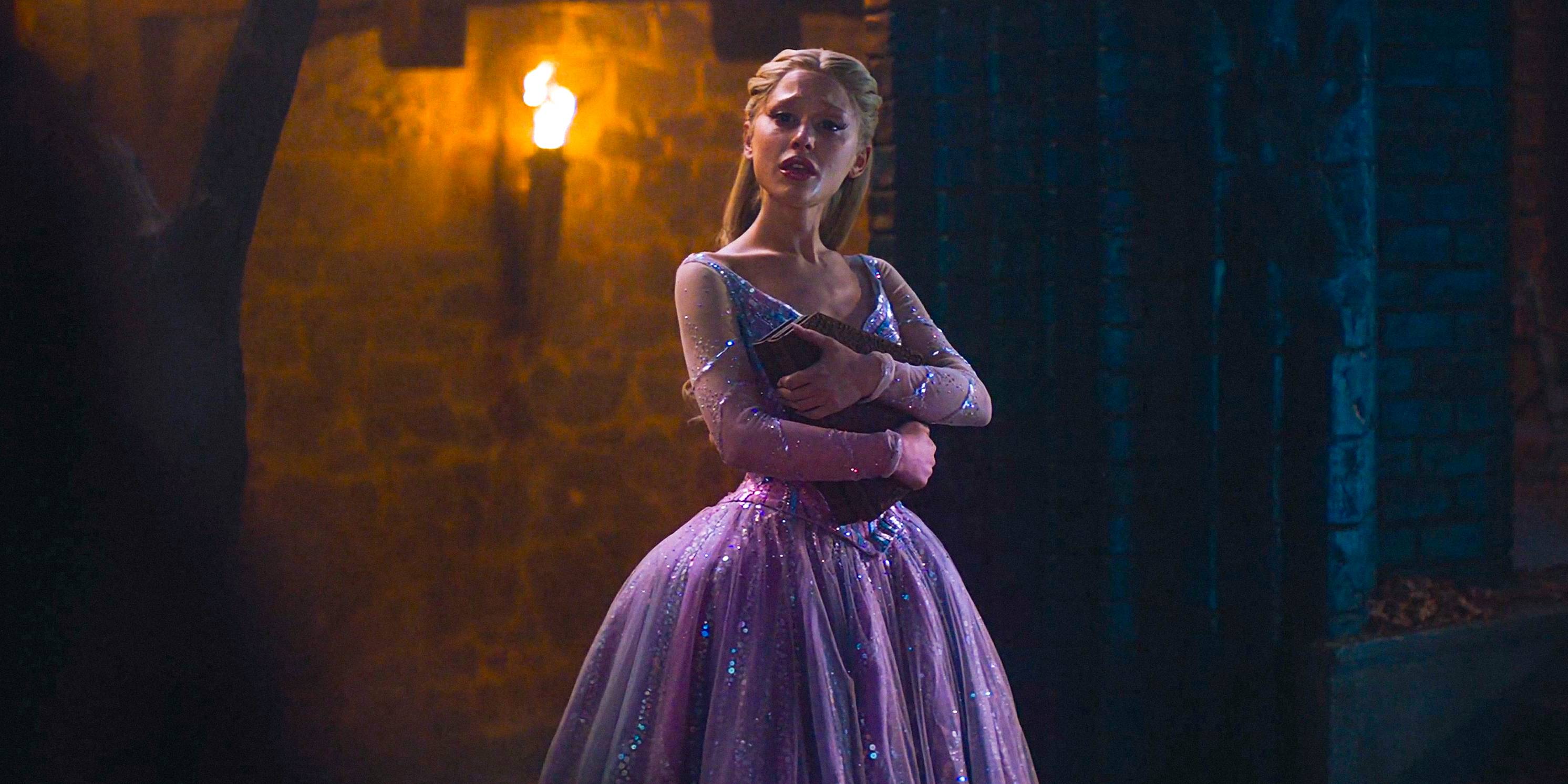
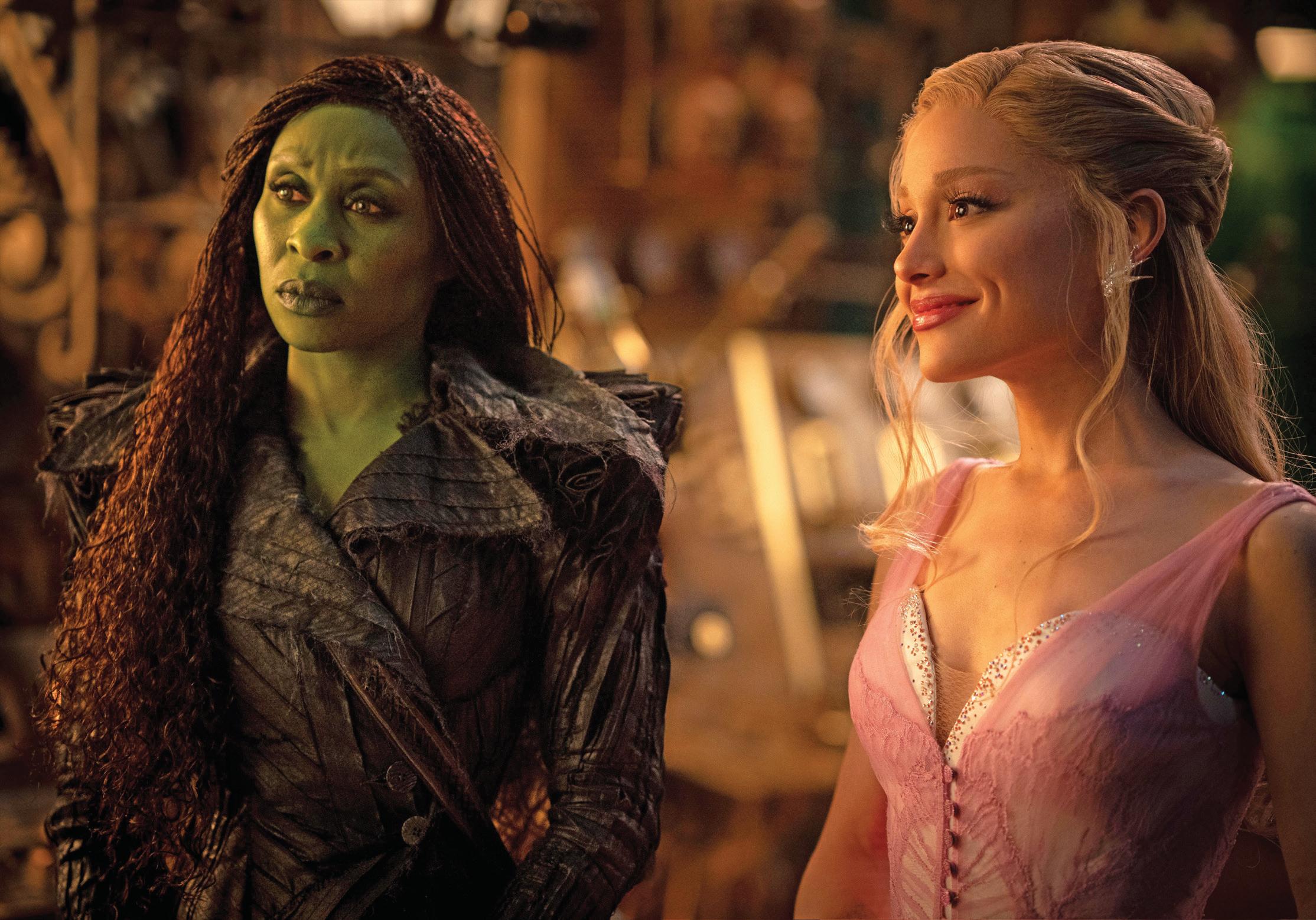
Ariana Grande portrays Glinda Upland in the cinematic adaptation of Wicked, bringing the iconic Good Witch of the North to life with soaring soprano vocals, physical comedy, and deep emotional vulnerability. Her casting and subsequent performance represent one of the most closely watched transitions of a pop superstar into a major musical theatre film role.
The Journey to Shiz University: Casting and Development
The path to bringing Gregory Maguire’s revisionist Oz universe and Stephen Schwartz’s landmark Broadway musical to the silver screen was long and deliberate. Director Jon M. Chu spearheaded the two-part film adaptation, a decision made to preserve the sprawling narrative arc of the stage production without cutting beloved musical numbers or character development. When the casting call went out for the definitive cinematic incarnation of Glinda—originally popularized on Broadway by Kristin Chenoweth—the audition process was rigorous, demanding both world-class operatic vocal prowess and sophisticated comedic timing.
Ariana Grande campaigned extensively for the role, submitting multiple self-tapes before flying out for formal screen tests. Her lifelong affinity for musical theatre, combined with her multi-octave vocal range, made her a unique contender. However, the production team required proof that she could embody the superficial yet deeply insecure, status-obsessed Glinda (originally Galinda before the name change) without leaning into caricature. Through extensive workshops and chemistry reads with Cynthia Erivo, who portrays Elphaba Thropp, Grande established a nuanced dynamic that balanced comedic privilege with underlying empathy.
Vocal Execution and Musical Arrangements
One of the defining elements of Grande's performance is her vocal approach to Stephen Schwartz’s score. Rather than relying solely on her signature contemporary pop whistle tones and R&B styling, Grande adopted a legitimate musical theatre soprano technique. This required months of specialized vocal training to blend her chest mix with a crystalline, operatic head voice capable of cutting through a massive orchestra while matching the acoustic demands of live-set vocal recording.
In tracks such as "Popular," Grande navigates rapid tempo shifts, comedic spoken-sung cadences, and high-flying coloratura runs. The arrangement respects the structural integrity of the original Broadway orchestrations by William David Brohn while incorporating subtle sonic expansions suited for a cinematic soundscape. Her duets with Erivo, particularly in "What Is This Feeling?" and "For Good," highlight a deliberate vocal juxtaposition: Erivo’s earthier, robust belt contrasts sharply with Grande’s bright, floating soprano, creating a distinct auditory metaphor for their characters' ideological clashes and ultimate bond.
Vocal Technique Comparison
| Feature | Original Broadway Performance (Kristin Chenoweth) | Cinematic Adaptation (Ariana Grande) |
|---|---|---|
| Primary Vocal Style | Legitimate operatic soprano with a bright, forward placement | Blended contemporary musical theatre soprano with pop resonance |
| Pacing & Delivery | Heightened theatrical breath support and punchy Broadway diction | Nuanced micro-dynamic control tailored for close-up film microphones |
| High Range Integration | Soaring traditional high C's with vibrato-heavy sustains | Crystal-clear head voice mixed with subtle stylistic embellishments |
Physicality, Costume, and Characterization
Beyond her vocal contributions, Grande’s interpretation of Glinda relies heavily on precise physical comedy and visual storytelling. Working alongside costume designer Paul Tazewell, the production crafted an elaborate wardrobe that shifts from pastel, bubble-gum pink collegiate aesthetics at Shiz University to regal, highly structured gowns fit for the Wizard's court. Grande utilized these heavy, restrictive garments to inform her posture, employing stiff, precise movements that underscore Glinda's obsession with perfection and social standing.
Her comedic timing relies on micro-expressions—a raised eyebrow, a calculated hair flip, or a fleeting moment of self-doubt behind a dazzling smile. This approach prevents Glinda from becoming a one-dimensional antagonist or a simple foil to Elphaba. Instead, Grande portrays a young woman trapped by the very societal expectations she strives to master, making her eventual moral awakening and heartbreak in the second half of the story land with greater emotional weight.
Integration Into the Two-Part Cinematic Structure
Splitting the narrative into two distinct cinematic chapters allowed the filmmakers to explore the emotional fallout of Glinda’s choices in granular detail. In the first installment, Glinda’s arc centers on vanity, accidental friendship, and the intoxication of social privilege. Grande captures the tragedy of a character who chooses comfort and institutional approval over moral integrity.
This foundation sets up the thematic resolution of the second installment, subtitled For Good. As the political climate of Oz shifts and Elphaba is branded an enemy of the state, Glinda must confront the hollow reality of her ambitions. Grande's performance shifts from effervescent comedy to restrained grief, anchoring the emotional stakes of the narrative's climax.
Frequently Asked Questions
Did Ariana Grande sing live on set during the filming of Wicked?
Yes, director Jon M. Chu utilized live-set vocal recording for the primary musical numbers to capture authentic emotional delivery and breath control during intense physical choreography, backed by pre-recorded orchestral tracks.
How did Ariana Grande prepare for the role of Glinda?
Grande underwent months of intensive vocal coaching to adapt her pop technique to classical musical theatre soprano standards, participated in extensive movement workshops, and engaged in script and character analysis with director Jon M. Chu and co-star Cynthia Erivo.
Is Ariana Grande's hair naturally blonde as Glinda?
No, Grande underwent a complete physical transformation for the role, dyeing her signature dark hair a multi-dimensional platinum blonde to authentically capture Glinda's visual aesthetic throughout the multi-year production schedule.
How does Grande's portrayal compare to the original Broadway version?
While honoring the comedic and vocal blueprint established by Kristin Chenoweth on Broadway, Grande introduces a distinct cinematic intimacy, utilizing subtle facial expressions and micro-vocal adjustments suited for close-up film lenses.
What is the significance of the song "For Good" in the film's narrative arc?
"For Good" serves as the emotional lynchpin of the relationship between Elphaba and Glinda, symbolizing their mutual transformation and the permanent impact they have on one another's lives despite their divergent paths.
Practical Next Steps for Viewers and Fans
For those looking to fully appreciate Ariana Grande's performance as Glinda, reviewing the original Broadway cast recording provides a useful baseline for the vocal and narrative history of the material. Following this, analyzing the film's sound design, costume construction through official behind-the-scale featurettes, and the original Gregory Maguire novel offers a comprehensive view of how the cinematic adaptation reinterprets the source material for a modern audience.