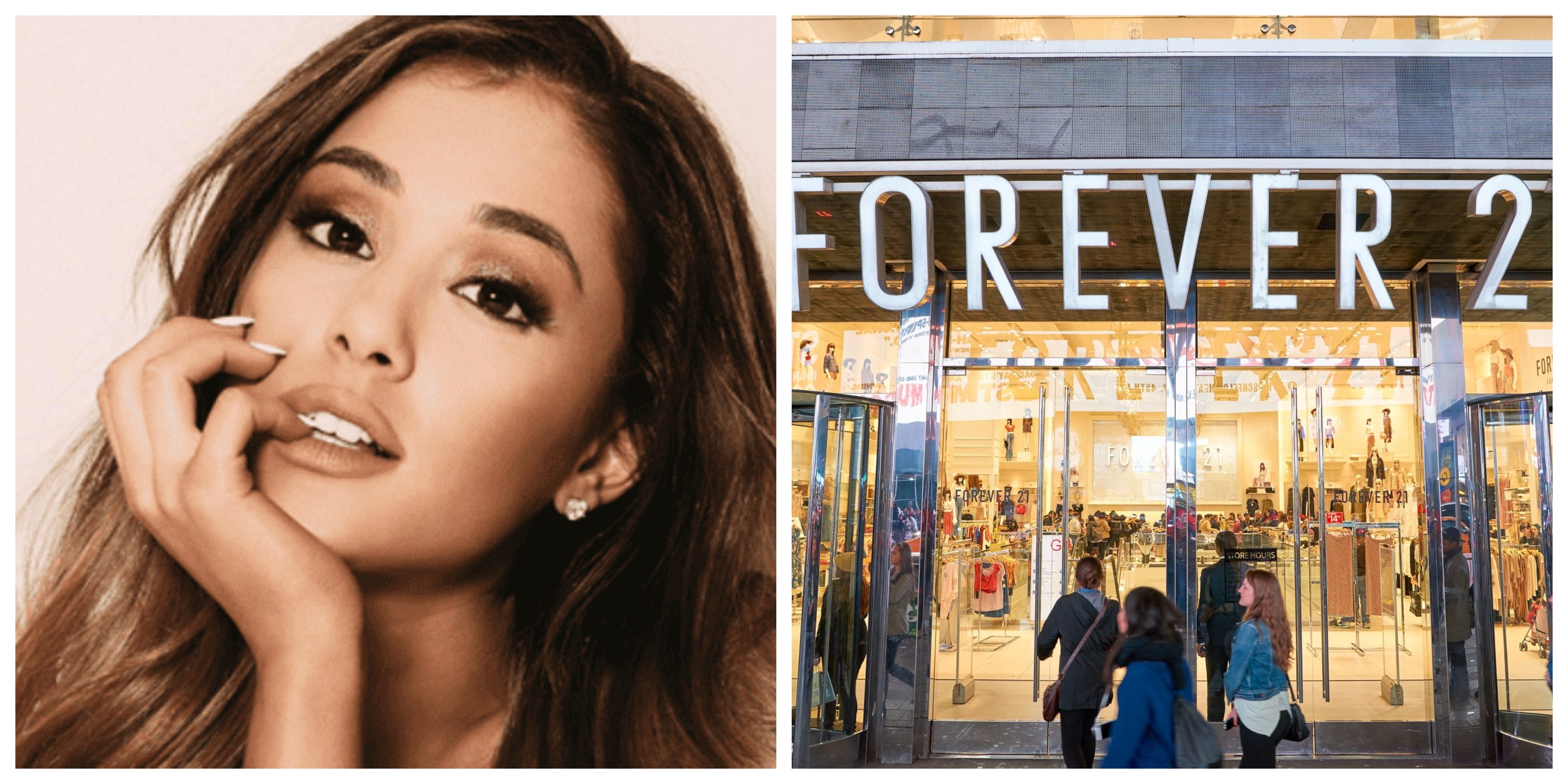
The 2019 legal dispute between global pop star Ariana Grande and the fashion retailer Forever 21 remains a landmark case study in intellectual property rights, influencer marketing ethics, and the blurred lines of celebrity likeness in digital advertising. The controversy, which saw Grande sue the retail chain for $10 million, highlighted the growing necessity for brands to navigate the complexities of "right of publicity" when utilizing social media-inspired aesthetics.
The Genesis of the Conflict: A Brand’s Misstep
In early 2019, Forever 21 found itself in a precarious position. The retailer, which had previously collaborated with Ariana Grande for an official marketing campaign, attempted to engage the star for a second partnership. Negotiations ultimately broke down, with both parties failing to reach an agreement on the terms and the financial compensation required for the pop singer’s endorsement.
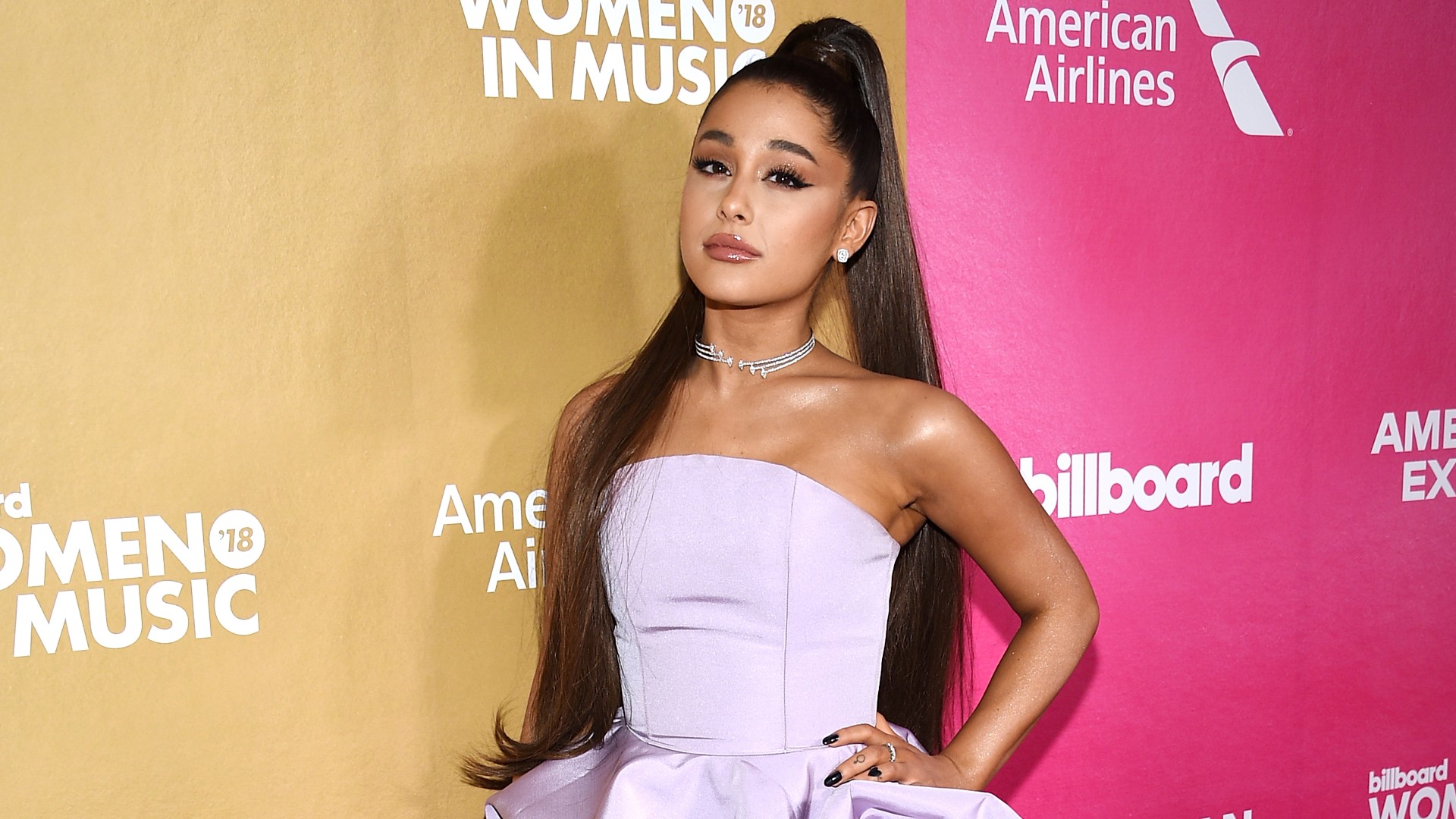
Following the collapse of these negotiations, Forever 21 launched a social media campaign that featured a model who bore a striking, intentional resemblance to Grande. The campaign utilized specific visual cues associated with the singer’s "7 Rings" era—most notably her signature high ponytail, specific makeup techniques, and wardrobe pieces that mirrored the aesthetic popularized by the music video. The retailer did not secure the rights to use these identifiers, nor did they have the singer's authorization to associate her brand identity with their products.
This led to the filing of a lawsuit in the U.S. District Court for the Central District of California, where Grande’s legal team argued that the retailer had engaged in false endorsement, misappropriation of likeness, and trademark infringement. The core of the legal argument was that Forever 21 was knowingly exploiting the public’s association between the model and the singer to drive sales without paying for the privilege of a celebrity endorsement.
Understanding Right of Publicity and Intellectual Property
At the heart of the "Ariana Grande Forever 21 ad" debate is the legal concept known as the "Right of Publicity." This right grants individuals the authority to control the commercial use of their name, image, likeness, or other identifying aspects of their identity. In the United States, these rights are largely protected under state laws, though they are reinforced by federal trademark protections when a consumer might be confused into believing a celebrity has endorsed a specific product.
The Elements of the Claim
To understand why the ad sparked such significant conversation, one must evaluate the specific pillars of Grande's legal strategy:
- False Endorsement (Lanham Act): Grande’s team argued that by using a look-alike, Forever 21 was creating consumer confusion. Potential customers were likely to perceive the advertisement as an official collaboration, thus violating the Lanham Act, which prohibits false designation of origin and misleading representations in commerce.
- Likeness Misappropriation: The complaint highlighted that the model was styled specifically to evoke the image of Ariana Grande. This wasn't just a general trend; it was a curated mimicry of a specific, high-profile celebrity identity.
- Commercial Exploitation: The goal of the advertisements was clearly to benefit from the goodwill, brand equity, and popularity of the singer. Because Grande had already established a business relationship with the brand, the "unauthorized" nature of the new ads felt like a calculated bypass of standard licensing agreements.
The Cultural Impact: Influencer Marketing and "Look-Alikes"
Beyond the courtroom, the conversation shifted toward the ethics of influencer marketing. During the late 2010s, brands began aggressively pursuing "viral" aesthetics. This strategy often involved hiring influencers or models who could replicate the styles of A-list celebrities to capture the attention of younger demographics on platforms like Instagram and TikTok.
The incident forced a reckoning within the fashion and marketing industries. Brands began to realize that there is a fine line between following a trend and infringing upon a personality. While an "aesthetic" cannot be copyrighted, a celebrity’s specific "persona"—when used to imply endorsement—is a highly protected asset. The fallout from the campaign served as a warning that digital savvy does not grant immunity from traditional legal standards.
Comparison of Corporate Marketing Risks
The table below outlines the risks associated with various levels of celebrity-inspired marketing strategies:
| Strategy | Legal Risk | Consumer Perception | Business Implication |
|---|---|---|---|
| Direct Collaboration | Minimal (Contractual) | Positive/Authoritative | High cost, high trust |
| General Trend Mimicry | Low | Neutral/Trendy | No cost, low brand equity |
| Intentional Look-alike | High (Right of Publicity) | Confusing/Manipulative | High legal and reputational risk |
| Unauthorized Likeness | Very High (Litigation) | Exploitative/Negative | Significant financial penalty |
The Resolution: Lessons in Corporate Accountability
In 2020, following months of litigation, the case reached a settlement. While the terms remained confidential, the fact that an agreement was reached signaled a victory for the preservation of celebrity control over personal branding. The settlement served as a silent but powerful industry standard, discouraging other brands from utilizing "knock-off" celebrity personas to skirt endorsement fees.
For Forever 21, the situation became a case study in the dangers of ignoring the nuances of talent management. The brand, which had already been navigating financial instability and bankruptcy filings around the same time, suffered further reputational damage among Gen Z consumers who prioritize authenticity and ethical business practices.
Practical Guidance for Brands and Content Creators
If you are operating a brand or managing social media content, the lesson from the Ariana Grande case is clear: Authenticity is a legal and ethical requirement. To avoid landing in similar controversies, businesses should adhere to the following guidelines:
- Clear Licensing: If a campaign requires the "vibe" or aesthetic of a specific celebrity, always seek formal authorization through talent agencies. Never attempt to "recreate" a celebrity identity via a third-party model.
- Disclosure Standards: Ensure that all advertisements, especially those featuring influencers, are clearly marked as sponsored content in accordance with Federal Trade Commission (FTC) guidelines.
- Auditing Creative Assets: Before publishing, conduct an internal review of visual assets to ensure they do not replicate copyrighted looks or trademarked identities of public figures.
- Trend vs. Appropriation: Distinguish between a general fashion trend (e.g., "high-waisted jeans") and a specific personal trademark (e.g., a signature hairstyle paired with a specific stage persona).
Frequently Asked Questions
Did Forever 21 admit to wrongdoing in the Ariana Grande case?
The settlement reached in the case was confidential. In legal disputes of this nature, companies rarely admit to liability explicitly, but the resolution itself acknowledges the validity of the plaintiff's grievances regarding the unauthorized use of their likeness.
Why is an "aesthetic" not enough for a lawsuit, but a "look-alike" is?
General fashion trends are considered public domain, as no one owns the concept of a high ponytail or a specific color palette. However, the legal threshold is crossed when those elements are combined in a way that suggests a specific person is endorsing a product, leading to consumer confusion. This is the difference between "being inspired by a look" and "falsely representing a person."
How can a fan or influencer safely replicate a celebrity's style?
Individuals are free to recreate celebrity looks for personal, non-commercial purposes as a form of expression. The legal issue arises only when a business uses that mimicry for commercial gain to imply a partnership that does not exist.
What are the consequences of violating a celebrity's right of publicity?
Consequences include cease-and-desist orders, mandatory removal of content, significant financial damages for false endorsement, and long-term damage to the brand’s relationship with the celebrity and their fanbase.
Does this lawsuit apply to AI-generated images?
As of 2026, the legal landscape regarding AI and right of publicity is evolving rapidly. However, the principles established in the Grande case remain a cornerstone: if AI is used to create an image that mimics a celebrity to imply an endorsement, the creator is likely liable for the same forms of infringement established in this case.
Final Recommendations for Stakeholders
For marketing professionals and brand managers, the primary takeaway is that the "short-term gain" of a viral, celebrity-mimicking ad is never worth the long-term risk of a high-profile lawsuit. Always prioritize formal partnerships over unauthorized imitations. If you are a creator, maintain your unique voice rather than relying on the borrowed equity of others, as this ensures both legal safety and stronger audience loyalty. Protecting your brand reputation requires absolute transparency in all marketing activities.