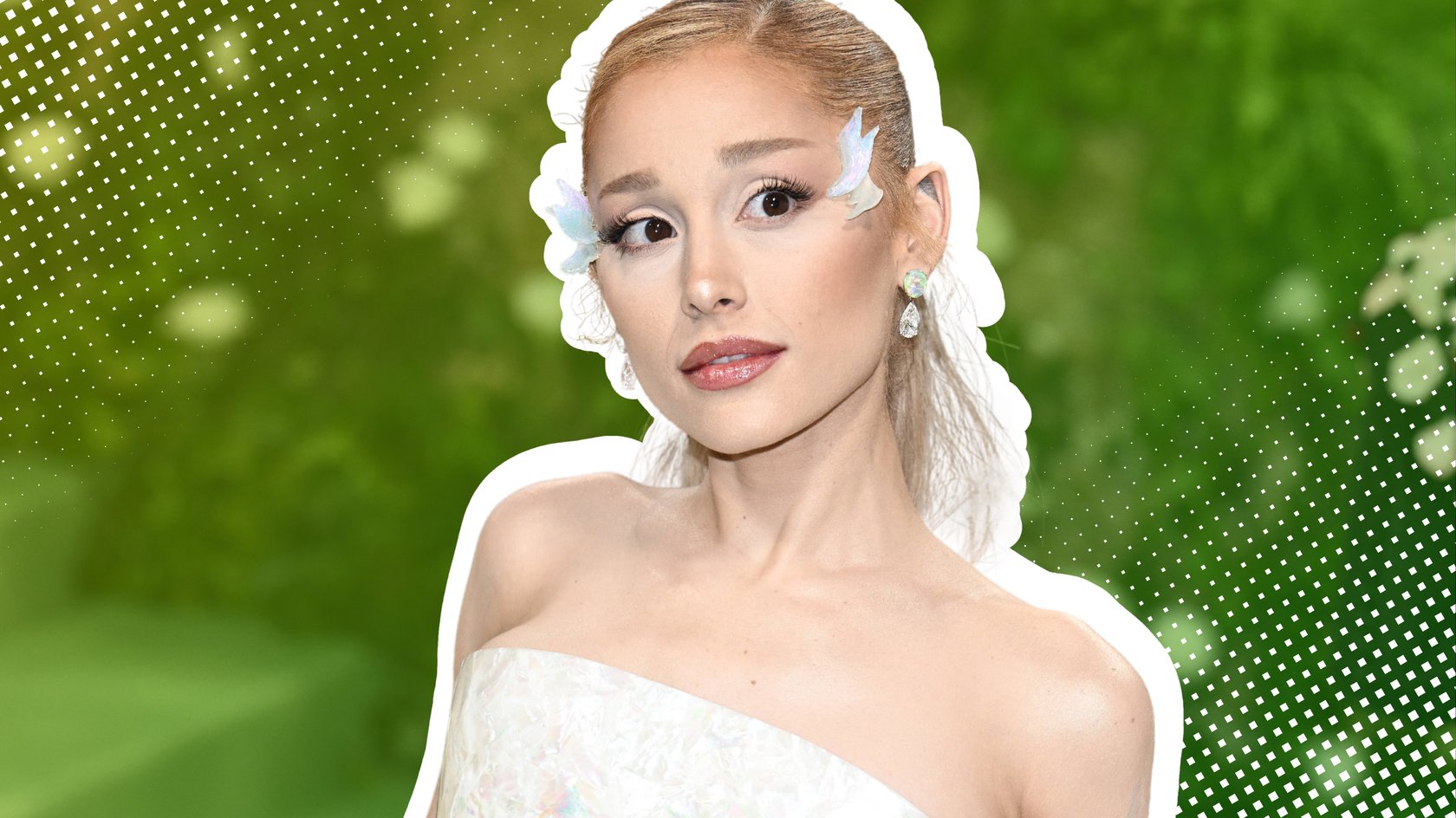
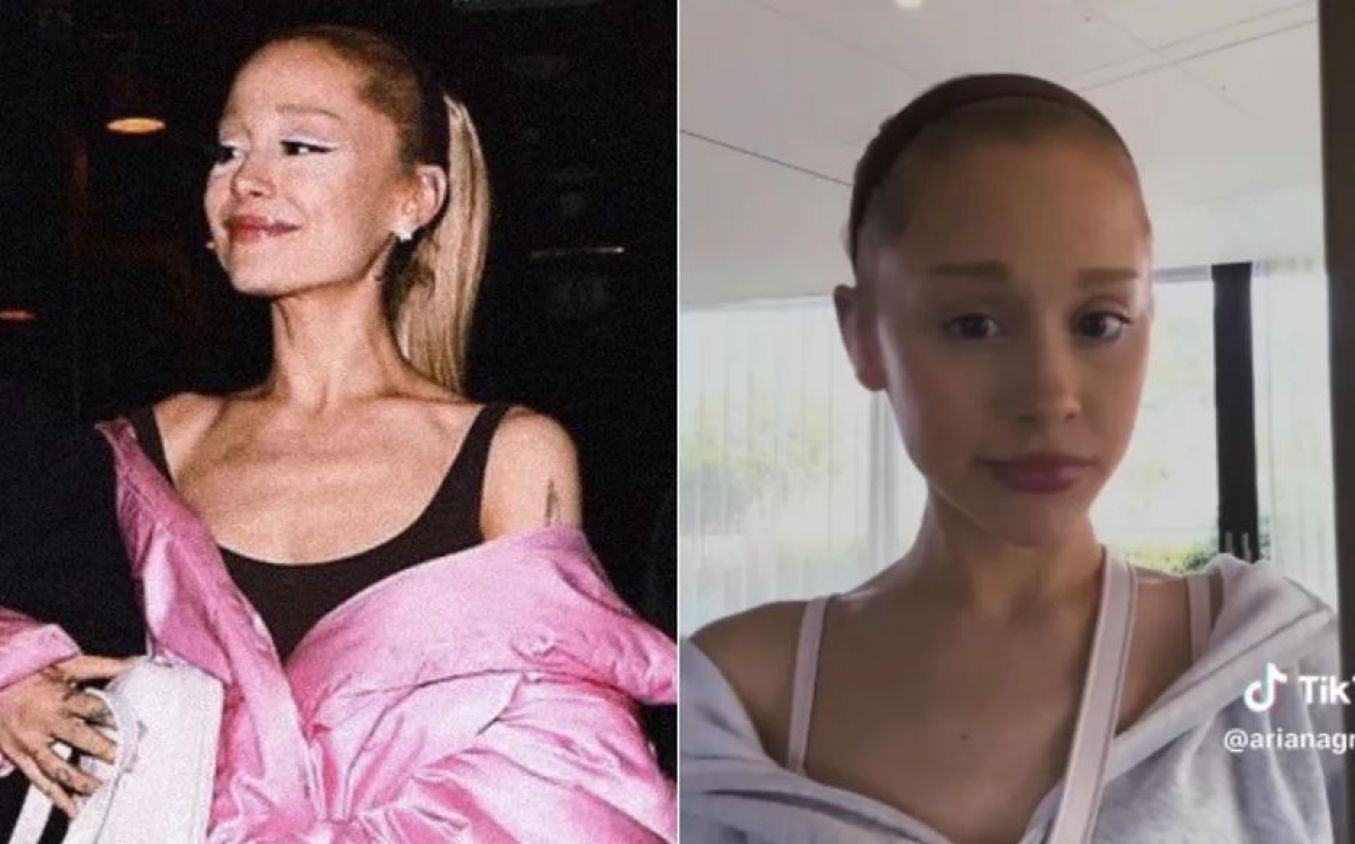
Ariana Grande has navigated significant physical and mental health challenges throughout her career, ranging from chronic PTSD following the 2017 Manchester Arena bombing to vocal strain and intense public scrutiny regarding her physical appearance. In 2026, the public response to her health—often categorized by the French term "malade" (sick) in international searches—reflects a complex intersection of genuine fan concern, invasive body shaming, and a growing societal discourse on mental health awareness and celebrity boundaries.
The Intersection of Celebrity and Health Narratives
The global fascination with Ariana Grande’s well-being is not a new phenomenon, but it has evolved significantly over the last decade. When fans search for "Ariana Grande malade," they are often looking for explanations regarding her physical transformations, performance cancellations, or her candid discussions about mental health. In the high-pressure environment of the mid-2020s, Grande has become a focal point for how the public consumes and reacts to the perceived "illness" of a superstar.
The narrative of the "troubled" or "sick" star is a recurring trope in pop culture, yet Grande’s approach has shifted the power dynamic. By reclaiming her narrative through social media and long-form interviews, she has challenged the public to reconsider what "health" actually looks like. The response from the public has been polarized: while many offer unwavering support, a vocal minority continues to use her health as a subject for speculative criticism.
Chronology of Health Challenges: 2017 to 2025
To understand the current state of public discourse in 2026, one must examine the specific instances where Grande’s health became a matter of public record. These events laid the groundwork for how the "malade" narrative developed.
The Impact of PTSD and the Manchester Arena Bombing
Following the tragic events in Manchester in 2017, Grande was exceptionally transparent about her struggle with Post-Traumatic Stress Disorder (PTSD). In 2019, she shared an image of her brain scans on Instagram, showing the physical impact of trauma on her brain compared to a "healthy" scan. This was a watershed moment in celebrity health transparency.
The public response was overwhelmingly empathetic, yet it also sparked a persistent "wellness watch" by fans who began to interpret her every move through the lens of her trauma. This hyper-vigilance by the public, while rooted in care, often placed an immense burden on the artist to "look okay" for her audience.
Vocal Health and Touring Strains
Grande has also faced physical illnesses typical of high-demand vocalists. During her Sweetener World Tour, she was forced to cancel several dates due to severe sinus infections and bronchitis. In these instances, the "malade" narrative was strictly clinical. The public response was generally supportive, though it highlighted the grueling nature of modern touring schedules and the physical toll they take on performers.
The "Wicked" Era and Body Image Discourse (2023–2024)
Perhaps the most intense period of public scrutiny occurred during the filming and promotion of Wicked. Observers on social media began speculating about her health, often using the word "malade" to describe her weight loss and changed aesthetic.
In April 2023, Grande addressed these concerns directly in a viral video. She explained that the version of her body the public considered "healthy" was actually her at her most unwell—a time when she was taking antidepressants, drinking heavily, and eating poorly. This revelation was a critical turning point in the relationship between Grande and her audience, forcing fans to acknowledge that their perceptions of "sickness" and "health" were often fundamentally flawed.
Analyzing the Public Response: Concern vs. Intrusion
The public response to Ariana Grande’s health can be categorized into three distinct behaviors: the supportive advocate, the speculative "doctor," and the invasive critic.
The Supportive Advocate
A significant portion of Grande’s fanbase, known as "Arianators," views her health journey as a source of inspiration. When she discusses her anxiety or the work she does in therapy, these fans respond with messages of solidarity. In 2026, this segment of the public is more focused on "media literacy"—the idea that fans should not comment on a celebrity’s body or health unless the information is volunteered.
The Speculative "Doctor"
Social media platforms like TikTok and X (formerly Twitter) have fostered a culture where users feel qualified to diagnose celebrities based on photos or short clips. When the search term "Ariana Grande malade" spikes, it is often driven by these "armchair experts" who speculate on everything from eating disorders to chronic fatigue. This behavior, while often framed as "concern," is frequently criticized by mental health professionals as harmful and dehumanizing.
The Invasive Critic
Unfortunately, a segment of the public response remains rooted in body shaming. These critics use a celebrity’s perceived illness as a tool for mockery or to question their professional capability. In Grande’s case, her physical appearance in 2024 and 2025 was weaponized by tabloids to drive clicks, illustrating the persistent "malade" trope where a woman’s worth is tied to her physical vitality and "acceptable" appearance.
Comparison of Health Narratives and Public Perception
The following table outlines the different phases of Grande’s public health narrative and the corresponding public sentiment.
| Era/Event | Perceived Health Issue | Key Public Response | Artist Reaction |
|---|---|---|---|
| 2017-2019 | PTSD / Trauma | Universal sympathy; "Survivor" narrative. | Shared brain scans; advocated for therapy. |
| 2019-2020 | Bronchitis / Sinusitis | Frustration over cancellations vs. concern. | Openly shared physical pain; took time off. |
| 2023-2024 | Weight / Appearance | Intense body shaming; "She looks sick" rumors. | Addressed the "unhealthy vs. healthy" paradox. |
| 2025-2026 | Post-Wicked Recovery | Respectful boundaries; focus on her artistry. | Emphasized peace, privacy, and balance. |
The Role of Cultural Differences in the "Malade" Narrative
The use of the term "malade" in relation to Grande is particularly prevalent in Francophone media. In French-speaking regions, the term can carry a broader weight than the English "sick." It can imply being unwell, suffering, or being in a state of crisis.
French tabloids have historically been more aggressive in their coverage of celebrity health, often leading to a public response that is more sensationalized than in other regions. However, the global shift toward mental health awareness has begun to influence these markets as well, leading to a more nuanced conversation about Grande’s well-being in 2026.
The "Healthy Body" Paradox
One of the most important contributions Ariana Grande has made to the public discourse on health is the dismantling of the "healthy body" image. When she revealed that her previous, more "conventionally healthy" look was actually the result of her unhealthiest lifestyle, it created a paradigm shift.
- Deconstructing Visual Cues: The public learned that thinness does not equate to illness, and a "fuller" face does not always equate to health.
- Addressing Substance Use: Her honesty about using alcohol and antidepressants to mask pain provided a realistic look at how celebrities cope with pressure.
- The Subjectivity of Wellness: Grande’s health journey in 2026 is seen as a personal, subjective experience that cannot be accurately gauged by paparazzi photos.
Expert Perspectives on Public Health Speculation
Psychologists and media analysts have frequently weighed in on the "Ariana Grande malade" phenomenon. The consensus is that hyper-focusing on a celebrity's health can have a "contagion effect."
- Parasocial Entitlement: Fans feel a deep connection to Grande and believe they have a right to know her medical history. This "entitlement" leads to intrusive questioning that can trigger the artist’s anxiety.
- The Projection of Insecurity: Often, the public response to a celebrity's weight or health is a projection of the audience's own insecurities regarding body image and aging.
- The Responsibility of Platforms: In 2026, there is an ongoing debate about whether social media algorithms should suppress speculative content regarding a person's health to prevent the spread of misinformation and harassment.
Moving Toward a More Respectful Public Response
As we look at the landscape in 2026, the public response to Ariana Grande’s health has moved toward a state of "cautious respect." The lessons learned from the Wicked press tour and her subsequent statements have fostered a more mature dialogue.
Practical Tips for Engaging with Celebrity Health News
If you encounter news or social media trends regarding "Ariana Grande malade" or similar topics, consider the following actions:
- Verify the Source: Is the information coming from the artist herself or a reputable medical correspondent, or is it a tabloid rumor?
- Respect Boundaries: Remember that medical history is private information, regardless of a person’s fame.
- Focus on the Art: Re-center the conversation on the artist’s work rather than their physical state.
- Avoid Diagnosis: Do not use clinical terms (like "anorexic" or "depressed") to describe someone based on visual evidence alone.
FAQ: Ariana Grande's Health and Public Reaction
Is Ariana Grande currently sick in 2026?
No official reports indicate that Ariana Grande is suffering from any acute illness in 2026. She has continued to work on music and film projects while maintaining a focus on her mental health and vocal recovery. Most "sick" rumors are remnants of older narratives or speculative social media posts.
Why did fans think she was "malade" during Wicked?
During the filming of Wicked, Grande’s physical appearance changed as she prepared for the role of Glinda and moved away from previous lifestyle habits. Many fans misinterpreted her weight loss as a sign of illness, leading to the widespread use of the term "malade" in online discussions.
How has Ariana Grande responded to rumors about her health?
She has been remarkably direct. Most notably, in 2023, she posted a video explaining that her body had changed because she was actually becoming healthier by moving away from antidepressants and alcohol, even though fans thought she looked "sick."
What was the impact of the Manchester bombing on her health?
The event caused Grande significant PTSD, which she has managed for years. She has been an advocate for brain health and therapy, sharing her own experiences to help destigmatize mental health treatment for her fans.
Does the public response affect her career?
While intense public scrutiny can cause stress, Grande has shown immense resilience. Her career remains robust, with high-charting albums and successful film roles. However, she has become more selective about public appearances to protect her well-being.
Why is the term "malade" so common in searches?
The term is a common French translation for "sick" or "ill." Because Grande has a massive international following, French-speaking fans use this keyword to find information regarding her health updates, especially during times of physical change or tour cancellations.
Conclusion and Final Recommendation
The narrative of "Ariana Grande malade" serves as a powerful case study in the evolution of celebrity health coverage. From 2017 to 2026, we have moved from a culture of invasive speculation to one that—at least in part—recognizes the importance of mental health and the fallacy of judging wellness by appearance. For fans and the general public, the most constructive response to any celebrity health journey is to offer empathy without entitlement. By prioritizing the artist's own voice over speculative gossip, we support a healthier media environment for both the stars and their audiences.