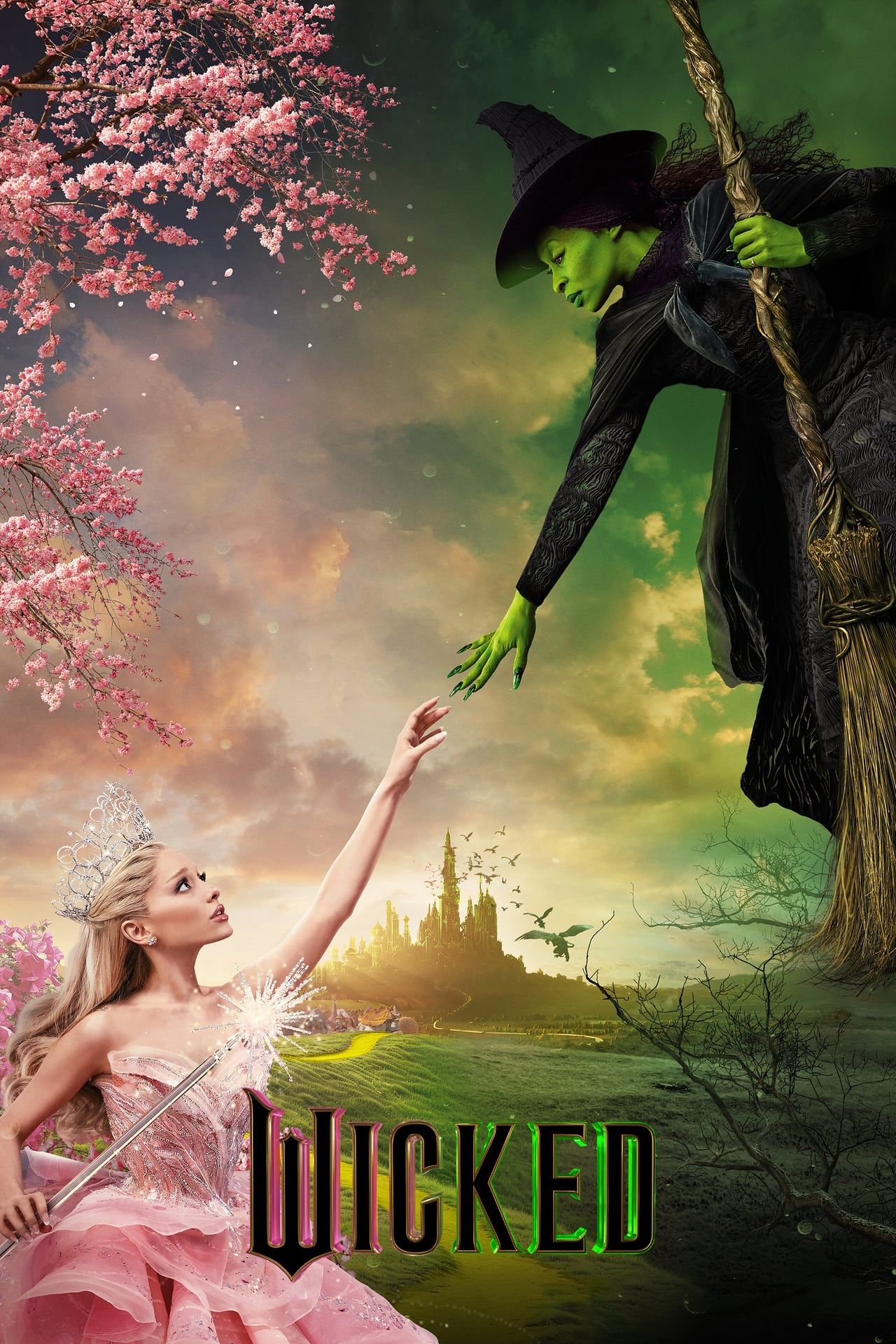
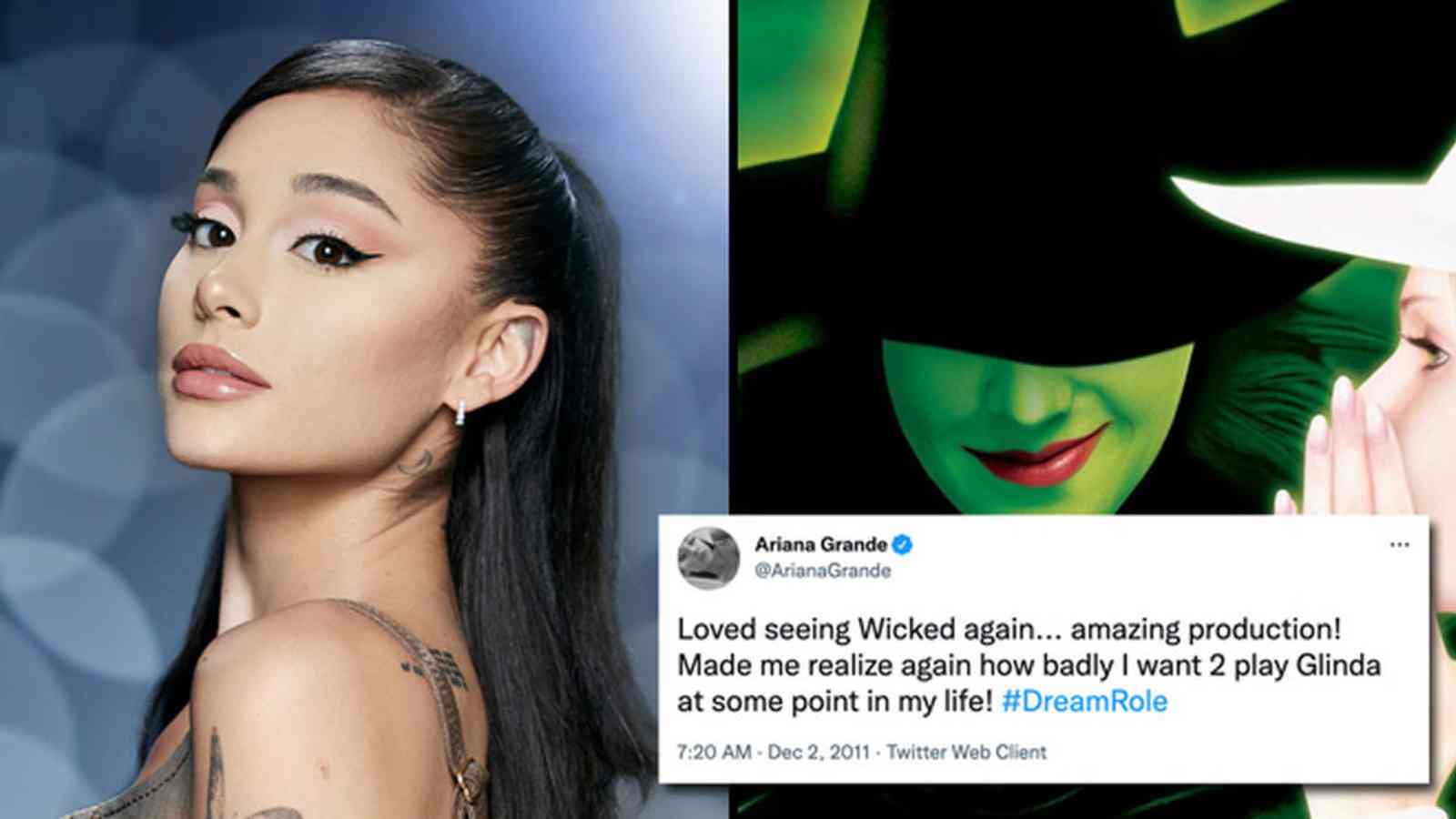
Ariana Grande portrays Glinda the Good in the two-part cinematic adaptation of the Broadway musical Wicked. While primarily known as a global pop icon, Grande transitioned back to her musical theater roots for this role, delivering a performance that honors the character’s Broadway origins while introducing new vocal and emotional depths for the screen.
In the landscape of modern musical theater, few roles carry the weight and expectations of Glinda the Good in Wicked. Originally brought to life on the Broadway stage by Kristin Chenoweth in 2003, the character is a masterclass in comedic timing, operatic vocal prowess, and complex emotional evolution. When Ariana Grande was cast as Glinda in Jon M. Chu’s film adaptation, she wasn't just stepping into a movie role; she was assuming a mantle that had defined Broadway for over two decades. By 2026, with both installments of the film having reached global audiences, the impact of Grande’s portrayal has solidified her status as a legitimate musical theater powerhouse, bridging the gap between her pop stardom and her foundations in the theater.
The Path from Broadway Fan to Cinematic Leading Lady
Ariana Grande’s connection to the Broadway role of Glinda began long before she was a household name. Growing up in Florida, Grande was a "theater kid" who made her Broadway debut at age 15 in the musical 13. Her obsession with Wicked was well-documented throughout her early career. She frequently cited the show as a primary influence on her vocal style and performance goals.
The journey to landing the role was not a simple appointment based on her celebrity status. Grande underwent a rigorous audition process that lasted months. Director Jon M. Chu and the production team were looking for someone who could handle the "Broadway" nature of the role—specifically the ability to sing live on set and navigate the character's transition from the vapid, popular "Galinda" to the weary, mature "Glinda."
Grande famously "de-pop-ified" her image and sound to prepare for the auditions. She stepped away from her signature high-ponytail aesthetic and adjusted her vocal placement to meet the demands of Stephen Schwartz’s score. This commitment demonstrated a deep respect for the Broadway source material, signaling to fans and critics alike that she was not merely playing a version of herself, but was instead dedicating herself to the character as written for the stage.
Reclaiming the Soprano: Grande’s Vocal Transformation
One of the most technically demanding aspects of the "Broadway role" of Glinda is the vocal range. Unlike many contemporary musical theater roles that rely heavily on "belting," Glinda requires a legitimate head voice and operatic agility. Songs like "No One Mourns the Wicked" and "Thank Goodness" demand consistent high notes and a purity of tone that differs significantly from the breathy, R&B-inflected vocals found in Grande’s pop discography.
To meet these requirements, Grande spent over a year working with vocal coaches to "reset" her voice. This process involved:
- Vocal Placement Shift: Moving from the "mix" and "chest" heavy resonance used in pop music to a more "classical head-voice" placement.
- Diction and Enunciation: Adopting the mid-Atlantic or "theatrical" accent required for the character, which necessitates clearer consonants and specific vowel shapes to ensure the lyrics are intelligible in a theatrical context.
- Breath Control for Long Phrases: Glinda’s melodies often feature long, soaring lines that require immense diaphragmatic support, a skill Grande had to refine to ensure she could perform these sequences multiple times during filming.
By 2026, critics have widely praised this vocal pivot. Grande’s ability to execute the high E-flats and maintain the comedic "squeaks" of the character—originally pioneered by Chenoweth—proved that her technical foundation was more than sufficient for the Broadway-style requirements of the score.
Analyzing the Role: The Complexity of Glinda the Good
The Broadway role of Glinda is often misunderstood as a simple "mean girl" archetype. However, the narrative arc of Wicked demands that the actress portray a profound internal struggle between ambition and morality. Grande’s interpretation leans heavily into this duality.
The "Galinda" Phase
In the first half of the story (covered in Wicked: Part One), the character is known as Galinda Upland. This version of the character is defined by privilege and a desperate need for external validation. Grande utilized her comedic timing to highlight Galinda’s lack of self-awareness. The performance of "Popular" is the centerpiece of this phase. In the film, Grande maintains the frantic energy of the Broadway staging while adding subtle, camera-ready nuances that emphasize Galinda’s underlying desire for a true friend, despite her superficial behavior.
The Transition to "Glinda"
The pivotal moment in the Broadway role occurs when Galinda changes her name to Glinda in honor of Doctor Dillamond. This marks the beginning of her maturity. Grande portrays this shift with a deliberate change in posture and vocal color. As the character becomes more involved in the political machinations of Oz, the bright, "pink" persona begins to crack.
The Weight of "The Good"
By the time the story reaches its conclusion (in Part Two), Glinda is the public face of Oz’s leadership. The role requires the actress to convey a sense of "performance" within the performance—Glinda is playing a part for the citizens of Oz while mourning the loss of her best friend, Elphaba. Grande’s performance in the finale, particularly during the "For Good" duet, focuses on the heartbreak of compromise, a theme that has resonated deeply with audiences in the 2026 retrospective of the film.
Comparing the Broadway Stage and the Cinematic Adaptation
While the character remains the same, the requirements of playing the "Broadway role" on film necessitated several adjustments. The film format allows for a level of intimacy that the Gershwin Theatre does not. In a live Broadway production, the actress playing Glinda must "play to the back of the house," using large gestures and projected vocals. In the film, Grande had to scale back the physicality while maintaining the theatrical "size" of the character’s personality.
| Feature | Broadway Stage Role (Original) | Ariana Grande’s Cinematic Role |
|---|---|---|
| Vocal Style | Traditional operatic/legit soprano. | "Legit" soprano with modern clarity. |
| Physicality | Broad, theatrical gestures for visibility. | Nuanced facial expressions and subtle movements. |
| Live Performance | Performed 8 times a week, start-to-finish. | Filmed in segments, often singing live on set. |
| Costume Design | Heavy, durable for quick changes. | Intricate, high-fashion detailing (Paul Tazewell). |
| Interaction | Fixed relationship with the audience. | 360-degree immersion in a practical Oz set. |
| "Popular" Sequence | Primarily a comedic stage number. | A large-scale cinematic set piece with choreography. |
The Production Journey: Filming and Creative Collaboration
A significant part of Grande’s success in this role stems from her partnership with Cynthia Erivo, who plays Elphaba. Erivo, a Tony-winning Broadway veteran herself, provided a grounded counterpart to Grande’s more whimsical Glinda. The two actresses famously insisted on singing live during the shoot, a decision that drastically changed the production's technical approach.
Filming took place largely at Sky Studios Elstree in the United Kingdom. To capture the scale of the Broadway role, the production built massive, practical sets for Shiz University and the Emerald City. This environment allowed Grande to live within the world of Oz in a way that stage actresses cannot. For instance, the bubble—Glinda’s iconic mode of transportation—was recreated as a physical rig, allowing Grande to literally float above the set while delivering her lines.
The production faced challenges, including the 2023 SAG-AFTRA strike, which paused filming when it was nearly complete. During this hiatus, Grande reportedly stayed in character, maintaining the vocal discipline required for the role. This level of "method" dedication is rare for pop stars moving into film, but it underscores the seriousness with which she approached the Broadway legacy.
Impact and Legacy of the Portrayal (2026 Retrospective)
Now that we are in 2026, the cultural conversation surrounding Ariana Grande’s Wicked performance has shifted from skepticism to appreciation. Initially, there were concerns that her celebrity would overshadow the character. However, the consensus is that Grande successfully "disappeared" into Glinda.
Her portrayal has had several lasting impacts:
- Vocal Pedagogy: Grande’s transition from pop to legit soprano has become a case study for vocal coaches. It demonstrates the versatility of the human voice when proper technique and time are applied.
- Revitalizing the Brand: The film’s success led to a surge in ticket sales for the Broadway and touring productions of Wicked, as a new generation of fans discovered the stage show through Grande’s performance.
- Career Pivot: For Grande, this role marked the beginning of a "second act" in her career. Since the release of the films, she has balanced her music career with more theatrical projects, proving that her talent is not limited to a single genre.
Frequently Asked Questions
Did Ariana Grande actually sing on the set of Wicked?
Yes, Ariana Grande and her co-star Cynthia Erivo sang much of their material live on set rather than relying solely on pre-recorded studio tracks. This was a deliberate choice by director Jon M. Chu to capture the raw emotion and spontaneity of a live Broadway performance. While studio recordings exist for the soundtrack, the live vocals provide the foundation for the performances seen on screen.
How does Ariana Grande's Glinda differ from Kristin Chenoweth's?
While Grande pays clear homage to Chenoweth’s original interpretation—including the high-pitched "Galinda" voice and comedic timing—her version is slightly more grounded in the emotional reality of the character's loneliness. Grande’s Glinda focuses heavily on the mask the character wears to please others, making the moments when the mask slips feel more impactful. Vocally, Grande brings a slightly more contemporary clarity to the higher registers, though she maintains the classical "legit" sound required for the role.
Was the movie filmed in the same location as the Broadway show?
No. The Broadway show is a stage production that has resided at the Gershwin Theatre in New York City since 2003. The film was primarily shot in England at Sky Studios Elstree and on location in Ivinghoe Beacon. The film uses elaborate practical sets and CGI to create a much more expansive version of Oz than can be represented on a theater stage.
Does Ariana Grande play Glinda in both parts of the movie?
Yes, Ariana Grande plays Glinda in both Wicked: Part One and Wicked: Part Two. The first part focuses on the character's time at Shiz University and her initial friendship with Elphaba, ending with the "Defying Gravity" sequence. The second part covers the events of the "Witch Hunt," the rise of the Wizard’s political power, and the ultimate resolution of Glinda and Elphaba’s relationship.
Is Ariana Grande planning to play Glinda on Broadway in the future?
As of 2026, there have been no official announcements regarding Ariana Grande joining the Broadway cast of Wicked. While she has expressed deep love for the stage, the physical demands of an eight-show-a-week schedule are significantly different from filming. however, her performance in the film has cemented her as a permanent part of the Wicked legacy, and a limited engagement on Broadway remains a popular topic of speculation among fans.
Next Steps for Fans
To fully appreciate the depth of Grande’s work in this role, it is recommended to listen to the Wicked (2024/2025) motion picture soundtracks and compare them to the original 2003 Broadway cast recording. For those interested in the technical aspects of her transformation, various behind-the-scenes documentaries released in 2025 detail the vocal training and physical preparation she underwent to bring the "Broadway role" of Glinda to the big screen.