Apple Inc.’s net worth—represented financially by its market capitalization and shareholders' equity—regularly positions it as one of the most valuable corporations in human history. As of 2026, the company continues to command a valuation exceeding $3 trillion, a figure driven by a unique synthesis of premium hardware, a closed-loop software ecosystem, and an aggressive focus on customer lifetime value.
To understand Apple’s financial dominance, one must look beyond quarterly earnings. The company’s net worth is a reflection of its ability to monetize not just individual devices, but the entire digital life of its user base. By integrating high-margin services into a robust hardware foundation, Apple has created an economic moat that discourages user churn and ensures predictable, recurring revenue streams. This article explores the fiscal status of Apple, the strategic pillars of its success, and the structural factors that allow it to maintain such an unprecedented valuation.
Understanding Apple’s Financial Positioning
When discussing Apple’s "net worth," analysts typically refer to market capitalization, which is the total dollar market value of a company's outstanding shares of stock. Unlike a private individual’s net worth, which is calculated as assets minus liabilities, a publicly traded company’s valuation is forward-looking. It represents what investors are willing to pay today for their share of Apple’s future expected earnings.
Apple’s balance sheet as of 2026 reflects a massive cash-on-hand position, balanced against long-term debt and the massive capital expenditures required to maintain its global supply chain. The company’s strategy involves balancing massive R&D spending—often exceeding $30 billion annually—with return of capital to shareholders through stock buybacks and dividends. This disciplined capital allocation is a primary reason investors provide the company with a high price-to-earnings multiple.
The Components of Valuation
Apple’s value is not derived from a single product, but from the intersection of three specific financial segments:
- Hardware Sales: The recurring revenue from iPhone, iPad, Mac, and wearable devices.
- Services Ecosystem: Revenue from the App Store, Apple Music, iCloud+, Apple TV+, and financial services like Apple Pay.
- Brand Equity: The intangible premium consumers are willing to pay for the "Apple" logo, which allows for significantly higher profit margins than industry competitors.
The Vertical Integration Model
The core of Apple’s success is its commitment to vertical integration. While most consumer electronics companies rely on off-the-shelf components and standardized software, Apple designs its own silicon (the Apple Silicon series of chips), its own operating systems (iOS, macOS, visionOS), and its own physical retail infrastructure.
By controlling the hardware and the software, Apple achieves a level of optimization that third-party manufacturers cannot replicate. This "walled garden" approach ensures that the user experience is seamless across devices, which keeps customers within the Apple ecosystem for years, if not decades. This stickiness is a significant driver of the company’s net worth, as it lowers the cost of customer acquisition (CAC) and drastically increases the lifetime value (LTV) of each user.
Silicon Sovereignty
The transition to custom-designed processors was a pivotal moment in Apple’s modern history. By moving away from Intel and toward their own architecture, Apple gained control over the thermals, power efficiency, and performance characteristics of their entire product lineup. This vertical control allows for thinner designs, longer battery life, and superior machine-learning capabilities, which are essential for modern artificial intelligence tasks.
The Services Transition: Moving Beyond Hardware
A major shift in Apple’s financial trajectory over the last decade has been the aggressive scaling of its Services division. In previous eras, Apple’s valuation was heavily dependent on the biennial iPhone upgrade cycle. Today, Services represent a massive, high-margin revenue stream that provides insulation against the natural fluctuations in hardware demand.
Services include:
- Software Subscriptions: iCloud storage and Apple Music.
- Content Licensing: Apple TV+ and Apple Arcade.
- Financial Services: Apple Card and integrated payment solutions.
- Transaction Fees: Commissions from the App Store.
Because these services carry significantly higher profit margins than physical devices, every new subscriber effectively increases the quality of Apple’s earnings. As the user base grows, the "Services" revenue grows almost automatically, creating a compound effect that has been instrumental in sustaining Apple’s trillion-dollar valuation.
Comparison of Strategic Focus Areas
| Focus Area | Primary Driver | Financial Impact |
|---|---|---|
| iPhone | Hardware Innovation | High revenue, cyclic demand |
| Services | Ecosystem Lock-in | High margin, recurring revenue |
| Wearables | Health & Lifestyle | Market expansion, brand loyalty |
| R&D/AI | Future-proofing | Long-term growth sustainability |
Why the Company Succeeds: Operational Discipline
Apple’s success is often attributed to its visionary leadership, but its true operational strength lies in its supply chain management. Under the direction of specialized logistics, Apple has turned its supply chain into a competitive advantage. The company often purchases manufacturing capacity years in advance, ensuring they have priority access to high-end displays, specialized sensors, and advanced semiconductor packaging.
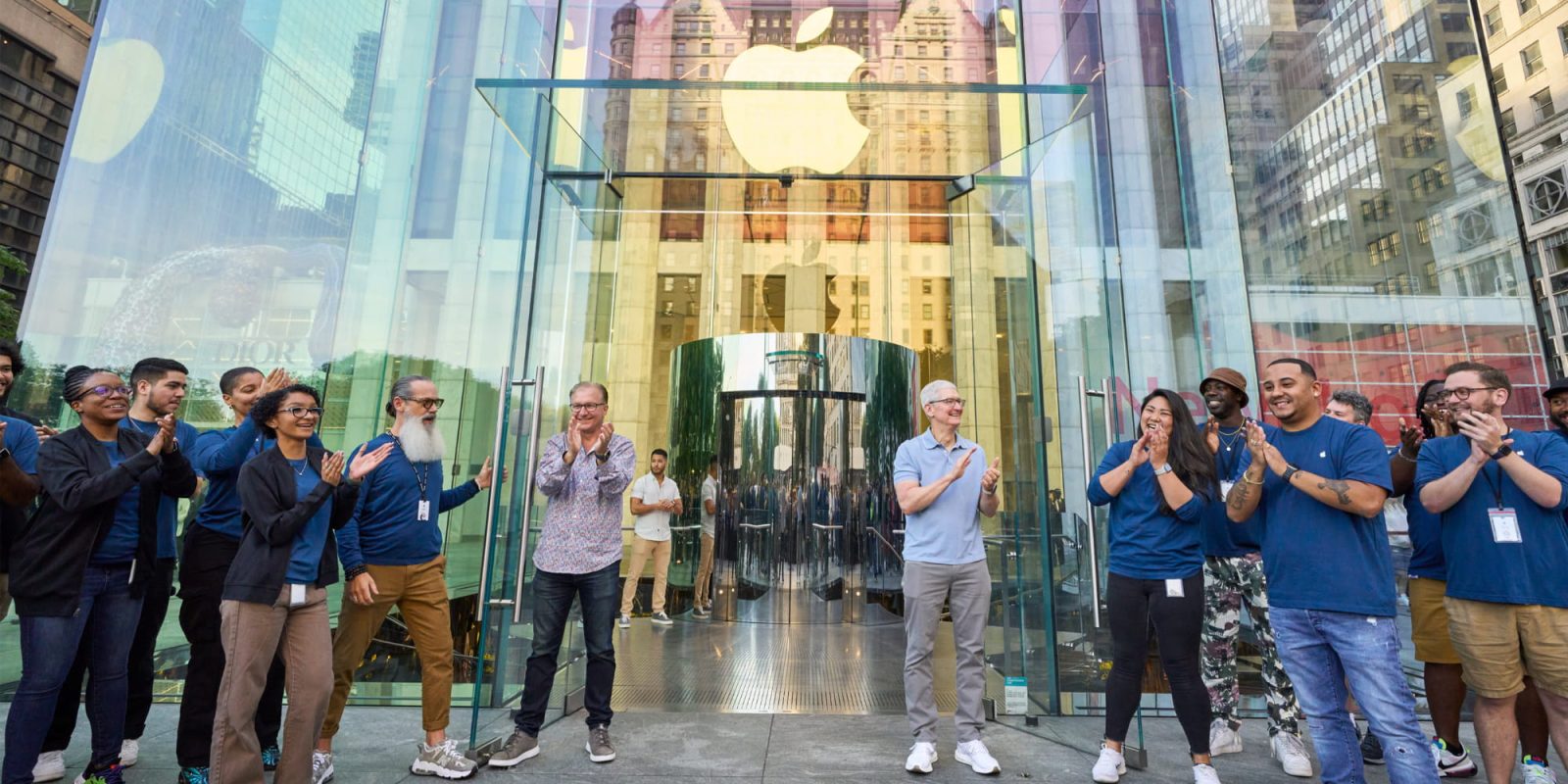
Furthermore, Apple’s retail strategy—the Apple Store—functions as more than just a place to buy goods. It serves as a service center (the Genius Bar) and a showroom for the brand, fostering a direct relationship with the consumer. By bypassing third-party retailers for much of its sales, Apple retains control over the brand image, the customer experience, and a larger portion of the retail margin.
The Role of Design-Led Engineering
At Apple, engineers and designers work in tandem rather than in silos. This design-led philosophy means that technical specifications are never considered in a vacuum; they are always developed in service of the user experience. This focus creates products that feel "magical" to the average consumer, justifying premium pricing that significantly exceeds the cost of goods sold (COGS). This ability to maintain premium pricing power, even during economic downturns, is a key element of the company’s sustained valuation.
Challenges to Future Growth
Despite its massive net worth, Apple faces significant hurdles that could impact its valuation. Antitrust scrutiny in the United States and the European Union threatens the business model of the App Store, which is a significant component of the Services revenue. If regulators force Apple to allow third-party app stores or alternative payment processors, the high margins currently enjoyed in the Services division could compress.
Additionally, as the smartphone market reaches global saturation, the company must find new "category-defining" products. While visionOS and the wearable segment are promising, they must achieve the same scale as the iPhone to move the needle for a company of Apple’s massive size.
Frequently Asked Questions
1. Does Apple's net worth fluctuate daily?
Yes. Because Apple is a publicly traded company on the NASDAQ under the ticker symbol AAPL, its "net worth," or market capitalization, fluctuates every second that the stock market is open. This is based on the real-time buying and selling activity of investors worldwide.
2. How does Apple maintain such high profit margins?
Apple maintains high margins through premium pricing, control over its supply chain, and the ability to design its own silicon, which reduces reliance on expensive third-party chip suppliers. The services business also provides high-margin revenue with very little incremental cost per new user.
3. What is the biggest threat to Apple’s valuation?
The most significant threat is regulatory pressure regarding its ecosystem control, specifically regarding the App Store. Other threats include potential supply chain disruptions, shifts in consumer spending habits, and the challenge of successfully launching new, high-growth hardware categories.
4. Is Apple’s cash hoard part of its net worth?
Yes, Apple’s cash and marketable securities are part of its assets. When investors determine the company's value, they consider this cash as a buffer that provides stability and allows the company to fund research, acquisitions, and dividends even during difficult economic cycles.
5. Why does Apple spend so much on stock buybacks?
Apple uses buybacks to return capital to shareholders and reduce the number of outstanding shares. By reducing the supply of shares, the company increases the earnings per share (EPS) for remaining shareholders, which often helps support the stock price.
Strategic Next Steps for Investors and Observers
For those monitoring Apple’s financial health, the most critical indicators to watch are not just the total units of iPhones sold, but the "Services" revenue growth and the average revenue per user (ARPU). As of 2026, the company’s ability to transition its existing user base toward higher-tier subscription services and integrated health solutions remains the primary indicator of its long-term financial trajectory.
Observers should pay close attention to the company's annual proxy statements and quarterly 10-Q filings, which provide the most granular view of how Apple is allocating capital toward emerging technologies like generative AI and augmented reality. These documents are the ultimate source of truth regarding the company’s financial health and strategic intent, providing a clearer picture than external market speculation.