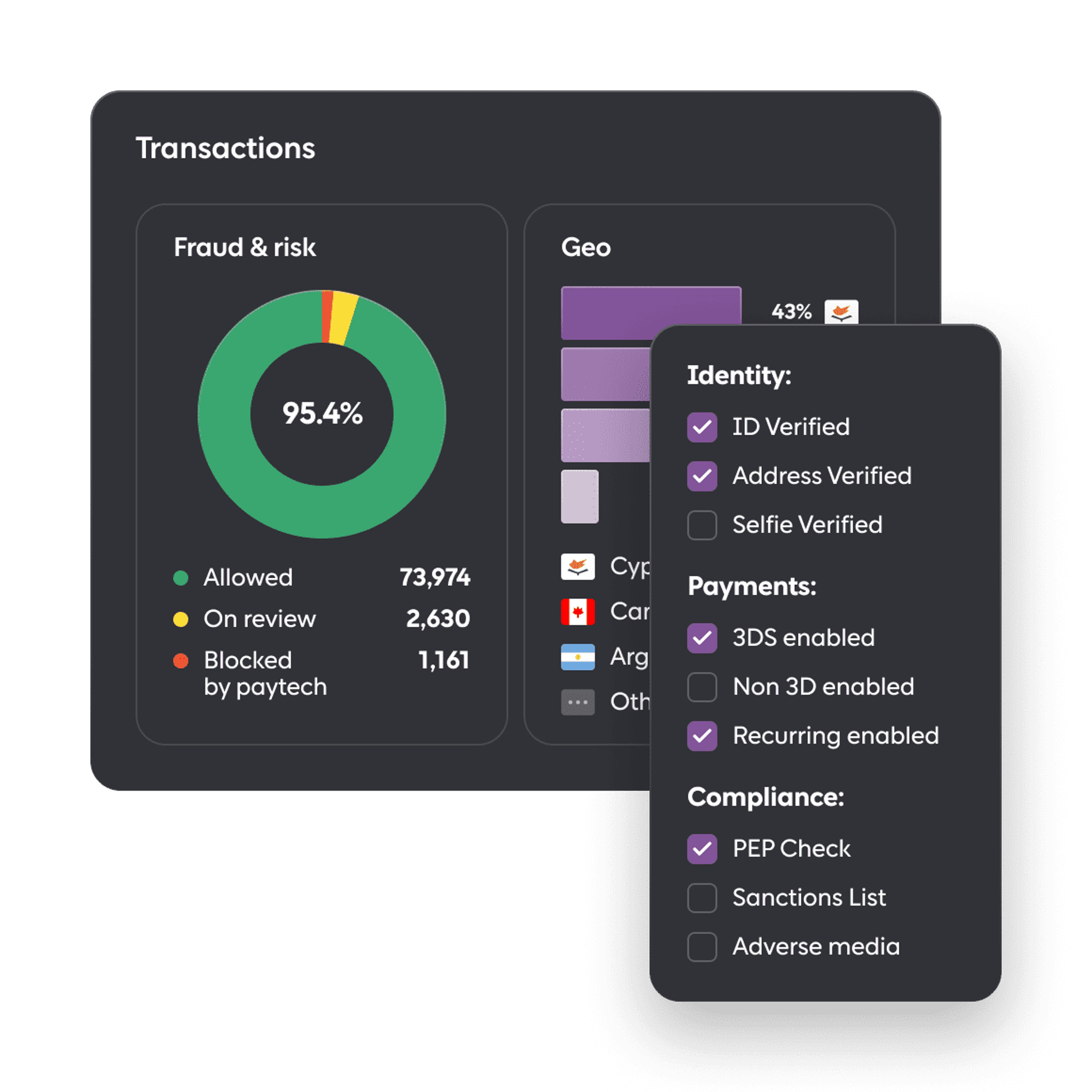
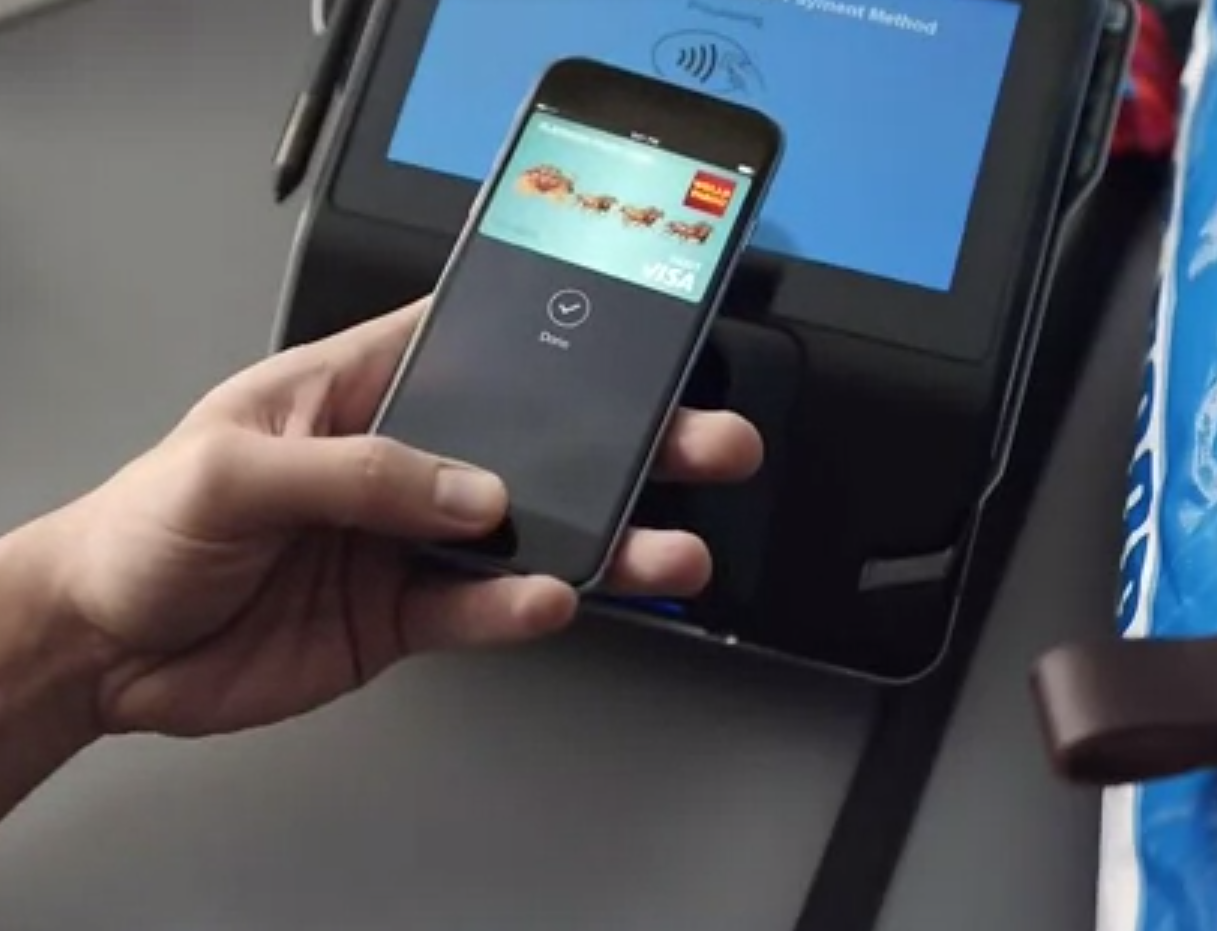
Apple Pay utilizes a multi-layered security architecture designed to tokenize transactions, verify identity through biometric authentication, and isolate payment credentials from merchant systems. While this approach significantly mitigates risks associated with traditional card-present and online fraud, it introduces unique vulnerabilities, particularly regarding account takeover, social engineering, and the shifting responsibilities of financial institutions in managing digital wallet authorization.
The Architecture of Apple Pay Security
Apple Pay operates on the fundamental principle of tokenization. When a user adds a credit or debit card to the Wallet app, the actual card number is not stored on the device or Apple’s servers. Instead, the payment network assigns a Device Account Number (DAN)—a unique token—which is encrypted and stored in the device's Secure Element, a dedicated, industry-standard chip designed to protect sensitive information.
Because the merchant only ever receives this token during a transaction, a data breach at the point of sale does not expose the customer's actual credit card number. This architecture effectively neutralizes the primary threat vector associated with traditional card skimming and database-wide card data theft. Beyond the hardware-level protection of the DAN, every transaction requires authorization via Face ID, Touch ID, or a device passcode. This ensures that even if a device is stolen, the physical hardware remains useless for payments without the owner’s biometric or pass-code credentials.
Impact on Fraud Prevention: Tangible Benefits
The transition from physical plastic cards to digital wallets like Apple Pay has forced a measurable shift in fraud patterns. By replacing static card information with dynamic, transaction-specific security codes (cryptograms), Apple Pay prevents the reuse of captured data. In a conventional e-commerce transaction, if a malicious actor intercepts a card number, they can reuse it indefinitely until the card is canceled. With Apple Pay, each tokenized transaction generates a unique cryptogram that is valid only for that specific interaction.
Furthermore, Apple Pay streamlines the verification process for financial institutions. During the provisioning stage, the user's bank verifies the identity of the person adding the card. This "Identity Verification" step—which often involves SMS codes, email authentication, or calls to the issuing bank—creates a hurdle for fraudsters attempting to load stolen card numbers onto unauthorized devices. Consequently, the reliance on device-bound biometrics provides a strong assertion of user presence, which is a significant deterrent against card-not-present (CNP) fraud.
Addressing Uncertainties and Residual Risks
Despite the robust security protocols, Apple Pay is not immune to fraudulent activity. The primary uncertainties surrounding its security model do not stem from weaknesses in the tokenization process itself, but rather from the human element and the procedures surrounding device provisioning.
Account Takeover and Provisioning Weaknesses
One of the most persistent concerns is the "provisioning" gap. While banks have sophisticated systems to detect fraud, attackers frequently leverage social engineering or stolen personal identifiable information (PII) to bypass bank-side identity checks during the card-addition phase. If a fraudster can successfully convince a bank’s automated verification system that they are the legitimate cardholder, the resulting Apple Pay token is considered "legitimate" by the system. In these instances, the fraud occurs before the digital wallet security features are even engaged.
Social Engineering and Authorization Bypass
The shift to biometric authentication creates a false sense of security for some users. Fraudsters have adapted by employing sophisticated social engineering tactics, such as "vishing" (voice phishing), where they pose as bank representatives to trick victims into revealing temporary one-time passwords (OTPs). These OTPs are often required to finalize the addition of a card to a new device. Once the device is linked to the victim’s account, the perpetrator can conduct transactions that are cryptographically "authorized" by the victim's own device credentials, making these transactions appear indistinguishable from legitimate ones to the card issuer.
Merchant-Side Limitations
While Apple Pay protects the card number, it does not guarantee the legitimacy of the merchant or the transaction itself. Users may still fall victim to "authorized push payments" or fraudulent merchant platforms that accept Apple Pay. In these scenarios, the security of the payment method is irrelevant because the user is knowingly initiating a transfer to a fraudulent entity. Apple Pay serves as the medium of transfer, but it cannot prevent a user from being coerced or deceived into authorizing a payment for goods or services that will never be delivered.
Comparison of Fraud Mitigation Strategies
The following table outlines how Apple Pay compares to traditional transaction methods in terms of vulnerability and mitigation.
| Threat Vector | Traditional Physical Card | Online Manual Entry | Apple Pay |
|---|---|---|---|
| Card Data Theft | High (Skimming/Cloning) | High (Database Breach) | Negligible (Tokenization) |
| Transaction Reuse | Possible (Static Data) | Possible (Static Data) | Impossible (Unique Cryptograms) |
| Authentication | Low (Signature/PIN) | Low (Static CVV) | High (Biometric/Passcode) |
| Liability | Often Bank-Covered | Often Bank-Covered | Shared (Context Dependent) |
| Social Engineering | Moderate | High | Moderate (Provisioning Risk) |
Procedural Challenges and Financial Accountability
For users and financial institutions, the question of liability remains a significant point of uncertainty. When a fraudulent transaction is processed through Apple Pay, the dispute process differs significantly from a traditional card dispute. Because Apple Pay transactions are cryptographically signed by the device, banks may initially categorize them as "authorized" because the user's own device was used.
Disputing these charges often requires evidence that the device itself was compromised or that the provisioning was fraudulent. For the average consumer, navigating these investigations can be more difficult than traditional credit card fraud reporting, as the burden of proof shifts toward demonstrating how the hardware-level security was circumvented.
Best Practices for Users and Organizations
To navigate these risks effectively, users should prioritize the following steps:
- Enable Two-Factor Authentication (2FA) on Apple ID: This prevents unauthorized access to the iCloud account, which can be used to manage devices and remotely wipe or compromise Apple Pay settings.
- Review Banking Alerts: Real-time push notifications for all transactions allow users to identify unauthorized activity immediately.
- Exercise Caution with OTPs: Never share temporary authorization codes or OTPs received via SMS or email with anyone, including those claiming to be from a bank.
- Physical Device Security: Since Apple Pay is tied to the physical device and its passcode, treating the device with the same care as a physical wallet is essential. If a device is lost, use the "Find My" feature to lock or erase the device, which immediately suspends all payment tokens associated with it.
Frequently Asked Questions
Does Apple Pay store my actual credit card number? No. Apple Pay uses a process called tokenization. Instead of your card number, a Device Account Number (DAN) is stored on the device's Secure Element. Your actual card details are never shared with merchants or stored on Apple servers.
Can a hacker scan my phone in a crowd to steal money? It is extremely unlikely. Apple Pay requires active user authentication (Face ID, Touch ID, or passcode) to initiate a payment. Furthermore, the NFC signals required for Apple Pay have a very short range, making "remote scanning" practically impossible.
Who is responsible if my Apple Pay account is hacked? Liability varies by jurisdiction and the specific terms of your financial institution. Generally, if you report unauthorized activity promptly, federal consumer protections often limit your liability, but the investigation process for digital wallet fraud is more complex than for traditional card fraud.
Is it safer to use Apple Pay than a physical card? Yes. From a technical standpoint, Apple Pay is superior because it mitigates the risk of card data being stolen at a merchant terminal. The primary risk shifts from data interception to social engineering, where an attacker tries to compromise your credentials or device access.
What should I do if my iPhone is stolen? Immediately use the "Find My" app or service from another device to put your phone in "Lost Mode." This suspends Apple Pay functionality on that device. You should also contact your bank to pause or delete the digital tokens assigned to that specific device.
Final Recommendations
While Apple Pay provides a significant upgrade over the security of magnetic stripe or static chip cards, it is not a "set-it-and-forget-it" security solution. The shift in fraud prevention has moved from protecting card numbers to protecting the digital identity and authentication factors that unlock the wallet. Users must remain vigilant against social engineering and ensure that their account recovery methods, such as secondary email addresses and trusted phone numbers, are as secure as their physical devices. For the most comprehensive protection, combine the hardware security of Apple Pay with consistent monitoring of your banking statements and maintain strong, unique credentials for all financial portals.