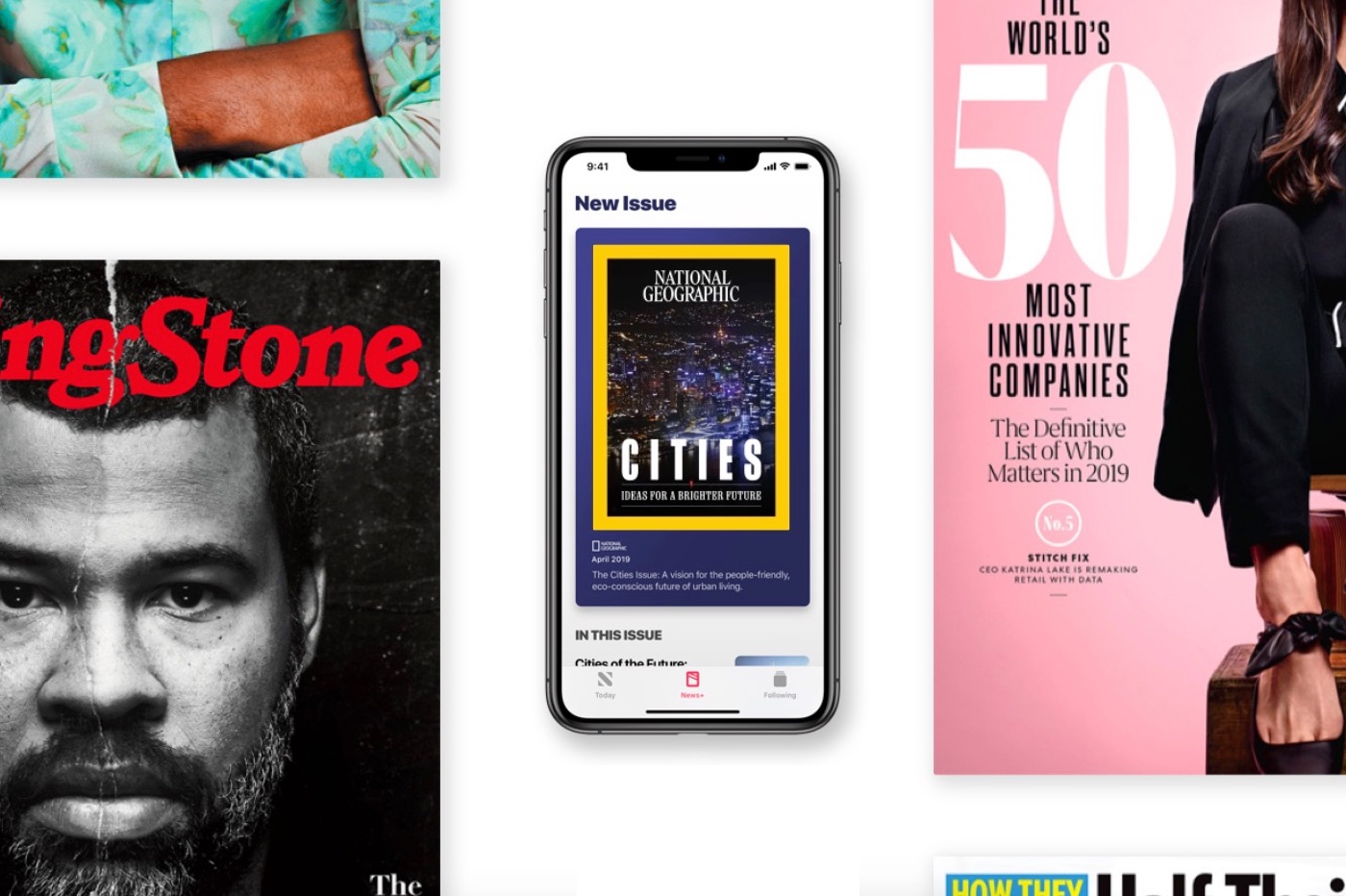
The perception that Apple News is biased in its coverage typically stems from the platform’s unique integration of human editors and machine learning algorithms. While Apple maintains that its editorial team curates top stories to provide diverse, reliable perspectives, the personalized nature of the "For You" feed often creates a digital environment that aligns with user history, leading to accusations of echo-chamber reinforcement.
The Architecture of Apple News Curation
To understand why users might perceive bias, one must first distinguish between the two primary ways Apple News delivers content: human-curated editorial feeds and algorithmic personalization.
Human Editorial Oversight
Apple News employs a dedicated team of human editors who curate the "Today" and "Following" tabs. Apple has historically stated that these editors are tasked with selecting stories from a broad range of reputable publishers. The stated objective is to highlight high-quality journalism, breaking news, and investigative pieces that provide public value. However, the selection process—which stories make the top of the feed and which are pushed to the background—is inherently subjective. When an editor selects one outlet's perspective over another to occupy the prime real estate of the app, users may interpret that editorial choice as an intentional bias.
Algorithmic Personalization
The "For You" feed operates on a different logic. It tracks reading habits, publishers followed, and engagement metrics to build a profile of user interests. If a user consistently consumes articles from one side of the political spectrum, the algorithm is designed to surface similar content to increase user retention. This creates a feedback loop where the software effectively "learns" a user's biases and mirrors them back, potentially shielding the reader from challenging or diverse viewpoints.
Identifying Potential Sources of Perceived Bias
Bias in a digital news aggregator is rarely a simple case of "liberal" or "conservative" censorship; it is often a confluence of design choices and data inputs.
1. Data-Driven Feedback Loops
The primary driver of the "bias" experience is the optimization for engagement. Algorithms prioritize clicks and reading time. If sensationalist or emotionally charged content generates higher engagement, the system naturally pushes that content to the top. Users who perceive this as bias are often encountering the consequence of an engagement-based model that prioritizes intensity over neutrality.
2. Publisher Selection and Partner Tiers
Apple News works with a specific set of publishers. While this prevents the platform from being flooded with low-quality "junk" sites, it also creates a closed ecosystem. If a user believes the approved partner list is dominated by traditional legacy media organizations or specific corporate conglomerates, they may perceive the entire platform as being aligned with the institutional values of those entities.
3. Localization and Contextual Framing
News, by its nature, is rarely objective. A story covered by a regional publication in the United States may have a vastly different tone than the same story covered by an international outlet. When Apple News aggregates these, the order and context in which they appear can influence how a user perceives the veracity or fairness of the coverage.
Comparing Apple News to Alternative Consumption Models
Understanding whether the perceived bias is unique to Apple News requires comparing it to how other platforms operate.
| Platform Type | Primary Content Driver | User Control Over Feed | Transparency Level |
|---|---|---|---|
| Apple News | Human/Algo Hybrid | Moderate (Follow/Block) | Low |
| RSS Readers | Chronological | High (User-curated) | High |
| Search Engines | Query-based | Low | Moderate |
| Social Media | Viral/Engagement | Low | Very Low |
Unlike RSS readers, which give the user complete autonomy, or social media feeds that rely heavily on peer-to-peer sharing, Apple News occupies a middle ground that makes it harder to diagnose where the "bias" originates—from the human editor's desk, the algorithm's code, or the user's own reading history.
How to Audit and Adjust Your News Feed
If you feel your Apple News feed is providing a biased or narrow view of the world, you are not powerless. The application provides tools to break out of the algorithmic echo chamber.
Step 1: Manage Your "Following" Tab
Regularly audit the publishers you follow. If you notice that your feed is dominated by a specific viewpoint, intentionally search for and follow high-quality, reputable publishers with different editorial stances. By diversifying the sources you explicitly "follow," you provide the algorithm with more diverse data points.
Step 2: Use the "Block" Feature
If a specific publication frequently features content you find factually inaccurate or improperly biased, you can block that channel. Open the article, tap the "More" button (represented by three dots), and select "Block Channel." This is an effective way to filter out sources that contribute to a negative user experience.
Step 3: Curate via the "Suggest Less" Option
Similar to blocking, you can tap "Suggest Less Like This" on individual stories that seem to reflect a bias you wish to avoid. This directly signals to the personalization engine that your preferences have shifted, encouraging it to explore different topics or perspectives.
Step 4: Rely on the "Today" Tab for General News
The "Today" tab is less sensitive to your personal history than the "For You" tab. While it remains subject to human editorial choices, it is generally intended to be a wider-ranging overview of the day’s most important stories. If you find your personal feed to be too narrow, pivot your daily routine toward the "Today" tab as your primary touchpoint.
The Limits of Algorithmic Neutrality
It is a common misconception that an algorithm can be "neutral." Every piece of software designed to display information requires a set of parameters for what constitutes "important" or "relevant" content.
In the context of 2026, the technology behind Apple News remains focused on balancing personalization with reliability. However, users should acknowledge that no aggregator can perfectly balance all perspectives. True objectivity is impossible in journalism because the act of selecting which stories to cover—and which to ignore—is, by definition, a decision-making process influenced by the values of the organization.
When investigating whether Apple News is biased, consider these factors:
- The "Importance" Metric: Does the app prioritize breaking news over long-form analysis?
- The "Reputable Source" Threshold: What criteria does Apple use to include or exclude a news outlet?
- Regionality: Is the news being presented through a Western, domestic, or international lens?
Frequently Asked Questions
Is there a way to turn off algorithmic personalization entirely in Apple News?
No. Apple News is fundamentally built on personalization technology. While you can influence the algorithm through the steps mentioned above, you cannot toggle it off to view a purely chronological feed.
Does Apple News promote specific political agendas?
Apple has consistently maintained that its editorial decisions are made to uphold journalistic integrity rather than political agendas. Claims of political bias are usually subjective, reflecting the user's personal political spectrum. There is no public evidence of a mandate to promote one political ideology over another.
Why do I see the same stories repeatedly?
This is often a result of the algorithm identifying a topic as high-interest for you. If you click on several articles regarding a specific event, the system assumes you want deep coverage and will surface every related update, even if it feels repetitive. You can mitigate this by choosing to "Suggest Less" on redundant updates.
Can I trust the "Top Stories" section to be neutral?
"Neutrality" is subjective. You can trust the "Top Stories" section to represent what a team of human editors—working for a large corporate entity—considers to be the most significant news of the day. It is an editorial reflection, not a mathematical absolute.
Does paying for Apple News+ change the bias of the feed?
No. A subscription to Apple News+ grants you access to premium journals and magazines that are behind paywalls. While it adds more content to the pool from which your feed is generated, it does not alter the underlying algorithm or the editorial principles guiding the app.
Next Actions for the Discerning Reader
If you find that your news experience remains unsatisfactory, the most practical step is to adopt a multi-platform strategy. Relying on a single aggregator for all your information makes you dependent on that platform's editorial and algorithmic choices.
Use Apple News for discovery, but supplement it by visiting the websites of publishers you trust directly. Consider using a dedicated RSS reader or a neutral, third-party news analysis tool to gain a broader perspective on issues you care about. By diversifying your sources, you regain control over your news consumption, ensuring that you are informed by a variety of viewpoints rather than a single digital filter.