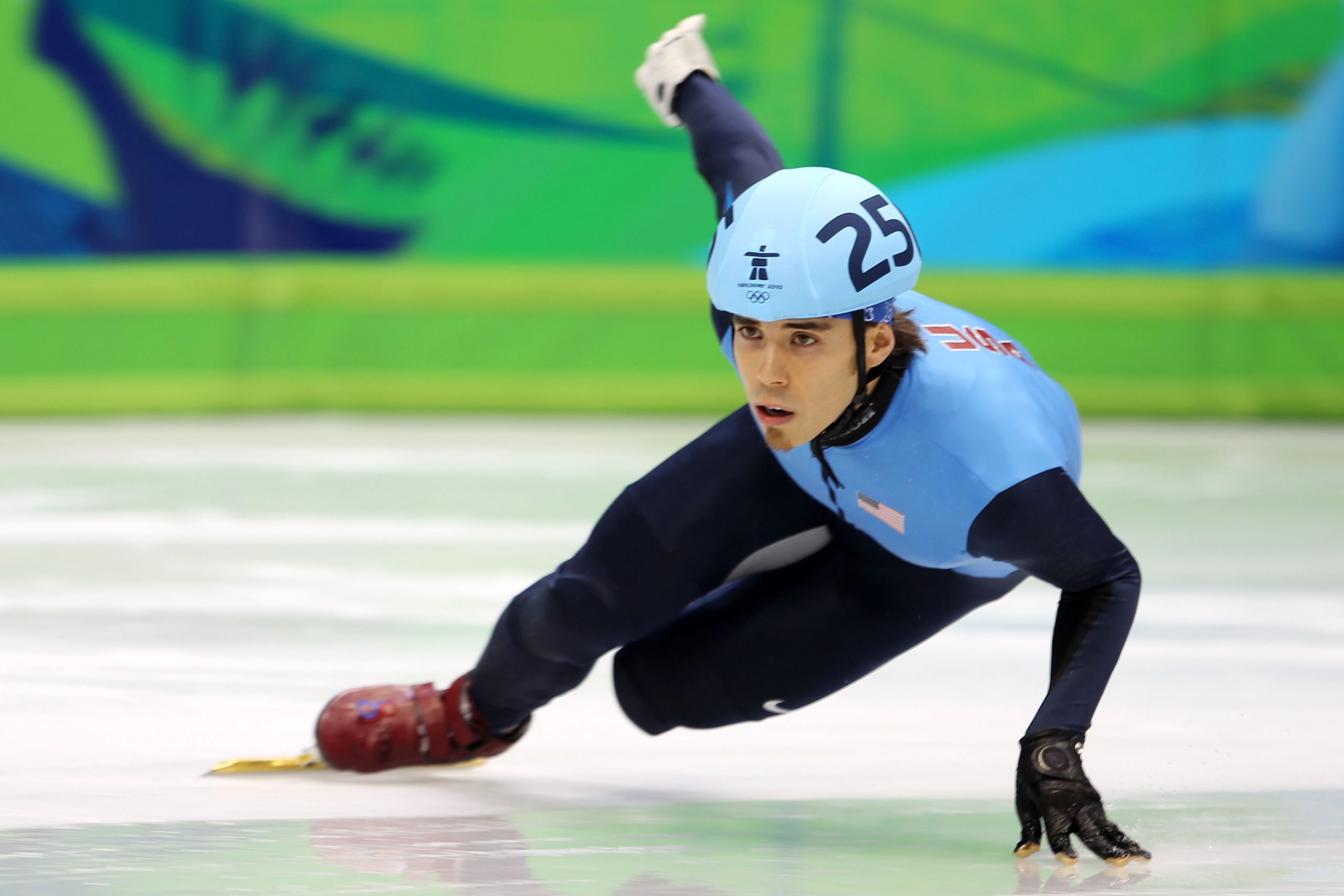
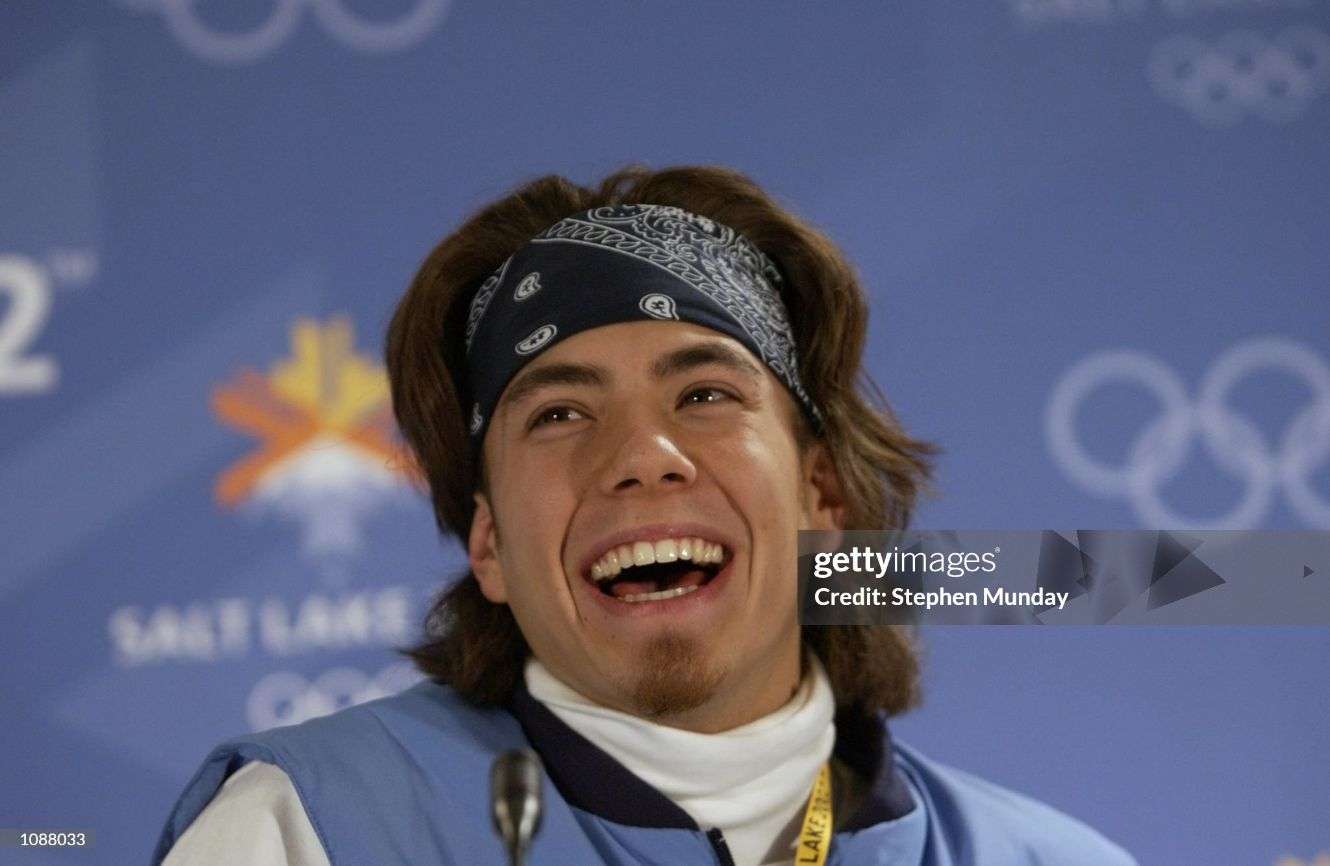
Apolo Anton Ohno has an estimated net worth of $10 million to $14 million. As the most decorated American Winter Olympian in history prior to his retirement, Ohno built his wealth through a combination of Olympic prize bonuses, multi-million-dollar corporate endorsement deals, television hosting and reality competition appearances, executive public speaking fees, and venture capital investments.
| Category | Details |
|---|---|
| Estimated Net Worth | $10 Million – $14 Million |
| Primary Skill Base | Short Track Speed Skating |
| Olympic Medals | 8 (2 Gold, 2 Silver, 4 Bronze) |
| Peak Endorsements | Nike, Coca-Cola, Subway, Omega |
| Post-Sports Focus | Venture Capital, Media, Keynotes |
Disclaimer: Net worth figures are estimates calculated using public financial disclosures, endorsement reporting, contract details, and industry valuation metrics. They do not constitute official tax records or personal financial advice.
Breakdown of Apolo Ohno’s Financial Profile
Unlike professional athletes in major league team sports who receive guaranteed multi-year contracts, Olympic athletes in niche disciplines like short-track speed skating rely heavily on performance incentives, corporate sponsorships, and post-competition commercial opportunities. Ohno successfully leveraged his eight Olympic medals across three Winter Games (2002 Salt Lake City, 2006 Turin, and 2010 Vancouver) to build a multi-faceted financial portfolio that extended far beyond his competitive career.
| Revenue Category | Primary Drivers & Key Partners | Financial Scale & Impact |
|---|---|---|
| Olympic Competition | USOPC Medal Bonuses, US Speedskating grants | $250,000+ direct performance payouts |
| Corporate Endorsements | Nike, Coca-Cola, General Mills, Subway, Omega, Alaska Airlines | $2M – $4M annually during peak Olympic cycles |
| Television & Media | Dancing with the Stars, Minute to Win It (GSN), NBC Sports Commentary | $500,000+ per major television contract |
| Public Speaking | Executive keynotes on resilience, performance, and adaptability | $30,000 – $50,000 per speaking engagement |
| Venture Capital & Business | Altius Performance Labs, digital health startups, tech investments | Significant private equity equity stake |
Athletic Earnings and Corporate Endorsement Portfolio
Short-track speed skating is not inherently a high-salary sport. National governing bodies such as US Speedskating provide stipends and training support to national team members, but direct competition income remains modest compared to mainstream professional sports.
Olympic Medal Payouts
The United States Olympic & Paralympic Committee (USOPC) awards monetary bonuses to American athletes who win medals through its "Operation Gold" program. During Ohno's active competition years, standard payouts were:
- Gold Medal: $25,000
- Silver Medal: $15,000
- Bronze Medal: $10,000
Across his eight career Olympic medals (two Gold, two Silver, and four Bronze), Ohno’s direct USOPC medal bonuses totaled $130,000. While these bonuses provided financial validation for years of training, they represented only a fraction of his total earning capacity during his athletic prime.
Commercial Sponsorships and Peak Endorsement Earning Years
Ohno's true financial breakthrough came from his marketability. His charismatic presence, distinctive look, and sustained dominance on the ice made him one of the most commercially viable winter sports figures in American history. Between 2002 and 2010, corporate brands signed Ohno to lucrative multi-year promotional contracts:
- Nike: Ohno was a signature Winter Olympic athlete for Nike, featuring prominently in global marketing campaigns across multiple Olympic cycles.
- General Mills: Following his breakout performances, Ohno appeared on the iconic Wheaties cereal box, a coveted mark of commercial success for American athletes.
- Coca-Cola & Subway: Ohno served as a brand ambassador for major national food and beverage chains, appearing in nationwide commercial spots, print advertisements, and point-of-sale marketing.
- Omega Watches: The luxury Swiss watchmaker signed Ohno as an official brand ambassador, highlighting his precision and timing in short-track racing.
- Alaska Airlines & Hershey's: Additional regional and national partnerships expanded his income during non-Olympic competition years.
At the peak of his competitive career surrounding the 2006 Turin and 2010 Vancouver Games, financial analysts estimated Ohno’s endorsement portfolio generated between $2 million and $4 million annually, placing him among the highest-paid Winter Olympians globally.
Entertainment, Broadcasting, and Book Publishing Income
Transitioning from active competition to commercial media is a hurdle for many Olympic athletes. Ohno successfully crossed over into mainstream entertainment, establishing a continuous income stream that sustained his net worth after retiring from elite sport in 2010.
- Apolo Ohno Media & Entertainment
- Reality Television
- DWTS S4 Winner (2007)
- DWTS All-Stars (2012)
- Host, Minute to Win It
- Broadcast Journalism
- NBC Sports Analyst (Sochi, PyeongChang, Beijing Games)
- Books & Keynotes
- Zero Regrets (2010)
- Hard Pivot (2022)
- Keynote Engagements
- Reality Television
Reality Television and Hosting Contracts
In 2007, Ohno participated in Season 4 of ABC’s hit reality competition show Dancing with the Stars. Paired with professional dancer Julianne Hough, Ohno won the competition. The victory introduced him to a broad television audience beyond sports fans.
Participants on Dancing with the Stars receive a tiered compensation structure, earning a base appearance fee with incremental bonuses for each week they advance in the competition. Finalists and winners during that era typically earned upwards of $250,000 to $345,000 for a single season. Ohno returned for Season 15 (Dancing with the Stars: All-Stars) in 2012, commanding a premium appearance fee.
In 2013, Ohno was named the host of the Game Show Network (GSN) revival of Minute to Win It, completing 40 episodes. Game show hosting contracts for recognized personalities generally pay tens of thousands of dollars per episode, providing a stable commercial baseline during his post-skating transition.
Broadcast Journalism with NBC Sports
Ohno maintained his presence in the Olympic movement by joining NBC Sports as an analyst and contributor for winter sports coverage. He provided expert commentary and studio analysis during the 2014 Sochi Winter Olympics, the 2018 PyeongChang Winter Olympics, and the 2022 Beijing Winter Olympics. Broadcast talent contracts for high-profile Olympic commentators offer substantial compensation for short-term, high-intensity coverage schedules.
Authorship and Executive Keynote Speaking
Ohno expanded his personal brand into business and self-improvement publishing with two notable books:
- Zero Regrets: Be Greater Than Yesterday (2010): A memoir chronicling his upbringing, relationship with his father Yuki Ohno, and elite training mindset. The book became a New York Times bestseller.
- Hard Pivot: Embrace Change, Find Purpose, and Show Up Fully (2022): Focused on personal transformation, overcoming identity crises after career changes, and mental agility in business.
As a sought-after corporate speaker, Ohno commands fees between $30,000 and $50,000 per event. Corporations, trade associations, and financial institutions regularly hire him to address leadership teams on peak performance, psychological resilience, and navigating organizational transitions.
Business Ventures, Venture Capital, and Investments
Following his athletic retirement, Ohno pursued formal executive education, completing business programs at institutional centers such as the Wharton School of the University of Pennsylvania. He redirected his capital away from passive holdings toward active venture investments and entrepreneurial founding roles.
| Category | Focus Area |
|---|---|
| Health & Wellness | Altius Performance Labs, Biohack |
| Venture Capital | Early-Stage Tech, Consumer Brands |
| Emerging Tech | Blockchain Advisory, Digital Assets |
| Real Estate | Residential & Commercial Holdings |
Health, Wellness, and Supplements
Drawing on his background in elite physical conditioning, Ohno co-founded and invested in several health, wellness, and performance companies. Notably, he co-founded Altius Performance Labs, developing brain-health supplements and functional nutrition products designed for focus and physical recovery. The health and supplement sector has provided Ohno with operational equity positions rather than mere spokesperson fees.
Venture Capital and Technology Investments
Ohno established himself as an active angel investor and venture partner, deploying capital into early-stage technology companies, consumer goods, and digital infrastructure. By taking seed and Series A equity positions, Ohno diversified his wealth into high-upside financial vehicles.
His investment interests extend into fintech and emerging tech:
- Blockchain and Digital Assets: Ohno entered the cryptocurrency and blockchain ecosystem early as an advisor and investor. He co-founded and advised tech entities such as Hybrid Block, a platform designed to simplify digital asset education and trading. While digital asset markets carry high volatility, early stage allocations in blockchain infrastructure contributed to his dynamic investment portfolio during tech market expansions.
- Syndicate Investing: Ohno regularly collaborates with venture syndicates in Silicon Valley, Southern California, and the Pacific Northwest, investing in scalable business software, health technology, and consumer wellness platforms.
Real Estate Holdings
To balance the risk profile of venture investments, Ohno allocated a portion of his athletic and media earnings into real estate. Public records indicate property acquisitions in his home state of Washington as well as Southern California. Strategic real estate investments provide passive rental yield and asset appreciation, serving as a core foundation for long-term capital preservation.
Challenges and Financial Lessons from Ohno’s Transition
Ohno's post-Olympic career offers a case study in how elite athletes can avoid the financial pitfalls that frequently affect professional sports figures upon retirement.
| Common Pitfall | Ohno's Strategy |
|---|---|
| Income cliff post-retirement | Diversified media & host |
| Single-skill identity crisis | Executive education |
| Concentrated asset risk | Venture + Real estate |
| Reliance on sports stipends | Corporate keynotes |
Navigating the "Identity Cliff"
In his book Hard Pivot, Ohno explicitly addresses the psychological and financial shock athletes experience when their competitive careers end. For Olympic athletes, the drop in income between Olympic years and non-Olympic years can be severe. Ohno mitigated this risk by:
- Establishing multi-year sponsorship agreements that extended beyond active competition dates.
- Investing time during his peak years into media training to build a long-term television career.
- Acquiring formal business skills to participate directly in executive decision-making rather than relying solely on talent agencies.
Balancing Risk in Emerging Markets
Ohno’s participation in early-stage tech ventures and digital assets highlights the importance of asset allocation. High-risk investments (such as early-stage tech startups and cryptocurrency platforms) offer substantial upside potential but carry operational and market risks. By maintaining stable revenues from corporate speaking, media commentary, and income-generating real estate, Ohno structured his overall portfolio to absorb potential downside volatility in individual venture deals.
Frequently Asked Questions
What is Apolo Ohno's current net worth?
Apolo Ohno’s net worth is estimated to be between $10 million and $14 million. His wealth stems from Olympic performance bonuses, major corporate endorsements, reality television earnings, keynote speaking fees, and private venture capital investments.
How many Olympic medals has Apolo Ohno won?
Apolo Ohno won 8 Olympic medals in short-track speed skating across three Winter Olympic Games (Salt Lake City 2002, Turin 2006, and Vancouver 2010). His medal count includes 2 Gold, 2 Silver, and 4 Bronze.
How much money do speed skaters make in the Olympics?
US Olympic speed skaters receive stipends from US Speedskating and medal bonuses from the USOPC through the Operation Gold program (typically $37,500 for Gold, $22,500 for Silver, and $15,000 for Bronze under current pay structures). Elite skaters like Ohno generate the vast majority of their income through corporate sponsorships, product endorsements, and post-athletic media deals.
How much did Apolo Ohno make on Dancing with the Stars?
While exact individual contracts are confidential, contestants who reach the final rounds of Dancing with the Stars typically earn between $250,000 and $345,000 per season, including base appearance fees and performance progression bonuses. Ohno won Season 4 in 2007 and returned for the All-Stars season in 2012.
What businesses does Apolo Ohno own or invest in?
Ohno is a co-founder of Altius Performance Labs (a health and wellness supplement company) and has served as an advisor and investor for various technology, fintech, and digital asset ventures. He also operates an executive consulting and keynote speaking practice.
Actionable Strategy for Managing Career Transitions
Apolo Ohno’s financial journey illustrates how high performers can leverage temporary visibility to create permanent financial security. Individuals undergoing major career transitions can apply several core principles from his trajectory:
- Build Parallel Income Streams Before Retiring: Ohno developed his broadcasting skills, public speaking presence, and media footprint while still an active athlete, avoiding a zero-income gap when he retired from speed skating.
- Invest in Adaptable Skills: Transitioning from athletics to venture capital required formal study and mentorship. Upskilling through executive education programs allows professionals to change industries effectively.
- Balance High-Risk and Low-Risk Assets: Combining stable investments (such as real estate and fixed commercial income) with speculative opportunities (such as venture capital startups) helps preserve baseline capital while maintaining exposure to upside growth.