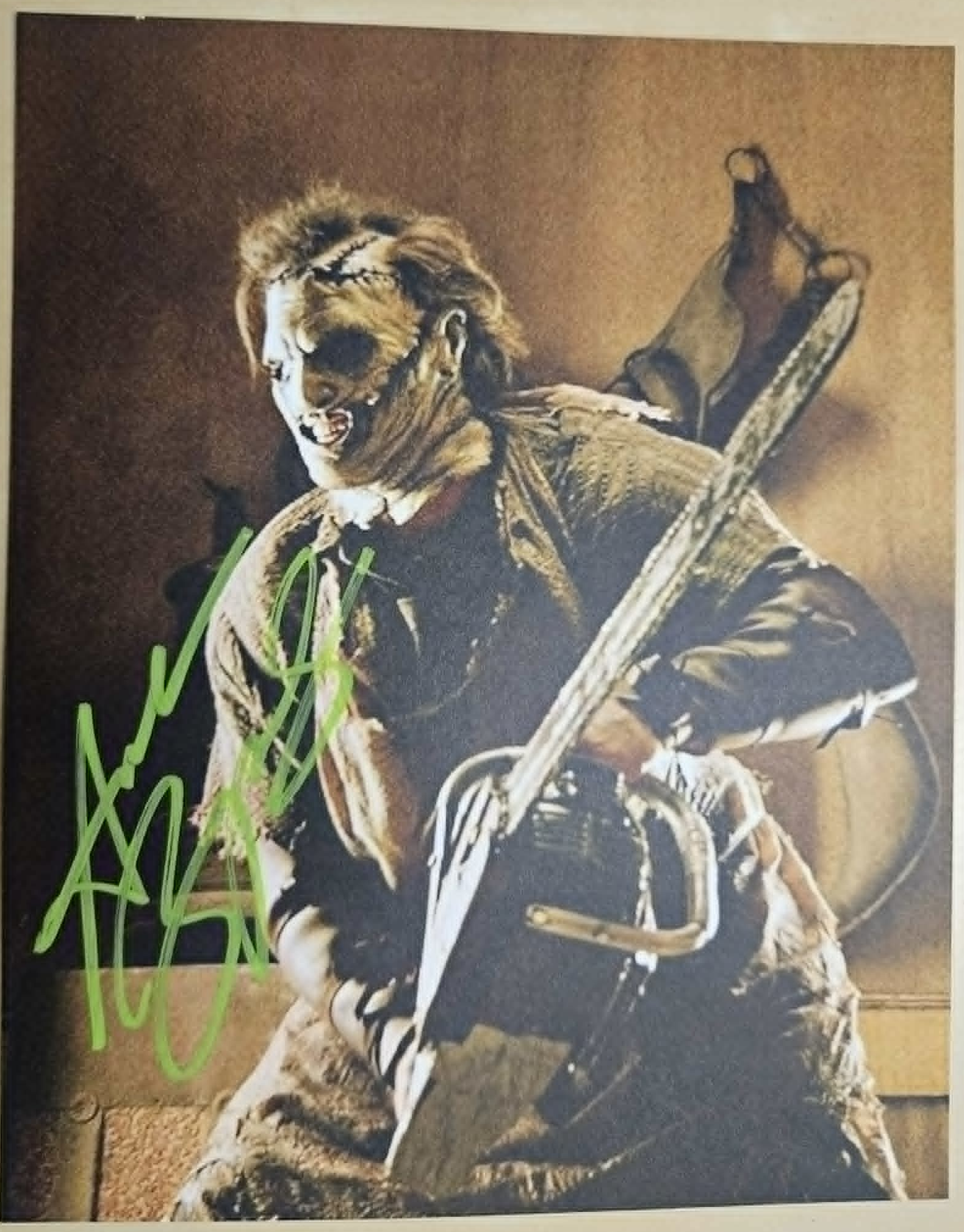
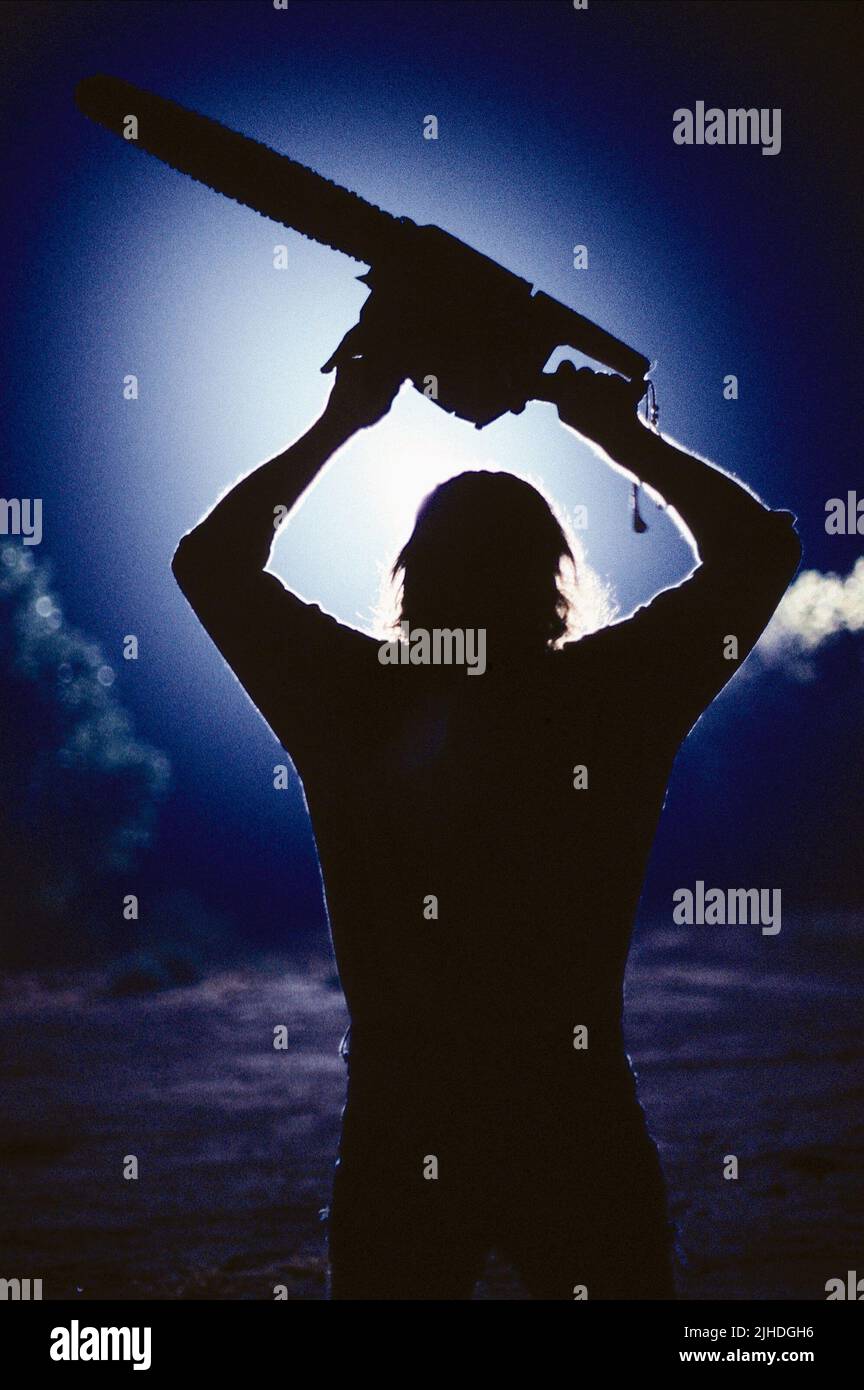
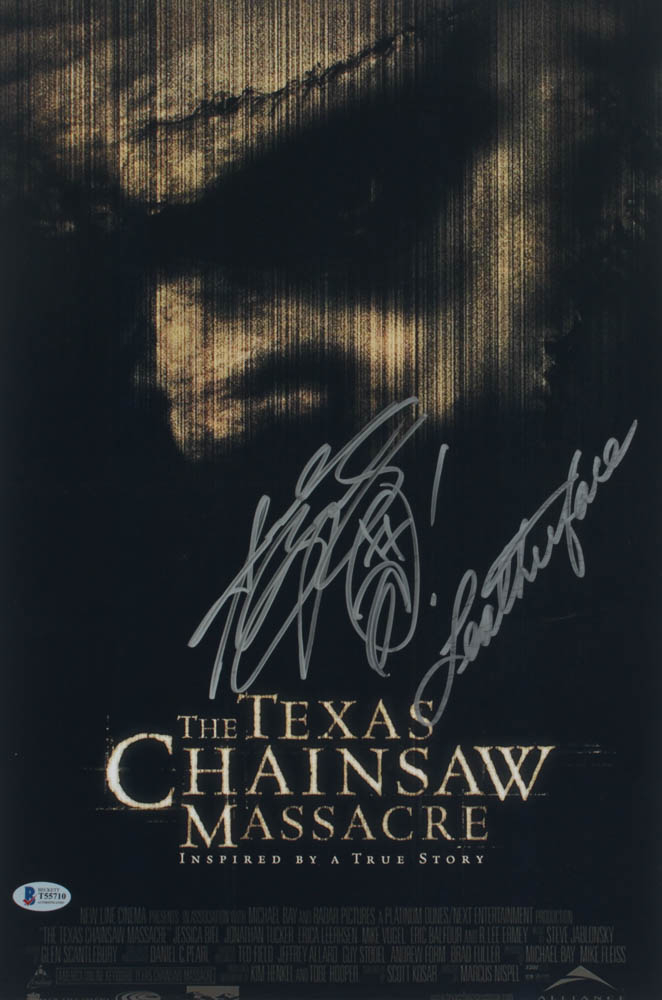
Andrew Bryniarski played the iconic role of Leatherface, known in this timeline as Thomas Brown Hewitt, in two specific films: the 2003 remake The Texas Chainsaw Massacre and its 2006 prequel, The Texas Chainsaw Massacre: The Beginning. He was the first actor to portray the character in more than one franchise installment.
The portrayal of Leatherface by Andrew Bryniarski represents a pivotal shift in the Texas Chainsaw Massacre (TCM) franchise. Prior to the early 2000s, the series had languished in a state of narrative confusion with various sequels and "soft reboots" that failed to capture the raw terror of Tobe Hooper’s 1974 original. When Platinum Dunes, Michael Bay’s production company, decided to reboot the series, they sought a physical presence that would redefine the slasher icon for a new generation. Standing at 6'5" and possessing a background in bodybuilding, Andrew Bryniarski became the definitive face—or mask—of this era.
As of 2026, these two films remain highly regarded by horror enthusiasts for their high production values, unrelenting brutality, and Bryniarski’s physically demanding performance. This guide explores the details of his involvement, the narrative context of the Hewitt family, and the technical aspects of these productions.
The 2003 Remake: The Texas Chainsaw Massacre
Released in October 2003, The Texas Chainsaw Massacre served as a modern reimagining of the classic story. Directed by Marcus Nispel and cinematography by Daniel Pearl (who also shot the 1974 original), the film replaced the "Sawyer" family of the original films with the "Hewitt" family.
Casting and Physical Presence
Andrew Bryniarski was not the first person cast for the role. Initially, a different actor was hired, but during the early stages of production, the producers realized they needed someone with a more imposing and natural physical stature. Bryniarski, who had previously worked with Michael Bay on Pearl Harbor, reportedly approached the producers and lobbied for the role, claiming he was "born to play it."
His portrayal brought a level of sheer power to Leatherface that hadn't been seen before. Unlike Gunnar Hansen’s original portrayal, which featured a character who was somewhat mentally childlike and fearful of his own family, Bryniarski’s Thomas Hewitt was an unstoppable force of nature. He utilized his massive frame to convey a character that was not just a tool for his family, but a highly efficient, albeit deformed, predator.
The Character of Thomas Brown Hewitt
In this iteration, the character’s backstory was grounded in a tragic, albeit gruesome, medical condition. Thomas was born in a slaughterhouse and suffered from a facial skin disease (later identified by fans and expanded media as a form of pemphigoid) that left him disfigured. This provided a "reason" for his mask-wearing—initially a small leather piece to hide his nose, eventually evolving into the full-face masks made of human skin. This grounded approach was a hallmark of the 2003 film, aiming for a "gritty realism" that defined early 2000s horror.
Impact on the Franchise
The 2003 film was a massive commercial success, grossing over $107 million worldwide against a $9 million budget. It proved that the "slasher" genre could be revitalized with high-end cinematography and a focus on atmosphere. For Bryniarski, it solidified his status as a horror icon. His performance was characterized by a specific gait and a way of wielding the chainsaw that felt heavy and dangerous, rather than theatrical.
The 2006 Prequel: The Texas Chainsaw Massacre: The Beginning
Following the success of the 2003 film, New Line Cinema and Platinum Dunes decided to explore the origins of the Hewitt family. Andrew Bryniarski returned to the role in The Texas Chainsaw Massacre: The Beginning, released in 2006. This made him the only actor to play Leatherface in two consecutive films within the same continuity at that point in history.
Expanding the Origin Story
Directed by Jonathan Liebesman, The Beginning takes place in 1969, three years before the events of the 2003 film. It explores how Thomas Hewitt was fired from the local slaughterhouse when it shut down and how the Hewitt family, led by the sadistic Sheriff Hoyt (R. Lee Ermey), took over the town of Fuller, Texas.
Bryniarski had the opportunity to show a slightly more "human" side of Thomas before he fully transitioned into the legendary killer. The film depicts his first human kill and the moment he constructs his first full mask of human skin. The brutality in this film was significantly ramped up compared to its predecessor, leaning into the "gore-hound" aesthetic that was prevalent in the mid-2000s.
Technical Performance and Stunts
The 2006 production was notoriously difficult. Filming in the Texas heat while wearing a heavy leather apron, prosthetic masks, and carrying a functional (though chainless) McCulloch chainsaw was physically draining. Bryniarski performed many of his own stunts, adding a level of authenticity to the chase sequences. His chemistry with R. Lee Ermey was a highlight; the dynamic between the silent, obedient Thomas and the vocal, abusive Hoyt created a unique psychological layer to the horror.
Comparison of Andrew Bryniarski’s Texas Chainsaw Films
The following table highlights the key differences and technical specifications of the two films in which Andrew Bryniarski portrayed Leatherface.
| Feature | The Texas Chainsaw Massacre (2003) | TCM: The Beginning (2006) |
|---|---|---|
| Director | Marcus Nispel | Jonathan Liebesman |
| Setting Year | 1973 | 1969 |
| Primary Antagonist | Thomas Hewitt / Sheriff Hoyt | Thomas Hewitt / Sheriff Hoyt |
| Body Count | 8 | 11 |
| Run Time | 98 Minutes | 91 Minutes |
| Box Office | $107.4 Million | $51.8 Million |
| Tone | Atmospheric, Suspenseful | Brutal, Gore-focused |
| Leatherface Persona | Established, Methodical | Emerging, Emotional |
The Hewitt Family Context
To understand Bryniarski’s role, one must understand the environment of the Hewitt family. Unlike the original Sawyer family, which was characterized by chaotic energy and dark comedy, the Hewitts were depicted as a more organized, yet equally depraved, unit.
- Luda Mae Hewitt: The matriarch who provided a twisted sense of domestic "normalcy."
- Charlie Hewitt Jr. (Sheriff Hoyt): Played by the late R. Lee Ermey, Hoyt was the true mastermind. He used his position as a "lawman" to lure victims to the house.
- Old Monty: Thomas’s uncle, whose legs are eventually amputated in the prequel (explaining his appearance in the 2003 film).
- The Tea Lady and Henrietta: Supporting family members who lived in a nearby trailer, further expanding the Hewitt "territory."
Bryniarski’s Leatherface was the "muscle" of this group. He was the enforcer of Hoyt's will. In both films, the relationship between Bryniarski and Ermey is the emotional backbone of the villains’ side of the story. Thomas Hewitt is shown to have a deep, albeit warped, loyalty to his family, which justifies his violent actions in his own mind.
Technical Artistry: Mask and Makeup
One of the most significant aspects of Andrew Bryniarski's tenure as Leatherface was the evolution of the mask. Scott Stoddard, the makeup effects artist for the 2003 and 2006 films, designed a series of masks that were meant to look like decaying flesh.
In the 2003 film, Bryniarski wore the "Old Lady" mask and the "Killing Mask." These were designed to fit his large jawline and accentuate his brow, making the character look perpetually angry and imposing. In the 2006 prequel, the masks were designed to look "fresher" and more crudely stitched, reflecting Thomas's lack of experience in taxidermy at that stage of his life.
The prosthetic application was a multi-hour process. Bryniarski had to ensure that his eyes—the only part of his actual face visible—conveyed the necessary emotion. Fans often point to his ability to "act with his eyes" as a reason why his version of Leatherface felt more like a sentient character than a mindless monster.
Why Andrew Bryniarski is a Fan Favorite
Even in 2026, many fans of the franchise consider Bryniarski to be the best Leatherface since Gunnar Hansen. Several factors contribute to this enduring popularity:
- Intimidating Stature: At 6'5", he is one of the tallest actors to play the role. His size alone made the threat feel insurmountable for the protagonists.
- Commitment to the Role: Bryniarski has always been vocal about his love for the character and the franchise. He often interacts with fans at horror conventions and has expressed a deep understanding of the character’s psychology.
- Physicality: He didn't just walk through the role; he ran, lunged, and swung the chainsaw with a sense of genuine weight and momentum.
- Consistency: Being the only actor to play the character in two films (within that specific era) allowed for a consistent character arc that fans could follow.
The Legacy of the Platinum Dunes Era
The two movies starring Andrew Bryniarski are often referred to as the "Platinum Dunes Era" of Texas Chainsaw. While later films like Texas Chainsaw 3D (2013), Leatherface (2017), and the Netflix Texas Chainsaw Massacre (2022) returned to the original 1974 continuity, the Bryniarski films remain a beloved "alternate timeline."
These films are credited with setting the visual tone for horror in the 2000s—heavy use of sepia tones, high-contrast lighting, and a "grungy" aesthetic. They also paved the way for other remakes like Friday the 13th (2009) and A Nightmare on Elm Street (2010), though many argue that the Chainsaw remakes were the most successful of the bunch.
Frequently Asked Questions
Did Andrew Bryniarski do his own stunts in the Texas Chainsaw movies?
Yes, Andrew Bryniarski performed many of his own stunts, including the physically demanding chase sequences through the woods and the meat factory. Because of his background as a bodybuilder and his experience in action films, he was able to handle the heavy chainsaw and the restrictive costume more effectively than a standard stunt double might have.
Is the Andrew Bryniarski version of Leatherface the same as the original?
No, the version played by Bryniarski is a rebooted character named Thomas Brown Hewitt. The original Leatherface from the 1974 film and its sequels is named Bubba Sawyer. While they share similar traits—such as wearing skin masks and using chainsaws—their family histories, legal names, and specific medical conditions differ between the two continuities.
Why wasn't Andrew Bryniarski in the later Texas Chainsaw movies?
After The Texas Chainsaw Massacre: The Beginning (2006), the franchise rights moved in different directions. The 2013 film Texas Chainsaw 3D was a direct sequel to the 1974 original, which necessitated a different timeline and a different actor. Additionally, production companies often change creative directions or seek younger actors for long-term "origin" stories.
How many Texas Chainsaw movies did Andrew Bryniarski star in?
Andrew Bryniarski starred in exactly two movies in the series: The Texas Chainsaw Massacre (2003) and The Texas Chainsaw Massacre: The Beginning (2006). He is the first actor in the history of the franchise to play the role of Leatherface in more than one film.
What other roles is Andrew Bryniarski known for?
Beyond Leatherface, Bryniarski is well-known for his role as Zangief in Street Fighter (1994), Knocko in Pearl Harbor (2001), and Steve Lattimer in The Program (1993). His muscular physique often led to him being cast in roles that required a strong physical presence.
Final Recommendation for Fans
If you are looking to experience Andrew Bryniarski’s work in the Texas Chainsaw series, it is best to watch them in release order: first the 2003 remake, then the 2006 prequel. This allows you to see the character as he was first introduced to modern audiences before delving into the backstory of how he became the "Hewitt" family executioner. Both films are widely available on 4K Ultra HD and digital platforms as of 2026, offering a visceral look at one of horror's most dedicated performances.