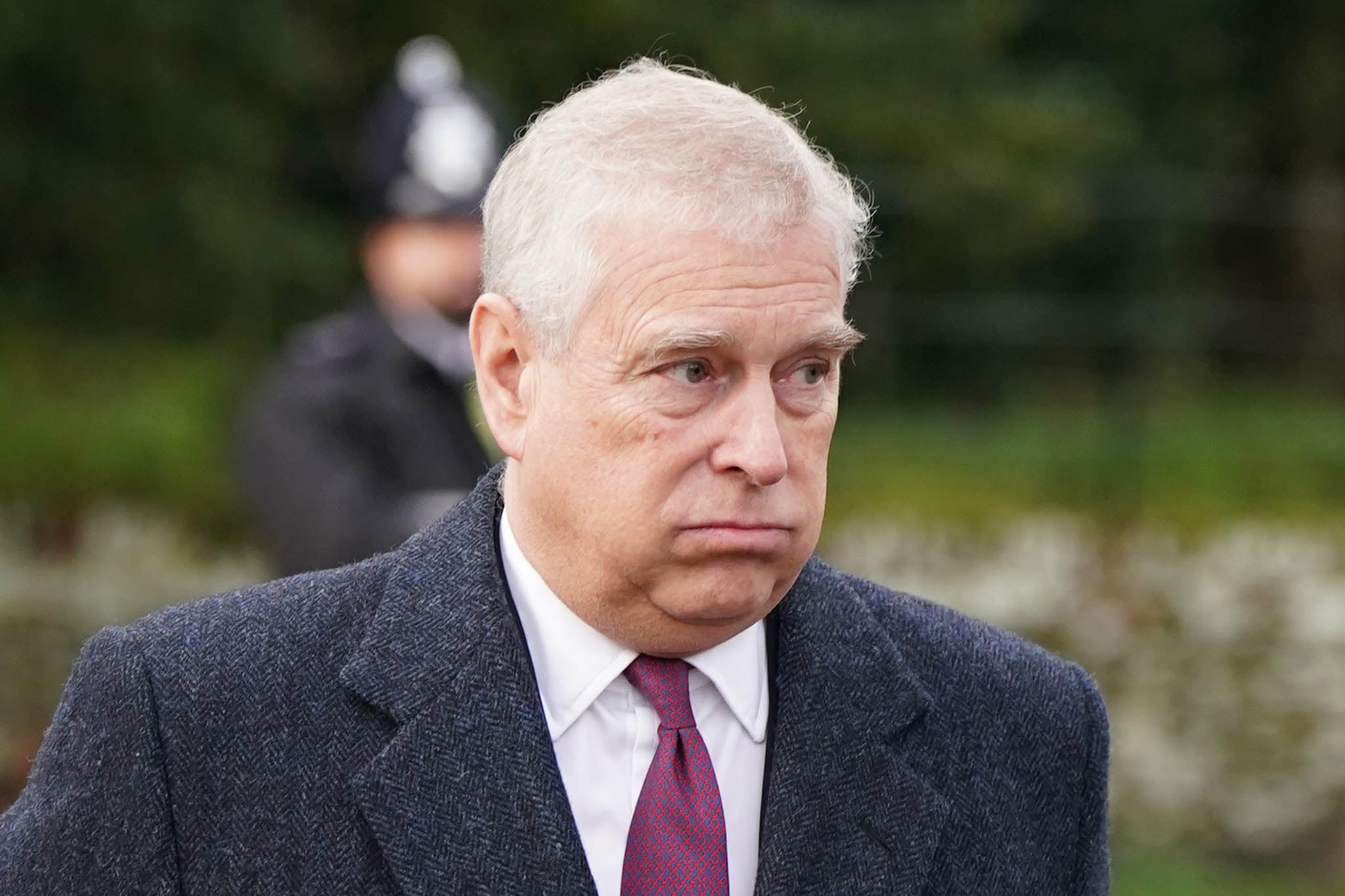
Prince Andrew, Duke of York, born February 19, 1960, is the third child and second son of Queen Elizabeth II and Prince Philip. While historically recognized for his distinguished naval service during the Falklands War, his public legacy in 2026 is largely defined by his withdrawal from royal duties following significant legal controversies and associations.
Early Life and the Royal Line of Succession
Prince Andrew Albert Christian Edward was born in the Belgian Suite of Buckingham Palace. His birth was a significant milestone for the British monarchy, as he was the first child born to a reigning sovereign since the birth of Princess Beatrice, the youngest daughter of Queen Victoria, in 1857. At the time of his birth, he was second in the line of succession to the British throne, behind his older brother, the then-Prince Charles.
His early education followed the traditional path of the British aristocracy. He began his studies with a governess at Buckingham Palace before attending Heatherdown School in Ascot. Following in the footsteps of his father and older brother, he attended Gordonstoun School in Scotland. His time at Gordonstoun was marked by an interest in sports and the outdoors, and he also spent time as an exchange student at Lakefield College School in Ontario, Canada. This international exposure was intended to prepare him for a life of diplomatic and representative duties on behalf of the Crown.
By the time he completed his A-levels in English, History, and Economics, Andrew had decided to pursue a career in the military rather than attending university immediately. This decision reflected a long-standing royal tradition of service in the armed forces, specifically the Royal Navy, which would become the defining feature of his early adulthood.
Military Career and the Falklands War
Prince Andrew’s military service is often cited as the period of his greatest public popularity and professional achievement. In 1979, he joined the Royal Navy as a midshipman, moving on to flight training at HMS Heron and RNAS Culdrose. He qualified as a helicopter pilot, specializing in the Sea King helicopter.
The turning point in his military career occurred in 1982 during the Falklands War. When Argentina invaded the Falkland Islands, Prince Andrew’s unit, 820 Naval Air Squadron, was embarked on the aircraft carrier HMS Invincible. Despite initial concerns from the British government regarding the safety of the Queen’s son, Andrew insisted on serving on the front lines.
During the conflict, he flew numerous missions, including:
- Anti-submarine warfare (ASW): Patrolling the waters for Argentine submarines.
- Search and rescue (SAR): Retrieving downed pilots and assisting in casualty evacuations.
- Exotic decoy missions: Using his helicopter as a "missile bait" to lure Exocet missiles away from the main fleet—a highly dangerous maneuver that earned him significant respect among his fellow servicemen.
Returning to Portsmouth in July 1982, he was greeted by the Queen and Prince Philip, becoming a national hero. He continued his naval career for nearly two decades, eventually being promoted to Commander and holding various staff appointments before retiring from active service in 2001. As of 2026, his military record remains a point of historical record, though he no longer holds the honorary military titles associated with his former status.
Marriage to Sarah Ferguson and Family Life
In July 1986, Prince Andrew married Sarah Ferguson at Westminster Abbey. On the day of the wedding, the Queen created him Duke of York, Earl of Inverness, and Baron Killyleagh. The marriage was initially popular, and the "Duke and Duchess of York" were seen as a breath of fresh air within the Royal Family.
The couple had two daughters:
- Princess Beatrice (born 1988): Who has since become a prominent figure in her own right, focusing on technology and dyslexia advocacy.
- Princess Eugenie (born 1990): Known for her work in the art world and her patronage of various charitable organizations, including those focusing on scoliosis.
However, the marriage faced significant strain due to Andrew’s frequent absences with the Royal Navy and the intense scrutiny of the British tabloid press. The couple announced their separation in 1992 and officially divorced in 1996. Despite the legal end of their marriage, the Duke and "Fergie" maintained a remarkably close relationship, often continuing to live at the same residence (Royal Lodge) and co-parenting their daughters. This unconventional post-divorce arrangement has remained a subject of public fascination for decades.
Role as Special Representative for International Trade
Following his retirement from the Royal Navy in 2001, Prince Andrew transitioned into a civilian role as the UK’s Special Representative for International Trade and Investment. Working with UK Trade & Investment (UKTI), his objective was to promote British business interests abroad and attract foreign investment to the United Kingdom.
In this capacity, he traveled extensively to emerging markets, including the Middle East, Central Asia, and Southeast Asia. He was particularly focused on the technology and entrepreneurship sectors. One of his most notable initiatives was Pitch@Palace, a platform he founded in 2014 to connect tech start-ups with potential investors.
While the role was intended to utilize his global profile for economic benefit, it also drew criticism. Reports frequently surfaced regarding the high costs of his travel and his choice of business associates. By 2011, under mounting pressure regarding his personal and professional connections, he stepped down from the formal trade envoy role, though he continued to support British entrepreneurship through various private initiatives until his eventual withdrawal from public life.
Comparison of Royal Status: Then and Now
The following table outlines the significant changes in Prince Andrew’s formal status and responsibilities over the decades, highlighting the transition from a working royal to his current standing in 2026.
| Feature | Peak Career (1980s - 2000s) | Current Status (2026) |
|---|---|---|
| Royal Style | His Royal Highness (HRH) | Prince Andrew (HRH not used) |
| Primary Residence | Buckingham Palace / Royal Lodge | Royal Lodge (Private capacity) |
| Military Titles | Colonel of the Grenadier Guards, etc. | Stripped of all honorary titles |
| Public Duties | Official Royal Engagements | None (Private Citizen) |
| Economic Role | UK Special Trade Representative | No official representation |
| Line of Succession | 2nd (at birth) | 8th (approximate) |
The Jeffrey Epstein Controversy and Legal Settlement
The most challenging period of Prince Andrew’s life began with the public scrutiny of his relationship with American financier and convicted sex offender Jeffrey Epstein. Although their acquaintance dated back to the late 1990s, the connection became a crisis for the monarchy following Epstein's arrest and subsequent death in 2019.
The situation escalated when Virginia Giuffre, an American woman, alleged that she had been trafficked to the Duke of York by Epstein. Prince Andrew consistently and vehemently denied these allegations. In an attempt to clear his name, he participated in a 2019 BBC Newsnight interview with journalist Emily Maitlis. The interview was widely regarded as a public relations disaster; his lack of expressed sympathy for Epstein’s victims and his explanations for his movements were met with intense public backlash.
In August 2021, Virginia Giuffre filed a civil lawsuit against the Duke in the United States. In early 2022, the case was settled out of court for an undisclosed sum, which included a substantial donation to Giuffre’s charity in support of victims’ rights. While the settlement was not an admission of guilt, it effectively ended his career as a public-facing member of the Royal Family.
Withdrawal from Public Life and Current Status in 2026
In January 2022, with the approval of Queen Elizabeth II, Buckingham Palace announced that Prince Andrew’s military affiliations and Royal patronages had been returned to the Queen. He also ceased using the style "His Royal Highness" in an official capacity.
As of 2026, under the reign of King Charles III, Prince Andrew remains a member of the Royal Family but exists entirely outside the "working" core of the monarchy. His life is characterized by:
- Seclusion: He rarely appears in public, except for family events such as private services or funerals.
- Loss of Patronages: Over 200 organizations that once had him as a patron have moved on or sought new royal representatives.
- Security and Housing: Disputes regarding his residence at Royal Lodge in Windsor Great Park have been a recurring theme in news cycles, as the King has sought to streamline royal expenditures and property management.
His current status serves as a reminder of the modern monarchy's "slimmed-down" approach, where public service and personal conduct are inextricably linked to the right to represent the Crown.
Frequently Asked Questions
Is Prince Andrew still a Prince?
Yes, Andrew remains a Prince by birth. While he no longer uses the "His Royal Highness" (HRH) style in any official capacity and has lost his honorary military titles and patronages, his status as a Prince of the United Kingdom and his place in the line of succession (determined by the Act of Settlement) are not revoked by the loss of working royal status.
What was Prince Andrew's role in the Falklands War?
He served as a Sea King helicopter pilot on the HMS Invincible. His primary duties included anti-submarine warfare and search and rescue missions. Most notably, he flew decoy missions to protect the British fleet from Exocet missiles. His service during the 1982 conflict earned him praise for bravery and professionalism.
Can Prince Andrew return to royal duties in the future?
As of 2026, there is no indication that Prince Andrew will return to public duties. Both the late Queen Elizabeth II and King Charles III have maintained a firm stance that a return to public life is not possible following the Epstein scandal and the subsequent legal settlement. The monarchy has moved toward a more streamlined structure that excludes non-working royals from official engagements.
Does Prince Andrew receive public funding?
Following his withdrawal from public duties in 2019 and the removal of his titles in 2022, he does not receive any public funds from the Sovereign Grant. His lifestyle and expenses are understood to be funded through private family means, such as the Duchy of Lancaster or personal inheritance.
Where does Prince Andrew live now?
As of 2026, he continues to reside at Royal Lodge in Windsor. This property is held under a long-term lease from the Crown Estate. However, his residence there has been a subject of ongoing discussion between him and the King's household regarding maintenance costs and the long-term utility of the property for the Royal Family.
Summary of Findings and Next Actions
The biography of Prince Andrew, Duke of York, is a study of contrast—between a heroic military youth and a controversial later life. For those researching the history of the British Royal Family, his life illustrates the evolving expectations of royal conduct in the 21st century.
Next Actions for Researchers:
- Verify Historical Records: For detailed accounts of his naval service, consult the National Archives or the official Royal Navy historical records.
- Monitor Official Announcements: For updates on royal titles or succession changes, refer to the London Gazette or the official website of the Royal Family (royal.uk).
- Analyze Institutional Change: Review the 2022-2024 Sovereign Grant reports to understand how the monarchy is restructuring its "working" members and property management.