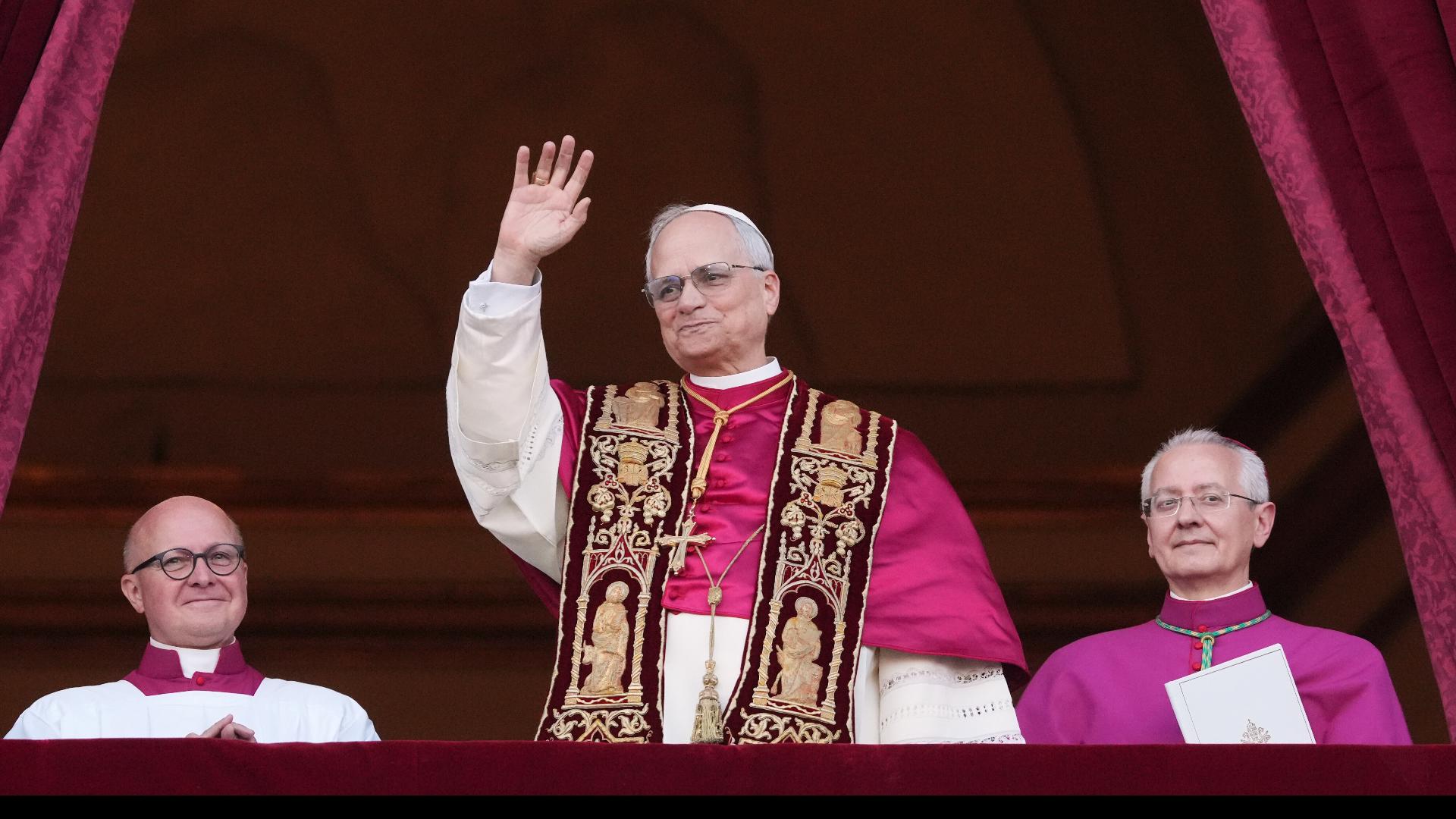
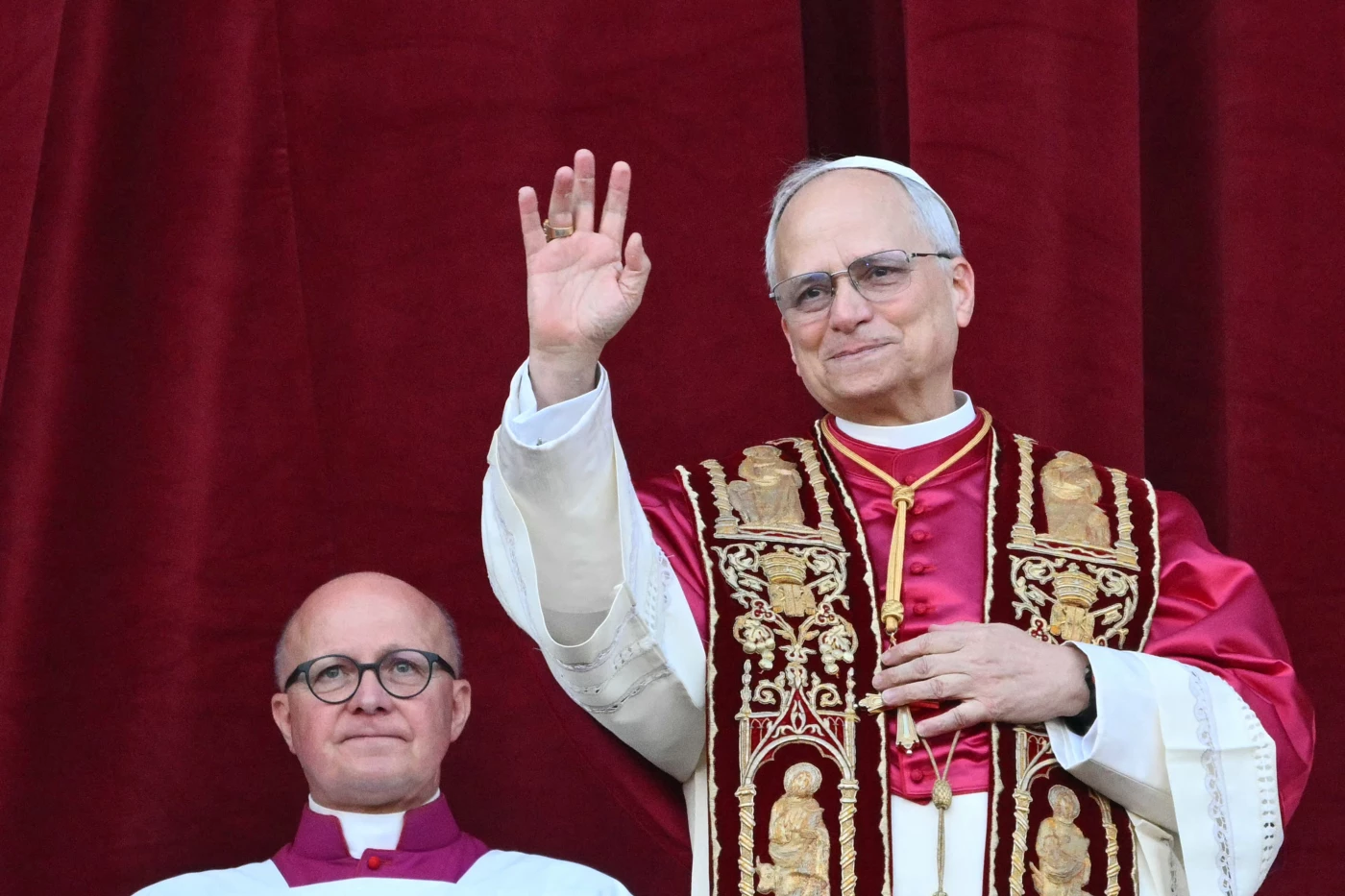
To date, no American cardinal has ever been elected to the Papacy. While several American prelates have been considered "papabile"—likely candidates—during recent conclaves, the College of Cardinals has historically preferred candidates from Europe or, more recently, the Global South, often to maintain geopolitical neutrality and avoid the perception of "superpower" influence over the universal Church.
Historical Context: Why No American Has Yet Led the Catholic Church
The history of the Papacy is deeply rooted in the Italian peninsula. For over 450 years, from the election of Adrian VI in 1522 until the election of John Paul II in 1978, every single Pope was Italian. This "Italian monopoly" was driven by the Papacy’s role as the Bishop of Rome and the temporal ruler of the Papal States. Even after the loss of temporal power in 1870, the administrative and diplomatic culture of the Vatican remained profoundly Italian.
When the transition to non-Italian Popes began with the Polish John Paul II, it signaled a shift toward a more globalized Church. However, the move was toward "internationalization" rather than shifting the seat of power to another global hegemon. The election of Jorge Mario Bergoglio (Pope Francis) from Argentina in 2013 further solidified this trend, prioritizing the "peripheries" over traditional Western power centers.
American cardinals have participated in every conclave of the 20th and 21st centuries, but they have often faced an uphill battle. In the early 20th century, travel times meant that American cardinals often arrived in Rome after the voting had already concluded. While modern transportation has solved this logistics issue, the psychological and political barriers remain significant.
The "Superpower" Stigma in Papal Elections
The primary obstacle preventing an American cardinal from being elected Pope is often described as the "superpower problem." The Catholic Church operates as a sovereign diplomatic entity with a presence in almost every nation on Earth. To maintain its moral authority and diplomatic efficacy, the Holy See strives to remain neutral in international conflicts.
If an American were elected Pope, there is a persistent fear within the College of Cardinals that the Papacy would be perceived as an instrument of American foreign policy. In regions like the Middle East, East Asia, and parts of Latin America, the image of an "American Pope" could complicate the Church’s mission and endanger local Catholic populations. This concern was particularly acute during the Cold War but remains relevant in 2026 as global tensions persist.
Furthermore, the United States is the largest financial contributor to the Vatican. Some cardinals argue that giving the U.S. both the financial and the spiritual leadership of the Church would centralize too much power in one nation. This "wealth gap" between the American Church and the rest of the world creates a delicate balance where American influence is welcomed in terms of resources but often resisted in terms of governance.
The Mechanics of the Conclave: How a Pope is Chosen
The process of electing a Pope is governed by the Apostolic Constitution Universi Dominici Gregis, as modified by subsequent decrees. Understanding this process is essential to evaluating why certain candidates, including Americans, rise or fall during the secret balloting.
Eligibility and the Selection Pool
Technically, any baptized Catholic male can be elected Pope. However, in practice, the College of Cardinals almost exclusively selects from its own ranks. As of 2026, the College is composed of electors (those under the age of 80) and non-electors. American cardinals typically represent a significant voting bloc—usually the second or third largest national group after the Italians—giving them considerable "kingmaking" power, even if they do not win the election themselves.
The Voting Rounds and "Extra Omnes"
When a papal vacancy occurs, the cardinals are sequestered in the Sistine Chapel. The phrase "Extra omnes" (everyone out) marks the beginning of the secret deliberations. A two-thirds majority is required for election. This high threshold ensures that the chosen candidate has broad consensus across different geographical and ideological factions.
- Scrutiny: Cardinals write their choice on a rectangular slip of paper.
- Counting: The ballots are collected and counted by three "Scrutineers."
- Burning: If no one reaches the two-thirds threshold, the ballots are burned with a chemical additive to produce black smoke.
- Habemus Papam: Once a candidate is elected and accepts, the ballots are burned to produce white smoke.
Profile of American Cardinals and Potential Candidates
Several American cardinals have been frequently cited by Vatican analysts as possessing the qualities necessary for the Papacy. These individuals are often evaluated based on their administrative experience, linguistic abilities, and perceived "holiness."
Cardinal Seán Patrick O'Malley (Boston)
Cardinal O'Malley, a Capuchin Franciscan, has long been a favorite among those seeking a "reformer" Pope. He gained international respect for his transparent handling of the clergy abuse crisis in Boston and served as the head of the Pontifical Commission for the Protection of Minors. His simple lifestyle—often wearing his brown friar’s habit instead of cardinal red—appeals to those who favor the "poverty-focused" model of Pope Francis. However, as of 2026, his age is a factor that might lead electors to look toward a younger generation.
Cardinal Timothy Dolan (New York)
Cardinal Dolan is perhaps the most recognizable face of American Catholicism. Known for his charismatic personality and media savvy, he was considered a strong candidate in the 2013 conclave. His supporters point to his ability to communicate the faith in a secularized world. Critics, however, have suggested that his personality is "too American"—referring to a boisterousness that may not translate well to the more reserved, diplomatic atmosphere of the Roman Curia.
Cardinal Robert Francis Prevost
Although born in Chicago, Cardinal Prevost spent much of his career in Peru and currently serves as the Prefect of the Dicastery for Bishops in Rome. He represents a "hybrid" candidate: an American by birth who has the cultural sensitivity of the Global South and the administrative experience of the Vatican bureaucracy. This profile often bridges the gap between the American Church and the international College of Cardinals.
Changing Dynamics: The College of Cardinals in 2026
Under the pontificate of Pope Francis, the College of Cardinals has undergone a radical transformation. Francis has consistently bypassed traditional "cardinalatial sees" (major cities that historically always had a cardinal) in favor of prelates from remote or overlooked regions, such as Tonga, Brunei, or parts of sub-Saharan Africa.
In 2026, the College is more diverse than at any point in Church history. This diversification actually makes the election of an American more difficult in some ways, as the traditional European-American axis no longer holds a dominant majority. However, it also means that the old "rules" of the conclave are less predictable. If the College decides that the most capable leader happens to be an American, the geographical stigma may carry less weight than it did thirty years ago.
Comparative Overview of Prominent American Cardinals (2026 Status)
The following table highlights key American cardinals who hold or have held significant influence within the College of Cardinals.
| Cardinal Name | Principal See / Office | Known For | Election Status (2026) |
|---|---|---|---|
| Seán Patrick O'Malley | Archdiocese of Boston | Abuse reform, Franciscan simplicity | Elector (until age 80) |
| Timothy Dolan | Archdiocese of New York | Media presence, pastoral outreach | Elector |
| Blase Cupich | Archdiocese of Chicago | Social justice, alignment with Francis | Elector |
| Robert Prevost | Dicastery for Bishops | Vatican administration, Latin Am. experience | Elector |
| Daniel DiNardo | Archdiocese of Galveston-Houston | Liturgical tradition, USCCB leadership | Elector |
| Robert McElroy | Diocese of San Diego | Environmentalism, "synodality" advocate | Elector |
Geopolitical Implications of an American Pope
If an American cardinal were to be elected, it would represent a seismic shift in the relationship between the Church and the West. An American Pope would likely face immediate scrutiny regarding his stance on U.S. foreign policy. For instance, how would an American Pope handle a diplomatic crisis involving the United States and China?
The Church’s "Ostpolitik" (its policy toward Eastern Europe and Asia) has historically relied on the Pope being a neutral mediator. An American Pope might find his initiatives viewed through the lens of Washington D.C.'s interests, potentially weakening the Vatican's role as a global peacemaker. On the other hand, proponents argue that an American Pope would be uniquely positioned to challenge the consumerism and secularism of the West from an insider's perspective.
Frequently Asked Questions
Has there ever been a Pope from the Americas?
Yes, Pope Francis (Jorge Mario Bergoglio) is from the Americas, specifically Argentina. He is the first Pope from the Western Hemisphere, though he is not American in the sense of being a citizen of the United States.
Can a non-cardinal be elected Pope?
Yes. According to Canon Law, any baptized Catholic male who is willing to be ordained a bishop can be elected. If a non-bishop were elected, he would need to be ordained a bishop immediately before taking office. However, the last time a non-cardinal was elected was Urban VI in 1378.
Why do people think an American Pope is unlikely?
The "superpower" factor is the most cited reason. Cardinals from other nations often fear that an American Pope would align the Church too closely with U.S. political and economic interests, damaging the Church’s perceived neutrality and its mission in the developing world.
What is a "papabile"?
"Papabile" is an Italian term used by Vatican watchers to describe a cardinal who is considered a likely candidate to be elected Pope. It translates roughly to "pope-able."
Does the U.S. have the most cardinals?
No. While the United States has a significant number of cardinals, Italy traditionally has the largest number of any single nation. Under Pope Francis, the number of cardinals from Asia and Africa has also grown significantly, reducing the relative voting power of the U.S. bloc.
Summary of Next Steps for Observers
For those monitoring the possibility of an American cardinal being elected Pope, the focus should remain on the "consistories"—the ceremonies where the Pope creates new cardinals. Watching which Americans are elevated and what roles they are given in the Roman Curia provides the best indication of their standing.
- Monitor Vatican Appointments: Pay close attention to Americans appointed to head Vatican "Dicasteries" (departments), as administrative experience in Rome is often a prerequisite for serious consideration.
- Observe International Travels: Cardinals who travel extensively and build relationships with bishops in Africa and Asia tend to garner more support in a conclave.
- Track Age Limits: Remember that cardinals lose their right to vote in a conclave once they turn 80. This changes the "electability" profile of many candidates as they age.
The election of a Pope remains one of the most unpredictable processes in the world. While the historical and geopolitical hurdles for an American are high, the Catholic Church's 2,000-year history is full of surprises that defy political logic.