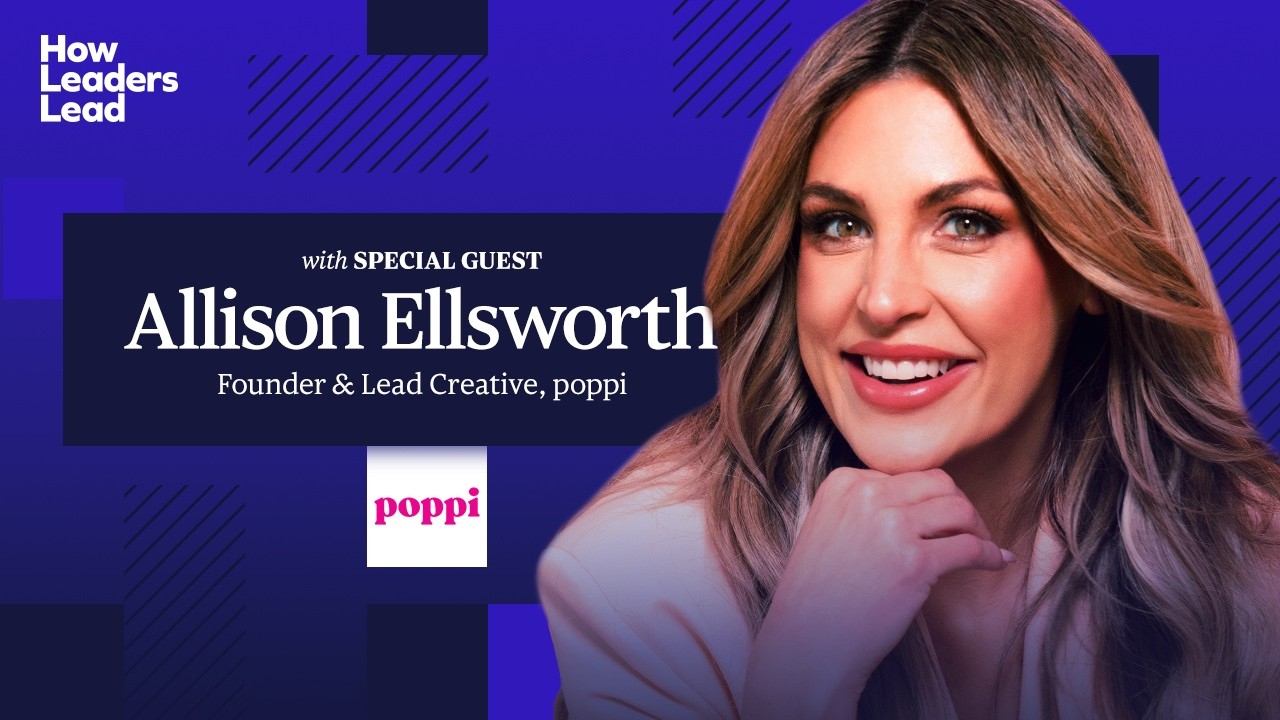
Allison Ellsworth’s journey with Poppi is a masterclass in determination, transforming a personal health crisis into a multi-million dollar beverage empire. By combining the gut-health benefits of apple cider vinegar with a mainstream soda profile, Ellsworth disrupted the traditional soft drink market, proving that persistence and a consumer-centric vision can unseat industry giants.
The story of Allison Ellsworth and her brand, Poppi, is more than a standard entrepreneurial success narrative; it is a granular look at how grit, adaptability, and a refusal to accept the status quo can reshape an entire retail category. Since the brand's inception and its subsequent rise to prominence by 2026, the trajectory of Poppi has served as a roadmap for modern "better-for-you" (BFY) startups. To understand the depth of this determination, one must look at the personal sacrifices, the strategic pivots, and the relentless pursuit of a product that refused to compromise on taste or health.
The Genesis of Poppi: Solving a Personal Health Crisis
The foundation of Poppi was built not in a boardroom, but in a home kitchen in Dallas, Texas. In the mid-2010s, Allison Ellsworth was grappling with a series of chronic health issues, including inflammation and digestive problems. After exhaustive research and consultations, she discovered the restorative properties of apple cider vinegar (ACV). While the health benefits of ACV—ranging from blood sugar regulation to improved gut microbiome health—were well-documented, the experience of consuming it was notoriously unpleasant.
Ellsworth’s determination began with the simple refusal to accept that "healthy" had to mean "unpalatable." She began experimenting with fresh fruit juices, herbs, and ACV to create a concoction that provided the benefits of the vinegar without the harsh, acidic burn. This phase of the journey was characterized by trial and error. Working alongside her husband, Stephen Ellsworth, Allison spent months refining ratios. This grassroots experimentation was the first hurdle; they were essentially trying to mask one of the most pungent flavors in the natural food world while keeping the ingredient list clean and low in sugar.
The transition from a personal remedy to a commercial product happened at local Dallas farmers' markets. Operating under the name "Mother Beverage," the Ellsworths sold their drinks in glass bottles. The immediate feedback from their community was a vital proof of concept. They realized that their problem—the desire for a functional drink that didn't taste like medicine—was a universal one. This early stage required immense physical labor, from hand-bottling to managing logistics for small-scale distribution, setting the stage for the massive scaling that was to come.
The Shark Tank Turning Point: From Mother Beverage to Poppi
One of the most significant moments in the Poppi story is the 2018 appearance on the television show Shark Tank. At the time, the brand was still operating as Mother Beverage. Allison and Stephen entered the tank seeking an investment to help them scale production and reach a wider audience. Their pitch was centered on the functionality of the drink, but they faced a critical crossroads.
The "sharks" recognized the potential of the product, but they also identified a significant branding problem. The name "Mother Beverage" and the existing packaging leaned too heavily into the "earthy" and "medicinal" aesthetic. It appealed to a niche health-conscious audience but lacked the mass-market "pop" needed to compete with legacy soda brands.
Rohan Oza, a veteran in the beverage industry known for his work with Vitaminwater and Bai, saw the spark of determination in Allison. He offered $400,000 for a 25% stake in the company. The deal was more than just a financial injection; it was a partnership that required the Ellsworths to dismantle their original branding and start over. This was a true test of determination—letting go of the original identity they had spent years building to embrace a vision that could achieve national scale.
The Strategic Rebrand: Defining the "Soda 2.0" Category
Following the Shark Tank deal, the transformation from Mother Beverage to Poppi began in earnest. This was not merely a name change; it was a complete psychological repositioning of the product. Allison Ellsworth was determined to create a "modern soda" that felt like a treat rather than a chore.
The rebranding focused on three core pillars:
- Visual Identity: The new packaging utilized bold, neon colors and pop-art-inspired graphics. It was designed to look "Instagrammable," targeting a younger demographic that valued aesthetics as much as ingredients.
- Flavor Profile: While the ACV remained a core functional ingredient, the flavor names and profiles (like Strawberry Lemon, Orange, and Root Beer) mirrored traditional soda favorites.
- The "Prebiotic" Labeling: Instead of focusing solely on apple cider vinegar, which could be polarizing, the brand leaned into the term "prebiotic soda." This aligned with the growing consumer interest in gut health and the microbiome.
By the time the brand relaunched as Poppi in early 2020, it was perfectly positioned for the shift in consumer behavior. People were looking for comfort (soda) but were increasingly wary of high-fructose corn syrup and artificial dyes. Ellsworth’s determination to pivot the brand’s identity while maintaining its functional integrity was the key factor that allowed Poppi to break out of the "natural foods" aisle and into the mainstream beverage coolers of major retailers like Target and Kroger.
Navigating the Challenges of Rapid Scaling
Growth brings its own set of complications, and for Allison Ellsworth, the years between 2021 and 2026 were defined by operational determination. Scaling a beverage brand requires massive capital, complex supply chain management, and a robust distribution network.
One of the primary challenges was manufacturing. Moving from small-batch production to millions of cans per month required finding co-packers who could handle the specific requirements of a prebiotic beverage. Unlike traditional soda, Poppi contains real fruit juice and functional ingredients that require precise handling to ensure shelf stability without sacrificing nutritional value.
Furthermore, the "better-for-you" soda space became increasingly crowded. Competitors like Olipop and various private-label prebiotic drinks entered the market. Ellsworth's determination was reflected in her aggressive marketing and retail strategy. She didn't just want Poppi to be on the shelf; she wanted it to dominate the "functional" segment. This meant securing end-cap displays, participating in massive retail promotions, and ensuring that the brand stayed at the forefront of the cultural conversation.
| Milestone | Year | Impact on the Brand |
|---|---|---|
| Foundation | 2016 | Created "Mother Beverage" to solve personal gut health issues. |
| Shark Tank | 2018 | Secured $400k investment from Rohan Oza; initiated rebrand. |
| The Rebrand | 2020 | Relaunched as Poppi with bright packaging and "Soda 2.0" positioning. |
| Retail Explosion | 2022 | Expansion into 30,000+ retail locations including Costco and Target. |
| Series B Funding | 2023 | Raised $25 million to fuel distribution and flavor innovation. |
| Market Leadership | 2026 | Established as a top-selling functional soda brand globally. |
The Role of Community and Social Media Dominance
A significant portion of Allison Ellsworth’s success can be attributed to her mastery of digital storytelling. Her determination to connect directly with her audience bypassed traditional advertising gatekeepers. During the early 2020s, Poppi became a viral sensation on platforms like TikTok and Instagram.
Ellsworth often appeared in the brand’s social media content herself, sharing the "behind-the-scenes" struggles of being a founder. This transparency built a level of brand loyalty that legacy corporations struggle to replicate. Consumers weren't just buying a soda; they were supporting a founder they felt they knew.
By 2026, Poppi’s social media strategy has evolved from simple viral videos to a sophisticated community-building machine. The brand uses data-driven insights to launch "limited edition" flavors that drive massive spikes in online sales. This direct-to-consumer (DTC) success provides the leverage needed when negotiating with brick-and-mortar retailers, as the brand can prove demand before a single can hits the shelf.
Overcoming Obstacles: Lawsuits and Market Scrutiny
Determination is often tested most severely during periods of adversity. Like many high-growth functional food companies, Poppi has faced its share of scrutiny. As the brand grew, so did the eyes of regulators and consumer advocacy groups. In 2024, the brand faced a class-action lawsuit regarding its health claims, specifically questioning the amount of prebiotic fiber necessary to confer significant health benefits.
For Allison Ellsworth, this was a moment to double down on transparency and science. The brand’s response involved clarifying its nutritional labels and investing more heavily in consumer education about gut health. Rather than retreating, Ellsworth used the opportunity to reinforce the brand’s commitment to providing a "better" alternative to traditional soda, even if it wasn't a "magic pill" for health. This resilience in the face of legal and public relations challenges is a hallmark of her leadership style.
The Future of Poppi: Innovation and Global Expansion
As of 2026, Poppi is no longer just a "startup." It is a major player in the global beverage market. The determination that started in a kitchen has led to a brand that is now exploring international markets, including Europe and Asia, where the demand for functional beverages is surging.
Innovation remains at the heart of the company. Ellsworth continues to push the boundaries of what a functional drink can be. This includes:
- Ingredient Diversification: Moving beyond ACV to include other functional ingredients like adaptogens or nootropics.
- Sustainability Initiatives: Transitioning to more sustainable packaging and supply chain practices to meet the demands of the modern, eco-conscious consumer.
- Expanding the Occasion: Positioning Poppi not just as a soda replacement, but as a mixer for cocktails or a post-workout refreshment.
Key Leadership Lessons from Allison Ellsworth
The story of Poppi offers several vital lessons for aspiring entrepreneurs and business leaders:
- Solve Your Own Problem: The most successful products often come from a place of personal necessity. Because Allison needed the product herself, she understood the pain points of the consumer better than any market research firm could.
- Be Willing to Pivot: The transition from Mother Beverage to Poppi shows that being "right" about the product isn't enough; you must also be "right" about the branding and the market fit.
- Hustle is Non-Negotiable: From the farmers' market to the Shark Tank stage, the Ellsworths demonstrated a level of "boots-on-the-ground" effort that is essential for early-stage survival.
- Embrace Vulnerability: By sharing her story—including the health struggles and the business failures—Allison built a brand that people actually care about.
FAQ: Understanding the Poppi Phenomenon
How did Allison Ellsworth start Poppi?
The brand began as "Mother Beverage" after Allison created a fruit-infused apple cider vinegar drink to alleviate her own chronic health issues. She started selling the drinks at local farmers' markets in Texas before appearing on Shark Tank and rebranding the company to Poppi.
What is the main benefit of drinking Poppi?
Poppi is a prebiotic soda designed to support gut health. Its primary functional ingredient is apple cider vinegar, which contains "the mother" (beneficial bacteria and enzymes). It offers a lower-sugar, lower-calorie alternative to traditional sodas while providing fiber that helps feed beneficial gut bacteria.
Did Rohan Oza really help the brand?
Yes. Rohan Oza's investment and mentorship were pivotal. He was instrumental in the decision to rebrand from Mother Beverage to Poppi, moving the aesthetic toward a more vibrant, mainstream look that appealed to a broader consumer base.
Is Poppi considered a healthy drink?
While "healthy" is relative, Poppi is significantly better for you than traditional soft drinks. It contains about 5 grams of sugar or less and 25 calories per can, compared to the 39+ grams of sugar found in standard sodas. It also provides a small amount of prebiotic fiber.
What sets Poppi apart from other prebiotic sodas?
Poppi’s primary differentiator is its specific flavor profile and branding. While other brands might focus more on herbal or medicinal notes, Poppi is determined to mimic the "classic soda" experience as closely as possible, making it more accessible to the average consumer.
Final Thoughts for Aspiring Founders
Allison Ellsworth’s story of determination serves as a powerful reminder that the path to success is rarely a straight line. It is a series of pivots, risks, and relentless hard work. For those looking to enter a competitive market, the Poppi journey highlights the importance of staying true to the core mission while remaining flexible enough to adapt to what the market is telling you. Whether you are a consumer looking for a better soda or an entrepreneur looking for inspiration, the Poppi story is a compelling example of how one person’s determination can change an industry.