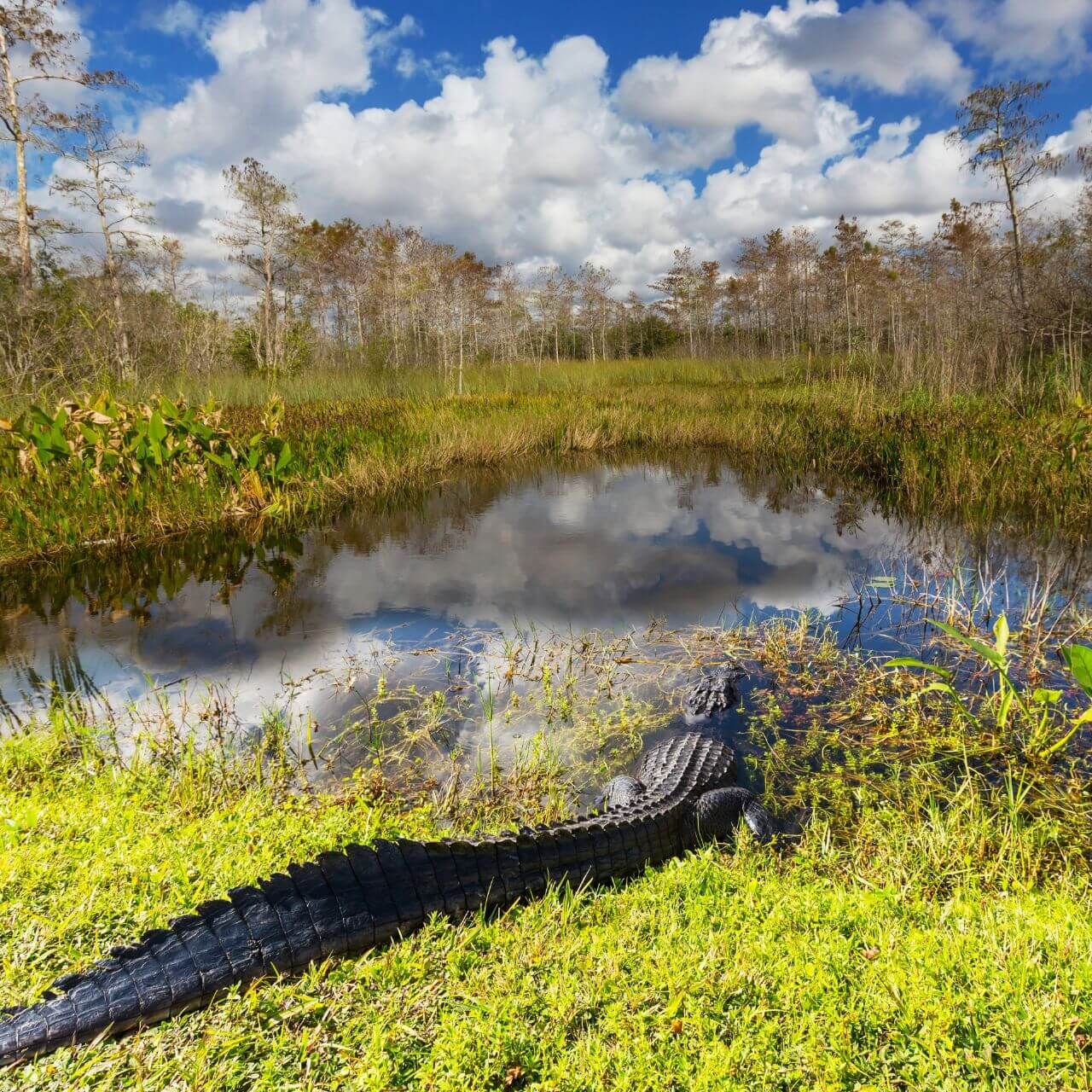
Alligator habitat in the wild consists primarily of freshwater environments such as swamps, marshes, rivers, lakes, and ponds throughout the southeastern United States and eastern China. These semi-aquatic reptiles require slow-moving water, abundant vegetation for nesting, and specific temperature ranges to facilitate thermoregulation, breeding, and successful foraging within their ecosystems.
The alligator is a quintessential "ecosystem engineer," a term used by ecologists to describe species that significantly modify their physical environment. Understanding the specifics of an alligator's habitat requires looking beyond just "water." It involves analyzing the hydrology, flora, and climatic conditions that allow these apex predators to survive and thrive. In 2026, as climate patterns shift and coastal boundaries change, the definition of a viable alligator habitat continues to evolve, pushing the boundaries of their traditional territories while emphasizing the importance of wetland conservation.
Geographic Distribution: Where Alligators Live in 2026
There are only two extant species of alligators in the world: the American alligator (Alligator mississippiensis) and the Chinese alligator (Alligator sinensis). Their habitats, while sharing some common characteristics, differ significantly in scale and geographic location.
The American Alligator’s Southeastern Stronghold
The American alligator occupies a vast range across the southeastern United States. As of 2026, their primary populations are concentrated in Florida and Louisiana, which house the highest densities of the species. However, their range extends significantly further, covering:
- Coastal Plain Regions: From the Rio Grande in Texas eastward through the Gulf States.
- Atlantic Seaboard: Extending through Georgia and the Carolinas up into the Great Dismal Swamp on the border of Virginia and North Carolina.
- Inland Reach: Significant populations exist in Arkansas and Oklahoma, primarily in the river systems and managed wetlands.
The habitat in these regions is characterized by a humid subtropical climate. Alligators in the northernmost parts of their range, such as North Carolina, have adapted to colder winters through a process called brumation. During extreme cold snaps, they have been observed "icing in," where they keep their snouts above the freezing water surface while the rest of their body remains submerged in a dormant state.
The Critically Endangered Chinese Alligator Habitat
In stark contrast to the thriving American population, the Chinese alligator is confined to an extremely limited range in the lower Yangtze River basin. Historically widespread throughout eastern China, their wild habitat has been reduced to a fraction of its former size due to intensive agricultural conversion—primarily for rice paddies—and urbanization.
In 2026, wild Chinese alligators are mostly found in small, managed reserves within the Anhui province. Their habitat requirements are similar to their American cousins, but they are smaller and spend more time in complex burrow systems to escape both the cold of winter and the heat of summer.
Essential Components of an Alligator Habitat
For an environment to support a healthy alligator population, it must provide more than just a source of water. The habitat must satisfy biological imperatives: thermoregulation, nutrition, and reproduction.
Freshwater vs. Brackish Water Tolerance
Alligators are primarily freshwater animals. Unlike crocodiles, alligators lack the specialized lingual salt glands required to excrete excess salt from their bodies efficiently. This biological limitation defines their habitat boundaries. While they are frequently spotted in brackish water (a mix of fresh and salt water) in mangrove swamps or salt marshes, they cannot remain there indefinitely.
Extended stays in high-salinity environments can lead to dehydration and salt toxicity. Therefore, an ideal alligator habitat must have accessible freshwater retreats nearby, especially during periods of low rainfall when salinity levels in coastal marshes may rise.
The Role of Vegetation and Structure
Vegetation is a critical pillar of alligator habitat for several reasons:
- Nesting Material: Female alligators use aquatic vegetation, sticks, and mud to construct large mound nests. The decomposition of this organic matter generates the heat necessary to incubate the eggs.
- Cover for Juveniles: Hatchlings and juveniles rely on thick vegetation, such as lily pads, pickerelweed, and sawgrass, to hide from predators, including large birds, raccoons, and even larger alligators.
- Ambush Sites: Submerged logs and dense reeds provide the necessary concealment for alligators to ambush prey like fish, turtles, and wading birds.
Thermoregulation: Basking and Retreat Sites
As ectotherms, alligators rely on their environment to regulate their body temperature. A viable habitat must offer:
- Basking Banks: Sunny, flat areas such as riverbanks, canal levees, or fallen logs where alligators can soak up solar radiation to raise their metabolic rate.
- Deep Water Retreats: Areas of deep, cool water where they can submerge to avoid the midday sun or hide from perceived threats.
- Substrate for Burrows: In areas with fluctuating temperatures, alligators often dig burrows into the banks. These dens provide a stable microclimate that protects them from both freezing temperatures and extreme droughts.
The Alligator as an Ecosystem Engineer: "Gator Holes"
One of the most fascinating aspects of alligator habitat is how the animals themselves create it. In the Florida Everglades and similar marshy environments, alligators use their tails and snouts to clear out muck and vegetation, creating depressions known as "gator holes."
During the dry season, these holes retain water long after the surrounding marshes have dried up. This serves a dual purpose:
- Survival Refuge: It provides a permanent water source for the alligator.
- Biodiversity Hubs: These holes become vital refuges for fish, amphibians, and invertebrates. This concentration of life, in turn, provides a steady food source for the alligator, essentially creating a self-sustaining pantry.
According to the National Park Service, these gator holes are essential for the survival of many Everglades species during drought conditions, highlighting the alligator's role as a keystone species.
Comparison of Alligator Habitats
The following table compares the primary environmental factors between the two species of alligators as of 2026.
| Feature | American Alligator (A. mississippiensis) | Chinese Alligator (A. sinensis) |
|---|---|---|
| Primary Region | Southeastern United States | Lower Yangtze River, China |
| Water Type | Freshwater; limited brackish tolerance | Strictly freshwater |
| Climate | Subtropical to temperate | Temperate; distinct seasonal shifts |
| Nesting Style | Large mounds of vegetation/mud | Mounds, but heavily dependent on burrows |
| Habitat Size | Extensive (Millions of acres) | Fragmented/Small (Managed reserves) |
| Predominant Flora | Cypress, Sawgrass, Mangroves | Reeds, Bamboo, Agricultural edge-growth |
| Winter Strategy | Brumation; some "icing in" | Deep burrowing and prolonged dormancy |
Hydrology and Water Quality Requirements
The stability of an alligator habitat is tied directly to hydrology—the movement and distribution of water. Alligators are highly sensitive to "hydroperiods," which is the length of time an area remains flooded.
Impacts of Water Level Fluctuations
If water levels drop too low (extreme drought), alligators are forced into smaller areas, leading to increased cannibalism and territorial disputes. Conversely, if water levels rise too quickly during the nesting season (late spring/early summer), nests can be flooded, leading to total reproductive failure for that year.
Sensitivity to Pollutants
In 2026, water quality remains a significant concern for alligator habitats. As apex predators, alligators are subject to bioaccumulation. Heavy metals like mercury and synthetic chemicals such as PFAS (per- and polyfluoroalkyl substances) can accumulate in their tissues through the food chain. Research from the IUCN Crocodile Specialist Group indicates that high levels of endocrine disruptors in the water can lead to reproductive abnormalities in alligator populations, potentially threatening long-term habitat viability even if the physical space remains intact.
Human Encroachment and Habitat Fragmentation
The greatest threat to alligator habitats in the wild is the expansion of human infrastructure. As of 2026, urban sprawl in states like Florida and Texas has led to significant habitat fragmentation.
The Conflict of the "Retention Pond"
In many suburban developments, natural wetlands are replaced by artificial retention ponds. While alligators frequently inhabit these ponds, they are often poor substitutes for natural habitats. The lack of varied vegetation and the proximity to humans lead to "nuisance alligator" calls. When alligators are removed from these environments, it creates a "sink" where new alligators continually move in to fill the vacancy, often leading to a cycle of removal that prevents a stable population from forming.
Wildlife Corridors
To combat fragmentation, environmental agencies are increasingly focusing on wildlife corridors. These are strips of protected land that connect larger habitat "islands," allowing alligators to migrate safely between wetlands to find mates or new territory without crossing high-traffic roadways.
Frequently Asked Questions
Can alligators live in the ocean?
No, alligators cannot live in the ocean. While they can tolerate saltwater for short periods (a few hours to a few days), they lack the salt-excreting glands found in crocodiles. They will occasionally enter salt water to hunt or move between inlets, but they must return to freshwater to drink and maintain their internal osmotic balance.
What is the ideal temperature for an alligator habitat?
Alligators are most active when ambient temperatures are between 82°F and 92°F (28°C to 33°C). They stop feeding when temperatures drop below 70°F (21°C) and become dormant (brumation) when temperatures fall below 55°F (13°C). Therefore, a viable habitat must have a climate that stays warm for the majority of the year.
How do alligators change their habitat during a drought?
During a drought, alligators become "ecosystem engineers." They use their bodies to dig and maintain "gator holes" in the mud. These holes reach down to the water table, providing a pool of water that sustains the alligator and other wildlife until the rains return. If the drought is severe enough, alligators may migrate long distances overland to find permanent river systems.
Do alligators prefer running water or still water?
Alligators generally prefer still or slow-moving water. This makes it easier for them to float motionless while stalking prey and prevents their heavy nesting mounds from being washed away by strong currents. You are more likely to find them in a swamp or oxbow lake than in the middle of a fast-moving river channel.
Are Chinese alligators found in the same habitats as American alligators?
Geographically, no. They are on separate continents. However, ecologically, their requirements are quite similar. Both require freshwater wetlands and seasonal temperature shifts. The main difference is that the Chinese alligator has had to adapt to a much more "humanized" landscape, often living in the margins of agricultural canals and ponds.
Practical Recommendations for Observing Alligator Habitats
If you are planning to visit or study alligator habitats in 2026, it is essential to prioritize both safety and conservation.
- Maintain Distance: Alligators are remarkably fast on land over short distances. Always stay at least 60 feet away from any alligator in the wild.
- Respect the Nesting Season: In the late spring and summer, female alligators are extremely protective of their mound nests. Avoid thick vegetation where a nest might be hidden.
- Use Public Boardwalks: Places like Everglades National Park or various National Wildlife Refuges offer boardwalks that allow you to see alligators in their natural habitat without disturbing the delicate marsh flora or risking a close encounter.
- Do Not Feed Wildlife: Feeding alligators in their habitat causes them to lose their natural fear of humans, which almost always results in the alligator being labeled a "nuisance" and subsequently euthanized.
For those interested in supporting these habitats, contributing to wetland restoration projects is the most effective action. Protecting the water and the vegetation ensures that these ancient reptiles have a place in the wild for another 200 million years.