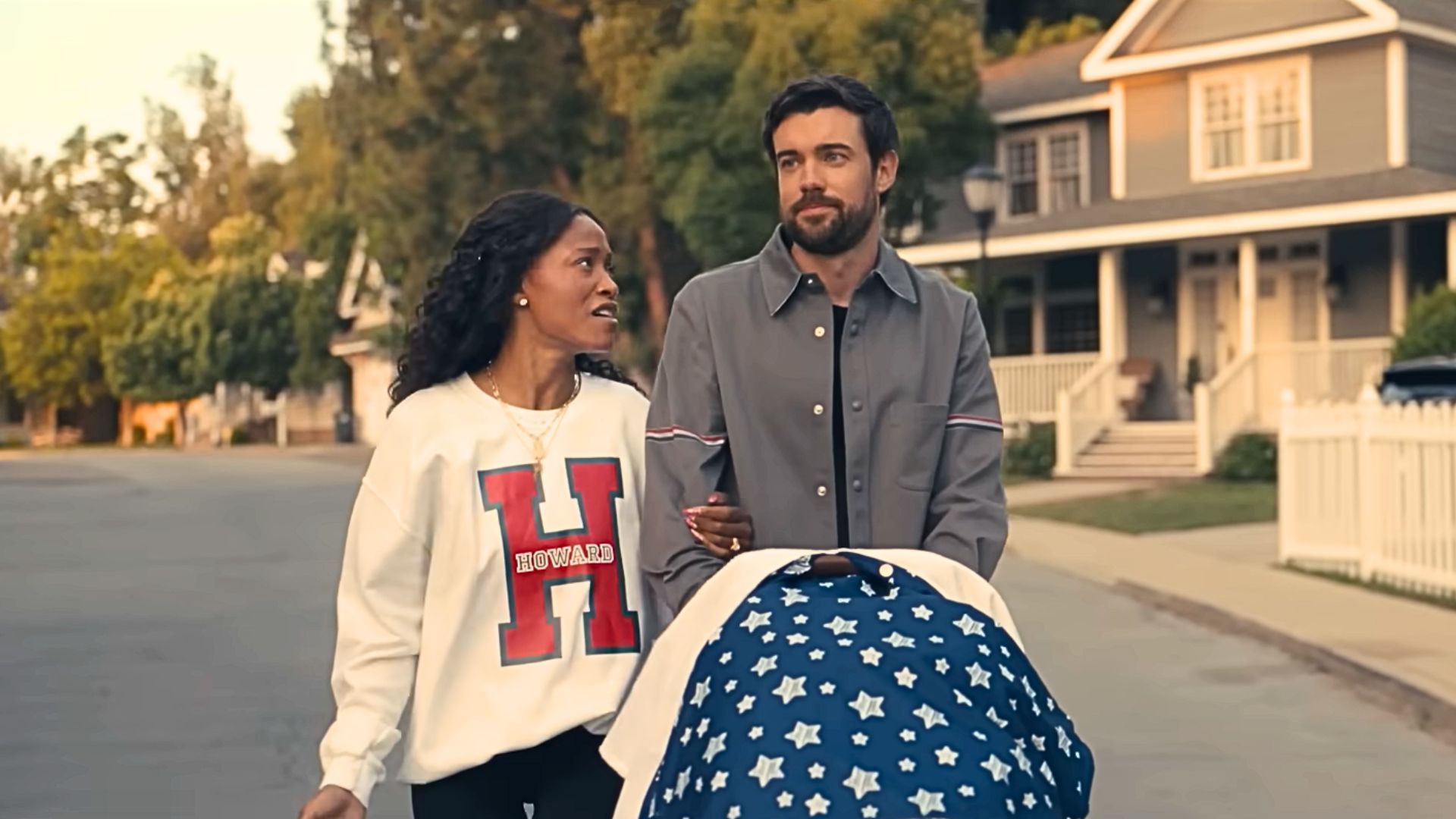
"Alison kidnapped in the burb" refers to a specific plotline within the creative web series "The Burb," where a central character named Alison faces an abduction scenario. This narrative arc serves as a dramatic pivot point within the show's domestic, neighborhood-centric aesthetic, blending suburban mystery tropes with character-driven suspense. This article examines the narrative construction, viewer reception, and thematic elements of this specific arc within the broader framework of the production.
Defining the Narrative Context of The Burb
"The Burb" functions as a digital-first narrative series that explores the heightened tensions of suburban life. By utilizing the setting—typically characterized by manicured lawns, cul-de-sacs, and an facade of neighborhood safety—as a backdrop for unexpected trauma, the creators generate a stark contrast. The abduction of Alison is not merely a plot device; it acts as an investigation into how a community reacts when the "safe" environment of the suburbs is breached by criminal activity.
In the context of modern independent media, the series relies on a "slow-burn" approach. Unlike traditional network television procedurals that prioritize the forensic details of an abduction, the storyline involving Alison focuses on the psychological fallout. For viewers following the series, the narrative tension resides in the disappearance of normalcy. The "burb" environment, which is often framed as an escape from urban volatility, becomes a crucible where the characters must confront the reality that isolation and neighborly distance can be dangerous.
Narrative Architecture: The Arc of the Abduction
The storyline involving Alison is structured through several distinct phases. Understanding these phases is essential for viewers attempting to piece together the timeline of the arc.
- The Incubation Phase: Prior to the abduction, the series establishes Alison’s routine. This is vital for the narrative efficacy because it highlights the sudden nature of the disruption. By showing the mundane aspects of her life, the subsequent disappearance feels more jarring.
- The Catalyst: The disappearance occurs at a point where the characters are at their most vulnerable—often during a moment of perceived peak safety. This is a common trope in domestic thriller storytelling designed to shatter the illusion of "the perfect street."
- The Community Response: A significant portion of the arc is dedicated to the reaction of the surrounding characters. This involves suspicion, the breakdown of trust between neighbors, and the introduction of external figures—law enforcement or private investigators—who contrast with the established domestic characters.
- The Resolution or Ongoing Tension: As of 2026, the resolution of this arc is a defining moment for the show's continuity, determining the long-term character development of those left behind.
Thematic Elements and Viewer Impact
The narrative arc of Alison being kidnapped draws on several themes central to modern suburban suspense. The most prevalent of these is the "loss of innocence." The suburb, as an icon of American stability, is presented as an unreliable narrator. When a kidnapping occurs, the viewer is forced to re-evaluate the social contracts within the show’s world.
Furthermore, the arc interrogates the concept of "neighborliness." Does a close-knit community actually look out for one another, or is that closeness merely a performative aspect of social maintenance? By stripping away the protection of the suburb, the show invites the audience to question their own perceptions of safety.
Comparative Narrative Structures in Suburban Thrillers
To understand why the Alison storyline resonates, it is helpful to compare it to broader tropes in the genre. Domestic thrillers often focus on the duality between public persona and private reality.
| Feature | The Burb (Alison Arc) | Traditional Procedural |
|---|---|---|
| Primary Focus | Psychological impact | Evidence collection |
| Setting | Domestic/Suburban | Crime scene/Urban |
| Tone | Atmospheric/Unsettling | Analytical/Urgent |
| Pacing | Character-centric/Slow-burn | Plot-centric/Fast-paced |
As seen in the table above, the Alison arc is not designed to satisfy the need for a "whodunit" in the classical sense. Instead, it prioritizes the investigation of human behavior under duress. This distinction is critical for viewers who may be expecting a high-octane police drama but are instead presented with a study in community anxiety.
Production Constraints and Creative Scope
The production quality of "The Burb" reflects its digital-first origins. Because the project operates within an independent budget, the focus on a character-driven kidnapping narrative is a strategic choice. By minimizing the need for large-scale action sequences or expansive location shoots, the creators lean into the constraints to heighten the sense of claustrophobia.
The performance in the Alison arc relies heavily on close-ups and intimate framing. This keeps the viewer tethered to the emotional experience of the disappearance. In 2026, as audiences continue to shift toward serialized, niche-interest content, "The Burb" illustrates that a compelling mystery does not require a massive budget, provided the emotional stakes for the characters remain high and consistent.
Common Misconceptions Regarding the Narrative
A recurring issue among viewers is the attempt to treat the Alison storyline as a reflection of true-crime events. It is important to distinguish that the narrative within "The Burb" is fictional. There is no evidence to suggest that the abduction arc is based on a specific, real-world case or that it serves as a documentary examination of local crime.
Treating the series as a factual record leads to misunderstandings regarding the timeline and the intended message of the story. The "burb" in the title is a thematic construct rather than a specific geographic identifier. Consequently, searching for the "actual" location of the kidnapping or the identities of the real-world counterparts is a misunderstanding of the show’s nature as a creative, fictional work.
Analyzing the "Kidnapped" Trope in Independent Media
The use of an abduction arc serves as a "forcing function" in narrative storytelling. It effectively pushes characters into positions they would never voluntarily occupy. For Alison, the kidnapping serves as the ultimate catalyst for change. Without this dramatic event, the character development required to evolve the show’s secondary cast would likely have lacked the necessary tension.
In 2026, the genre of "suburban horror/thriller" continues to evolve, incorporating more elements of technological surveillance and social media fragmentation. While the Alison arc might rely on traditional kidnapping tropes, it is the juxtaposition of these tropes with a digital-age setting that keeps the story relevant to contemporary audiences.
Frequently Asked Questions
Is the Alison kidnapping arc based on a true story? No, the arc is entirely fictional. "The Burb" is a scripted narrative project and does not document real-world criminal events or specific missing persons cases.
Where can I find the full timeline of the Alison storyline? The timeline is best navigated through the episodic index of the series. Because the story is non-linear at times, tracking the episodes by original air date remains the most reliable way to maintain continuity.
Does the show focus on police procedures during the kidnapping? The series minimizes technical police procedural elements. It prioritizes the personal reactions of neighbors and the psychological state of the primary characters over standard law enforcement investigative steps.
What is the intended takeaway of this narrative arc? The narrative aims to explore themes of neighborhood trust, the fragility of suburban safety, and the psychological impact of sudden trauma on small social circles.
How does this arc compare to other seasons of the show? The Alison arc is generally considered a pivotal transition period for the show, moving the tone from lighter domestic drama into darker, more intense psychological thriller territory.
Next Steps for Viewers and Researchers
For those looking to deepen their understanding of this storyline, the best approach is to re-examine the episodes immediately preceding the abduction. By analyzing the "incubation phase" mentioned earlier, viewers can identify subtle foreshadowing and character cues that become significant only after the event occurs.
If you are a fan of the series, focus your attention on the interplay between the secondary characters during the search. The dialogue in these moments often reveals more about the community's underlying dynamics than the actual investigation into Alison's location. By shifting your focus from the "what" (the kidnapping) to the "how" (the response), you will gain a clearer picture of the series' creative intent and its place within the genre of suburban narrative drama.