Alcohol poisoning can deeply affect life insurance applications, active policy claims, and beneficiary payouts. Underwriters evaluate alcohol consumption history, medical records, and cause of death carefully when determining insurability and processing death benefit claims.
Life insurance underwriting and claims evaluation involving alcohol poisoning require an understanding of how insurance carriers assess risk, investigate causes of death, and apply policy exclusions. When an individual suffers from alcohol poisoning—medically known as alcohol overdose—it triggers specific protocols depending on whether the event occurs during the underwriting phase or after a policy has been issued and active.
Navigating this topic requires looking at the mechanics of risk assessment, the nuances of the contestability period, the handling of accidental versus intentional deaths, and the practical steps beneficiaries must take when filing a claim related to acute alcohol toxicity.
The Underwriting Perspective: Assessing Alcohol Consumption Risk
Before a life insurance policy is ever issued, an underwriter must evaluate the applicant’s overall mortality risk. Alcohol consumption is a central component of this medical and lifestyle assessment. Underwriters do not merely ask if an applicant drinks; they investigate the frequency, quantity, and behavioral patterns associated with alcohol use.
When an applicant has a documented history of heavy drinking, binge drinking episodes, or previous medical treatment for alcohol poisoning, life insurance companies classify that individual into a higher risk tier. This can lead to higher premium rates, table ratings (substandard risk categories), or outright policy denials.
How Underwriters Evaluate Drinking Habits
Underwriters rely on several objective data points to assess alcohol-related risk during the application process:
- Motor Vehicle Records (MVR): A history of Driving Under the Influence (DUI) or Driving While Intoxicated (DWI) signals risky behavior and potential abuse to underwriters.
- Medical Examinations and Blood Work: Parametrical exams often include blood chemistry panels and urinalysis. Biomarkers such as Carbohydrate-Deficient Transferrin (CDT), Gamma-Glutamyl Transferase (GGT), and elevated liver enzymes (AST and ALT) can indicate chronic heavy alcohol consumption, even if an applicant reports moderate drinking habits.
- Prescription History Databases: Underwriters check prescription database history for medications used to treat alcohol use disorder, such as naltrexone, acamprosate, or disulfiram.
- Medical Records: Attending Physician Statements (APS) reveal any historical notes regarding emergency room visits, treatment for acute alcohol intoxication, or diagnoses of substance use disorder.
Applicants with a past, isolated incident of alcohol poisoning years prior—such as an accidental college party incident with no subsequent pattern of abuse—may still qualify for standard rates if they have demonstrated long-term moderation or sobriety. However, a recent or recurrent history of acute alcohol poisoning typically requires a waiting period, often ranging from two to five years of documented sobriety or successful treatment before an insurance carrier will consider underwriting the policy.
Active Policies and Claims: How Carriers Handle Alcohol Poisoning Deaths
When an insured individual passes away from alcohol poisoning, the processing of the life insurance claim depends heavily on the policy's age, the cause-of-death investigation, and the specific circumstances surrounding the incident. Beneficiaries often worry that an alcohol-related death will automatically void the policy, but insurance law and policy contracts dictate a more nuanced process.
The Contestability Period and Material Misrepresentation
Every standard life insurance policy includes a contestability period, which typically lasts for the first two years of the policy's life. During this window, the insurance company has the legal right to investigate the insured's original application for material misrepresentation.
If an individual passes away from alcohol poisoning within these first two years, the carrier will conduct a thorough review of the medical records preceding the application. If the investigation reveals that the insured checked "no" or minimized their alcohol consumption, or failed to disclose treatment for alcohol abuse, the carrier may deny the claim based on material misrepresentation. In such cases, the company typically refunds all premiums paid rather than paying out the death benefit.
If the death occurs after the two-year contestability period has expired, the insurance company generally cannot deny the claim based on misrepresentation on the application, even if the insured omitted their drinking habits. The carrier must pay out the death benefit unless a specific policy exclusion applies.
Accidental Death Versus Suicide Classifications
The manner of death listed on the official death certificate plays a pivotal role in how a life insurance claim is handled:
- Accidental Death: Most cases of fatal alcohol poisoning are ruled accidental (acute ethanol toxicity). Under a standard life insurance policy, an accidental death is fully covered, and the beneficiaries receive the full death benefit.
- Suicide Clause: If the insured consumed a lethal amount of alcohol as a deliberate act to end their life, and the medical examiner rules the manner of death as suicide, the policy's suicide clause applies. Most policies exclude suicide during the first two years of coverage. If the death occurs within this window due to suicide, the carrier refunds premiums instead of paying the face value. After two years, suicides are generally covered under standard policy terms.
Policy Provisions, Exclusions, and Accidental Death Benefits
It is essential to distinguish between a standard permanent or term life insurance policy and specialized riders, such as an Accidental Death Benefit (ADB) rider or accidental death and dismemberment (AD&D) insurance.
Standard life insurance covers death from nearly all medical and accidental causes, including alcohol poisoning, provided the policy is past the contestability period and no fraud occurred. However, riders and separate accidental death policies operate under stricter definitions.
| Policy or Rider Type | Coverage Status for Alcohol Poisoning Death | Key Conditions & Limitations |
|---|---|---|
| Standard Term / Whole Life | Covered | Subject to the 2-year contestability period; fully covered thereafter if ruled accidental. |
| Accidental Death Benefit (ADB) Rider | Variable / Often Excluded | Many ADB riders contain explicit exclusions for deaths occurring while under the influence of non-prescribed drugs or alcohol above the legal driving limit. |
| Standalone AD&D Policy | Variable / Often Excluded | Frequently denies payouts if toxicology reports show a blood alcohol concentration (BAC) exceeding state driving limits, classifying the event as a self-inflicted risk. |
When reviewing specialized accidental death coverage, policyholders must examine the fine print regarding intoxication exclusions. Many contracts state that benefits will not be paid if the insured's blood alcohol concentration exceeded the legal limit (typically 0.08% or higher) at the time of the fatal event.
Steps Beneficiaries Must Take Following an Alcohol-Related Death
Navigating the loss of a loved one is emotionally devastating, and managing a life insurance claim involving alcohol poisoning adds administrative complexity. Beneficiaries must approach the claims process methodically to ensure timely payout.
- Obtain the Official Death Certificate: The insurance company requires a certified copy of the death certificate. For alcohol poisoning cases, this document may take several weeks or months to issue because coroners must wait for toxicology reports to finalize the cause and manner of death.
- Request Complete Medical and Toxicology Reports: Carriers often request toxicology reports and emergency response records to verify the exact concentration of alcohol and rule out the presence of illicit substances or unprescribed medications.
- Complete the Claimant’s Statement: The primary beneficiary must fill out the insurance company's formal claim forms, providing accurate details regarding the insured's passing.
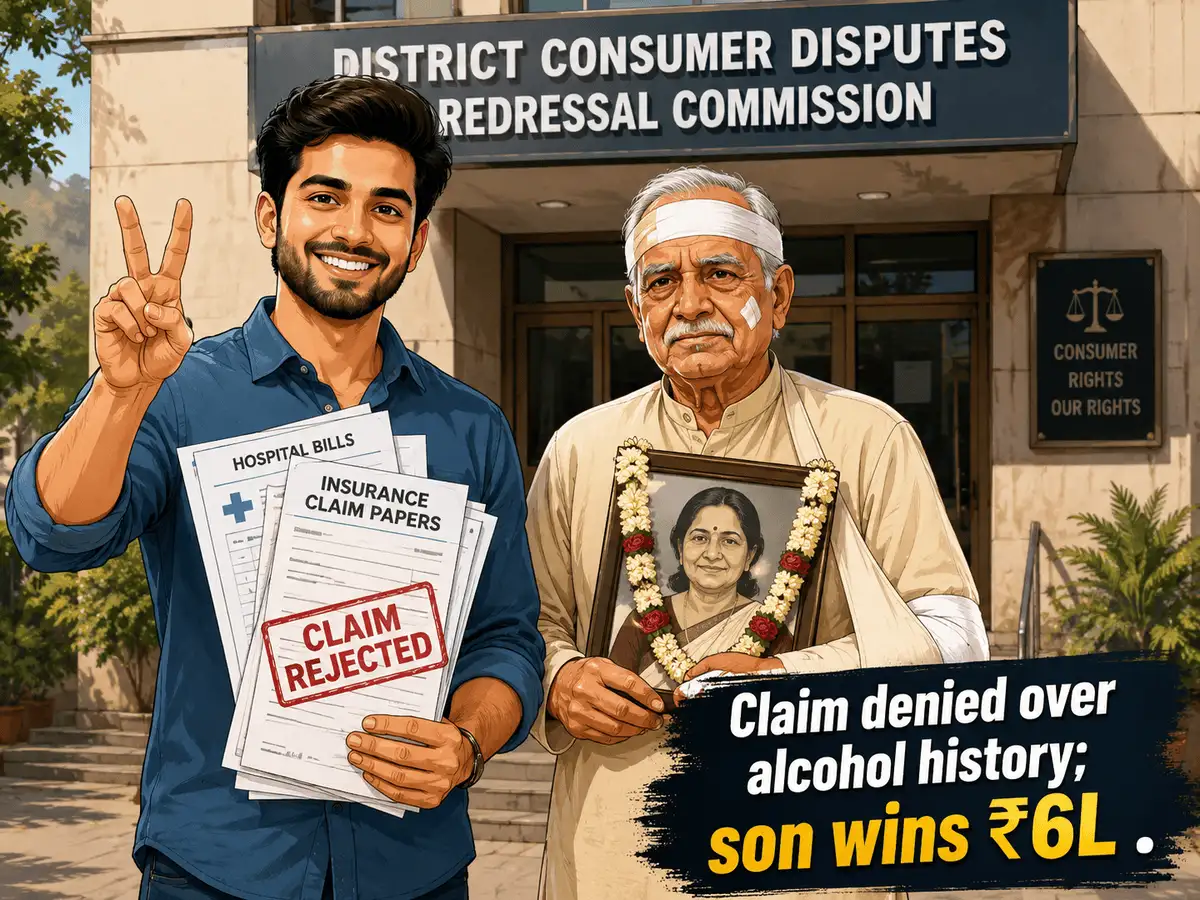
- Consult with Legal Counsel if Denied: If a carrier attempts to deny a claim citing intoxication or misrepresentation incorrectly, beneficiaries have the right to appeal. Consulting with an insurance attorney who understands state insurance regulations can help challenge unwarranted claim denials.
Frequently Asked Questions
Will life insurance pay out if someone dies of alcohol poisoning?
Yes, standard life insurance policies pay out for deaths caused by alcohol poisoning, provided the policy is past the two-year contestability period and the death is ruled accidental or natural. If the death occurs within the first two years, the carrier investigates the original application for material misrepresentation regarding the insured's drinking history.
Does a history of alcohol poisoning disqualify someone from getting life insurance?
Not necessarily, but it significantly impacts underwriting. If the incident was an isolated event in the distant past and the applicant has a clean medical record since, many insurers will offer coverage, though possibly with higher premium rates. If there is a pattern of chronic abuse or recent hospitalization, underwriters may postpone coverage until a sustained period of sobriety is proven.
How does a DUI affect life insurance rates?
A single Driving Under the Influence (DUI) conviction typically categorizes an applicant as a higher-risk driver and drinker. Insurers usually increase premiums, apply table ratings, or require a waiting period of one to three years post-conviction before approving standard or preferred rates. Multiple DUIs often lead to policy denials.
Are accidental death riders invalidated by high blood alcohol levels?
Frequently, yes. Many Accidental Death Benefit (ADB) riders and standalone AD&D policies contain specific intoxication exclusions. If toxicology reports show the insured's blood alcohol concentration exceeded the legal limit at the time of death, the insurer may deny the accidental death rider payout, even though the base life insurance policy still pays out.
What is the contestability period in relation to alcohol-related claims?
The contestability period is the first two years of a life insurance policy. During this timeframe, if the insured dies from alcohol poisoning, the insurance company investigates medical and lifestyle records to ensure the applicant accurately disclosed their alcohol consumption habits on the application. If omission or misrepresentation is found, the carrier can deny the death benefit and refund the premiums.