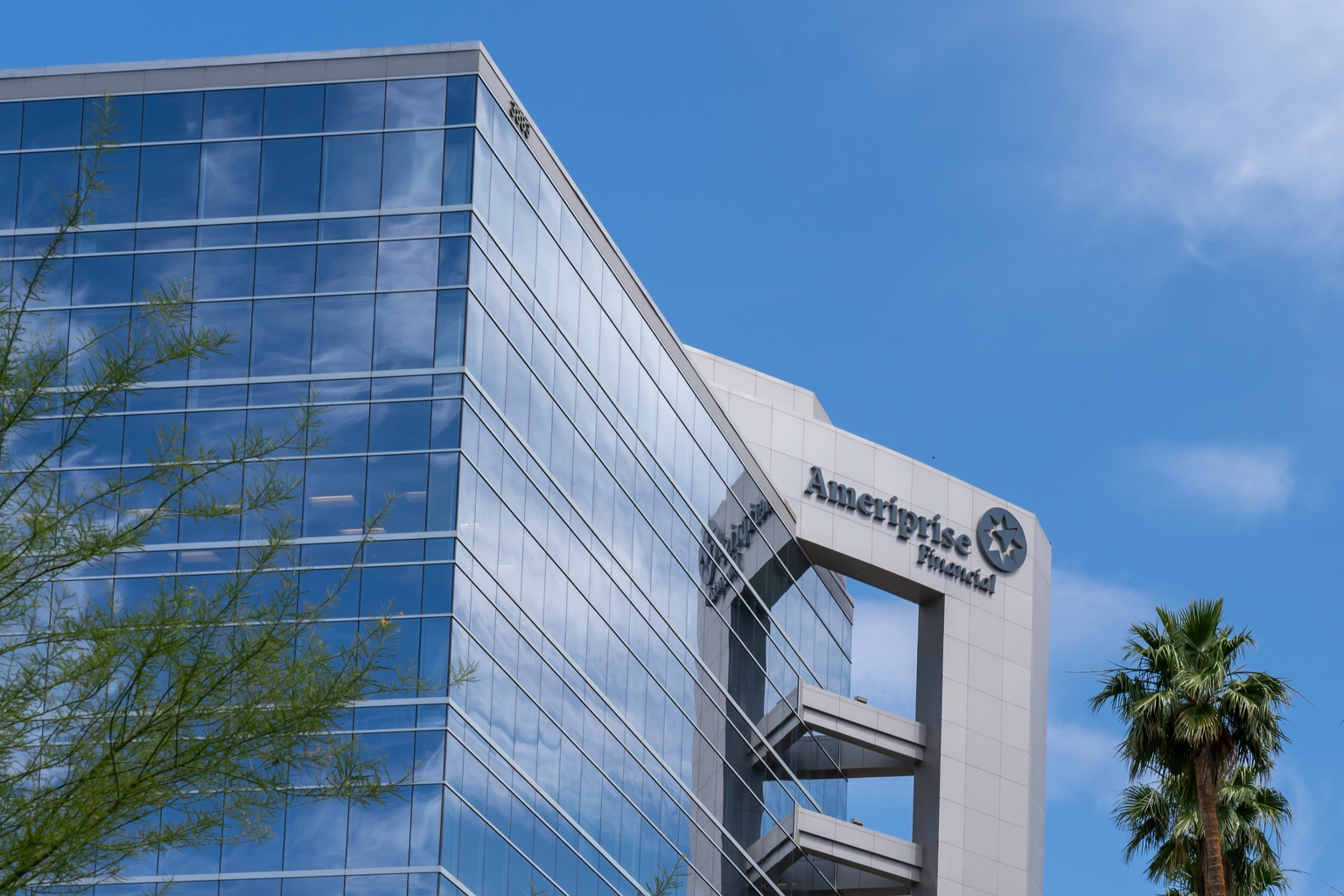
The 2026 Ameriprise workers compensation system upgrade introduces a unified, cloud-based platform designed to streamline incident reporting, automate claim adjudication, and enhance communication between employees and adjusters. This modernization replaces legacy manual processes with a centralized digital dashboard accessible via the Ameriprise employee portal and mobile applications.
Evolution of the Ameriprise Claims Ecosystem
Ameriprise Financial has historically managed its workers' compensation obligations through a hybrid of internal HR oversight and third-party administrative (TPA) partnerships. As of 2026, the firm has finalized a multi-year digital transformation aimed at consolidating these disparate elements into a single, cohesive environment. This upgrade is not merely a cosmetic change to the user interface; it represents a fundamental shift in the underlying data architecture and the logic used to process workplace injury claims.
Before this upgrade, employees and managers often navigated a fragmented landscape of paper forms, disconnected email chains, and external TPA portals. The 2026 system integrates these functions directly into the enterprise resource planning (ERP) framework. By doing so, Ameriprise has reduced the latency between the initial report of an injury and the commencement of medical benefits or wage replacement. This systemic efficiency is critical for maintaining compliance with the varying state laws that govern workers' compensation across the United States.
The primary driver for this upgrade was the need for real-time visibility. In the previous model, corporate risk management teams often operated on data that was 30 to 60 days old. The current 2026 system provides instantaneous analytics, allowing the organization to identify safety trends and implement preventative measures before a localized issue becomes a widespread liability.
Key Features and Technical Enhancements
The 2026 upgrade introduces several proprietary and integrated technologies that differentiate it from the legacy reporting tools used in earlier years. These enhancements focus on user experience, data integrity, and speed of service.
Intelligent Incident Capture (IIC)
The core of the new system is the Intelligent Incident Capture module. Instead of a static PDF form, the IIC utilizes dynamic logic. When a supervisor or employee begins a report, the system asks questions tailored to the nature of the event. For example, a repetitive strain injury report will trigger different data fields than a slip-and-fall incident. This ensures that the first notice of injury (FNoI) is comprehensive and accurate, reducing the need for follow-up investigations that typically delay claim processing.
Telehealth and Provider Integration
Integrated directly into the upgraded system is a dedicated portal for medical providers. In 2026, Ameriprise has expanded its "Direct-to-Provider" network. When an employee is injured, the system suggests the nearest approved medical facilities and offers an immediate telehealth consultation option for non-emergency situations. This integration allows for the digital transmission of medical restrictions and work-status notes, ensuring that the HR department and the employee's manager are instantly notified of the employee’s capabilities and necessary accommodations.
Automated Adjudication and AI Triage
The system now employs advanced algorithms to triage claims based on severity and complexity. Routine, low-risk medical-only claims are often processed through an automated adjudication pathway, allowing for faster payment of medical bills. More complex cases involving lost time or permanent impairment are flagged for human adjusters with specific expertise in the relevant jurisdiction. This "high-tech, high-touch" approach ensures that resources are allocated where they are most needed.
Eligibility and Access Requirements
Access to the upgraded workers' compensation system is strictly regulated to maintain privacy and comply with HIPAA (Health Insurance Portability and Accountability Act) standards.
User Roles and Permissions
Access levels are divided based on the user's relationship to the incident:
- Employees: Can view their own claim status, submit reimbursement requests for mileage, and communicate securely with their claims coordinator.
- Managers/Supervisors: Have the authority to initiate a report and view the "Return to Work" status of their direct reports. They cannot access detailed private medical records unrelated to work capacity.
- HR and Risk Management: Have administrative access to oversee the entire pipeline, manage TPA performance, and analyze aggregate safety data.
Authentication and Security
To access the system in 2026, all users must utilize the Ameriprise corporate Single Sign-On (SSO) with mandatory Multi-Factor Authentication (MFA). For employees accessing the system via personal devices after an injury, the Ameriprise Mobile App serves as the secure gateway. This ensures that sensitive medical data and financial information remain protected against unauthorized access, a major priority in the 2026 cybersecurity landscape.
Step-by-Step Procedures for Reporting an Injury
Navigating the new system is designed to be intuitive, but following the established protocol is essential for ensuring that benefits are delivered without interruption.
Step 1: Immediate Notification
As soon as an injury occurs or a chronic condition is identified as work-related, the employee should notify their direct supervisor. While the system allows for self-reporting, the official 2026 protocol prefers a collaborative report between the employee and the manager to ensure factual consistency.
Step 2: Accessing the Portal
Log in to the Ameriprise Employee Hub and select the "Workplace Safety & Claims" icon. In 2026, this dashboard serves as the central nervous system for all things related to workers' compensation.
Step 3: Completing the IIC Form
The reporter will be prompted to provide:
- Date and Time: When the incident occurred or when the symptoms were first noticed.
- Location: The specific office, remote work location, or field site.
- Nature of Injury: A description of the body part affected and how the injury occurred.
- Witnesses: Names of any colleagues who observed the incident.
Step 4: Medical Evaluation
Upon submission, the system generates a Claim Reference Number and a digital "Medical Authorization" card. This card can be displayed on a smartphone at an urgent care or hospital to ensure the billing is routed correctly to the Ameriprise workers' compensation carrier rather than the employee’s personal health insurance.
Step 5: Follow-Up and Communication
Once the claim is in the system, the "Communications Center" becomes the primary tool for updates. Employees should check this weekly for requests for additional information or notifications regarding benefit payments.
System Comparison: Legacy vs. 2026 Upgrade
To understand the impact of the upgrade, it is helpful to compare the current 2026 functionality with the systems previously in place.
| Feature | Legacy System (Pre-2024) | 2026 Upgraded System |
|---|---|---|
| Reporting Method | Manual paper forms or basic web-entry | Intelligent Incident Capture (IIC) |
| Mobile Access | None or limited web-browser view | Full-feature Ameriprise Mobile Integration |
| Processing Time | 7–14 days for initial acknowledgement | Immediate Reference Number; <24hr TPA contact |
| Medical Integration | Employee-led communication | Direct Provider Portal & Telehealth Sync |
| Data Analytics | Monthly/Quarterly static reports | Real-time Risk & Safety Dashboards |
| Claim Transparency | Phone-in status checks required | Real-time "Claim Tracker" progress bar |
| Payment Method | Physical checks mailed to home | Direct Deposit and Virtual Payment Cards |
Compliance, Data Security, and Legal Considerations
Workers' compensation is a highly regulated field, and the 2026 upgrade was built to navigate the complexities of state-specific statutes. Because Ameriprise operates in multiple jurisdictions, the system must automatically adapt to the laws of the state where the employee is based.
State-Specific Logic
The system's backend contains a repository of state-mandated forms and deadlines. For example, if an employee in California files a claim, the system automatically triggers the "DWC-1" form and ensures that the mandatory "Notice of Potential Eligibility" is sent within the legal timeframe. This automation prevents the firm from incurring fines and ensures that employees receive the specific protections afforded by their local laws.
Privacy and HIPAA Compliance
While workers' compensation records are generally exempt from certain HIPAA privacy rules to the extent necessary to administer the claim, Ameriprise has implemented a "Privacy by Design" approach in the 2026 upgrade. Only the minimum necessary information is shared with managers. Sensitive details regarding a worker’s underlying health conditions that are not relevant to the work injury are siloed and protected behind enhanced encryption layers.
Disclaimer: Workers' compensation laws vary significantly by jurisdiction. This guide provides an overview of the internal Ameriprise system and does not constitute legal or medical advice. Employees should consult with their legal counsel or state workers' compensation board for specific rights and regulations.
Troubleshooting and User Support
Despite the streamlined nature of the 2026 upgrade, users may occasionally encounter technical hurdles or administrative questions.
- Login Issues: If the SSO fails, users should contact the Ameriprise IT Help Desk. Workers' compensation support cannot resolve credentialing issues.
- Missing Claim Data: If a submitted claim does not appear in the "Claim Tracker" within 24 hours, the employee should contact the HR Benefits Hotline.
- Document Upload Errors: The system supports PDF, JPEG, and PNG formats. If an upload fails, ensure the file size is under 25MB and that the "Case Reference Number" is clearly visible on the document.
- Provider Issues: If a medical provider refuses the digital authorization card, the employee can use the "Provider Support" button in the app to trigger a direct call from the adjuster to the clinic.
Future Outlook: The Role of Predictive Analytics
Looking beyond 2026, the Ameriprise system is slated to integrate even more advanced predictive modeling. The current upgrade has laid the groundwork by centralizing data. The next phase of the system’s life cycle involves using this data to predict "secondary" impacts of workplace injuries, such as mental health strain or long-term disability risks. By identifying these factors early through the upgraded platform, Ameriprise aims to provide more holistic support to its workforce, moving the system from a transactional tool to a wellness-focused ecosystem.
FAQs
How do I find my claim adjuster’s contact information in the new system?
Once you log into the Ameriprise Employee Hub and navigate to the "Workplace Safety & Claims" dashboard, your assigned adjuster’s name, direct phone line, and secure messaging link will be displayed on the "Claim Summary" page. The 2026 upgrade ensures that this information is populated as soon as the TPA assigns a specialist, which usually occurs within one business day of the report.
Can I use the system to file for a work-from-home injury?
Yes. The 2026 system includes specific modules for remote work environments. When reporting the injury through the IIC, you will select "Remote/Home Office" as the location. The system will then prompt you to describe your workspace setup and the activity you were performing at the time of the injury to help determine compensability under your state’s specific guidelines for telecommuters.
What should I do if the system says my claim is "Under Investigation"?
A status of "Under Investigation" is a standard part of the adjudication process in the 2026 system. It typically means the adjuster is waiting for medical records or a statement from a supervisor to confirm the details of the incident. You can check the "Action Items" section of your portal to see if there are any documents you need to sign or provide to speed up the process.
Is the mobile app required to use the new workers' compensation system?
While not strictly required—as all features are available via the desktop portal—the Ameriprise Mobile App is highly recommended. It allows you to take photos of receipts or medical notes and upload them instantly, use GPS to find the nearest approved clinic, and receive push notifications when a payment has been issued.
How does the system handle mileage reimbursement in 2026?
The upgrade includes a "Mileage Tracker" feature. You can log your trips to and from medical appointments directly in the app. The system uses integrated mapping software to calculate the distance and applies the current IRS or state-mandated reimbursement rate automatically, eliminating the need for manual spreadsheets or paper logs.
Who can I talk to if I feel the system is not reflecting my medical status accurately?
If you believe the digital portal is not correctly showing your work restrictions or health status, you should first contact your Claims Coordinator. If the issue persists, you can request a "System Audit" through the HR Ombudsman. This ensures that the data being transmitted from your medical provider is syncing correctly with the Ameriprise internal records.
Practical Recommendation for Employees
To maximize the benefits of the 2026 Ameriprise workers compensation system upgrade, employees should proactively download the latest version of the Ameriprise Mobile App and ensure their personal contact information (including direct deposit details) is updated in the HR system. In the event of an injury, utilizing the Intelligent Incident Capture tool within the first two hours of the incident is the most effective way to ensure a seamless transition from injury to recovery. By engaging with the digital tools early, you reduce the risk of administrative delays and ensure that your focus remains on your medical recovery rather than paperwork.