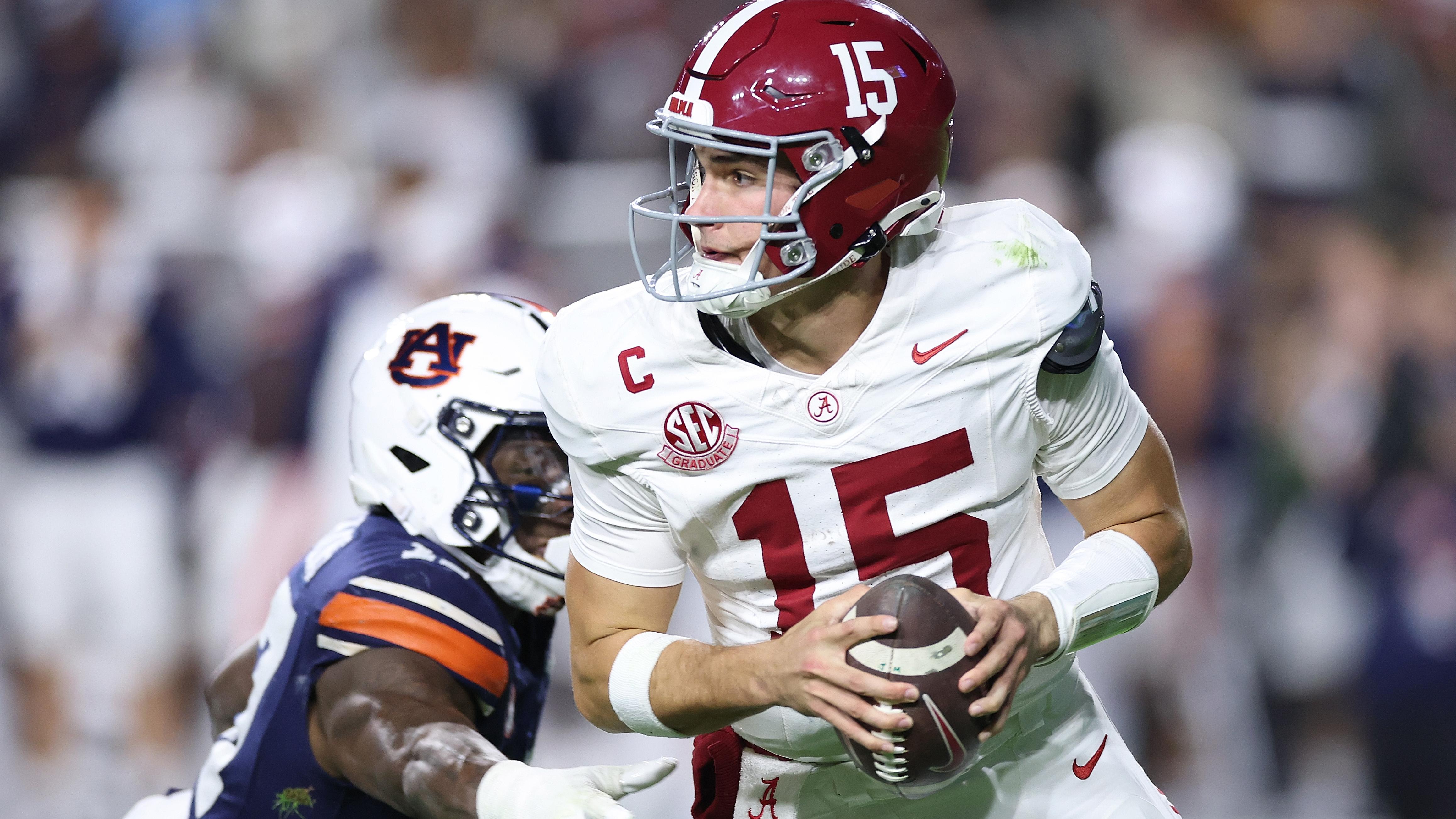
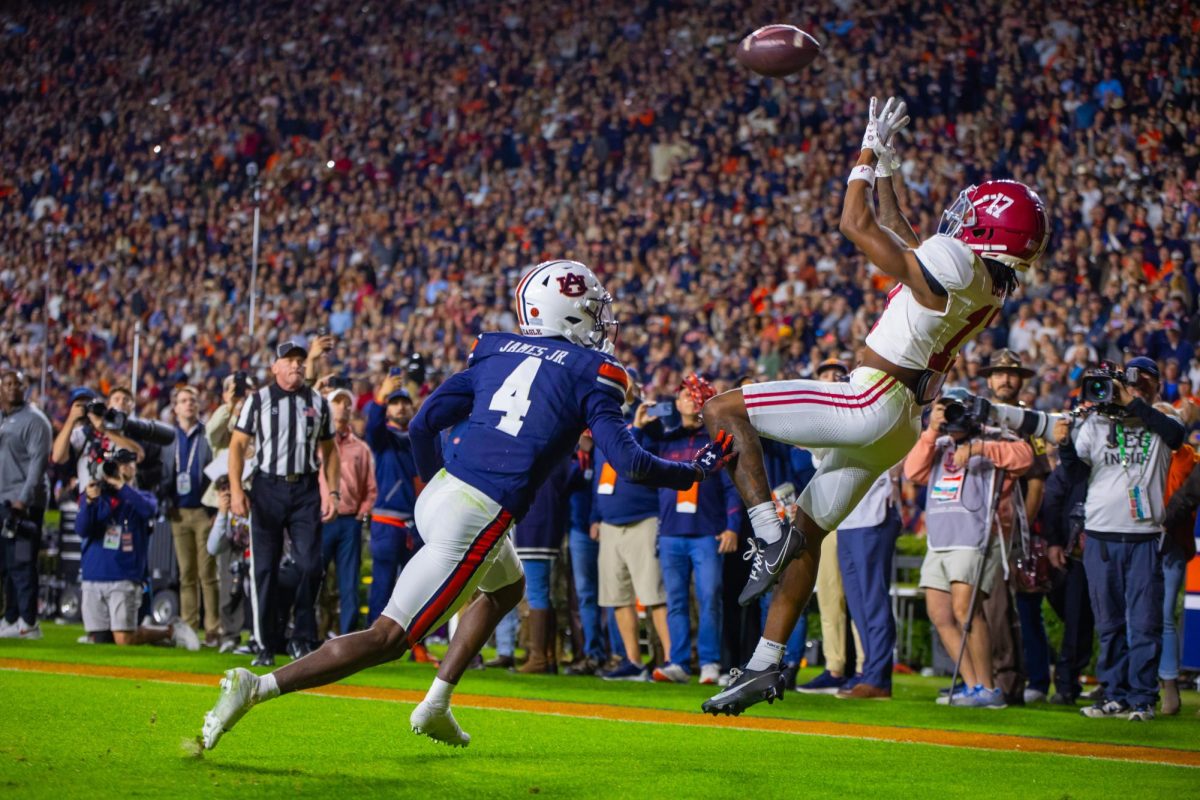
Alabama's historic dominance over Auburn in the Iron Bowl is defined by a profound historical advantage, high-stakes championship implications, and relentless strategic execution by legendary coaching staffs. While Auburn has delivered some of the most iconic upsets in college football history, the broader narrative of the rivalry reflects sustained program excellence, superior recruiting depth, and psychological resilience under intense pressure.
The Historical Scope of the Iron Bowl Rivalry
The Iron Bowl stands as one of the most fiercely contested and culturally significant annual matchups in American sports. Pitting the University of Alabama Crimson Tide against Auburn University, the game has historically paralyzed the state of Alabama and captured the attention of the entire college football world. Yet, beneath the veneer of an unpredictable, anything-can-happen rivalry lies a stark statistical reality: Alabama holds a commanding lead in the overall series history.
To understand Alabama's overarching dominance, one must examine the eras that shaped the series. The rivalry was played on campus fields and neutral sites like Birmingham’s Legion Field before moving to a permanent home-and-home campus schedule in 2000. Throughout these transitions, Alabama has consistently maintained a winning edge across multiple decades. While Auburn has enjoyed notable golden periods—most notably under coaches like Ralph "Shug" Jordan, Pat Dye, and Gene Chizik—these stretches of success often served as counterpoints to longer, highly disciplined periods of Crimson Tide superiority.
This historical advantage is not merely a byproduct of occasional hot streaks; it reflects institutional alignment. Both universities command intense statewide and national loyalties, but Alabama’s historical ability to sustain elite infrastructure, secure premier coaching talent, and reload talent year after year has allowed the Crimson Tide to weather rebuilding phases much faster than their arch-rivals.
The Architectural Pillars of Crimson Tide Success
Sustained dominance in a premier college football rivalry requires more than raw talent; it requires structural institutional stability. Under legendary head coaches like Paul "Bear" Bryant and later Nick Saban, Alabama built a blueprint for long-term excellence that directly contributed to its success against Auburn.
Elite Coaching Consistency
A primary driver of Alabama's edge in the Iron Bowl has been coaching stability and pedigree. Coach Bryant dominated the mid-to-late 20th century, instilling a culture of physical toughness and psychological discipline that often overwhelmed Auburn teams, even those with superior talent in specific years. Decades later, Nick Saban established an unprecedented standard of preparation. Saban’s meticulous approach to the Iron Bowl treated the game not as an emotional outlier, but as a systematic challenge solved through foundational execution, flawless assignment football, and disciplined penalty avoidance.
Talent Acquisition and Depth
The recruiting machinery at Alabama has historically operated at an elite tier, securing top-ranked national recruiting classes with regularity. In a rivalry game where emotions run high and physical attrition is guaranteed, depth often determines the outcome in the fourth quarter. Alabama's ability to rotate multi-star athletes across every position group allows the team to wear down opponents. When Auburn has pulled off upsets, it has frequently required near-flawless execution, extraordinary individual performances, and uncharacteristic errors from the Crimson Tide.
Psychological Advantage and Rivalry Pressure
Playing in the Iron Bowl carries immense psychological weight. The game frequently decides Southeastern Conference (SEC) Western Division titles, College Football Playoff berths, and national championship aspirations. Alabama's historical familiarity with high-stakes environments—cultivated by regular appearances in national championship games—has often provided a composure advantage. The Crimson Tide program is built to manage the crushing weight of expectations, whereas Auburn has historically thrived in the role of the dangerous underdog.
Landmark Games That Shaped the Modern Narrative
While Alabama leads the series statistically, the lore of the Iron Bowl is defined by unforgettable moments of tension, brilliance, and heartbreak. Examining specific historical contests illustrates how Alabama's dominance has occasionally been challenged by legendary Auburn efforts.
- 1972 ("Punt, Bama, Punt"): A defining moment for Auburn, where two blocked punts returned for touchdowns by Bill Newton secured a stunning 17-16 victory, halting Alabama's undefeated run.
- 1982 (First Auburn Win After a Decade): Pat Dye snapped Alabama's nine-game winning streak in the series with a 23-22 victory, signaling the resurgence of Auburn football and the end of Bear Bryant's final season against the Tigers.
- 1985 (Van Tiffin's Kick): A historic 25-23 Alabama victory decided by a last-second, 52-yard field goal by Van Tiffin, cementing the game's reputation for theatrical finishes.
- 2010 ("The Camback"): Heisman Trophy winner Cam Newton led Auburn back from a 24-0 deficit at Bryant-Denny Stadium to win 28-27, propelling the Tigers toward a national championship.
- 2013 ("The Kick Six"): Widely regarded as one of the wildest finishes in sports history, Chris Davis returned a missed 57-field-goal attempt 109 yards as time expired to give Auburn a 34-28 victory.
- 2021 (Four-Overtime Thriller): Alabama survived a gritty defensive battle in Jordan-Hare Stadium, winning 24-22 in four overtimes to maintain momentum toward a playoff appearance.
| Game Year | Final Score | Deciding Factor / Historic Significance |
|---|---|---|
| 1972 | Auburn 17, Alabama 16 | "Punt, Bama, Punt" – two blocked punts in the fourth quarter stunned the Crimson Tide. |
| 1985 | Alabama 25, Auburn 23 | Van Tiffin hits a legendary 52-yard field goal as time expires to win the game. |
| 2010 | Auburn 28, Alabama 27 | Cam Newton orchestrates a historic 24-point comeback in Tuscaloosa. |
| 2013 | Auburn 34, Alabama 28 | The "Kick Six" – a missed field goal returned 109 yards for the winning touchdown. |
| 2021 | Alabama 24, Auburn 22 | The first Iron Bowl to reach multiple overtimes, resolved in four frames. |
Strategic and Tactical Dimensions of the Matchup
On the tactical front, the Iron Bowl is frequently a masterclass in physical football. Because both coaching staffs are intimately familiar with each other's personnel, schemes, and tendencies, tactical surprises are rare. Instead, the game usually hinges on trench warfare, turnover margins, and red-zone efficiency.
Line of Scrimmage Dominance
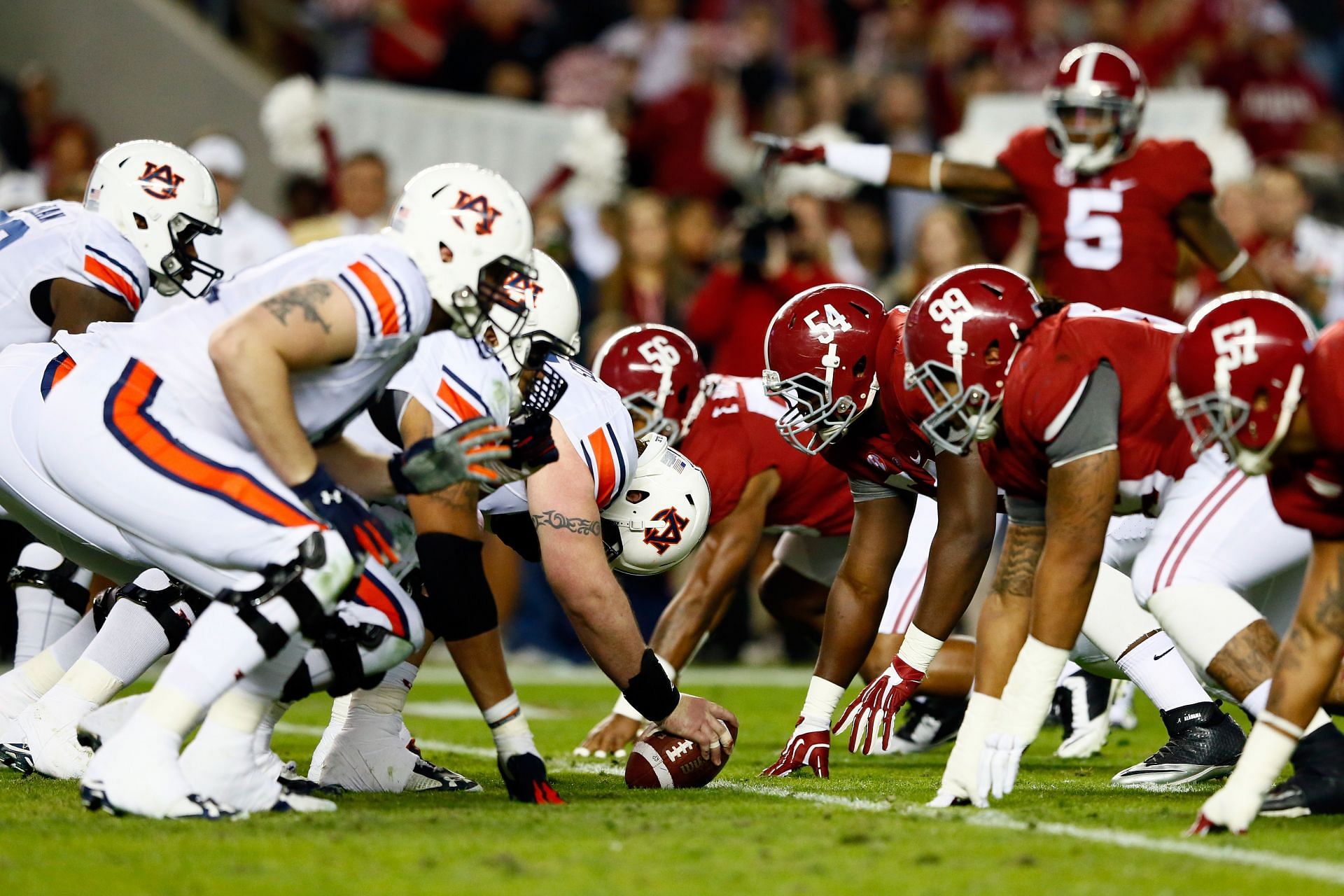
Football games in the SEC are won and lost in the trenches. Alabama's historical success relies on developing massive, technically sound offensive linemen and disruptive defensive fronts. When Alabama controls the line of scrimmage, Auburn's offense is forced into predictable passing situations, neutralizing their play-action and rushing attacks. Conversely, Auburn's most successful defensive game plans against Alabama have involved shooting gaps, stunting linebackers, and disrupting the timing of the Crimson Tide backfield.
Minimizing Explosive Plays and Penalties
In games featuring evenly matched rosters or intense emotional factors, margin for error shrinks dramatically. Penalties, dropped passes, and turnovers often dictate the winner. Alabama's institutional discipline under elite coaching has historically minimized self-inflicted wounds. When the Crimson Tide lose an Iron Bowl, it is frequently because they turned the ball over multiple times or allowed explosive, broken-field plays that galvanized the Auburn sideline and crowd.
Frequently Asked Questions
What is the overall record in the Iron Bowl series?
Alabama holds a commanding lead in the all-time series history against Auburn. While the exact win-loss tally updates with each annual meeting, the Crimson Tide have maintained a multi-game advantage for decades, reflecting their long-term stability and success in the matchup.
Why is the game called the Iron Bowl?
The game earned its moniker from Birmingham, Alabama's historical status as a major center for iron and steel production. Early editions of the game were played at Legion Field in Birmingham, anchoring the industrial identity of the city to the state's biggest athletic contest.
What are some of the most famous upsets in Iron Bowl history?
Notable upsets include Auburn's 1972 "Punt, Bama, Punt" game, the miraculous 2013 "Kick Six" finish where a missed field goal was returned 109 yards for a touchdown, and the 2010 "Camback" led by Heisman winner Cam Newton.
How does home-field advantage impact the Iron Bowl?
Historically, playing at Jordan-Hare Stadium in Auburn or Bryant-Denny Stadium in Tuscaloosa introduces intense hostile environments. Road teams in the Iron Bowl face not only opposing fan bases but also the unique pressure of state-wide bragging rights, making victories on hostile turf exceptionally difficult to secure.
What factors contribute most to Alabama's sustained success?
Alabama's success is driven by elite coaching stability, consistent top-tier recruiting classes that provide superior depth, institutional commitment to football excellence, and psychological composure in high-pressure championship environments.
Practical Considerations for Analysing the Rivalry
When evaluating future iterations of the Iron Bowl or analyzing historical outcomes, observers must look beyond raw records. Rivalry games possess unique dynamics that render standard statistical projections unreliable. Key metrics to monitor include health status entering late November, performance in hostile environments, and turnover trends over the preceding month of the season. Understanding these underlying variables provides a clearer picture of why Alabama's historical dominance endures while Auburn remains one of the most dangerous opponents in college athletics.