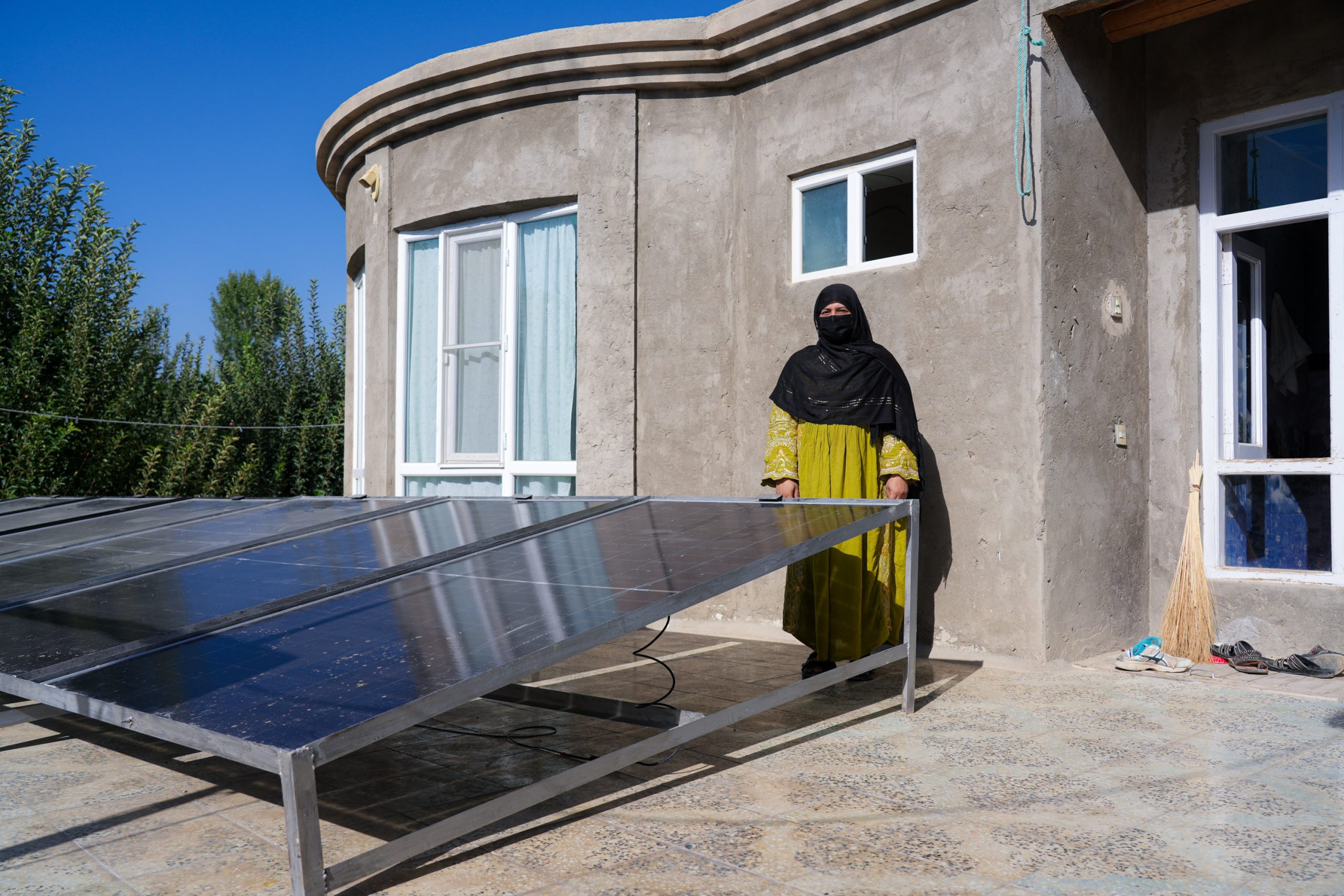
Akon Lighting Africa (ALA) is a transformative initiative that provides scalable solar solutions—including streetlights, domestic kits, and micro-grids—to millions of households across the continent. By utilizing a unique "pre-financing" business model and technical training through the Solar Academy, the project addresses the critical energy gap in rural areas where traditional grid expansion remains economically unfeasible.
The Genesis of a Renewable Energy Revolution
The narrative of energy in Africa has historically been one of scarcity. For decades, more than 600 million people across the continent lived without access to electricity, relying instead on expensive, hazardous, and polluting alternatives like kerosene lamps and charcoal. In 2014, international music star Akon, alongside entrepreneurs Samba Bathily and Thione Niang, launched Akon Lighting Africa (ALA) to confront this crisis directly.
Unlike many philanthropic endeavors that rely on sporadic donations, ALA was established as a for-profit social enterprise. The founders recognized that charity alone could not sustain the massive infrastructure required to light up a continent. By 2026, the initiative has solidified its role as a blueprint for decentralized energy, demonstrating that renewable technology, when paired with a robust financial framework, can bypass the limitations of aging national power grids.
The primary objective was simple yet profound: to bring light to the "last mile" villages—those remote settlements that national utility companies often deem too expensive to connect. By focusing on solar energy, the project leverages Africa’s most abundant natural resource to provide immediate, reliable, and clean power.
The Business Model: Bridging the Financial Gap
The most significant barrier to rural electrification is the high upfront cost of equipment. Akon Lighting Africa bypassed this hurdle through a sophisticated public-private partnership (PPP) model. Instead of asking impoverished villagers to pay for installations, the initiative secured a $1 billion credit line from international banks, including partners like China’s Jiangsu Sainty and the insurance group Coface.
Pre-financing and Government Cooperation
The core of the financial strategy is a "pre-financing" mechanism. ALA provides the equipment and installation upfront, allowing African governments to pay back the investment over a period of three to five years through their national budgets. This removes the immediate fiscal burden on developing nations while ensuring the project is treated as a serious infrastructure investment rather than a temporary aid package.
This model serves several purposes:
- Scalability: It allows for the simultaneous rollout of projects in multiple countries, such as Senegal, Mali, Guinea, Sierra Leone, and Niger.
- Accountability: Because governments are financial stakeholders, there is a greater incentive to integrate these solar solutions into national development plans.
- Sustainability: The revenue generated allows Solektra International (the technical partner) to maintain operations and continue R&D for more efficient solar components.
Technical Components of the Solar Infrastructure
Akon Lighting Africa does not offer a one-size-fits-all solution. The technical depth of the project lies in its varied product tiers, designed to meet different community needs from individual households to entire village squares.
1. Solar Street Lamps
These are standalone units consisting of a photovoltaic (PV) panel, a high-efficiency LED bulb, and a durable battery housed within the pole. They require no external wiring or connection to a central grid. In rural villages, these lamps transform social and economic life after sunset. Markets can stay open longer, children can play safely, and crime rates typically see a sharp decline in illuminated areas.
2. Domestic Solar Kits
For individual homes, the initiative provides compact kits. These typically include a small rooftop solar panel, a central control box with a battery, and several LED bulbs. Many kits also feature USB ports for charging mobile phones—a critical necessity in Africa, where mobile banking and communication are essential for daily survival but often hindered by a lack of charging points.
3. Community Micro-Grids
In larger or more densely populated areas, ALA implements micro-grids. These are centralized solar arrays that distribute AC power to a cluster of buildings. Micro-grids are more complex but offer higher capacity, allowing for the operation of small appliances like refrigerators for clinics (to store vaccines) or computers for local schools.
| Feature | Solar Street Lamps | Domestic Solar Kits | Community Micro-Grids |
|---|---|---|---|
| Primary Use | Public safety & commerce | Household lighting & charging | Clinics, schools & small business |
| Installation | Standalone poles | Rooftop/Interior | Centralized array & distribution |
| Maintenance | Low (occasional cleaning) | Low (user-managed) | Medium (requires technician) |
| Energy Output | Fixed for 10-12 hours | 15W - 50W (typical) | 1kW - 100kW+ |
| Impact | Community-wide | Individual family | Institutional/Industrial |
The Solar Academy: Ensuring Long-Term Viability
A common failure point for renewable energy projects in developing regions is the "install and walk away" approach. Without local expertise, a single blown fuse or a dust-covered panel can render an entire system useless. To combat this, ALA established the Solar Academy in Bamako, Mali.
The Academy is a professional training center designed to empower African engineers and entrepreneurs. By 2026, it has trained thousands of young Africans in the installation, maintenance, and management of PV systems. This educational pillar serves two vital functions:
- Maintenance Resilience: It creates a decentralized network of technicians who can service the equipment locally, ensuring that the "solar hope" doesn't fade due to technical neglect.
- Job Creation: It addresses the high unemployment rates among African youth by providing them with high-demand skills in the burgeoning green energy sector.
The curriculum covers everything from the physics of solar energy and battery chemistry to business management and project financing. This holistic approach ensures that the project leaves behind not just hardware, but a sustainable human infrastructure.
Socio-Economic Impact: Beyond Just Light
The arrival of solar power in a village triggers a ripple effect across multiple sectors of society. It is not merely about replacing candles; it is about enabling modern development.
Health and Environment
The reduction in kerosene use significantly improves indoor air quality. According to the World Health Organization, household air pollution is a major cause of respiratory illness in rural Africa. By switching to solar, families eliminate toxic fumes and the constant fire hazard posed by open flames. Furthermore, solar-powered clinics can maintain "cold chains" for life-saving medicines and operate medical equipment after dark.
Education
Solar kits provide children with reliable light to study during the evening. Data from early adoption sites in Senegal and Guinea suggested a measurable improvement in student performance and literacy rates once solar lighting became available. The ability to charge tablets and laptops also opens the door to digital learning resources that were previously inaccessible.
Economic Productivity
Electricity is a catalyst for the "informal economy." Tailors can use electric sewing machines, barbers can use electric clippers, and farmers can utilize solar-powered irrigation pumps. By extending the working day, solar energy increases the earning potential of rural entrepreneurs, directly contributing to poverty alleviation.
Addressing Challenges and Critiques
No project of this magnitude is without its hurdles. Over the years, critics have pointed to the risks associated with the debt-heavy "pre-financing" model. If a participating government faces a coup or a severe economic downturn, the repayment of these credit lines can become a point of contention.
Furthermore, the harsh African environment—extreme heat, dust, and humidity—places immense stress on solar components. Ensuring that battery systems remain functional after five to ten years remains a constant engineering challenge. ALA has responded by sourcing more ruggedized components and emphasizing the role of the Solar Academy in preventative maintenance.
There has also been the challenge of competing with subsidized fossil fuels in some regions. However, as the cost of solar technology has plummeted globally, the economic argument for solar over diesel generators has become indisputable, even without heavy subsidies.
The Roadmap for Solar Integration in 2026
As we look at the state of rural electrification in 2026, the legacy of Akon Lighting Africa is visible in the proliferation of similar decentralized energy startups. The initiative proved that there is a viable market for energy in rural Africa, prompting a surge in private investment.
Current trends in the sector include:
- Smart Metering: Integrating GSM technology into solar kits to allow for "pay-as-you-go" (PAYG) models, where users pay small amounts via mobile money.
- Lithium-Iron Phosphate (LiFePO4) Storage: Moving away from older lead-acid batteries to longer-lasting, safer lithium variants that can withstand higher temperatures.
- Productive Use Equipment (PUE): A shift from providing just light to providing energy for tools, such as grain mills and water pumps, which directly generate income for the user.
Frequently Asked Questions
Is Akon Lighting Africa a charity?
No, Akon Lighting Africa is a for-profit social enterprise. While it has a strong humanitarian mission, it operates on a business model involving credit lines and government contracts. This structure is intended to ensure the project is sustainable and scalable across the entire continent without being solely dependent on donations.
Which countries have benefited from the project?
The project has been active in over 15 African countries, including Mali, Senegal, Guinea, Benin, Sierra Leone, Niger, Namibia, and Gabon. Each country undergoes a specific assessment to determine whether street lamps, domestic kits, or micro-grids are the most appropriate solution for their rural populations.
How does the Solar Academy help local communities?
The Solar Academy, located in Bamako, Mali, provides technical training to young Africans. By teaching them how to install and maintain solar equipment, the project ensures that there is local expertise to handle repairs. This creates jobs and ensures the long-term functionality of the solar installations.
Why is solar energy better for Africa than expanding the traditional power grid?
Expanding the traditional grid to remote areas is incredibly expensive and time-consuming due to the vast distances and difficult terrain. Solar energy is decentralized, meaning it can be installed immediately in any location without waiting for miles of cables to be laid. It is also cleaner and more cost-effective in the long run.
Can the solar kits charge more than just lights?
Yes, most modern domestic solar kits provided through the initiative include USB ports for charging mobile phones and power outlets for small appliances like radios or fans. Larger community micro-grids can support more demanding equipment like refrigerators and computers.
Moving Forward: Next Steps for Rural Electrification
For those looking to support or replicate the success of solar initiatives in Africa, the focus must remain on the "Three Pillars": Finance, Technology, and Training.
If you are a policymaker or an investor, the next step is to explore integrated energy plans that combine national grid extension with decentralized solar solutions. For local entrepreneurs, seeking certification through institutions like the Solar Academy can provide the necessary skills to participate in the maintenance and distribution networks that keep these systems running. The "solar hope" brought to villages is not just a light in the dark; it is the foundation for a sustainable, electrified future across the continent.