Successful Airbnb maintenance in 2026 requires transitioning from a reactive "fix-it-when-it-breaks" mindset to a proactive, data-driven systems approach. To maintain a 5-star rating and "Guest Favorite" status, hosts must implement rigorous preventative schedules, leverage smart home monitoring technology, and establish a reliable local vendor network to ensure property longevity and guest satisfaction.
The short-term rental (STR) landscape has shifted significantly over the last few years. Guests in 2026 are more discerning than ever, often comparing their Airbnb experience to boutique hotels rather than traditional home-sharing. A single leaking faucet or a dusty ceiling fan is no longer just a minor nuisance; it is a direct threat to your search ranking and your bottom line. Effective maintenance is the invisible backbone of a profitable STR business. It preserves the value of your real estate asset while ensuring the seamless operational flow that generates passive income.
The Evolution of Short-Term Rental Maintenance Standards
In the early days of Airbnb, guests were often willing to overlook minor quirks—a sticky door or a flickering light—in exchange for a unique local experience. However, the professionalization of the industry has raised the bar. Maintenance is no longer just about fixing what is broken; it is about "pre-habilitating" the space to prevent failure during a guest's stay.
The primary challenge for hosts is the "compressed wear and tear" that STRs experience. A property used as a primary residence might see the dishwasher run four times a week; an Airbnb with high occupancy might see it run twice a day. Furniture is moved more frequently, luggage scuffs the walls, and HVAC systems are often pushed to their limits by guests who prefer extreme temperatures. Understanding this accelerated depreciation is the first step toward managing it effectively.
Creating a Tiered Maintenance Strategy
To manage a property efficiently without burning out, you must categorize your maintenance tasks into four distinct tiers. This allows you to allocate your time and budget where they will have the most significant impact on the guest experience.
Tier 1: The Routine Turn-Over Inspection
This occurs during every cleaning window. While your cleaning crew is responsible for hygiene, they should also act as your first line of defense for maintenance.
- Functional Checks: Test every light switch, remote control (check batteries), and faucet.
- Appliance Audit: Ensure the microwave, coffee maker, and toaster are clean and functioning.
- Supply Verification: Confirm that safety items like fire extinguishers are pressurized and in their designated spots.
- Visual Damage Assessment: Look for fresh scuffs, broken chair legs, or stained linens that need immediate replacement.
Tier 2: Monthly Preventative Maintenance
These tasks are designed to catch issues before they escalate into emergencies.
- HVAC Filter Replacement: In high-occupancy units, filters should be changed monthly to maintain air quality and system efficiency.
- Pest Control: Monthly or bi-monthly professional treatments are standard for top-tier listings to prevent infestations.
- Drain Maintenance: Use enzyme-based cleaners to prevent clogs in showers and kitchen sinks, especially in properties that allow long-term stays.
Tier 3: Quarterly "Deep" Inspections
Every three months, a more thorough walkthrough is required. This often coincides with seasonal changes.
- Exterior Check: Clean gutters, inspect the roof for loose shingles, and check exterior lighting.
- Safety Systems: Test smoke and carbon monoxide detectors. According to the National Fire Protection Association (NFPA), testing these monthly is ideal, but a formal quarterly audit ensures documentation for insurance purposes.
- Furniture Tightening: Check the bolts on bed frames, dining chairs, and tables. Loose furniture feels "cheap" and can be a safety hazard.
Tier 4: Annual Capital Improvements
Once a year, usually during your lowest occupancy month, the property should be taken off-market for 3-5 days for significant updates.
- Painting: A fresh coat of paint in high-traffic areas (entryways, hallways) instantly revitalizes a listing.
- Professional Carpet/Upholstery Cleaning: Steam cleaning extends the life of your fabrics and removes deep-seated odors.
- Appliance Servicing: Have a technician service the refrigerator coils, water heater, and HVAC condenser.
Smart Technology and Automated Maintenance in 2026
By 2026, smart home technology has moved from "luxury" to "essential" for professional hosts. These tools provide remote visibility into the health of your property, reducing the need for physical inspections.
Leak Detection Systems
Water damage is one of the most expensive maintenance issues a host can face. Smart leak sensors placed under sinks, near water heaters, and behind toilets can alert you to a small drip before it becomes a flooded basement. Modern systems can even automatically shut off the main water valve if a major leak is detected.
Smart HVAC Management
Thermostats like Nest or Ecobee allow you to monitor energy usage and set "safety temps" to prevent pipes from freezing or the unit from overheating. Furthermore, many modern systems now provide diagnostic alerts, telling you if the furnace is cycling improperly or if the AC compressor is drawing too much power, signaling an impending failure.
Noise and Occupancy Monitoring
While not strictly "repair" maintenance, noise monitors help maintain the "social maintenance" of your property. By preventing loud parties, you reduce the physical wear and tear on the property and protect your relationship with neighbors—a key component of long-term STR viability.
Comprehensive Maintenance Schedule and Frequency
The following table outlines the standard maintenance expectations for a high-performing Airbnb property in 2026.
| Category | Task | Frequency | Estimated Time |
|---|---|---|---|
| Safety | Smoke/CO Detector Testing & Battery Check | Monthly | 15 Mins |
| HVAC | Filter Replacement & Vent Dusting | Every 1-2 Months | 20 Mins |
| Plumbing | Inspect under-sink pipes for leaks | Every Turnover | 5 Mins |
| Plumbing | Water Heater Flush | Annually | 1 Hour |
| Electrical | Test GFCI outlets in kitchen/bath | Quarterly | 10 Mins |
| Kitchen | Clean dishwasher filter & refrigerator coils | Quarterly | 45 Mins |
| Exterior | Gutter cleaning & debris removal | Bi-Annually | 2 Hours |
| General | Tightening furniture & oiling hinges | Quarterly | 1 Hour |
| General | Professional Deep Clean (Full Property) | Bi-Annually | 6-8 Hours |
Budgeting for the Unpredictable
Maintenance costs are not a static expense; they fluctuate based on the age of the property and your occupancy rate. A common mistake for new hosts is failing to set aside a "sinking fund."
The 1% Rule vs. The Percentage of Revenue Rule: Traditional real estate advice suggests setting aside 1% of the property's value annually for maintenance. However, for Airbnb listings, a more accurate model is the 5% to 10% of gross monthly revenue rule. Because the usage is higher, the maintenance requirement is higher. If your property generates $5,000 in a month, you should ideally move $250 to $500 into a dedicated maintenance savings account.
This fund covers both the small monthly costs (filters, lightbulbs, cleaning supplies) and the large, infrequent costs (replacing a $1,500 mattress or a $4,000 HVAC repair). Having this liquidity prevents a maintenance emergency from becoming a financial crisis.
Managing Vendor Relationships
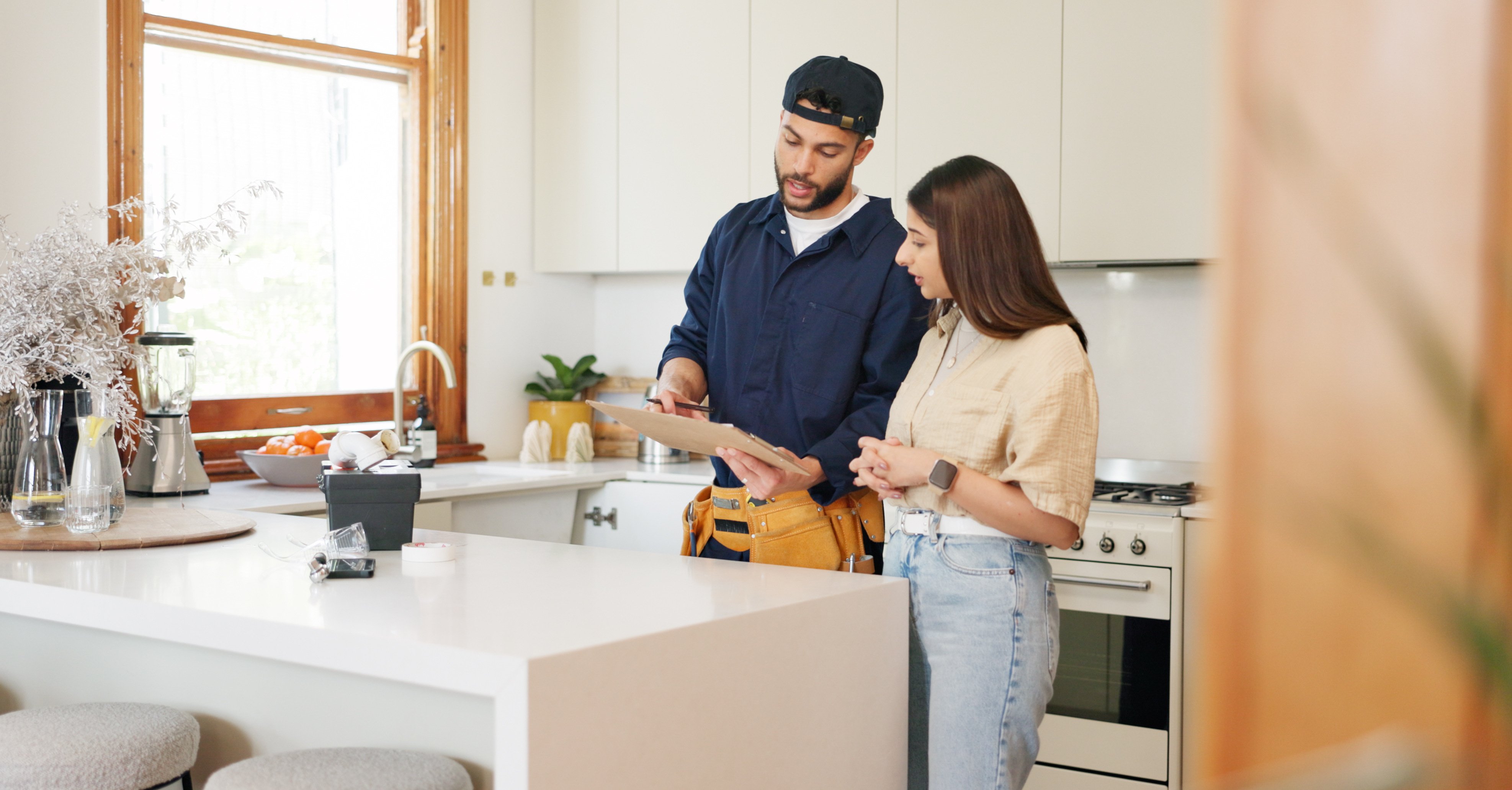
Unless you live next door to your listing and are exceptionally handy, you will need a team. In 2026, the gig economy for home services has matured, making it easier to find specialists, but reliability remains the primary currency.
- The Master Handyman: Your "boots on the ground." This person should be familiar with your property’s specific quirks and have access to a lockbox or digital code.
- The Emergency Plumber/Electrician: You need someone who offers 24/7 service. Establishing a relationship before a pipe bursts at 2:00 AM on a Saturday is critical.
- The Specialized Cleaner: STR cleaning is different from residential cleaning. Ensure your cleaning team is trained to report maintenance issues immediately via a shared app or checklist.
When hiring, always verify that contractors carry their own liability insurance. This protects you from being held responsible for injuries sustained on your property during a repair.
Legal and Safety Requirements
Maintenance is also a matter of compliance. Local jurisdictions have increasingly strict regulations regarding short-term rentals. In many cities, you are required to maintain a "maintenance log" that proves safety devices have been inspected regularly.
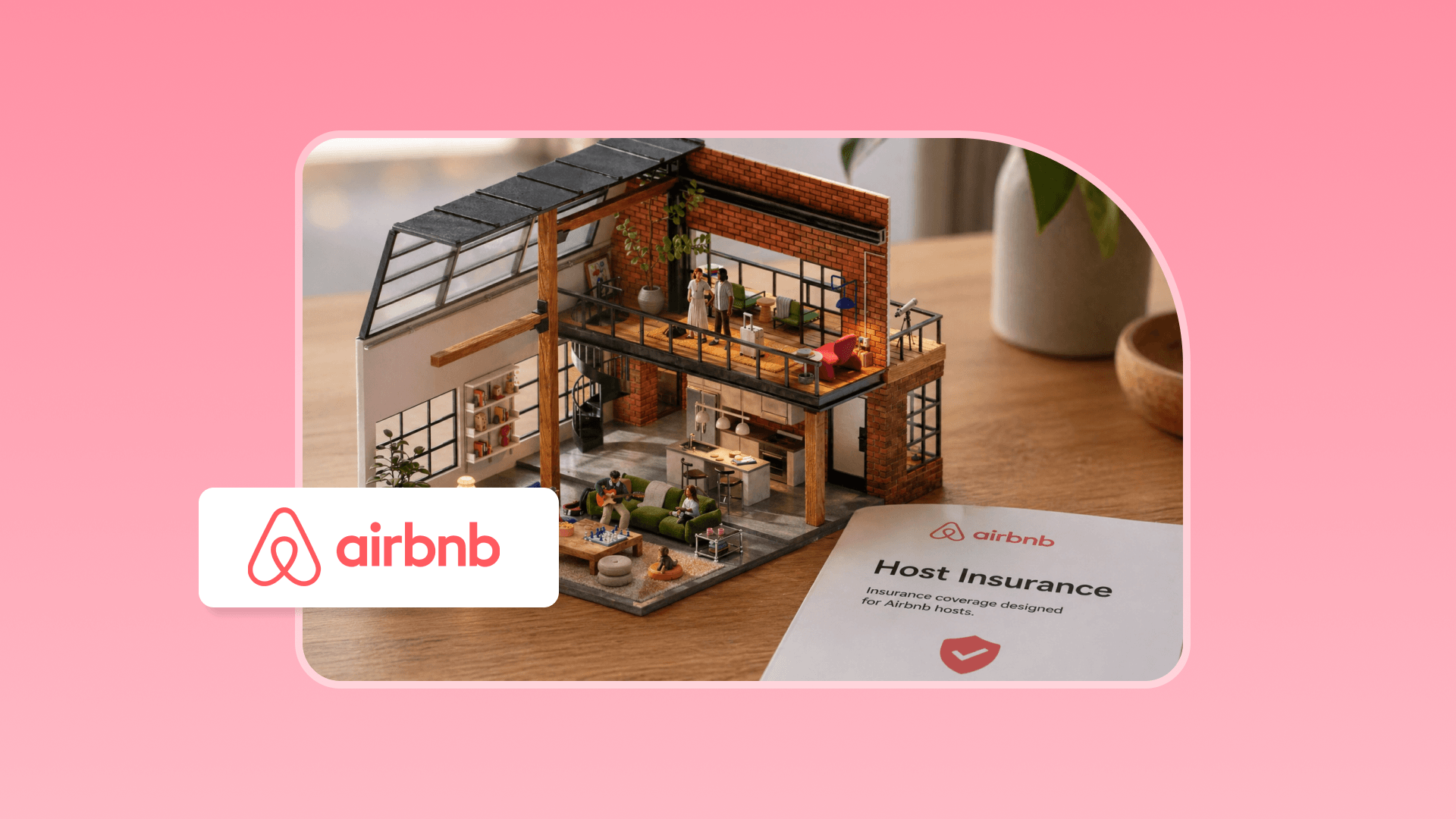
Furthermore, your homeowners' insurance likely has specific clauses regarding STRs. Standard policies often exclude commercial activity. Ensure you have an STR-specific policy (like those from Proper Insurance or specialized riders from major carriers) that requires you to keep the property in a "habitable and safe condition." Failure to perform basic maintenance can, in some cases, lead to a denied claim if the negligence contributed to the damage.
For official safety guidelines, refer to the U.S. Consumer Product Safety Commission (CPSC) for latest recalls on appliances or furniture that may be in your rental.
Frequently Asked Questions
How much should I realistically spend on Airbnb maintenance each year?
Most professional hosts find that maintenance and repairs cost between 5% and 10% of their total annual revenue. This includes routine supplies (lightbulbs, filters), professional services (pest control, HVAC tuning), and a reserve for appliance replacement. Older properties or those with high-intensity amenities like hot tubs may trend toward 12-15%.
How do I handle maintenance issues that occur during a guest's stay?
Communication is paramount. If a guest reports a problem, respond within 15 minutes. Offer to send a repair person immediately or at a time that suits them. If the issue significantly impacts their stay (e.g., no hot water or no AC), it is industry standard to offer a partial refund (usually 20-50% of the nightly rate for the affected days) or a small gift as a gesture of goodwill.
Should I do the maintenance myself or hire a professional?
This depends on your "opportunity cost." If you spend four hours fixing a sink but could have spent that time optimizing your pricing strategy or managing more listings, hiring a pro is more efficient. Generally, DIY is fine for cosmetic issues, but mechanical, electrical, and plumbing tasks should be handled by licensed professionals to ensure safety and insurance compliance.
How often should I replace big-ticket items like mattresses and sofas?
In a high-occupancy STR, mattresses should be replaced every 3-5 years, even if they look fine, to ensure support and hygiene. Sofas typically last 2-4 years depending on the quality of the fabric. Always use high-quality waterproof mattress protectors and consider performance fabrics (like Crypton or Sunbrella) for sofas to extend their lifespan.
Is a home warranty worth it for an Airbnb?
Generally, no. Home warranty companies often have slow response times and use their own network of contractors, which can take days to schedule. In the STR world, you cannot wait three days for a fridge repair. It is better to "self-insure" by putting that monthly premium into your own maintenance sinking fund, allowing you to hire the fastest available local pro when something breaks.
Practical Recommendation for Hosts
To truly master Airbnb maintenance, start by digitizing your property. Create a "Digital Maintenance Manual" that includes the model and serial numbers of every appliance, the size of every HVAC filter, the specific paint colors used in each room, and the location of your main water shut-off valve. Share this document with your cleaner and your primary handyman.
By having this information at your fingertips, you can often troubleshoot issues over the phone with a guest or ensure a repair person arrives with the correct parts on the first visit. This level of organization reduces downtime, saves money on service calls, and ensures your property remains a top-performing asset in the competitive 2026 market.