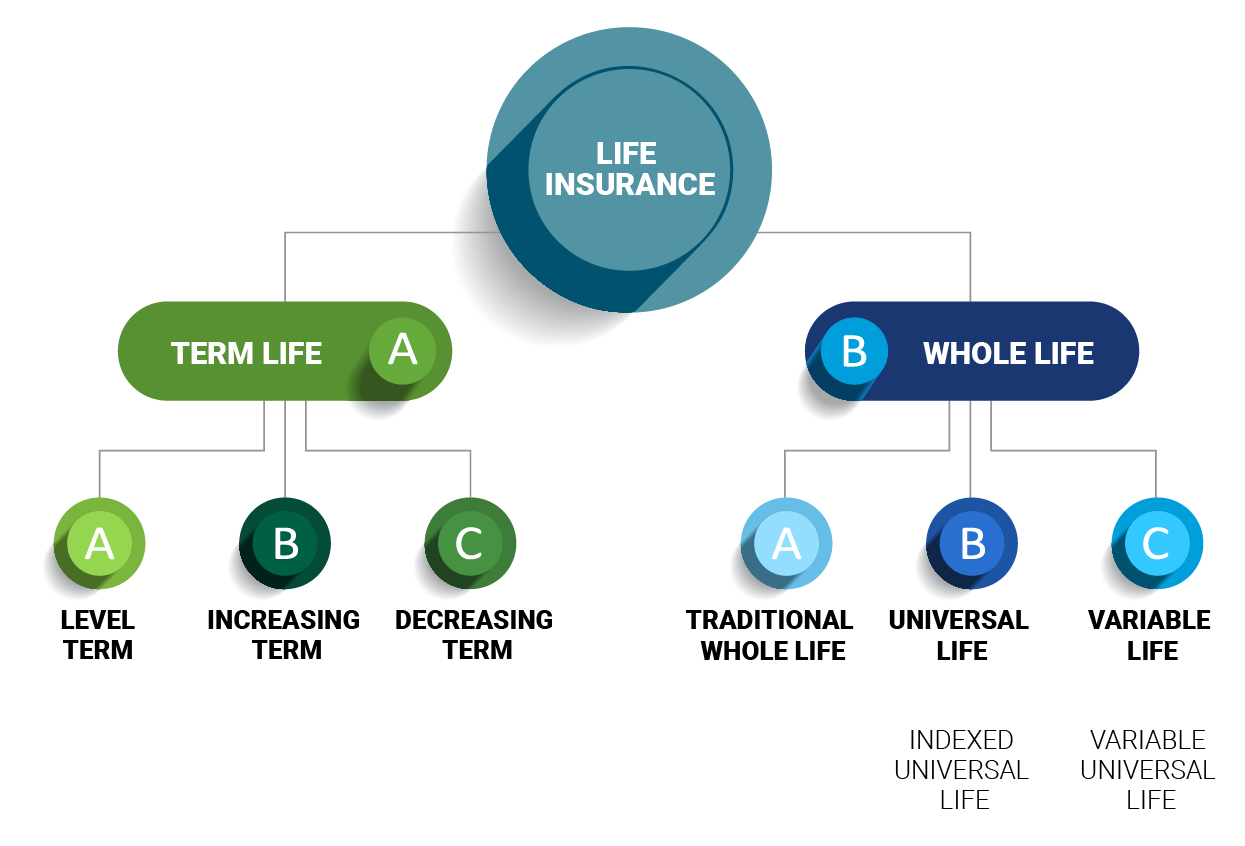
An AIG life insurance representative acts as a licensed financial professional who assists individuals and businesses in selecting, tailoring, and managing life insurance policies. Their core responsibility is to assess a client’s financial needs, explain policy options—such as term, universal, or variable life products—and guide them through the underwriting and application process to ensure long-term financial security for beneficiaries.
The Foundation of the Life Insurance Representative Role
At the heart of the life insurance profession lies the responsibility of financial stewardship. An AIG representative operates as a bridge between the complex world of actuarial risk assessment and the personal needs of the policyholder. Because life insurance is a contract built on the promise of future protection, the representative must possess not only a deep understanding of the products offered by the insurer but also the ethical fortitude to ensure those products align with the client’s actual circumstances.
In 2026, the regulatory environment governing life insurance remains rigorous. Representatives are expected to operate under strict fiduciary standards, meaning they must prioritize the client's interests above sales quotas or commissions. This role is not merely about selling a policy; it is about conducting a thorough financial needs analysis (FNA) to determine if the client requires income replacement, estate liquidity, debt coverage, or long-term wealth accumulation through cash-value growth.
Core Responsibilities and Daily Operations
The day-to-day functions of a life insurance representative are varied, blending sales, administrative precision, and analytical advisory work. To succeed in this capacity, a professional must balance these duties effectively.
Client Prospecting and Initial Consultation
The process begins with identifying potential clients who have a genuine need for risk mitigation. This is not cold-calling in the traditional sense; rather, it is a consultative process where the representative evaluates the client’s current assets, liabilities, and future financial goals. They must ask probing questions about family structure, business succession plans, and retirement expectations to build a comprehensive risk profile.
Needs Analysis and Product Matching
Once the baseline information is gathered, the representative identifies the specific type of life insurance appropriate for the individual. For example, if a young family is the target demographic, the representative might focus on term life insurance, which provides high coverage for a specific period at a lower cost. For high-net-worth individuals, the conversation may shift toward universal or indexed universal life insurance, which offers both death benefits and the potential for cash-value accumulation. Explaining these technical distinctions clearly is a primary task of the representative.
Navigating the Underwriting Process
Perhaps the most critical phase of the role is managing the underwriting process. This involves helping the client complete applications accurately, disclosing medical histories, and facilitating any necessary paramedical exams. The representative acts as an advocate for the client during the review process, ensuring that the insurance company receives all necessary information to make an informed decision while minimizing unnecessary delays.
Relationship Management and Policy Maintenance
The relationship between a representative and a policyholder does not end when the policy is issued. Over time, life circumstances change—marriages occur, children are born, and incomes fluctuate. A diligent representative conducts periodic reviews of the policy to ensure the coverage remains adequate. If a client undergoes a major life event, the representative must be available to assist with beneficiary changes, policy loans, or adjustments to premium payment structures.
Required Skills and Professional Licensing
To serve as a life insurance representative, one must meet specific educational and regulatory thresholds. In the United States, insurance is regulated at the state level, requiring individual representatives to hold active licenses for the jurisdictions in which they conduct business.
- State Licensing: Every representative must obtain a Life Insurance Producer license for their specific state. This requires completing state-approved pre-licensing education courses and passing a rigorous examination on insurance laws, ethics, and product mechanics.
- Financial Industry Regulation: If the representative sells variable life insurance—which functions as both an insurance product and a security—they must also hold professional credentials such as the Series 6 or Series 7 license, regulated by the Financial Industry Regulatory Authority (FINRA).
- Soft Skills: Beyond formal qualifications, success in this role requires high levels of emotional intelligence. Representatives deal with sensitive topics such as mortality, legacy, and family loss. The ability to communicate with empathy while maintaining professional boundaries is essential for long-term retention of clients.
Comparison of Core Product Focus Areas
When working with a brand like AIG, a representative must understand the specific product suites available to their clientele. The following table provides a high-level overview of the product types typically managed by insurance representatives.
| Product Type | Primary Purpose | Ideal Client | Flexibility Level |
|---|---|---|---|
| Term Life | Income replacement | Young families, debt coverage | Fixed/None |
| Universal Life | Permanent protection | Estate planning, long-term security | High (premiums/benefits) |
| Variable Life | Protection + Investment | High-risk tolerance individuals | Market-dependent |
| Final Expense | Burial/minor costs | Seniors with fixed budgets | Minimal |
The Role of Technology in Modern Representation
In 2026, the life insurance representative’s workflow is heavily influenced by digital tools. The days of entirely paper-based applications are largely in the past. Representatives now utilize sophisticated quoting software that allows them to run real-time illustrations for clients. These tools can demonstrate how different funding levels affect the cash value of a permanent policy over the next 20 to 30 years.
Furthermore, digital platforms have streamlined the underwriting process. Many policies now qualify for "accelerated underwriting," where algorithms analyze historical health data to provide an instant or near-instant approval for coverage. The representative’s role here is to manage the technology, ensuring that data entry is precise and that the client understands the technological feedback provided by the insurer's systems.
Challenges and Ethical Considerations
One of the most significant challenges for a representative is managing client expectations regarding "guarantees" and "market performance." In products where cash value is linked to market indices, representatives must be careful not to overpromise on future returns. Regulatory bodies, including state departments of insurance, closely monitor marketing materials and sales practices to prevent misrepresentation.
Additionally, privacy and data security are paramount. Representatives handle highly sensitive information, including social security numbers, tax returns, and private medical records. Adherence to strict cybersecurity protocols and the Health Insurance Portability and Accountability Act (HIPAA) is a non-negotiable aspect of the job.
Common Misconceptions
A frequent misconception is that an insurance representative’s primary job is to "sell." While revenue generation is a part of the business model, a truly successful representative focuses on "advising." Selling products that a client does not need, or that do not fit their budget, leads to high policy lapse rates—which negatively impacts both the client’s financial health and the representative's professional reputation. Long-term success is built on a foundation of trust and consistent service, not one-off transactions.
Frequently Asked Questions
1. Is a life insurance representative the same as a financial advisor? While there is overlap, they are not identical. A life insurance representative focuses specifically on risk management and insurance products. A financial advisor typically takes a broader approach, managing investments, retirement accounts, and tax strategies. Many professionals hold both titles, but the licensing requirements differ.
2. How do life insurance representatives earn an income? Compensation is typically commission-based, derived from the premiums paid by the policyholder. In some cases, there may be a salary or draw against future commissions, especially for entry-level roles at large insurance organizations. It is important to ask about the specific compensation structure during the hiring or engagement process.
3. What happens if my insurance representative leaves the industry? If a representative retires or leaves their position, the insurance company typically assigns a new representative or a service team to manage your account. You remain protected by the terms of your original policy, regardless of changes in your assigned representative.
4. Do I need to meet with my representative in person? In 2026, most insurance business can be conducted virtually. While face-to-face meetings are often preferred for complex estate planning or wealth transfers, digital video consultations and secure portals are now the standard for policy reviews and applications.
5. How can I verify that my insurance representative is licensed? Every state insurance department maintains an online database where you can search for a producer by name or license number. This is the best way to confirm that your representative is authorized to conduct business in your state and that their license is in good standing.
Next Actions and Recommendations
If you are currently evaluating your life insurance needs, the most important step is to prepare for your consultation. Gather your recent financial statements, including information on existing retirement accounts, current mortgage debt, and any existing insurance policies. Being prepared allows your representative to perform an accurate analysis rather than providing a generic quote.
If you are considering a career as an AIG life insurance representative, begin by reviewing the requirements set by your local state department of insurance. Seek out mentorship from established professionals in the field, as the nuances of policy design and client management are best learned through practical experience alongside seasoned practitioners. Regardless of whether you are a client or an aspiring professional, prioritize transparency and ongoing education as the keys to navigating the complex landscape of life insurance.