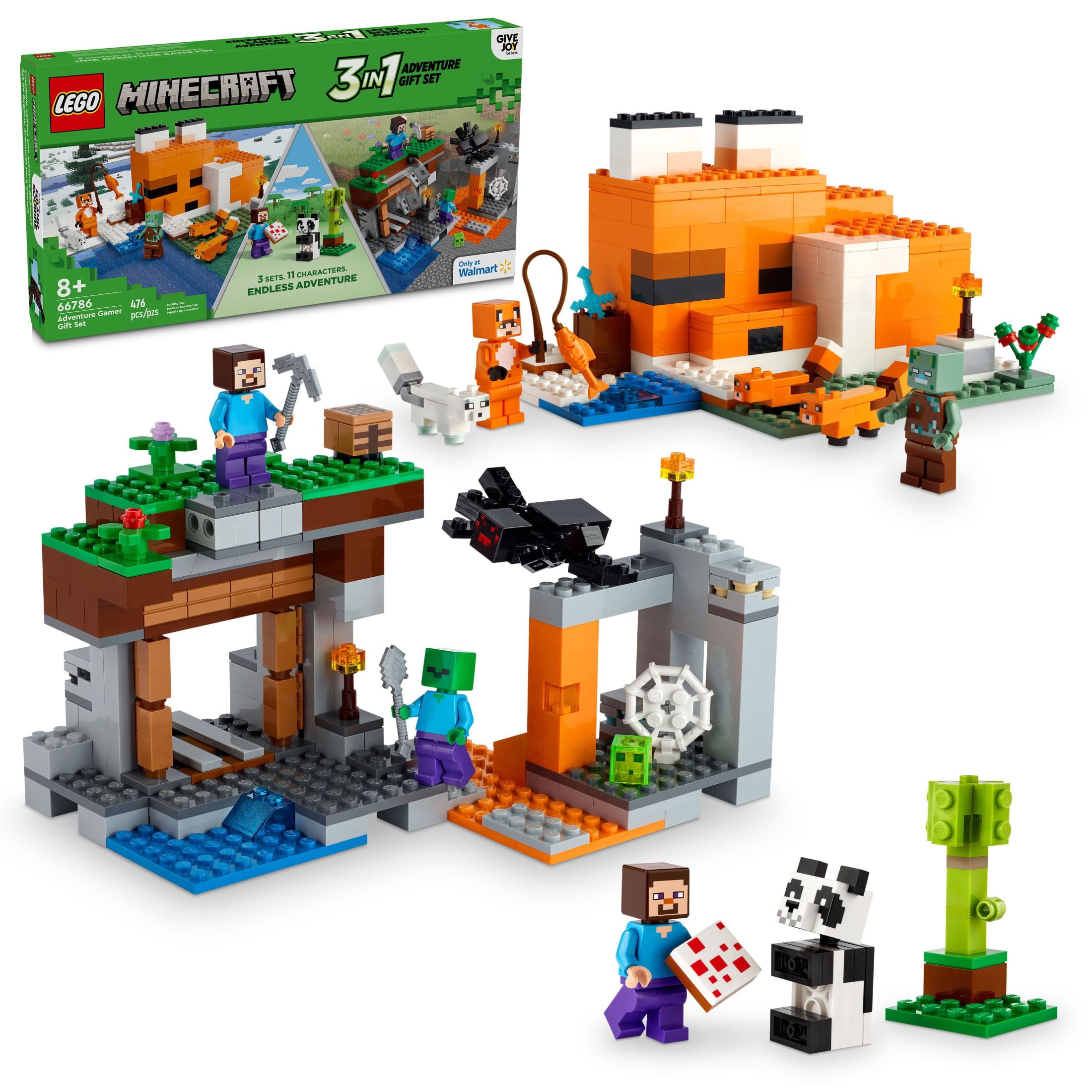
Finding affordable Minecraft LEGO sets for budget builders requires balancing piece count, minifigure rarity, and current retail pricing trends. By focusing on smaller biome-themed sets, utilizing seasonal discount cycles, and prioritizing sets with versatile utility pieces, enthusiasts can expand their collections without exceeding their financial limits.
The Minecraft theme by LEGO has maintained consistent popularity since its inception, blending the digital creativity of the Mojang Studios sandbox game with the tactile experience of plastic building bricks. For collectors and younger builders alike, the price-per-piece metric is often the primary indicator of value. As of 2026, the market offers a wide variety of sets ranging from massive, multi-hundred-dollar dioramas to accessible "entry-level" kits. Navigating these options requires a strategic approach that distinguishes between impulse purchases and long-term value additions.
Understanding the Budget Builder Mindset
A budget builder is not necessarily looking for the cheapest item on the shelf, but rather the highest value relative to the cost. Value in the LEGO ecosystem is often quantified by the price-per-brick ratio. Generally, sets priced under $20 to $30 USD are considered the "budget" tier. These sets often feature a single iconic character—such as Steve, Alex, or a Creeper—alongside a small structure or environmental element.
For those operating on a restricted budget, the objective is to maximize the utility of the bricks provided. Sets that include unique base plates, specific specialized blocks (like printed TNT blocks or obsidian-colored bricks), or exclusive minifigures offer a better return on investment than larger, more expensive sets that may rely heavily on large, singular structural components.
Evaluating Set Tiers and Price Points
LEGO sets are categorized by complexity and price. The Minecraft theme follows this standard, with smaller "biome" sets being the bread and butter of the budget-conscious collector. These sets typically consist of 50 to 200 pieces and serve as the foundation for larger custom builds.
When evaluating a set, consider the "minifigure density." If a $15 set includes two unique mobs and a rare accessory item, the value proposition is significantly higher than a $20 set that features only one common mob and a simplified structure. Always check the official LEGO retail price before purchasing from third-party marketplaces, as fluctuating demand can lead to price gouging on retired or limited-edition sets.
Strategic Shopping: When and Where to Buy
Timing is perhaps the most critical factor for budget builders. Retailers typically follow a seasonal cycle. In early 2026, observe the following patterns:
- Post-Holiday Clearances: Following the major winter holiday season, retailers often discount older LEGO inventory to make room for new spring releases. This is the prime time to find high-value sets at significant markdowns.
- Set Retirement Windows: When LEGO announces that a set is "retiring soon," retail prices often remain stable initially, but inventory dwindles. If you find a budget-friendly set on the verge of retirement, prioritize that purchase over newer, readily available sets that will remain in stock for years.
- Big-Box Retailer Sales: Major chains frequently rotate discounts. Utilizing price-tracking tools or setting alerts for specific sets can help you capture a 20-30% discount, which is standard for most budget-tier LEGO sets during promotional periods.
The Role of Utility and MOCs
"My Own Creation" (MOC) is a term familiar to long-term LEGO fans, referring to builds designed without instructions. For a budget builder, the goal should be purchasing sets that act as "parts packs." For instance, sets containing lush greenery, water-tile pieces, or stone-textured bricks are far more valuable for a MOC builder than sets with highly specific structural components that are difficult to repurpose.
By focusing on acquiring sets that provide basic environmental components—such as grass blocks, dirt, and water—you effectively build a "library" of parts. This modular approach allows you to construct custom Minecraft landscapes that are far larger and more detailed than any single off-the-shelf set, all while keeping your total expenditure controlled.
Comparing Value Across Minecraft Sets
| Set Complexity Tier | Price Range (USD) | Typical Piece Count | Primary Value |
|---|---|---|---|
| Micro-Biomes | $10–$15 | 60–100 | Low entry, high accessibility |
| Standard Biome | $20–$35 | 150–300 | Best for parts/minifigures |
| Mid-Range Playset | $40–$70 | 400–600 | Specific structures/dioramas |
| Mega-Sets | $100+ | 1000+ | Collector status/Display value |
Note: Prices reflect current 2026 retail standards and may vary based on retailer-specific discounts or regional taxes.
Frequently Asked Questions
Are smaller Minecraft sets compatible with larger ones? Yes. The entire Minecraft LEGO line is designed with a modular approach. Most sets feature "snap-together" base plate sections or consistent heights, allowing you to connect smaller biome sets into one cohesive, large-scale world.
How can I tell if a LEGO set is a good deal? Look at the price per piece. While there is no perfect number, a standard benchmark is roughly 10 cents per piece. If a set is well below this threshold, it is likely a strong value. Always account for the inclusion of minifigures, as these add significant perceived value beyond the brick count.
Should I buy used LEGO Minecraft sets? Buying used can be an excellent way to save money, provided the set is complete. Check online marketplaces for listings that include the original instructions and verify that all unique minifigures are present. Be wary of "bulk" listings that may be missing critical pieces required for the build.
What should I do if a set is missing pieces? LEGO provides an excellent customer service portal. If you purchase a new set and find it is missing a component, you can request a replacement part directly from the manufacturer's website. If buying used, you may need to source missing pieces from secondary "brick-link" marketplaces.
Do Minecraft sets change significantly year over year? The core design philosophy remains consistent, but the range of mobs and terrain types expands annually. By focusing on standard biome sets, you ensure your collection remains relevant, as these themes (Forest, Desert, Cave) are periodically updated with new pieces but remain compatible with older versions.
Next Steps for the Budget Builder
To begin your journey as a budget-conscious collector, start by auditing your current space and identifying which Minecraft "biome" you want to expand first. Visit official retailer websites to identify the current $20 price bracket and create a wishlist. Rather than buying multiple sets at once, purchase one or two and focus on integrating them into a custom display. This prevents overspending and allows you to appreciate the build process of each set fully. Monitor retailer clearance aisles and seasonal sales throughout 2026, as these remain the most reliable way to maintain a high-quality collection without exceeding your financial boundaries.