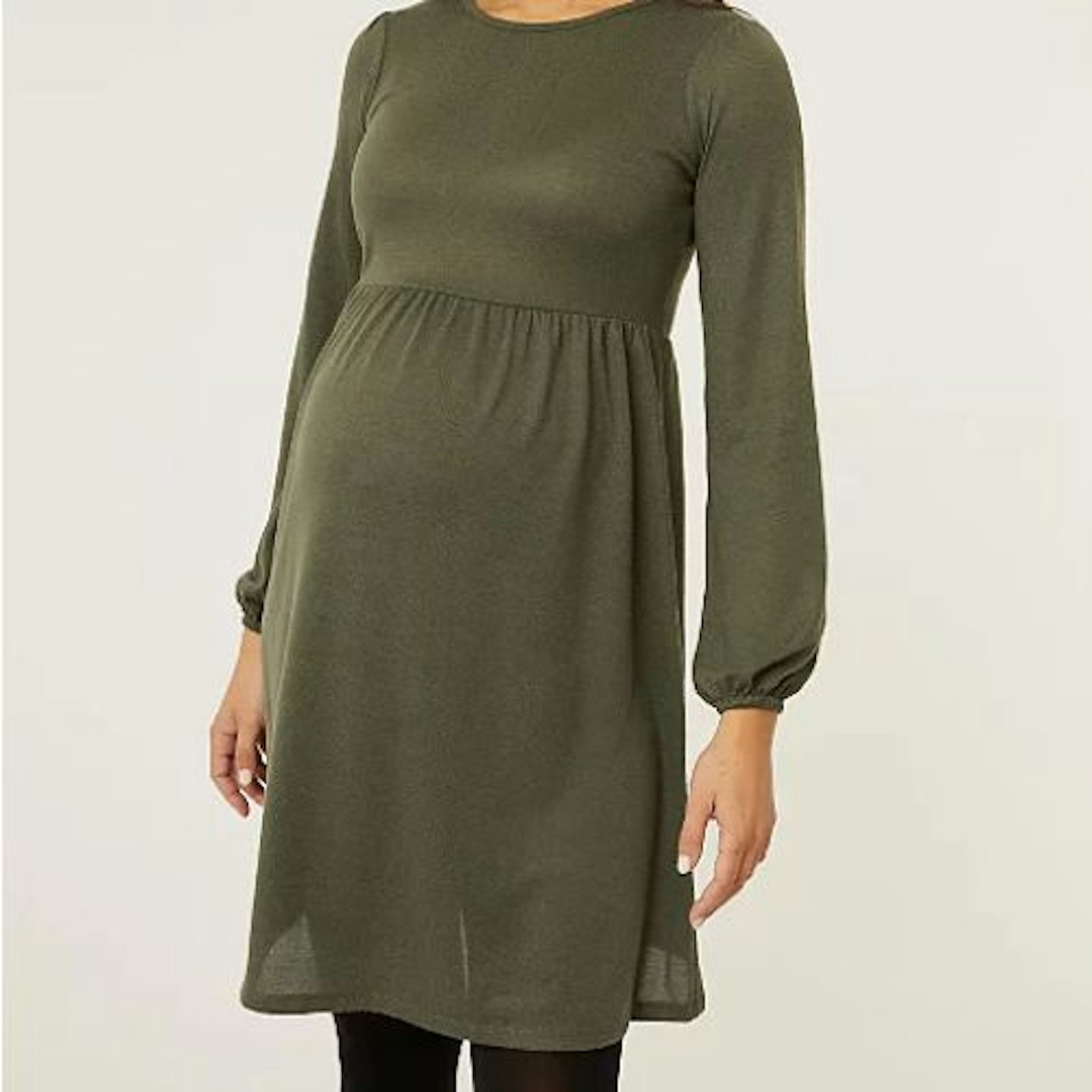
Navigating maternity fashion requires balancing rapidly changing physical needs with budget constraints. By prioritizing modular capsule wardrobes, utilizing resale platforms, and focusing on high-stretch fabrics, expecting families can manage the costs of temporary clothing needs while maintaining comfort and style throughout all three trimesters and the postpartum recovery period.
Understanding the Maternity Clothing Lifecycle
The primary challenge of maternity clothing is its limited utility window. Unlike standard apparel, maternity garments are engineered for a specific physiological progression that typically lasts between six and nine months. Most individuals find that their pre-pregnancy clothing remains wearable until the end of the first trimester or the beginning of the second, depending on the garment's cut and fabric composition.
Because the transition is temporary, the most effective strategy for managing costs is to view maternity wear as a "rental" or "transitional" closet rather than a permanent lifestyle investment. Budget-conscious families often fall into the trap of over-purchasing specialized items that will be discarded within months. To avoid this, you must focus on foundational pieces that accommodate fluctuating body shapes rather than trying to replicate a full, non-maternity wardrobe with maternity-specific sizing.
Strategic Approaches to Affordable Procurement
When building a maternity wardrobe, the goal is to maximize the number of outfits created from the fewest number of items. This "capsule" approach relies on neutral colors and versatile silhouettes.
1. The Capsule Wardrobe Method
A functional maternity capsule focuses on core staples: two pairs of leggings, two pairs of maternity-friendly jeans or trousers, three basic tees or tanks, one professional blouse or button-down, and one versatile dress. By choosing pieces in complementary colors—such as black, navy, white, or denim—you can rotate these items for various occasions. High-quality maternity leggings with a supportive over-the-belly panel are arguably the most important investment, as they provide comfort during work, exercise, and leisure.
2. Leveraging the Resale Economy
The secondhand market is highly efficient for maternity clothing because the garments are often worn for only a few months, resulting in minimal wear. Platforms such as Poshmark, ThredUp, and local consignment shops offer high-end maternity brands at a fraction of their original retail price. When purchasing secondhand, focus on materials with high elasticity, such as blends containing spandex or elastane, which are more likely to retain their shape after multiple pregnancies or owners.
3. Strategic Sizing and "Hackable" Clothing
Before purchasing dedicated maternity wear, assess your existing closet for "hackable" items. Flowy tunics, oversized sweaters, and maxi dresses purchased in non-maternity departments can often bridge the gap. Additionally, products like "belly bands" or "button extenders" allow you to continue wearing your pre-pregnancy jeans for several extra weeks. These small, low-cost accessories can delay the need to purchase a full wardrobe until you are further along in your pregnancy.
Comparing Methods for Budget Management
| Method | Estimated Relative Cost | Sustainability | Convenience |
|---|---|---|---|
| Buying New (Retail) | High | Low | High |
| Resale/Consignment | Low | High | Medium |
| Borrowing/Swapping | Very Low | Very High | Low |
| Wardrobe Hacking | Minimal | High | Medium |
The Role of Fabric Composition
When shopping on a budget, fabric quality determines longevity. Avoid cheap, thin synthetics that pill or lose their elasticity after a single wash. Look for labels indicating high percentages of cotton or viscose blended with elastane. Elastane is the technical component that allows the fabric to stretch over a growing bump while maintaining its recovery, ensuring the garment does not look "baggy" or "worn out" by the end of the day.
For families planning to have multiple children, purchasing high-quality maternity pieces is a long-term cost-saving measure. A durable pair of maternity jeans that survives the first pregnancy and remains in good condition for a second or third pregnancy effectively drops the "cost-per-wear" to a negligible amount.
Navigating Work and Formal Requirements
Professional maternity wear often represents the highest cost barrier. Many corporate environments require structured blazers or trousers, which are difficult to find at bargain prices. Instead of buying a full maternity suit, consider purchasing maternity-specific trousers or skirts and pairing them with your existing, unbuttoned blazers or non-maternity cardigans. A well-placed, long-line cardigan can provide coverage over a maternity tank top, creating a professional silhouette without the cost of a dedicated maternity jacket.
Managing Postpartum Transitions
The fourth trimester—the period immediately following childbirth—is often overlooked in maternity planning. Many individuals assume they will return to their pre-pregnancy wardrobe immediately after birth. However, your body may require different support levels or fit requirements for several months. Ensure your wardrobe includes pieces that are "nursing-friendly" if you intend to breastfeed, such as wrap tops or shirts with discreet button-down fronts. These items provide utility beyond the pregnancy phase, increasing the value of your initial investment.
Addressing Common Pitfalls
- Buying Too Early: Resist the urge to purchase a full maternity wardrobe in the first trimester. Your body's needs will evolve significantly; what fits at 12 weeks may be uncomfortable by 28 weeks.
- Overlooking Comfort Standards: Avoid garments with complicated fastenings or stiff, non-stretch waistbands. Prioritize pull-on styles, as your mobility may decrease in the later stages of pregnancy.
- Ignoring Laundry Care: Because you will be washing these items frequently to keep a small wardrobe clean, verify that the fabrics are machine-washable. Dry-clean-only maternity items are rarely practical for daily use.
Frequently Asked Questions
How many maternity items do I actually need to get through a pregnancy? Most people can comfortably manage with 10–12 essential items. This includes 2 bottoms, 4–5 tops, 1–2 dresses, and 1–2 layers (cardigans or jackets). The key is choosing items that can be mixed and matched to create a variety of outfits.
When should I start buying maternity clothes? There is no set time, but most people begin around the 12-to-16-week mark, when standard waistbands begin to feel restrictive. Start by buying only what you need when you need it to avoid cluttering your closet with items that may not fit your specific body shape in the final trimester.
Are "maternity-friendly" clothes different from "maternity" clothes? Yes. "Maternity-friendly" refers to standard clothing that features loose cuts, stretchy fabrics, or adjustable waistlines. "Maternity" clothing is specifically designed with extra fabric in the belly and rear panels to accommodate pregnancy, which is essential once your bump is significant.
Is it safe to buy used maternity clothes? Yes, provided they are thoroughly laundered. Inspect used items for signs of extreme stretching, pilling, or damaged elastic, which are common issues in lower-quality maternity wear.
How do I handle the transition back to pre-pregnancy clothing? Take a slow approach. Many people find that standard clothing feels uncomfortable for several weeks or months postpartum. Keep your "transition" pieces—leggings, flowy tops, and wrap dresses—as they are often the most comfortable clothing items during the early recovery period.
Next Steps for Expecting Families
To begin building your wardrobe, start by auditing your current closet. Set aside items that are already "maternity-friendly" and identify the specific "holes" in your attire based on your lifestyle—such as work, exercise, or home life. Once your needs are defined, spend one weekend monitoring reputable online resale marketplaces for your specific size and style preferences. By acquiring items piece-by-piece rather than in a single shopping spree, you maintain control over your budget and ensure every item you bring home serves a functional, necessary purpose.