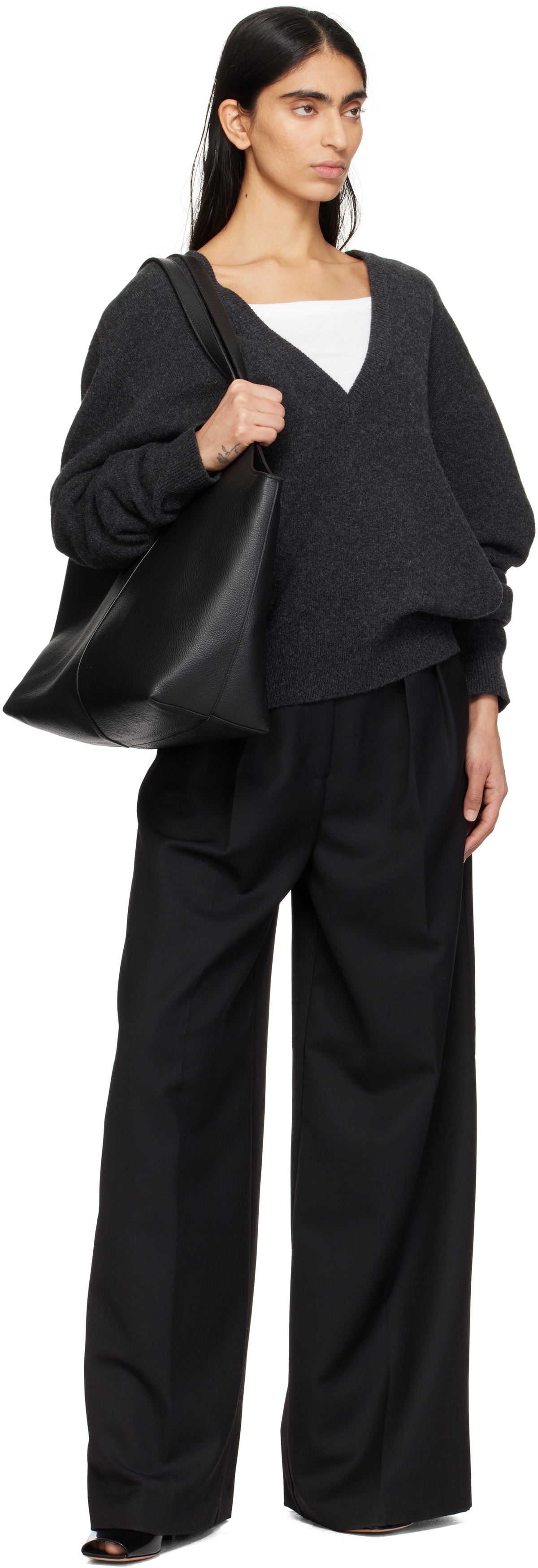
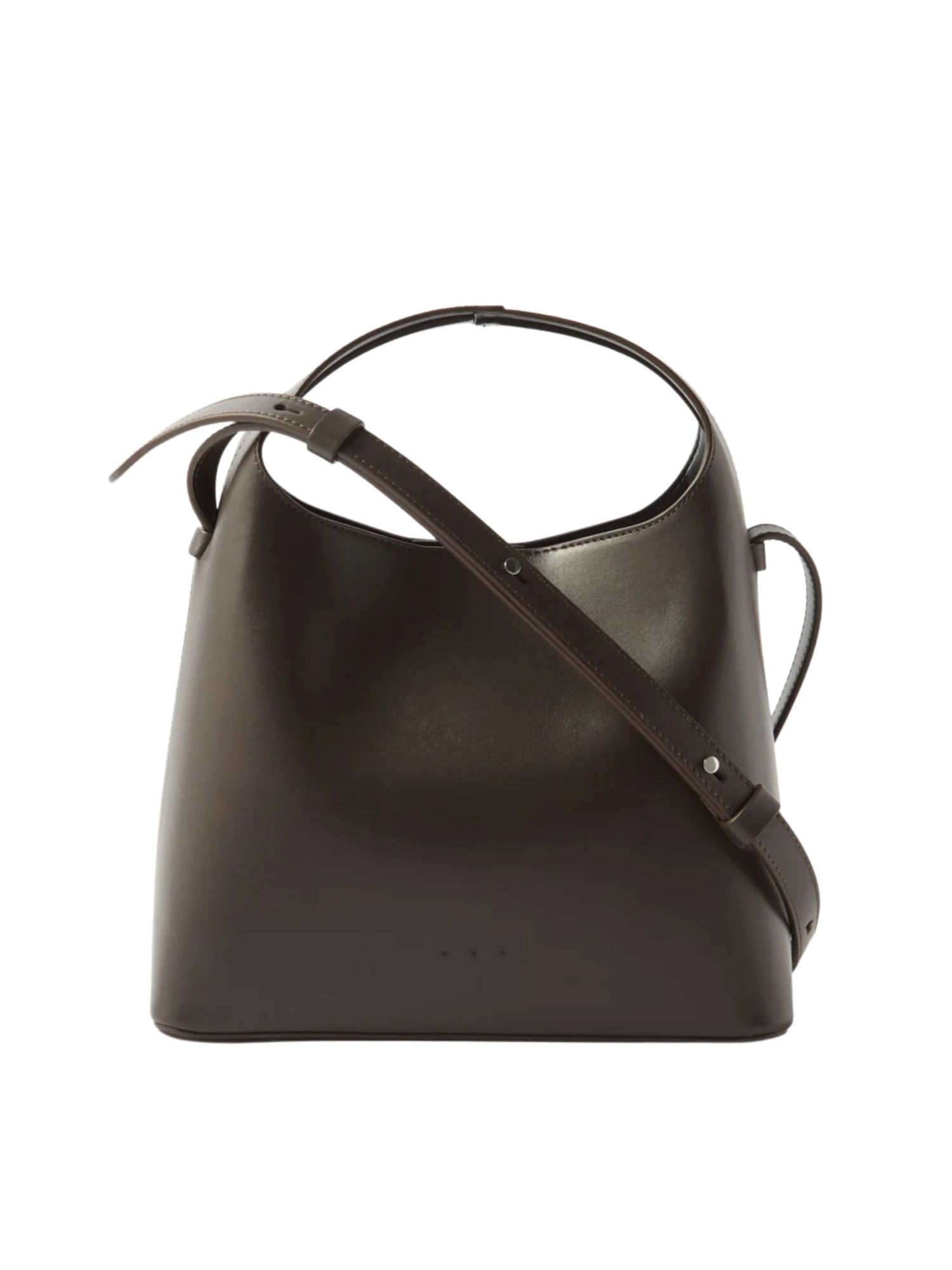
Aesther Ekme has carved a distinct niche in the contemporary luxury accessories market by championing architectural minimalism, sculptural leather goods, and a quiet rejection of overt branding. Founded in Copenhagen in 2016 by Sif Hindhede, the brand approaches bag design through the lens of industrial design and Scandinavian functionalism, utilizing clean geometric lines, smooth calfskin leather, and understated metallic hardware. Reviewing these handbags requires evaluating how their minimalist aesthetic translates into daily utility, structural durability, long-term leather aging, and overall value compared to legacy luxury houses and other contemporary contemporaries.
Understanding Aesther Ekme requires looking past unboxing impressions to examine how these bags perform in real-world contexts, from daily commuting to professional travel. This comprehensive evaluation explores brand origins, material specifications, signature silhouettes, comparative market positioning, and critical limitations to help prospective buyers determine whether these architectural designs align with their practical needs and aesthetic preferences.
Brand Identity and Design Philosophy
The foundational ethos of Aesther Ekme centers on the concept of unpretentious luxury. Derived from the Crimean Tatar word for "thoroughness" or "to build," the brand name reflects an obsessive focus on structural integrity and geometric harmony. Unlike legacy houses that rely on monograms, embossed logos, or seasonal trend forecasting, Aesther Ekme positions its catalog as a collection of timeless, functional sculptures designed for the modern professional.
The design language relies heavily on architectural principles—specifically, the interplay of circular bases, trapezoidal bodies, and cylindrical handles. This structural rigor ensures that the bags maintain their shape independently without collapsing when empty, a common failure point in slouchier contemporary leather goods. By minimizing visible stitching, concealing closures, and employing a signature debossed three-line logo discreetly placed on the body or gusset, the brand appeals directly to consumers who favor "quiet luxury" and understated elegance over conspicuous consumption.
Core Materials and Craftsmanship Standards
Evaluating a leather handbag requires examining the origin of the hide, the tanning method, the hardware composition, and the construction techniques. Aesther Ekme predominantly constructs its pieces using smooth, full-grain calfskin leather sourced from certified European tanneries.
Leather Characteristics and Touch
- Smooth Calfskin: The signature smooth leather features a refined matte finish. It offers a structured hand-feel that is firm yet pliable, resisting premature sagging. However, smooth calfskin is inherently susceptible to surface scratches compared to heavily pebbled or cross-grain leathers.
- Suede and Textured Variations: Selected seasonal releases incorporate split suede or textured embossed leathers, providing alternative tactile experiences while maintaining the core structural silhouettes.
Hardware and Structural Reinforcement
Hardware is deliberately sparse. When metal is used—such as the signature spherical brass closures, magnetic snaps, or strap rings—it typically features a muted gunmetal, brushed gold, or polished palladium finish designed to resist tarnishing. The interior linings frequently utilize durable canvas or soft microfiber suede, enhancing structural stability while protecting personal belongings from friction. Edge painting is executed with multiple coats of matte sealant to prevent fraying over years of daily friction.
Analysis of Signature Silhouettes
To understand the breadth and functionality of the brand, one must examine its most prominent models. Each silhouette addresses a specific carrying capacity and lifestyle requirement.
| Model Name | Primary Silhouette | Ideal Use Case | Notable Functional Feature |
|---|---|---|---|
| The Tote | Trapezoidal/Open | Work, Travel, Laptop | Structured base, generous volume |
| The Sac | Bucket / Cylindrical | Everyday Casual | Drawstring/magnetic closure |
| The Mini Lune | Crescent / Crossbody | Evening, Minimal Carry | Sculptural curve, adjustable strap |
| The Cabas | Structured Shopper | Professional/Commuter | Flat dual handles, slim profile |
The Tote and The Cabas: Professional Workhorses
Designed with the working professional in mind, these larger silhouettes easily accommodate 13-inch to 15-inch laptops, document folders, and daily essentials. The reinforced base prevents the bag from sagging or tipping over when placed on the floor, while the structured shoulder straps distribute weight evenly. The primary trade-off is the open-top or minimalist magnetic closure design on certain variations, which requires careful placement during transit to secure loose items.
The Mini Lune and Crescent Models
The crescent-shaped bags represent the brand's exploration of organic curves within strict geometric parameters. These styles function primarily as crossbody or shoulder bags for day-to-evening transitions. While visually striking, their narrow profiles limit capacity, restricting users to a smartphone, cardholder, keys, and compact cosmetics.
Practical Performance, Durability, and Wear
In daily practice, Aesther Ekme bags balance aesthetic appeal with pragmatic functionality. However, aesthetic minimalism often introduces specific behavioral trade-offs for the owner.
Scratch Susceptibility and Patina
The smooth calfskin used across the core collection is prone to surface scratching from fingernails, keys, and abrasive zippers. Unlike distressed vintage leathers or pebbled textures that hide minor abrasions, smooth matte calfskin displays friction marks clearly. Over time, gentle wear develops a subtle, sophisticated patina, but owners who prefer pristine, factory-fresh appearances will need to exercise heightened care during daily commutes.
Weight and Ergonomics
Because these bags rely on heavy-gauge leather and internal structural reinforcements to maintain their architectural shapes, they are slightly heavier when empty than unstructured canvas or soft lambskin alternatives. When fully loaded, strap width and drop length become critical comfort factors. Most styles feature thoughtfully proportioned handles that sit comfortably over winter coats or blazers, though prolonged heavy carrying can strain shoulders on smaller crossbody variants.
Market Positioning and Comparative Context
Positioned in the mid-to-high contemporary luxury tier, Aesther Ekme occupies a distinct space between mass-market designer diffusion lines and ultra-luxury heritage houses like Hermès, Celine, or Loewe.
- Price-to-Quality Ratio: Retailing typically between $400 and $800 USD depending on the size and leather finish, these bags offer exceptional European craftsmanship that rivals brands costing twice as much. The absence of traditional marketing bloat allows the brand to pass material value directly to the consumer.
- Aesthetic Competitors: Consumers shopping for Aesther Ekme frequently weigh them against brands such as Strathberry, Mansur Gavriel, Polène, and Fleuron. While Strathberry relies on distinctive metal bar closures and Polène favors organic drapery, Aesther Ekme stands apart through its stark, masculine-leaning architectural austerity and lack of distracting hardware.
Common Limitations and Buyer Caveats
While the minimalist design language commands a dedicated global following, prospective buyers should consider several operational limitations before purchasing:
- Lack of Secure Zippers: Many signature silhouettes prioritize sleek openings over full-zip closures, which may deter commuters who navigate crowded public transit systems.
- Maintenance Requirements: The smooth leather demands periodic conditioning and immediate attention if exposed to heavy rain or oily substances.
- Rigidity: The structural integrity that defines the brand means these bags cannot be folded or packed flat inside luggage when traveling.
Frequently Asked Questions
Do Aesther Ekme bags fit standard laptops?
Larger models such as The Tote and select Cabas variants easily accommodate 13-inch laptops and tablets. Buyers should verify interior dimensions against specific device measurements, as the structured tapering at the top can occasionally restrict clearance.
How durable is the smooth calfskin leather?
The leather is exceptionally high-quality and durable in terms of structural strength, but its smooth matte finish shows surface scratches more readily than textured or pebbled leathers. Proper leather conditioner and gentle handling help maintain the surface finish.
Are these bags heavy to carry all day?
Due to the internal structural reinforcements required to maintain their geometric shapes, they carry a modest baseline weight. They are heavier than unlined canvas totes but comparable to structured leather bags of similar caliber.
Where are Aesther Ekme bags manufactured?
The brand manufactures its leather goods primarily in Spain and Portugal, partnering with specialized ateliers renowned for generational leather-working expertise.
Do Aesther Ekme bags hold their value on the secondary market?
While they do not command the speculative resale value of heritage investment pieces like Chanel or Hermès flaps, their strong design identity and cult following ensure steady demand on secondary luxury resale platforms.
Conclusion and Next Actions
Aesther Ekme successfully bridges the gap between industrial design and everyday fashion, offering an uncompromising vision of modern minimalism. For buyers seeking structured, logo-free luxury crafted from exceptional European leather, these handbags represent a refined, long-term investment. To ensure satisfaction, identify your daily carrying requirements—such as laptop transport versus minimalist evening essentials—and select the corresponding silhouette while factoring in the maintenance needs of smooth calfskin leather.