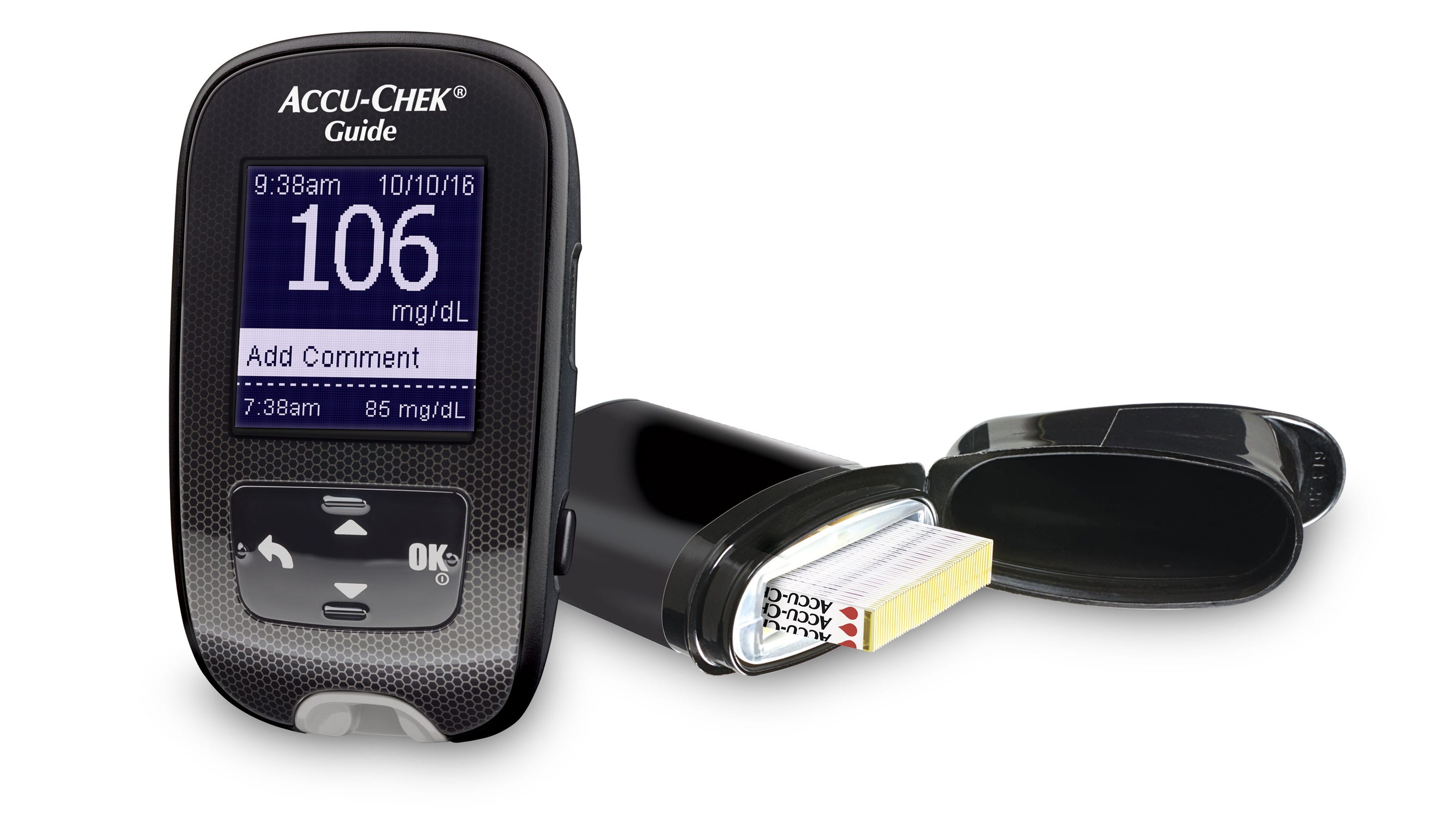
The Accu-Chek Simplicity system represents a specialized approach to glucose monitoring designed to streamline the testing process for patients requiring consistent blood glucose management. By integrating simplified mechanical components with reliable electrochemical sensing, this system minimizes user error and simplifies the handling of test strips, making it a viable option for individuals who prioritize efficiency and ease of use in their daily diabetes management routines.
Overview of the Accu-Chek Simplicity System
In the landscape of blood glucose monitoring, the Accu-Chek brand, manufactured by Roche Diabetes Care, has long been associated with technological innovation. The Accu-Chek Simplicity system is an iteration of this commitment, specifically engineered to address the complexities often associated with manual strip handling. Unlike traditional meters that require individual foil-wrapped strips or loose vials, the Simplicity system focuses on a more integrated delivery mechanism.
This system is categorized as a "simplified" or "integrated" monitor. Its primary design philosophy is to reduce the "steps to test"—the cognitive and physical sequence of actions a user must take to move from an idea to a blood glucose result. For patients managing diabetes, particularly those with dexterity challenges or visual impairments, the reduction of these steps is not merely a convenience; it is a significant factor in therapeutic adherence.
Technical Foundations and Measurement Science
The core of the Accu-Chek Simplicity system relies on established electrochemical glucose sensing technology. When a blood sample is applied to the active area of the test strip, the glucose within the blood reacts with reagents—typically glucose dehydrogenase—to produce an electrical current. The meter measures the magnitude of this current, which is directly proportional to the concentration of glucose in the sample.
Electrochemical Accuracy
The system is calibrated to provide plasma-equivalent results, which ensures consistency with the laboratory standards used by healthcare providers. In 2026, as in previous years, the internal diagnostic checks performed by the meter at the start of every test cycle ensure that the hardware components are functioning within calibrated parameters. Users should note that while the technology is precise, its accuracy is contingent upon factors such as correct temperature, proper storage of testing materials, and the avoidance of chemical interference from medications or supplements.
The Integrated Strip Mechanism
The defining hardware feature of this system is its strip delivery design. By housing test strips in an internal chamber or a proprietary cartridge, the system eliminates the need for users to touch individual strips. This is particularly beneficial for:
- Maintaining hygiene: Reducing the risk of contamination from environmental debris or skin oils.
- Simplifying dexterity: Allowing for one-handed or limited-dexterity testing, as the device presents the strip ready for sample application.
- Environmental protection: Protecting the remaining strips from humidity and light exposure until the moment they are deployed.
Eligibility, Prerequisites, and Usage Requirements
To utilize the Accu-Chek Simplicity system effectively, users must meet certain requirements regarding physical capability and environmental conditions. While the device is designed for ease of use, it is not a "set and forget" solution; it requires a structured approach to daily diabetes management.
User Competency
Before relying on the system as their primary diagnostic tool, patients should demonstrate the ability to:
- Calibrate the meter: If the specific version of the system requires a code key or chip, ensuring the batch number matches is essential for accuracy.
- Perform a lancing procedure: The meter is only half of the equation; the lancing device must be used to obtain an adequate drop of blood without bruising the fingertip.
- Interpret result trends: The device provides raw data, but the user must be able to log these results or sync them with digital health platforms to identify patterns.
Maintenance and Environmental Guidelines
Storage is a critical factor for the longevity of the system. The test strips are sensitive to environmental moisture. In 2026, the guidance remains the same: keep the system in a temperate, dry environment. Avoid storing the device in bathrooms or vehicles, where humidity and temperature fluctuations can degrade the enzyme activity on the strips, leading to erroneous results.
Comparison of Glucose Monitoring Solutions
Choosing a monitoring system involves balancing the "cost of ownership" against "ease of use." The following table summarizes how the Accu-Chek Simplicity compares to alternative monitoring modalities available in the current market.
| Feature | Accu-Chek Simplicity | Traditional Meter | Continuous Glucose Monitor (CGM) |
|---|---|---|---|
| Ease of Handling | High (Integrated) | Low (Manual) | Very High (Automated) |
| Initial Cost | Moderate | Low | High |
| Consumable Cost | Moderate (Proprietary) | Low (Generic) | High (Transmitters/Sensors) |
| Actionable Data | Snapshot | Snapshot | Trend/Automated Alerts |
| Device Size | Compact | Minimal | Wearable Patch |
As shown in the table, the Simplicity system occupies a middle ground. It is more convenient than traditional manual meters but lacks the constant, real-time feedback loops of modern CGM technology. This makes it an ideal choice for patients who are not yet ready for the long-term commitment of a CGM or those whose insurance coverage prefers a non-wearable solution.
Practical Troubleshooting and Error Handling
Even with advanced integrated systems, errors can occur. Most issues with the Accu-Chek Simplicity system are related to sample volume or strip degradation.
Common Error Patterns
- Insufficient Sample: If the meter displays an error, it is often because the drop of blood was too small to cover the entire sensor window. Always ensure the blood drop is applied to the yellow edge of the strip.
- Damaged Strips: If the strip cartridge has been left open or the system has been exposed to extreme cold, the reagent may lose sensitivity. If you receive persistent "Low" or "High" readings that do not match physical symptoms, perform a control solution test immediately.
- Low Battery Indicators: In 2026, many users forget that battery voltage affects the meter’s ability to process the electrochemical signal. If the display appears faint or the system takes longer than usual to produce a result, replace the batteries with the manufacturer-recommended type.
Troubleshooting Protocol
- Perform a Control Solution Test: Use the manufacturer-provided control solution to verify that the meter and the current batch of strips are functioning within the expected range.
- Check for Obstructions: Ensure that the internal delivery mechanism for the strips is free of debris.
- Verify Settings: Check the date and time settings to ensure that the data logged is chronological, which is vital for clinical review with your endocrinologist.
The Role of Professional Medical Oversight
It is imperative to note that the Accu-Chek Simplicity system is a tool, not a diagnostic authority. All treatment decisions—such as adjusting insulin doses, changing dietary intake, or modifying exercise routines—should be made in consultation with a licensed healthcare provider. The data generated by this device serves as the foundation for your clinical profile, but the interpretation of that data requires professional medical judgment.
If you observe a discrepancy between your physical symptoms (e.g., hypoglycemia symptoms like tremors, sweating, or confusion) and your blood glucose reading, prioritize your physical well-being. Treat the symptoms as instructed by your doctor and seek professional medical assistance if the reading does not reflect the severity of your condition.
Frequently Asked Questions (FAQ)
1. How often should I calibrate the Accu-Chek Simplicity system? Calibration requirements vary by specific model version. Always check the manual accompanying your specific device. If your system uses a coding chip, ensure it is updated whenever you open a new box of test strips to prevent inaccurate readings.
2. Can I use strips from other Accu-Chek models in the Simplicity system? No. The strips are designed specifically for the mechanics of the Simplicity system. Using non-compatible strips can lead to mechanical jams or, more dangerously, inaccurate blood glucose results.
3. What should I do if the system gives an error message repeatedly? Consult the error code list in your user manual. If the error code suggests a system failure, do not attempt to disassemble the device. Contact the manufacturer's technical support or your healthcare provider to discuss a device replacement.
4. Is the Simplicity system suitable for children? While the system is easy to use, children should always be supervised by an adult or a healthcare professional during testing. The decision to use this specific model should be discussed with a pediatrician to ensure it fits the child’s physical needs and monitoring frequency.
5. How long do the test strips last once opened? The longevity of the test strips is defined by the expiration date on the packaging, provided they are stored in the original, closed canister or cartridge. Once exposed to air, the reagents begin to degrade, so it is vital to keep the delivery mechanism properly sealed.
Conclusion and Next Actions
The Accu-Chek Simplicity system offers a balance of reliability and simplified operation for those managing blood glucose levels. To ensure the best performance from your system in 2026, verify that your test strips are within their expiration date, maintain the device in a controlled environment, and keep a consistent log of your results. If you are experiencing difficulty with the system or if your glucose management goals are not being met, schedule a review with your healthcare provider to evaluate whether your current monitoring strategy requires adjustment.