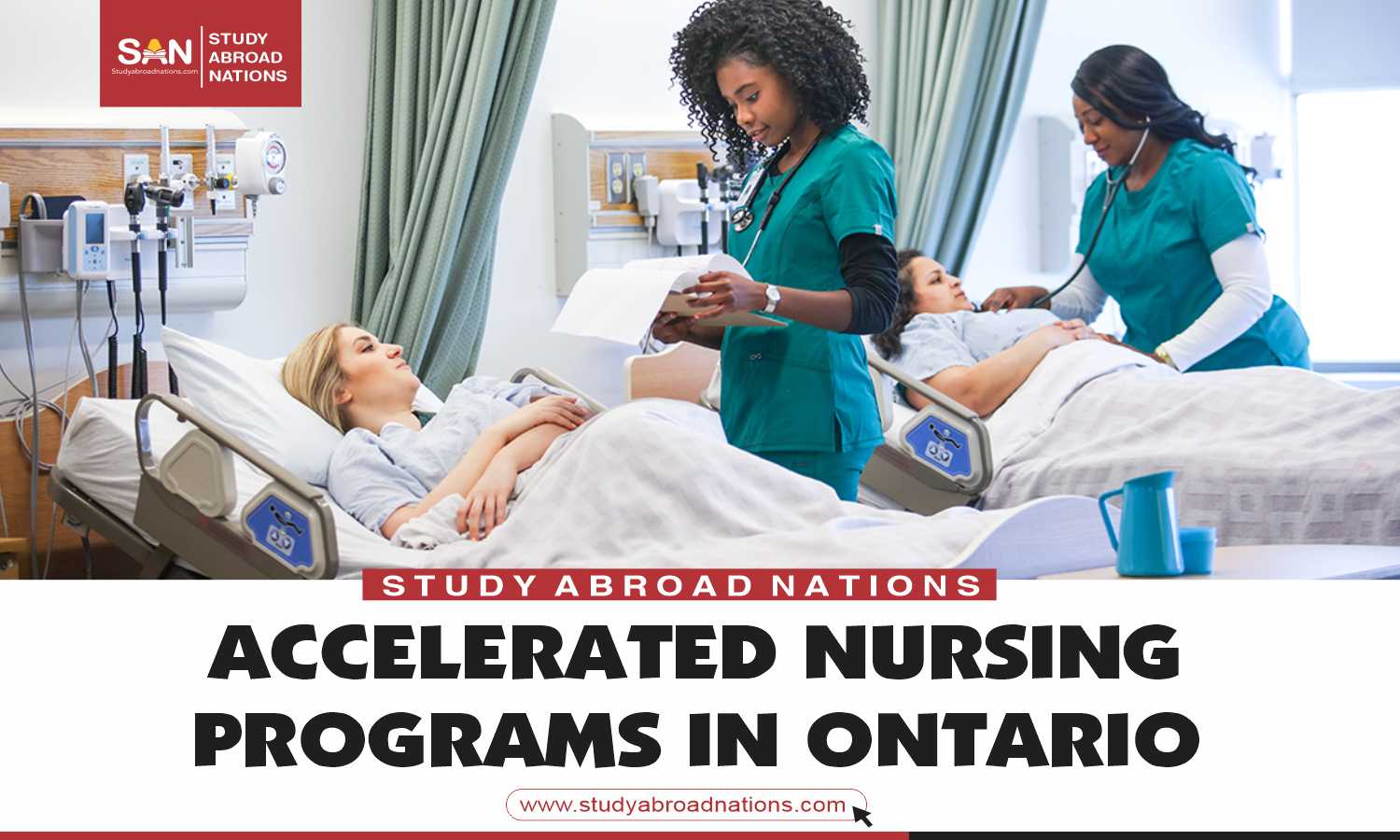
Accelerated RN programs in Ohio are intensive educational tracks designed for individuals who already hold a bachelor's degree in a non-nursing field. These programs, primarily Accelerated Bachelor of Science in Nursing (ABSN) or direct-entry MSN degrees, typically last 12 to 18 months, allowing students to transition into healthcare quickly by leveraging their existing academic background.
Understanding Accelerated Nursing Pathways in Ohio
As we navigate the healthcare landscape of 2026, Ohio remains a critical hub for medical education and practice. The state’s aging population and the expansion of major health systems like the Cleveland Clinic and OhioHealth have sustained a high demand for Bachelor of Science in Nursing (BSN) prepared registered nurses. Accelerated programs are the primary vehicle for career changers to meet this demand.
In Ohio, "accelerated RN programs" generally refer to two distinct academic paths:
- Accelerated BSN (ABSN): This is the most common route. It is a second undergraduate degree. Because the student has already completed general education requirements (English, Math, History) in their first degree, the curriculum focuses exclusively on nursing science and clinical practice.
- Direct-Entry Master of Science in Nursing (MSN): Designed for non-nurses with a bachelor’s degree, this path prepares students for the NCLEX-RN but continues into advanced practice training. These programs are longer (usually 24–36 months) but result in a graduate degree.
The intensity of these programs cannot be overstated. A traditional four-year BSN curriculum is condensed into roughly 15 months. Students often find that the workload is equivalent to a full-time job, frequently requiring 40 to 60 hours per week of study and clinical rotations.
Eligibility and Prerequisites for 2026 Applicants
To gain admission to a top-tier Ohio nursing program in 2026, candidates must meet rigorous academic standards. Because these programs are competitive, meeting the minimum requirements does not always guarantee a spot.
Academic Foundation
Most Ohio institutions require a minimum cumulative GPA of 3.0 from the student’s first undergraduate degree. However, many "high-demand" programs in Columbus and Cleveland see average incoming GPAs of 3.5 or higher.
Core Prerequisite Courses
Before starting the nursing-specific portion of the program, students must complete several science and social science prerequisites. In Ohio, these typically include:
- Anatomy and Physiology I & II (with labs): Must usually be completed within the last five to seven years.
- Microbiology (with lab): Focuses on pathogens and immunology.
- Chemistry: Often General or Organic/Biochemistry.
- Statistics: Essential for evidence-based practice modules.
- Human Growth and Development: Covering the lifespan from infancy to geriatrics.
- Nutrition: Basics of therapeutic diets and metabolism.
Entrance Examinations
Many Ohio schools utilize the TEAS (Test of Essential Academic Skills) or the HESI A2 exam to gauge readiness. As of 2026, schools are increasingly looking for high scores in the science and reading comprehension sub-sections to predict success in the fast-paced accelerated environment.
Top-Tier Accelerated RN Programs in Ohio
Ohio hosts several world-class nursing schools that offer accelerated tracks. These programs are accredited by either the Commission on Collegiate Nursing Education (CCNE) or the Accreditation Commission for Education in Nursing (ACEN).
The Ohio State University (Columbus)
The Ohio State University College of Nursing offers a Graduate Entry Master of Science (GEMS) program. While not a traditional ABSN, it is the premier accelerated route for non-nurses in Central Ohio. It allows students to earn their RN license after the first segment of the program and then proceed to specialized nurse practitioner or leadership training.
Case Western Reserve University (Cleveland)
Located in the heart of University Circle, Case Western offers a Graduate Entry Nursing program. Students benefit from proximity to the Cleveland Clinic and University Hospitals. The program is known for its high clinical hour requirements and intensive research focus.
University of Cincinnati (Cincinnati)
The University of Cincinnati provides an Accelerated BSN that is highly regarded for its technological integration. In 2026, UC utilizes advanced simulation labs that allow students to practice high-stakes emergency scenarios before entering a hospital setting.
Kent State University (Kent)
Kent State offers a 15-month ABSN program designed for those who want a straightforward path to an RN license. Their program is often cited for its strong NCLEX-RN pass rates and extensive network of clinical sites across Northeast Ohio.
Xavier University (Cincinnati/Columbus)
Xavier offers an Accelerated BSN with multiple start dates throughout the year. This flexibility is a significant draw for students looking to begin their studies without waiting for a traditional fall semester start.
Comparison of Leading Ohio Accelerated Programs (2026 Data)
| University | Location | Program Length | Degree Awarded | Typical Start Terms |
|---|---|---|---|---|
| Ohio State University | Columbus | 3 Years (Total) | MSN (RN after Year 1) | Summer |
| Case Western Reserve | Cleveland | 2 Years | MSN (RN after Year 1.5) | Fall |
| University of Cincinnati | Cincinnati | 15 Months | BSN | Fall, Spring |
| Kent State University | Kent | 15 Months | BSN | Fall |
| Xavier University | Cincinnati/Columbus | 16 Months | BSN | Fall, Spring, Summer |
| Cleveland State | Cleveland | 12-15 Months | BSN | Fall, Spring |
Clinical Training and Healthcare Partnerships
A hallmark of Ohio’s nursing education is the quality of clinical placements. Accelerated students in Ohio do not just study theory; they spend hundreds of hours in actual healthcare environments.
In 2026, clinical rotations are integrated into the curriculum from the very first semester. Major partnerships include:
- The Cleveland Clinic and University Hospitals: Primary sites for students in Northeast Ohio.
- The Ohio State University Wexner Medical Center: A major site for students in the Columbus region.
- Cincinnati Children’s Hospital Medical Center: A world-renowned facility where students often complete pediatric rotations.
- OhioHealth and Mount Carmel: Provide diverse community and acute care experiences across Central Ohio.
Students are typically placed in cohorts and supervised by a clinical instructor. Rotations cover diverse specialties, including Medical-Surgical, Pediatrics, Obstetrics, Psychiatric-Mental Health, and Critical Care. This exposure is vital because the Ohio Board of Nursing requires a specific number of supervised clinical hours for licensure eligibility.
Financial Considerations and Ohio Nursing Scholarships
The cost of an accelerated RN program in Ohio varies significantly between public and private institutions. In 2026, tuition for an ABSN can range from $25,000 to over $70,000 for the entire program.
Nurse Education Assistance Loan Program (NEALP)
The State of Ohio offers the NEALP, which provides financial assistance to students enrolled in nurse education programs. A unique feature of this program is that a portion of the loan can be forgiven if the graduate stays in Ohio to practice for a set period, typically five years.
Institutional Scholarships
Most universities, such as Capital University or Mount St. Joseph, offer internal scholarships specifically for second-degree students. These are often based on the student's previous academic excellence or their commitment to serving underserved populations in Ohio.
Federal Aid
Since these programs lead to a degree, students are eligible for federal Stafford loans. However, because most accelerated students already have an undergraduate degree, they may be nearing their aggregate loan limits. It is essential to consult with a financial aid officer early in the application process.
The Path to Licensure: NCLEX-RN and the Ohio Board of Nursing
Completing an accelerated program is only the first step. To practice as a Registered Nurse, graduates must pass the National Council Licensure Examination for Registered Nurses (NCLEX-RN) and obtain a license from the Ohio Board of Nursing.
The 2026 NCLEX-RN
By 2026, the NCLEX-RN has fully transitioned to the "Next Generation" format, which emphasizes clinical judgment and decision-making through case studies. Accelerated programs in Ohio have adapted their curricula to include "vitals-to-action" scenarios that mirror this exam's complexity.
Licensure Requirements in Ohio
To apply for licensure, graduates must:
- Submit an Application: Done through the Ohio Board of Nursing online portal.
- Criminal Records Check: Ohio law requires both an Ohio BCI and a Federal FBI background check with fingerprinting.
- Education Verification: The nursing school must send an official transcript or "Certificate of Completion" directly to the Board.
- Register with Pearson VUE: This is the testing body for the NCLEX.
Once the Board confirms eligibility, the student receives an Authorization to Test (ATT) and can schedule their exam.
Career Outlook for RNs in Ohio
The career prospects for graduates of accelerated RN programs in Ohio remain exceptionally strong in 2026. The state's healthcare industry continues to be one of its largest employers.
Competitive Salaries
In 2026, the average starting salary for a BSN-prepared RN in major Ohio metropolitan areas (Columbus, Cleveland, Cincinnati) ranges from $72,000 to $85,000, depending on the shift and specialty. Specialized roles in the ICU, Emergency Room, or Labor and Delivery often come with "sign-on bonuses" due to the high demand for skilled clinicians.
Magnet Status Hospitals
Many Ohio hospitals hold "Magnet" status from the American Nurses Credentialing Center (ANCC). This designation is the gold standard for nursing excellence and typically requires a high percentage of the nursing staff to hold a BSN or higher. This makes ABSN graduates highly attractive to recruiters.
Moving Toward Advanced Practice
The accelerated BSN is often just the beginning. Many Ohio nurses eventually pursue a Master of Science in Nursing (MSN) or a Doctor of Nursing Practice (DNP) to become Nurse Practitioners, Nurse Anesthetists, or Nurse Educators. Ohio's robust university system provides seamless "bridge" programs for BSN-holders to advance their careers.
Common Challenges and Success Strategies
The intensity of accelerated programs leads to common pitfalls that students should prepare for:
- Financial Strain: Because students are discouraged from working during the program, having a robust savings plan or secured financing is critical.
- Information Overload: The volume of reading and clinical preparation is immense. Successful students often utilize study groups and active-recall techniques.
- Work-Life Balance: The 15-to-18-month "sprint" requires the support of family and friends. Setting boundaries early is essential for mental well-being.
FAQs About Accelerated RN Programs in Ohio
Can I work while enrolled in an accelerated nursing program?
It is strongly discouraged. Most Ohio programs, like those at the University of Akron or Ohio State, inform students during orientation that the program is a full-time commitment. The combination of daytime lectures, evening/weekend clinicals, and heavy study loads makes even part-time work difficult to manage without risking academic failure.
What is the difference between an ADN and an ABSN in Ohio?
An Associate Degree in Nursing (ADN) is a two-year degree often offered at community colleges. While it allows you to sit for the NCLEX-RN, many major Ohio health systems now require new hires to have a BSN or to earn one within a few years of hiring. An ABSN is for those who already have a degree and want the higher-level BSN credential in a shorter timeframe.
How do I know if an Ohio nursing program is accredited?
You can verify accreditation through the CCNE website or the ACEN website. Additionally, the Ohio Board of Nursing maintains a list of "approved" programs. It is vital to choose an accredited program to ensure you are eligible for federal financial aid and future graduate-level education.
Are online accelerated RN programs available in Ohio?
Most accelerated programs are "hybrid." This means that while didactic lectures may be delivered online, clinical rotations and laboratory simulations must be performed in person. In Ohio, schools like Xavier and Capital University utilize hybrid models to provide flexibility for the classroom portion of the curriculum.
What is the "Next Gen" NCLEX, and will my Ohio program prepare me for it?
The Next Generation NCLEX (NGN) focuses on clinical judgment. As of 2026, all Ohio Board-approved programs have updated their testing methods and clinical simulations to align with NGN standards, ensuring that students are prepared for the types of case-study questions they will face on the national exam.
Summary of Next Steps for Prospective Students
If you are considering an accelerated RN program in Ohio for 2026, your first action should be a transcript audit. Contact the admissions offices of your target schools to determine which of your previous credits will transfer and which prerequisites you still need to complete.
Once you have a clear picture of your prerequisite needs, enroll in those courses at a local community college to save on costs. Simultaneously, begin preparing for the TEAS or HESI exam and start saving for the intensive 12-to-18-month period where you will likely be unable to work. Transitioning into nursing in Ohio is a demanding journey, but the stability, salary, and impact of the profession make it one of the most rewarding career changes possible.