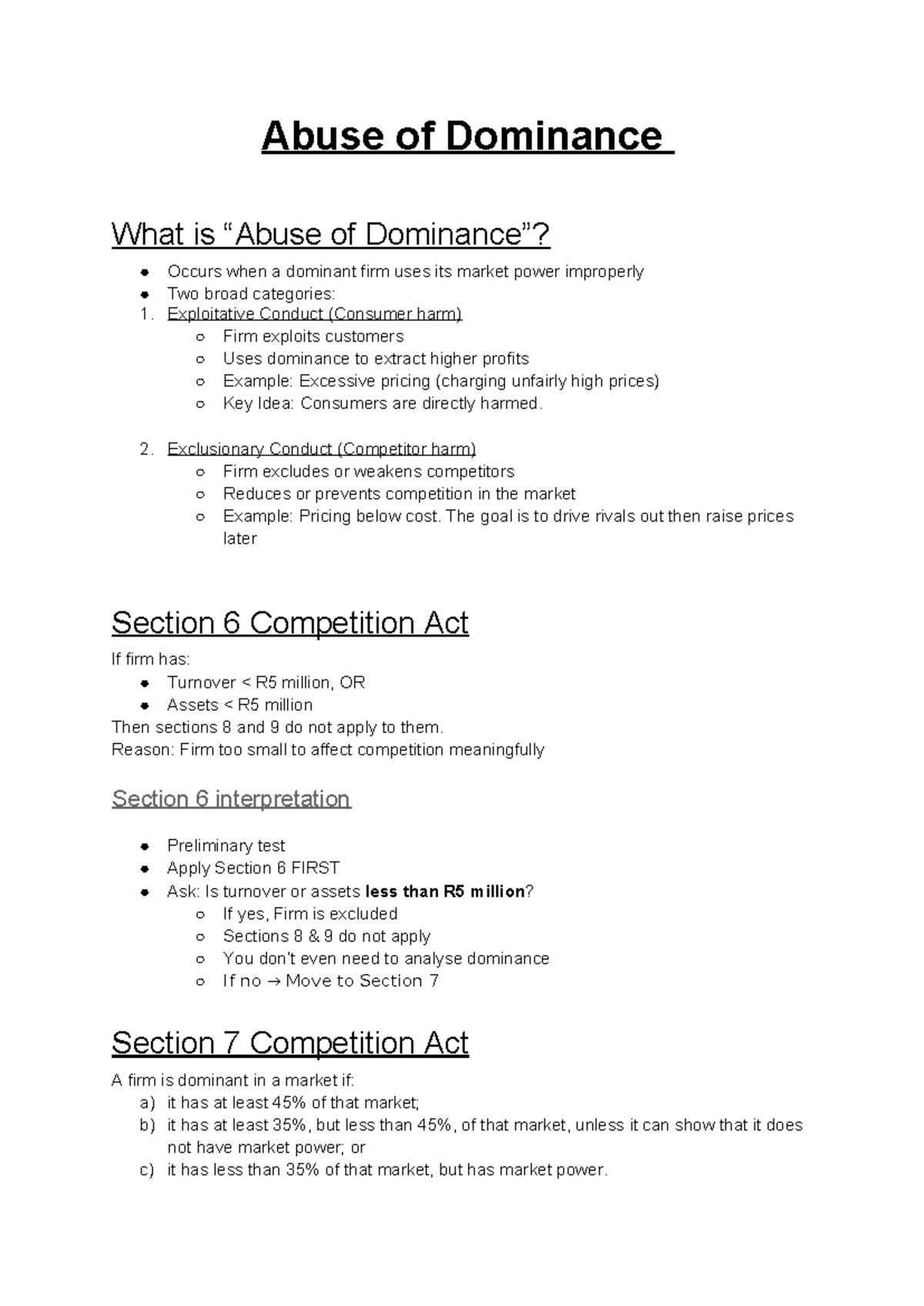
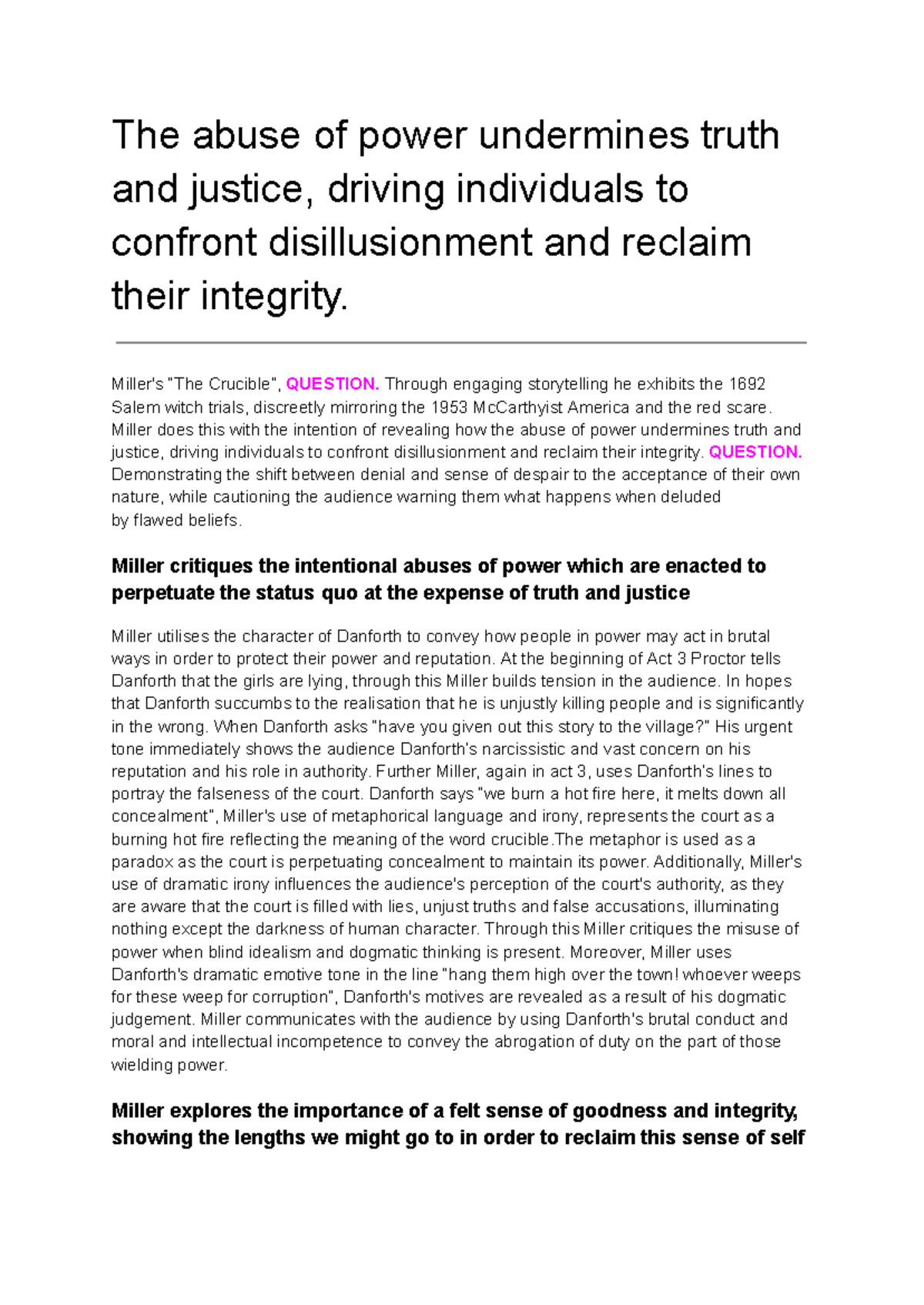
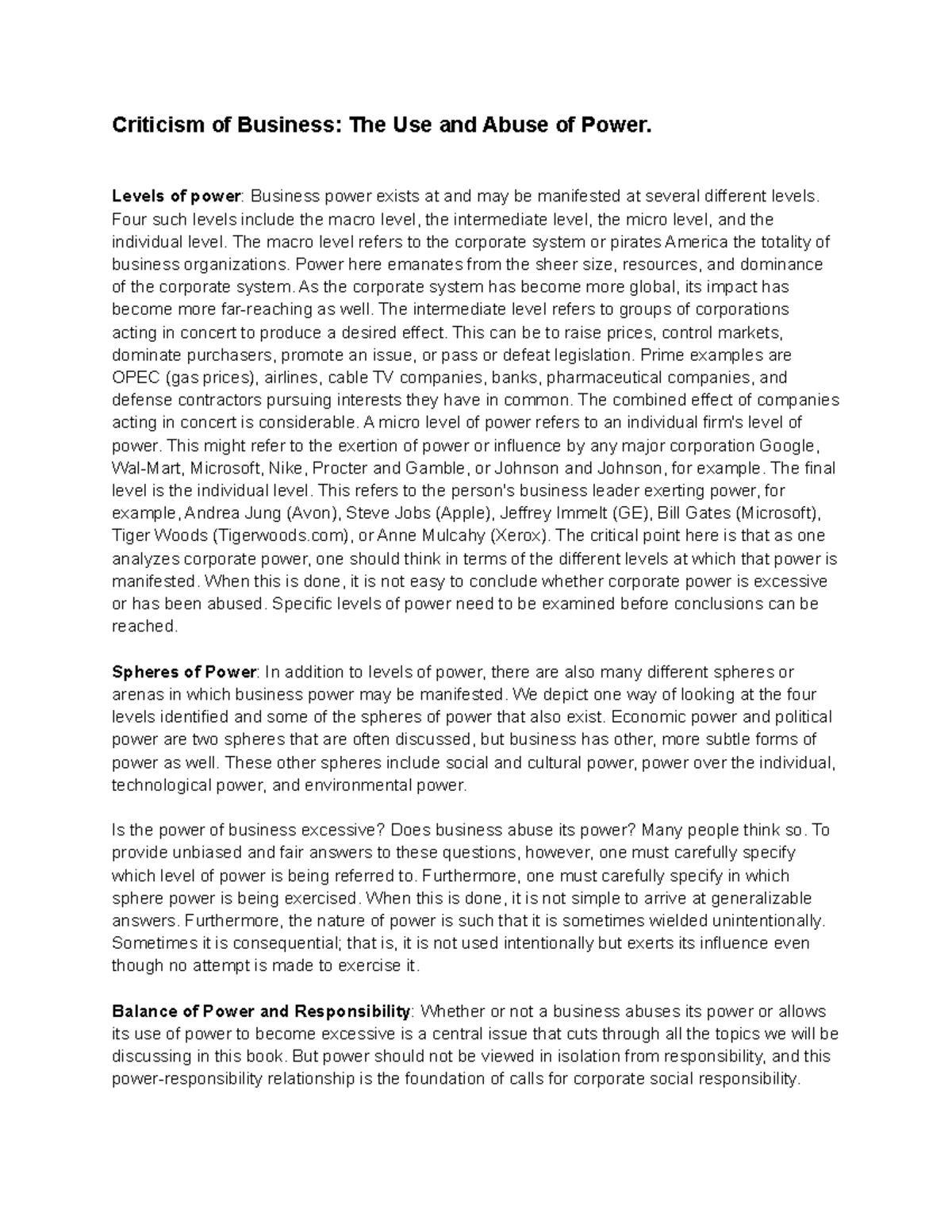
Abuse of power in financial markets refers to the exploitation of structural, informational, or regulatory advantages by dominant entities to manipulate prices, distort fair competition, or unfairly transfer wealth from retail participants to institutional actors. This systemic issue undermines market integrity, triggers regulatory intervention, and necessitates robust oversight mechanisms to ensure equitable access and transparent execution for all investors.
The global financial system relies on the assumption of "price discovery," where the interplay of supply and demand determines asset values. When powerful entities—such as mega-cap firms, market makers, or information-privileged insiders—abuse their position, this mechanism fails. Protecting yourself in this environment requires understanding the mechanics of these imbalances and recognizing the legal frameworks designed to mitigate them.
Mechanisms of Market Power Imbalance
The structural design of modern financial markets often creates inherent asymmetries. These are not always inherently illegal, but they become an "abuse of power" when they are used to circumvent market rules, deceive counterparties, or create artificial barriers to fair entry.
Information Asymmetry and Insider Advantage
Information is the primary currency of finance. Abuse of power frequently manifests as the selective use of non-public, material information. While "insider trading" is a widely recognized legal term, more subtle forms of abuse occur when institutions leverage high-frequency data feeds or predictive analytics to front-run the retail market. By the time a retail investor sees a price on their terminal, an algorithmic system may have already reacted to news or order flow, effectively "taxing" the retail participant for every trade.
Latency Arbitrage and Order Flow Control
In contemporary electronic markets, microseconds are significant. Large firms often pay for "co-location"—placing their servers physically inside the data centers of major exchanges. This reduces latency to the absolute physical minimum. When these firms use this speed advantage to trade against pending retail orders—an practice often discussed in the context of "payment for order flow" (PFOF)—the retail investor is rarely getting the best possible execution price. The power imbalance here lies in the ability to anticipate market moves before the broader public has even processed the incoming data.
Common Indicators of Market Abuse
Recognizing when a market is failing to function fairly requires an eye for specific, recurring patterns. While these indicators do not definitively prove misconduct, they serve as red flags for investors and institutional monitors alike.
- Abnormal Volume Spikes: Significant, unexplained surges in trading volume immediately preceding major news releases or regulatory filings often suggest that "informed" actors are acting on private information.
- "Spoofing" and "Layering": This occurs when a trader places a large volume of fake buy or sell orders with the intent to cancel them before execution. The goal is to create a false impression of supply or demand, tricking others into buying or selling at manipulated prices.
- Wash Trading: An entity buys and sells the same asset repeatedly to create a false appearance of high liquidity and market activity. This is frequently observed in less regulated sectors, such as certain digital asset markets or penny stock environments.
- Arbitrary Spread Widening: In volatile times, liquidity providers may widen the "bid-ask spread" excessively, far beyond what market conditions justify, essentially extracting an exorbitant toll on every transaction.
The Regulatory Response and Investor Protection
Regulators, such as the Securities and Exchange Commission (SEC) in the United States or the Financial Conduct Authority (FCA) in the United Kingdom, utilize surveillance technology to combat these abuses. Since 2020, there has been an increased focus on the algorithmic accountability of market makers.
Compliance and Surveillance Requirements
Regulators now mandate that exchanges and broker-dealers maintain comprehensive audit trails. The Consolidated Audit Trail (CAT) in the U.S. is designed to track every order, execution, and cancellation in real-time. This allows regulators to reconstruct market events and identify patterns consistent with manipulation.
Legal Recourse for Affected Parties
If you believe you have been a victim of market manipulation, legal avenues are limited for individual retail investors due to the difficulty of proving intent. However, collective action or class-action litigation often follows investigations by regulatory bodies. The primary role of the investor is not to prosecute, but to verify that their broker is complying with "Best Execution" obligations—the legal requirement that a broker must use reasonable diligence to ascertain the best market for a security and buy or sell in that market so that the result to the customer is as favorable as possible.
Comparison of Market Manipulation Tactics
Understanding the terminology used by regulatory bodies helps investors better interpret financial reports and news alerts regarding market misconduct.
| Tactic | Mechanism | Intended Outcome |
|---|---|---|
| Spoofing | Placing large, non-executable orders. | Deceive others into moving the price. |
| Front-Running | Trading ahead of large client orders. | Profit from the expected price movement. |
| Wash Trading | Self-dealing of assets. | Falsify volume and liquidity metrics. |
| Painting the Tape | Executing frequent small trades. | Create a false trend to attract momentum. |
Practical Steps for Individual Investors
While an individual cannot stop institutional abuse, you can minimize your exposure to environments where these practices are most prevalent.
- Prioritize Regulated Exchanges: Stick to platforms that are registered with national regulators. Avoid offshore or "decentralized" platforms that lack oversight, as these are often hotbeds for wash trading and manipulation.
- Avoid Illiquid Assets: Abuse of power is easiest in markets with low volume. If a stock or asset has very little trading activity, a single large player can easily manipulate the price. Stick to assets with deep liquidity.
- Utilize Limit Orders: Always use limit orders rather than market orders. A market order forces you to take whatever price is available, which is exactly what market manipulators rely on. A limit order ensures you only trade at a price you have determined is fair.
- Monitor Execution Quality: Request or view your broker’s 606 reports (for U.S.-based entities). These reports disclose how the firm routes client orders and where they are getting filled, providing transparency into potential conflicts of interest.
- Diversify Across Platforms: If you are a high-frequency trader or hold significant assets, do not concentrate all your holdings in one venue. Diversification limits your vulnerability to a single exchange’s technical outages or manipulation schemes.
Frequently Asked Questions
Is high-frequency trading inherently an abuse of power? Not necessarily. High-frequency trading can increase liquidity and reduce bid-ask spreads for the average investor. It only constitutes an abuse of power when it is used to engage in illegal practices like front-running or spoofing to deceive other market participants.
How do I report suspected market manipulation? In the United States, you can submit a "Tip, Complaint, or Referral" (TCR) to the SEC via their official online portal. Other jurisdictions have similar reporting mechanisms managed by their respective financial conduct authorities. Always ensure you are using the official government website (ending in .gov or equivalent national domains).
Can retail investors effectively compete with institutional algorithms? Retail investors cannot compete on speed, but they can compete on strategy. By maintaining a long-term investment horizon, retail investors negate the advantage of high-frequency algorithms, which are generally optimized for short-term, intraday price fluctuations.
What is the legal definition of "Best Execution"? Best execution is the legal duty of a broker to seek the most favorable terms available for a customer's order. It considers factors such as price, speed, likelihood of execution, and the nature of the market. It does not guarantee the lowest price, but it requires that the broker acts in the best interest of the client.
Are there protections against broker bankruptcy if they are involved in misconduct? Yes. In the U.S., the Securities Investor Protection Corporation (SIPC) protects investors against the loss of cash and securities in the event that a brokerage firm fails. This, however, does not cover losses resulting from bad investment decisions or market manipulation—only the loss of assets held by a failed firm.
Next Actions for Secure Investing
To protect your capital, perform an audit of your brokerage relationships. Verify that your primary broker is regulated in your jurisdiction and check their recent public disclosures regarding order routing practices. Shift your trading behavior to favor limit orders during periods of high volatility, and when in doubt, seek assets with significant trading volume to reduce the risk of being caught in a manipulated price movement. If you suspect specific, illegal activity, document your trade timestamps and order execution data before filing a report with the appropriate national regulator.