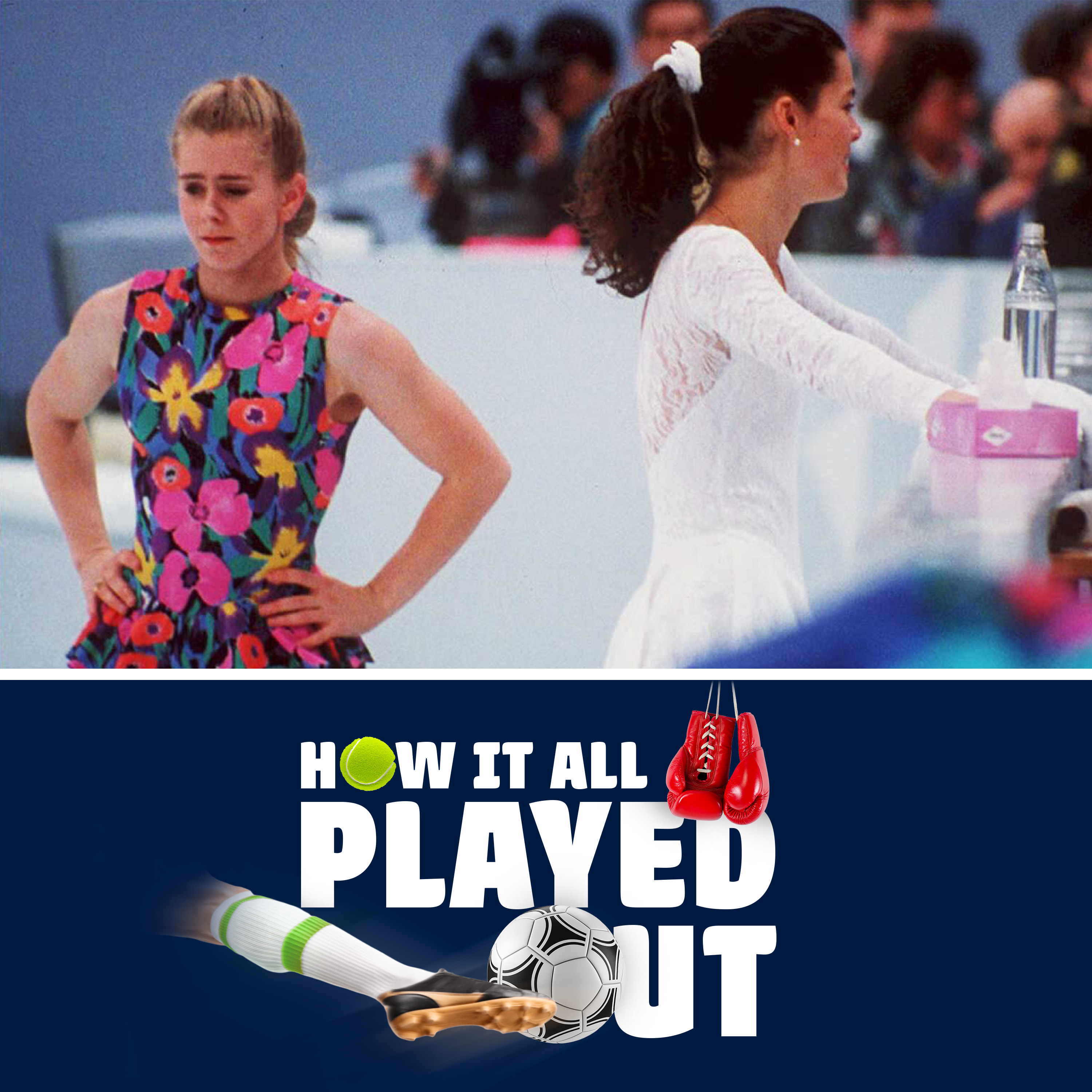
The 90s ice skating scandal refers to the 1994 physical assault on Nancy Kerrigan, orchestrated by the associates of her rival, Tonya Harding. This unprecedented event occurred during the U.S. Figure Skating Championships, leading to a media frenzy, a high-stakes Olympic showdown in Lillehammer, and Harding’s permanent ban from the sport.
The 1990s was a decade defined by the birth of the 24-hour news cycle and the blurring of lines between sports reporting and tabloid journalism. No single event encapsulated this shift more dramatically than the attack on Nancy Kerrigan on January 6, 1994. While figure skating had always been a sport of grace, elegance, and rigid discipline, the "whack heard 'round the world" introduced a gritty, criminal element that captivated a global audience. As of 2026, the incident remains the most cited example of competitive rivalry curdling into criminal conspiracy, serving as a cautionary tale about the pressures of elite athletics and the cost of fame.
The Incident at Cobo Arena: Anatomy of an Attack
The scandal began in Detroit, Michigan, at the Joe Louis Arena (and the adjacent Cobo Arena) during a practice session for the 1994 U.S. Figure Skating Championships. Nancy Kerrigan, the reigning Olympic bronze medalist and a favorite for the national title, was leaving the ice when an assailant emerged from behind a curtain.
The attacker, later identified as Shane Stant, used a 21-inch telescopic black baton to strike Kerrigan on her right leg, landing a blow just above the knee. The goal was not to break her leg but to bruise the kneecap severely enough to prevent her from competing in the upcoming Winter Olympics in Lillehammer, Norway. The immediate aftermath was captured on video by a news crew, showing a distraught Kerrigan weeping and crying out, "Why? Why? Why?"
This footage became the defining image of the scandal. Kerrigan was forced to withdraw from the national championships, which Tonya Harding subsequently won. However, the victory was immediately overshadowed by the burgeoning criminal investigation into the attack.
The Conspiracy: The "Gang That Couldn't Shoot Straight"
The investigation quickly moved from the assailant to the circle surrounding Tonya Harding. It was revealed that the plot was orchestrated by Harding’s ex-husband, Jeff Gillooly, and her self-appointed "bodyguard," Shawn Eckardt.
The planning of the attack was surprisingly amateurish, leading investigators to refer to the group as the "gang that couldn't shoot straight." Eckardt had bragged about the plot to acquaintances, and the paper trail—including receipts for car rentals and hotel stays—linked the conspirators directly to the Detroit arena.
The conspiracy involved several key players:
- Jeff Gillooly: Harding's ex-husband, who acted as the mastermind.
- Shawn Eckardt: A friend of Gillooly who claimed to be an international counter-terrorism expert but was actually an untrained associate.
- Shane Stant: The hired hitman who traveled from Arizona to Detroit to carry out the strike.
- Derrick Smith: Stant’s uncle, who acted as the getaway driver.
As the FBI and Detroit police closed in, the central question became: What did Tonya Harding know, and when did she know it? While Harding initially denied any involvement, the proximity of the perpetrators to her inner circle made her a person of interest almost immediately.
The Media Circus and the Socioeconomic Divide
One reason the 90s ice skating scandal resonated so deeply was the perceived contrast between the two women. The media constructed a narrative of "The Princess vs. The Bad Girl," a framing that reflected deeper American anxieties about class and decorum.
Nancy Kerrigan was portrayed as the refined, elegant "ice princess." With endorsements from companies like Campbell’s Soup and Revlon, she embodied the traditional image of a figure skater. Her skating style was characterized by classic lines and grace.
Tonya Harding, by contrast, was the "wrong side of the tracks" athlete. Raised in a low-income household in Portland, Oregon, she was a powerhouse athlete who famously became the first American woman to land a triple axel in competition. However, she struggled with the aesthetic requirements of the sport, often sewing her own costumes and clashing with the skating establishment’s preference for "ladylike" presentation.
This socioeconomic divide fueled the public's obsession. The scandal wasn't just about a physical assault; it was viewed as a clash of cultures. The rise of tabloid television shows like Hard Copy and Inside Edition ensured that every detail of Harding’s difficult upbringing and Gillooly’s erratic behavior was broadcast nightly to millions.
The 1994 Lillehammer Winter Olympics
Despite the cloud of suspicion, the U.S. Olympic Committee (USOC) faced a legal and ethical dilemma. Harding had not yet been charged with a crime, and she threatened a $25 million lawsuit if she were barred from competing. Ultimately, both Kerrigan (who received a medical waiver to join the team) and Harding traveled to Lillehammer, Norway.
The women's figure skating short program on February 23, 1994, remains one of the most-watched sporting events in history. In the United States, it garnered a 48.5 Nielsen rating, meaning nearly half of all households with televisions were tuned in.
The competition itself was fraught with drama:
- Kerrigan’s Recovery: In a remarkable display of resilience, Kerrigan skated two nearly flawless programs.
- Harding’s Equipment Failure: During the free skate, Harding tearfully approached the judges, claiming a broken lace on her skate. She was granted a re-skate but ultimately finished in eighth place.
- The Result: Oksana Baiul of Ukraine won the gold medal in a close decision, while Nancy Kerrigan took home the silver.
While Kerrigan won the "battle on the ice," the media coverage continued to focus heavily on Harding's impending legal battles and the fallout of the Detroit investigation.
Legal Consequences and the Lifetime Ban
Following the Olympics, the legal system and the governing bodies of figure skating took decisive action. On March 16, 1994, Tonya Harding pleaded guilty to conspiracy to hinder the prosecution. She was sentenced to three years of supervised probation, 500 hours of community service, and a $100,000 fine.
The most significant blow to Harding’s career came from the United States Figure Skating Association (USFSA). After their own internal investigation, the USFSA stripped Harding of her 1994 National Championship title and banned her for life from the association, both as a skater and a coach. The USFSA concluded that Harding had prior knowledge of the attack and acted with "clear disregard for sportsmanship, ethical conduct, and fair play."
The other conspirators faced harsher criminal penalties:
- Jeff Gillooly was sentenced to two years in prison after pleading guilty to racketeering. He later changed his name to Jeff Stone.
- Shawn Eckardt, Shane Stant, and Derrick Smith all served prison sentences ranging from 14 to 18 months.
| Figure | Role | Primary Legal Outcome | Association Status |
|---|---|---|---|
| Tonya Harding | Competitor / Accomplice | 3 years probation; $100k fine | Lifetime Ban from USFSA |
| Nancy Kerrigan | Victim | No charges | Hall of Fame Inductee |
| Jeff Gillooly | Mastermind | 2 years in prison | N/A |
| Shawn Eckardt | Bodyguard/Planner | 18 months in prison | N/A |
| Shane Stant | Attacker | 18 months in prison | N/A |
Re-evaluating the Scandal in 2026
As we look back from the perspective of 2026, the 1994 scandal is often viewed through a more nuanced lens. The 2017 film I, Tonya sparked a significant cultural re-evaluation of Harding’s life, highlighting the domestic abuse she suffered at the hands of her mother and Gillooly.
While the attack on Kerrigan remains inexcusable, modern audiences are often more critical of the media’s role in "villainizing" Harding based on her class and appearance. This shift in perspective hasn't absolved Harding of her legal or ethical failures, but it has added layers of complexity to a story that was once told in simple black-and-white terms.
Furthermore, the scandal served as a catalyst for increased security at sporting events. The ease with which Stant was able to access the practice rink led to a complete overhaul of how elite athletes are protected during national and international competitions.
Long-term Impacts on Figure Skating
The scandal had a paradoxical effect on the sport of figure skating. In the immediate aftermath, interest in the sport skyrocketed. TV ratings for skating events remained high throughout the late 1990s, and professional ice shows like Stars on Ice saw record ticket sales.
However, many argue that the scandal also "cheapened" the sport’s image, moving it closer to the world of professional wrestling in the eyes of the general public. The technical progression of the sport also saw a temporary plateau; it took years for the focus to return to the athletic achievements of skaters rather than their personal lives.
For Nancy Kerrigan, the scandal led to a successful professional career, including hosting duties, skating tours, and various television appearances. Despite the trauma of the attack, she remains one of the most respected figures in U.S. skating history. Harding, meanwhile, attempted several career pivots, including a brief stint in professional boxing, but her permanent ban from the USFSA ensured she would never return to the ice in a professional or competitive capacity.
Common Misconceptions About the 94 Scandal
Several myths have persisted since the 90s ice skating scandal. One common misconception is that Tonya Harding herself physically struck Nancy Kerrigan. Factual records and court testimony confirm that Harding was never accused of being the physical assailant; rather, she was convicted of conspiring to hinder the prosecution of those who did.
Another misconception is that the attack was intended to break Kerrigan's leg. According to Shane Stant’s testimony, the instruction was to "disable" her, specifically by bruising the leg to prevent her from training. The group feared that a broken bone would lead to a more intense criminal investigation (an irony, considering the intensity of the investigation that followed regardless).
Troubleshooting the History: How to Verify Facts
For students of sports history or true crime enthusiasts looking to verify the details of this case, several primary sources remain available in 2026:
- FBI Records: Portions of the FBI investigation into the "Kerrigan/Harding" case have been made available via the Freedom of Information Act (FOIA). These documents detail the timeline of the conspiracy.
- USFSA Archives: The official statement regarding Harding’s lifetime ban provides the athletic body's reasoning for her expulsion.
- Court Transcripts: Records from the Multnomah County Court (Oregon) contain the specifics of Harding's plea deal and sentencing.
Using these primary sources is the most effective way to separate the tabloid speculation of the 90s from the legal and historical facts of the case.
FAQ: Understanding the 90s Ice Skating Scandal
Did Tonya Harding ever win an Olympic medal?
No. Despite her immense talent and her history-making triple axel, Tonya Harding never won an Olympic medal. She finished fourth in the 1992 Albertville Games and eighth in the 1994 Lillehammer Games.
What happened to the "bodyguard" Shawn Eckardt?
Shawn Eckardt changed his name to Brian Sean Griffith following the scandal. He attempted to start a computer career but largely stayed out of the public eye. He passed away in 2007 at the age of 40 from natural causes.
Is the 1994 National Championship title still vacant?
After the USFSA stripped Tonya Harding of her 1994 title, the association decided not to award it to anyone else for that year. Nancy Kerrigan, who withdrew due to the injury, is the 1993 champion, and Nicole Bobek won the 1995 title.
Did Nancy Kerrigan and Tonya Harding ever reconcile?
The two women have had very little contact since 1994. While they both appeared in a 2018 television special marking the 20th anniversary (and around the release of I, Tonya), they did not share a warm reconciliation. Kerrigan has consistently stated that she has moved on with her life and does not feel the need for a formal apology or relationship.
How much was the hitman paid?
The conspirators reportedly agreed to pay Shane Stant and Derrick Smith approximately $6,500 to carry out the attack. However, due to the rapid disintegration of the group's finances and the ensuing arrests, the full payment was never successfully processed or hidden.
Final Recommendation for Research
For those interested in the sociological impact of the scandal, it is recommended to view the 2014 documentary The Price of Gold (part of ESPN's 30 for 30 series). This documentary provides a factual, balanced look at the socioeconomic factors that influenced the media's portrayal of both athletes. To understand the legal intricacies, one should consult the official USFSA disciplinary hearing reports, which detail the evidence of Harding's prior knowledge and subsequent cover-up efforts.