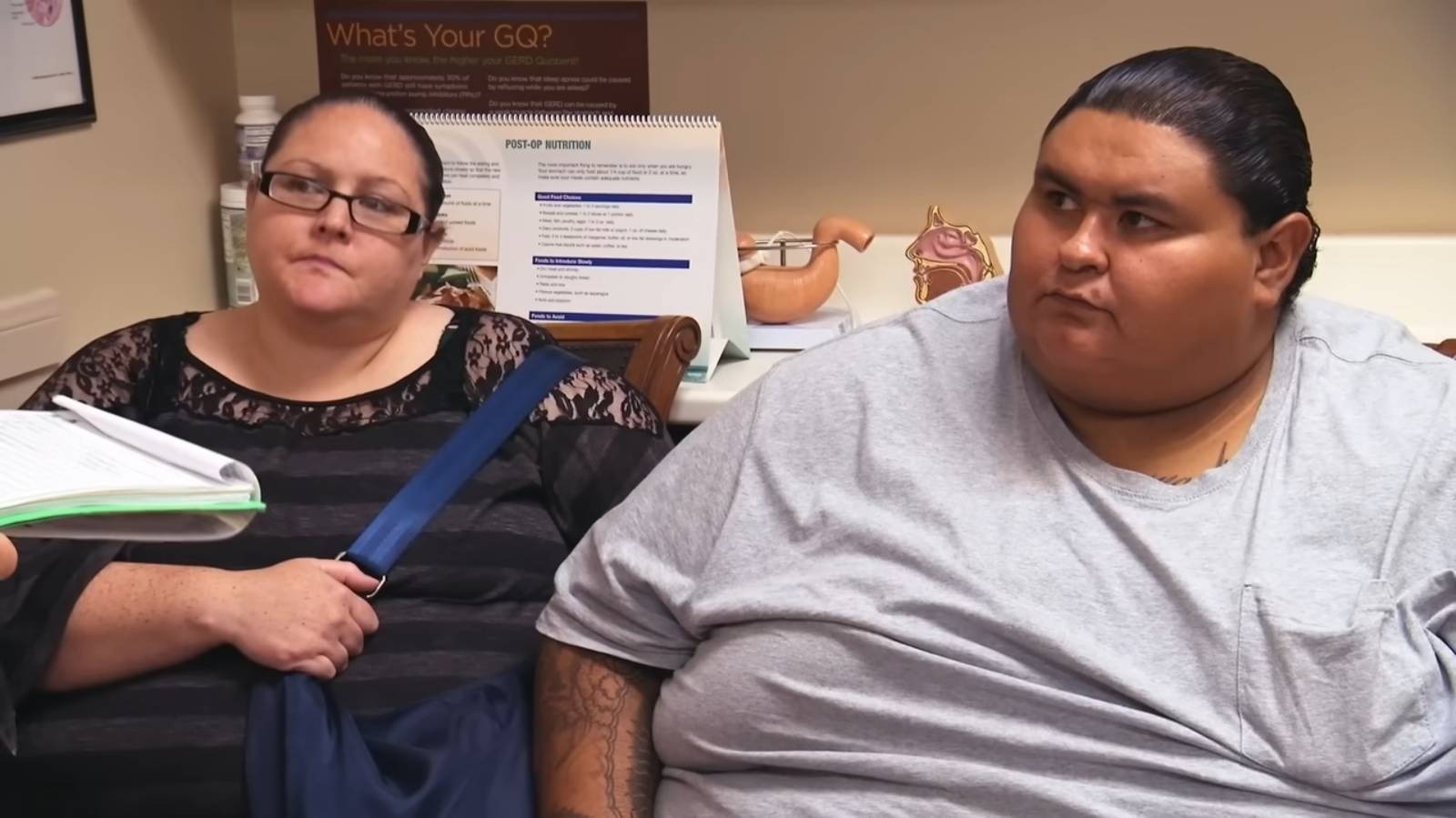
Cindy Vela appeared on Season 8 of the TLC series My 600-lb Life, seeking weight loss surgery under the guidance of Dr. Younan Nowzaradan. Her journey highlighted the complex intersection of mobility struggles, deep-seated emotional trauma, and the rigorous psychological and physical requirements necessary to qualify for bariatric intervention within the program's structured clinical framework.
The story of Cindy Vela is a poignant case study of the challenges inherent in the "My 600-lb Life" process. When viewers first met Cindy, she was living in Texas, weighing approximately 607 pounds. Her daily existence was defined by severe mobility limitations, which necessitated full-time care. Her primary caretaker at the time was her daughter, who navigated the immense physical and emotional toll of managing Cindy’s day-to-day needs. For many, Cindy’s narrative represents the reality of patients who enter the program not just to lose weight, but to reclaim their autonomy in a life where simple tasks—such as bathing, dressing, or preparing meals—had become impossible.
The Clinical Requirements for Bariatric Eligibility
Dr. Younan Nowzaradan’s protocol is famously stringent, emphasizing that surgery is a tool, not a cure. To be approved for a gastric bypass or sleeve gastrectomy, patients like Cindy must demonstrate a consistent ability to follow a low-calorie, high-protein diet. This is not merely a weight-loss goal but a biological necessity; the liver must shrink to allow the surgeon safe access to the stomach, and the patient must prove that they can adapt their lifestyle to the permanent changes required post-operation.
For Cindy, the clinical path involved moving from a state of total reliance on others toward a regime of self-accountability. The program’s requirements often feel overwhelming to participants, as they involve:
- Adherence to a specific calorie-restricted diet: Moving away from processed, high-sugar, and high-fat foods.
- Psychological evaluation: Addressing the root causes of overeating, which frequently involve trauma, depression, or coping mechanisms developed in childhood.
- Physical therapy and movement: Starting from a point of near-immobility and gradually increasing activity to improve heart health and bone density.
The Role of Emotional and Familial Dynamics
One of the most defining aspects of Cindy’s episode was the friction within her household. In the context of extreme obesity, the caretaker role often becomes fraught with codependency. In Cindy’s case, the frustration of her daughter was a focal point. When a loved one acts as the primary provider of food, their role in the patient's success or failure is magnified. If the caretaker continues to supply high-calorie meals due to guilt, habit, or the desire to appease the patient, it can undermine the professional medical advice of Dr. Nowzaradan.
This dynamic is not unique to Cindy; it is a recurring theme in the series. The transition from a codependent relationship to one that supports health requires a radical shift in how family members interact. It asks the caretaker to stop facilitating the addiction, which often leads to conflict, emotional outbursts, and, in some cases, the withdrawal of support if the underlying issues are not addressed through therapy.
Navigating the Hurdles of Medical Compliance
Throughout the episode, Cindy faced significant hurdles regarding her compliance with the diet. The program demands a level of discipline that can be jarring for patients who have used food as a primary coping mechanism for decades. When a patient deviates from the diet, it is usually a sign that they have not yet developed the coping skills needed to manage stress without food.
Dr. Nowzaradan is known for his blunt, direct communication style, which is intended to serve as a wake-up call. For viewers, this can be controversial; some see it as harsh, while others argue that it is a necessary medical intervention for a condition that is life-threatening. Cindy’s reaction to this high-pressure environment underscores the struggle between the rational desire for health and the irrational pull of food addiction.
| Phase of Treatment | Primary Goal | Challenges Faced by Patients |
|---|---|---|
| Initial Assessment | Identifying health risks | Denial, fear of change, mobility loss |
| Pre-Op Dieting | Shrinking the liver | Withdrawal, lack of support, habit loops |
| Psychological Therapy | Addressing root trauma | Resistance to change, emotional triggers |
| Surgery Preparation | Demonstrating compliance | Setbacks, physical exhaustion |
| Post-Op Integration | Sustaining lifestyle shifts | Weight plateaus, mental health spikes |
The Psychological Component: Why Success Is Difficult
Weight loss at this level is often described as 20% physical and 80% psychological. Cindy’s story serves as a reminder that without addressing the "why" behind the weight, surgical intervention is unlikely to produce long-term, sustainable results. Many patients in the My 600-lb Life universe experience "weight regain" if they do not replace their emotional reliance on food with healthy coping mechanisms, such as cognitive behavioral therapy, support groups, or new hobbies.
The complexity of binge eating disorder and food addiction means that relapse is a significant risk. For Cindy, as for many others, the journey is not a straight line toward a goal weight. It is a series of fits and starts, where every setback offers a lesson about the patient's capacity for change.
Comparison of Participant Journeys
While every patient on the show is unique, their experiences often follow a similar trajectory. Understanding where Cindy fits within the broader scope of the program helps viewers understand why some individuals thrive while others struggle significantly.
- The Early Adapters: These patients embrace the diet immediately, seeing it as their only chance at survival.
- The Struggling Successes: These patients hit many obstacles, fall off the diet, but eventually push through to qualify for surgery.
- The Resistance Cases: These patients struggle to internalize the need for behavioral change, often leading to a termination of the doctor-patient relationship.
Cindy’s journey is best categorized within the "Struggling Successes" framework. Her willingness to remain in the program, even when faced with harsh criticism and the frustration of her support system, shows the persistent, if sometimes erratic, drive to improve her quality of life.
Frequently Asked Questions
Did Cindy Vela end up having the weight loss surgery? Yes, Cindy Vela was eventually cleared for weight loss surgery after showing enough progress in her compliance with Dr. Nowzaradan’s dietary requirements. Her path was not linear, involving several moments of tension, but she reached the necessary milestones for the procedure.
What was the biggest obstacle Cindy faced? Her biggest obstacle was arguably the environment at home and her struggle to break free from the patterns of food addiction. The emotional weight of her past, combined with the difficulty of changing habits ingrained over a lifetime, made consistent dietary adherence a constant battle.
How does Dr. Nowzaradan treat his patients? Dr. Nowzaradan utilizes a "tough love" approach. He provides a strict, calorie-controlled diet and monitors progress closely. If a patient does not lose weight as expected, he frequently challenges them on their lack of compliance, emphasizing that the surgery will not work if the patient does not change their behavior.
Is food addiction recognized as a mental health condition? Yes, food addiction, often manifesting as Binge Eating Disorder, is recognized by many clinicians as a serious issue that requires psychological support. It is rarely just about "lack of willpower," but rather a complex interaction of neurotransmitters, emotional trauma, and environmental factors.
What happens after the show for these patients? Life after the show varies significantly. Some patients continue to lose weight and maintain their health, while others struggle with long-term maintenance. Success typically depends on whether the patient continues with therapy and maintains the dietary structure established during the program.
Final Guidance for Understanding the Process
If you are watching My 600-lb Life to understand the realities of extreme weight loss, it is helpful to view the program as a medical documentary rather than just entertainment. The struggles Cindy experienced are indicative of the immense psychological weight of morbid obesity. For anyone dealing with similar issues, the primary takeaway is the necessity of professional, multi-disciplinary support.
Surgery is merely the starting point. True success is found in the daily, often invisible work of therapy and dietary discipline. Whether you are rooting for a specific participant or seeking to understand the medical complexities of obesity, remember that these individuals are navigating a path that is as much about healing the mind as it is about altering the body.