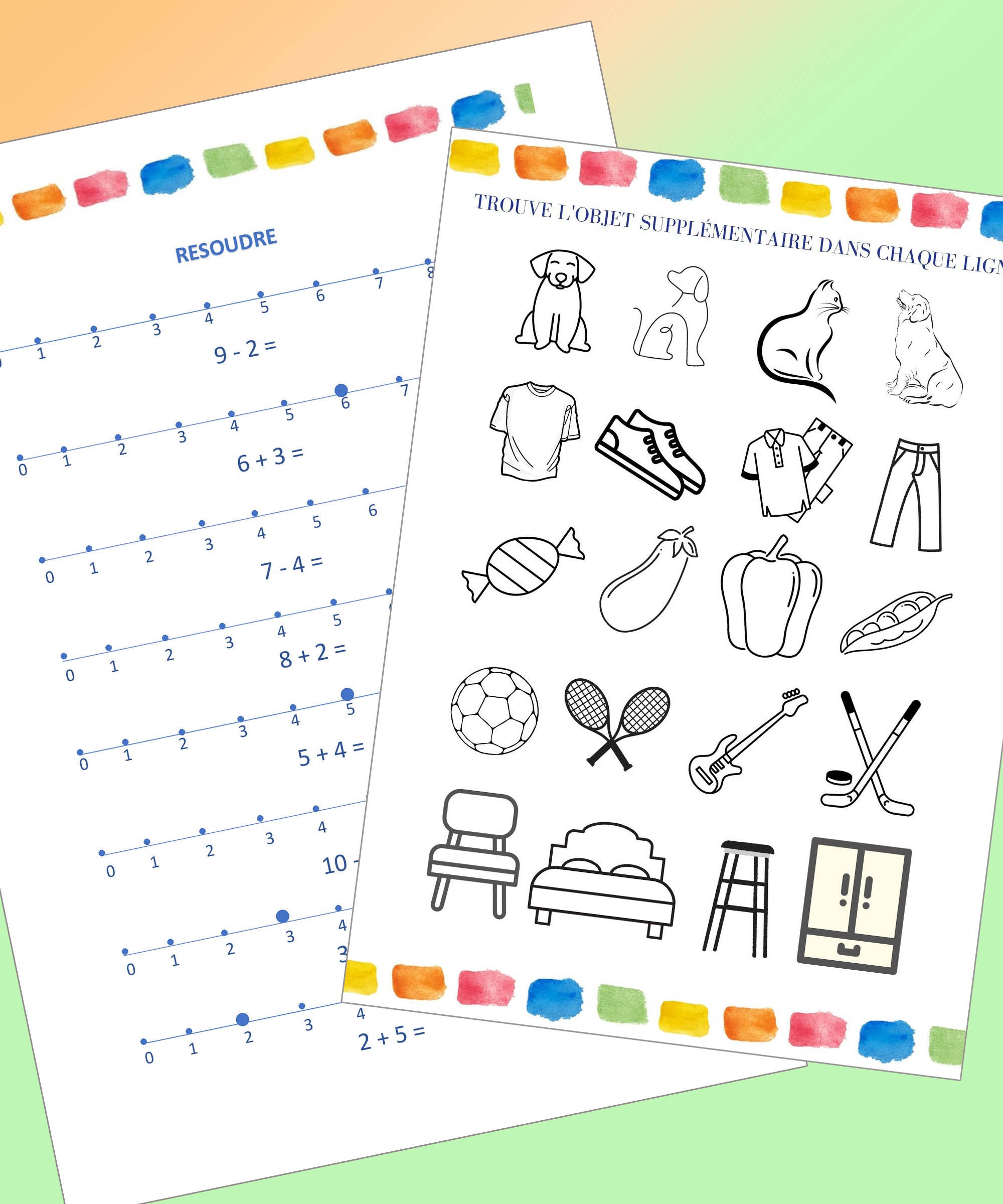
A 6-year-old girl undergoes a pivotal transition into middle childhood, marked by rapid physical growth, refined motor skills, and the onset of concrete operational thought. This stage involves significant social expansion, the development of complex literacy skills, and a growing sense of independence as she navigates the structured environment of primary school and evolving peer relationships.
Physical Development and Physiological Growth
The sixth year of a girl's life is characterized by a "slenderizing" of the body as she loses the last remnants of toddler-era subcutaneous fat. As of 2026, healthcare providers continue to use the World Health Organization (WHO) and Centers for Disease Control and Prevention (CDC) growth charts to monitor these changes. On average, a 6-year-old girl will grow approximately 2 to 3 inches (5 to 7.5 centimeters) in height and gain about 4 to 7 pounds (2 to 3 kilograms) annually.
Skeletal and Dental Milestones
One of the most visible physical markers of this age is the transition in dentition. The "toothless smile" is a hallmark of the 6-year-old, as the primary central incisors are typically the first to fall out. Simultaneously, the first permanent molars—often called the "6-year molars"—begin to erupt behind the existing primary teeth. These molars do not replace baby teeth but are the first permanent additions to the dental arch, making dental hygiene and sealants a priority during this year.
Skeletal growth is also focused on the lengthening of the long bones in the arms and legs. This can occasionally lead to "growing pains," typically described as a dull ache in the lower limbs during the evening or night. While benign, these sensations reflect the rapid pace of physiological change occurring during this period of middle childhood.
Gross and Fine Motor Skill Mastery
By age six, girls typically exhibit significant improvements in bilateral coordination and balance. Gross motor skills become more graceful and integrated. A 6-year-old can usually skip, hop on one foot for several yards, and begin to master complex movements like riding a bicycle without training wheels or performing a basic cartwheel.
Fine motor skills see a parallel advancement. The intrinsic muscles of the hand are now sufficiently developed to allow for:
- Refined Writing: Small, legible letters that stay within lines, though some reversals (like 'b' and 'd') may persist until age seven.
- Self-Care: The ability to tie shoelaces, manage zippers and buttons independently, and use a knife to cut soft foods under supervision.
- Artistic Precision: Drawing a person with at least eight body parts and using scissors to cut out intricate shapes.
Cognitive and Intellectual Evolution
According to Piagetian theory, a 6-year-old girl is transitioning from the preoperational stage to the concrete operational stage. This shift is fundamental to her ability to succeed in a formal school environment.
The Shift to Logical Reasoning
At age six, a girl begins to move away from "egocentrism"—the belief that everyone sees the world exactly as she does. She starts to understand the concept of conservation (the idea that the amount of a substance remains the same even if its shape changes), though this mastery is often still developing. Her thinking becomes more organized and logical, allowing her to classify objects by multiple criteria, such as color and shape simultaneously.
Language and Literacy Acquisition
Language development at this age is expansive. A typical 6-year-old girl possesses a receptive vocabulary of several thousand words and can use complex sentence structures, including the correct use of past, present, and future tenses.
In terms of literacy, this is a "threshold year." While five-year-olds are often learning phonemic awareness, six-year-olds are moving toward "decoding" and "fluency."
- Reading: Most 6-year-olds can read common sight words and simple sentences. They begin to understand the mechanics of storytelling, such as the beginning, middle, and end.
- Numeracy: Mathematical concepts move from rote counting to understanding "number sense." This includes the ability to perform simple addition and subtraction (up to 10 or 20) and understanding the concept of "half" or "whole."
- Attention Span: The ability to focus on a single task increases to approximately 15–20 minutes, which is essential for the 2026 primary school curriculum.
Social and Emotional Development
The social world of a 6-year-old girl is often characterized by a high degree of "social industriousness." This aligns with Erikson’s stage of Industry vs. Inferiority, where children seek to master skills and gain approval through their productivity.
Friendship and Peer Dynamics
At age six, girls often begin to form "best friendships." These relationships are more stable than those in preschool but are still heavily based on shared activities. Peer acceptance becomes a major motivator. It is common to see:
- Rule-Bound Play: 6-year-olds are often obsessed with "the rules" of a game. This can lead to frequent arguments as they learn the nuances of fairness and competition.
- Gender Identity: Most girls at this age have a firm understanding of gender and may gravitate toward groups that share their gender identity, though interests remain highly individual.
- Empathy: The capacity for empathy grows significantly. A 6-year-old girl can recognize when a peer is upset and may offer comfort, demonstrating a more sophisticated "Theory of Mind."
Emotional Regulation and the "Six-Year-Old Change"
Parents often notice a period of emotional volatility around the sixth birthday, sometimes referred to as the "6-year-old change." This is a period of internal conflict where the child desires independence but still craves the security of parental support. Mood swings, occasional regressions to younger behaviors, and "testing the limits" of authority are common as the child navigates her expanding world.
Health, Nutrition, and Safety Requirements
Maintaining optimal health during this period of rapid change requires attention to preventative care and lifestyle habits. In 2026, health guidelines emphasize the "5-2-1-0" rule: 5 servings of vegetables/fruits, 2 hours or less of screen time, 1 hour of physical activity, and 0 sugary drinks.
Nutritional Foundations
A 6-year-old girl requires approximately 1,200 to 1,600 calories per day, depending on her activity level. Focus should be placed on:
- Calcium and Vitamin D: Essential for the development of permanent teeth and the lengthening of long bones.
- Iron: Necessary for cognitive function and energy levels.
- Hydration: Water and plain milk are the primary recommended fluids.
Sleep and Rest
Despite their high energy levels, 6-year-olds require significant sleep for neurological consolidation and physical growth. The American Academy of Sleep Medicine recommends 9 to 12 hours of sleep per 24 hours. Chronic sleep deprivation at this age can manifest as behavioral issues, poor concentration in school, and emotional instability.
Safety and Preventative Care
Safety priorities for a 6-year-old girl include:
- Booster Seats: Most 6-year-olds have not yet reached the 4'9" (145 cm) height requirement to use a standard seat belt safely and should remain in a belt-positioning booster seat.
- Vaccinations: In 2026, ensuring the completion of the kindergarten/first-grade boosters (MMR, Varicella, DTaP, and Polio) is standard for school entry.
- Water Safety: While many 6-year-olds are learning to swim, they still require constant "touch supervision" near water.
Developmental Milestones Summary Table
The following table outlines the expected developmental benchmarks for a 6-year-old girl across four key domains.
| Domain | Milestone Description | Practical Example |
|---|---|---|
| Physical | Refinement of gross motor coordination | Jumping rope or riding a two-wheel bike. |
| Fine Motor | Precision in tool use and writing | Tying shoelaces and writing full sentences. |
| Cognitive | Transition to logical, concrete thought | Understanding the concept of time and money. |
| Language | Complex syntax and phonemic decoding | Reading simple books and following 3-step directions. |
| Social | Development of peer-focused empathy | Forming "best" friendships and playing cooperatively. |
| Emotional | Testing of boundaries and independence | Expressing strong opinions on clothing or food choices. |
Educational Transitions and First Grade
For most 6-year-old girls, the transition to first grade represents their first experience with "formal" education. This shift involves moving from play-based learning to structured academic instruction.
The Classroom Environment
In 2026, first-grade classrooms prioritize integrated STEM and literacy. A 6-year-old girl is expected to:
- Follow Classroom Protocols: Sitting at a desk for longer periods and raising her hand to speak.
- Collaboration: Working in small groups on projects, which requires sharing and verbal negotiation.
- Executive Function: Managing her own belongings, such as a backpack, folders, and school supplies.
Identifying Developmental Delays
While there is a broad range of "normal" development, certain red flags may indicate a need for professional evaluation. These include:
- Extreme difficulty with fine motor tasks (e.g., unable to hold a pencil).
- Inability to recognize most letters or basic rhyming sounds.
- Persistent withdrawal from social interaction or extreme aggression.
- Failure to meet growth milestones on a consistent trajectory.
Frequently Asked Questions
What are the "6-year molars" and why are they important?
The 6-year molars are the first permanent molars that erupt at approximately age six. They are critical because they determine the shape of the lower face and affect the position and health of other permanent teeth. Because they emerge behind the primary teeth, they are often mistaken for baby teeth and may be neglected during brushing.
How much screen time is appropriate for a 6-year-old girl in 2026?
According to current 2026 pediatric guidelines, screen time should be limited to no more than two hours of high-quality, educational content per day. It is essential that digital use does not displace physical activity, social interaction, or the 9–12 hours of required sleep.
Is it normal for a 6-year-old girl to be moody or defiant?
Yes, this is often a result of the "6-year-old change." As children at this age gain more cognitive ability, they begin to see the world as a place where they can exert influence. This drive for autonomy often clashes with parental boundaries, leading to temporary periods of defiance or emotional sensitivity.
At what age should a 6-year-old girl stop using a booster seat?
Safety standards in 2026 mandate that children stay in a booster seat until they are at least 4'9" tall and between 8 and 12 years old. Most 6-year-olds are still too small for a vehicle's seat belt to fit correctly across the shoulder and hips, making the booster seat vital for preventing injury during a collision.
What reading level should a 6-year-old girl achieve?
By the end of the sixth year (typically finishing first grade), a girl should be able to decode simple words, recognize a wide array of high-frequency "sight words," and read short, repetitive texts independently. Reading development varies, but the focus is on the transition from "learning to read" to "reading for meaning."
Final Recommendations for Supporting Development
Supporting a 6-year-old girl involves a balanced approach of providing structure and encouraging independence. To foster her growth, ensure she has ample opportunities for unstructured play, which remains the primary way children at this age process social rules and physical limits.
Consistent routines for sleep and nutrition will provide the physiological foundation she needs for the rigors of the school day. Finally, celebrate her "industriousness" by acknowledging her efforts in learning new skills—whether it is a difficult math problem or a new gymnastic move—rather than just the end result. This builds the self-efficacy necessary for the rest of her primary school years.
For further information on growth charts and developmental milestones, consult the CDC Child Development resources or the American Academy of Pediatrics (HealthyChildren.org).