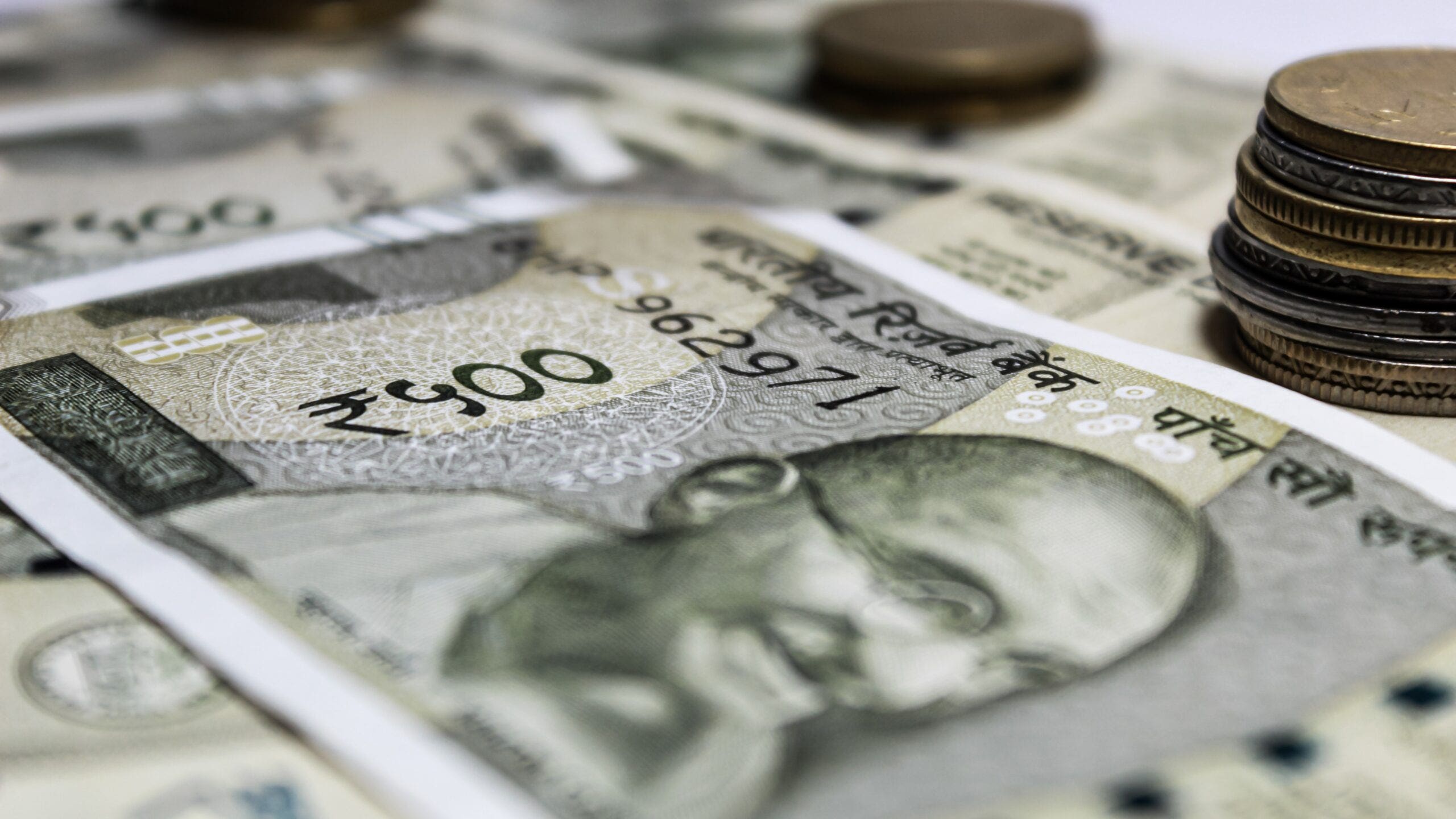
Converting 500 United States dollars (USD) into Indian rupees (INR) requires examining the live foreign exchange market, where currency values fluctuate constantly based on macroeconomic data, geopolitical developments, and central bank policies. Because foreign exchange rates shift every second during trading days, understanding the exact conversion value involves looking at current market mid-rates, understanding bank and remittance transfer fees, and recognizing the mechanisms that drive currency pricing.
The Mechanics of USD to INR Conversion
Foreign exchange (forex) transactions operate on a global interbank network where currencies are traded continuously. The exchange rate between the United States dollar and the Indian rupee represents the price of one currency in terms of another. When examining 500 dollars in INR, the calculation is straightforward once the baseline exchange rate is established: you multiply the total amount of USD ($500) by the current market exchange rate (e.g., if 1 USD equals 83.50 INR, 500 USD equals 41,750 INR).
However, retail consumers rarely receive the exact interbank or "mid-market" rate seen on financial news portals or search engines. Financial institutions, remittance providers, and credit card networks incorporate spreads, margins, or flat fees into their transactions. Consequently, the actual amount of Indian rupees deposited into a bank account or handed over at a currency exchange counter will vary depending on the chosen service provider.
The Role of Market Mid-Rates vs. Retail Rates
The mid-market rate is the midpoint between the buy and sell prices of two currencies in the global capital markets. It is the true benchmark rate, but it is typically accessible only to large commercial banks and institutional investors.
- Interbank Mid-Rate: Reflects pure supply and demand without retail markups.
- Transfer Provider Rate: Often includes a hidden markup on the exchange rate, alongside an upfront transfer fee.
- Cash Currency Exchange Rate: Generally features the widest spread because handling physical paper notes involves security, logistics, and inventory costs.
Historical Context and Macroeconomic Drivers
The valuation of the Indian rupee against the US dollar is shaped by several enduring macroeconomic factors. Over the decades, the exchange rate has evolved from fixed pegs to a managed float system administered by the Reserve Bank of India (RBI).
Key Economic Drivers Influencing USD/INR
- Interest Rate Differentials: Monetary policy decisions by the US Federal Reserve and the Reserve Bank of India dictate capital flows. Higher interest rates in the United States often attract foreign capital, strengthening the dollar against emerging market currencies like the rupee.
- Trade Deficits and Commodity Prices: India is a major importer of crude oil and other commodities, which are traditionally priced in US dollars. High global oil prices increase the demand for US dollars among Indian importers, putting downward pressure on the rupee.
- Inflation Rates: Inflation differentials between the US and India influence long-term currency valuations according to the purchasing power parity theory. Countries with lower relative inflation generally experience currency appreciation over extended horizons.
- Foreign Portfolio Investment (FPI) and Foreign Direct Investment (FDI): Capital inflows from international investors purchasing Indian equities or establishing businesses create high demand for rupees, supporting its valuation.
Comparing Remittance and Conversion Channels
When transferring or converting 500 dollars to INR, consumers can choose from several distinct channels. Each option balances speed, convenience, and total cost differently. The table below outlines how common financial services process a 500 USD transfer to INR.
| Conversion Channel | Typical Speed | Exchange Rate Markup | Transfer Fees | Overall Cost Efficiency |
|---|---|---|---|---|
| Dedicated Remittance Specialists (e.g., Wise, Remitly) | Minutes to 1-2 Business Days | Low (Near Mid-Market) | Low to Moderate | High |
| Traditional Wire Transfer (Bank-to-Bank SWIFT) | 2-5 Business Days | High (Markup included) | High (Sender + Intermediary Fees) | Low |
| International Credit/Debit Cards | Instant | Moderate to High | Foreign Transaction Fees (1-3%) | Moderate |
| Physical Cash Exchange Bureaus | Instant (In-Person) | Very High | Variable Commission | Low |
Specialized Remittance Platforms
Modern digital transfer services have disrupted traditional banking channels by providing transparent fee structures and exchange rates very close to the mid-market rate. For a relatively modest sum like 500 dollars, avoiding high fixed wire fees is crucial, as a $25 flat wire fee represents 5% of the total transfer value—a significant drag on the final amount received in INR.
Traditional Bank Wires
Traditional wire transfers rely on the SWIFT network, which routes funds through correspondent banks. Each intermediary bank may deduct a handling fee from the principal amount before it reaches the beneficiary in India. For smaller amounts like 500 USD, bank wires are rarely cost-effective due to these cumulative charges and unfavorable exchange rate margins.
Step-by-Step Guide to Converting and Sending 500 USD to INR
Executing an international transfer or currency exchange requires careful attention to verification requirements and recipient details to avoid delays or compliance holds.
- Verify the Live Exchange Rate: Check a reliable financial data provider to establish the current market mid-rate for USD to INR so you have a benchmark for comparison.
- Select a Transfer Provider: Compare digital remittance services, banks, and transfer aggregators to find the combination of lowest fees and best exchange rate for a 500 USD principal.
- Prepare Recipient Information: Gather accurate banking details for the recipient in India, including the full legal name matching their bank account, the account number, the Indian Financial System Code (IFSC) of the specific bank branch, and the bank's name.
- Complete Identity Verification (KYC): Comply with international anti-money laundering (AML) regulations by providing government-issued identification if required by the platform.
- Review the Total Cost and Delivery Estimate: Examine the exact amount of INR the recipient will receive after all deductions, along with the estimated arrival time, before confirming the transaction.
- Authorize and Track the Transfer: Fund the transfer via bank account, debit card, or credit card, and use the tracking number or reference code to monitor its progress until it credits the Indian bank account.
Common Mistakes to Avoid When Exchanging Currency
Navigating foreign exchange transactions involves several pitfalls that can unexpectedly reduce the value of your funds.
- Ignoring Exchange Rate Markups: Focusing solely on "zero fee" claims while ignoring poor exchange rate margins often results in higher overall costs.
- Incorrect Bank Details: Providing an inaccurate IFSC code or misspelled recipient name will result in transaction rejections, processing delays, or potential funds being trapped in clearing queues.
- Using Airport Exchange Booths: Physical currency booths located at airports consistently offer the least favorable exchange rates and highest commissions due to captive customer traffic and high operating overhead.
- Failing to Account for Correspondent Bank Fees: When sending traditional wire transfers, failing to account for intermediary fees can leave the recipient in India with less money than anticipated.
Frequently Asked Questions
How is the USD to INR exchange rate determined?
The USD to INR exchange rate is determined by global foreign exchange markets based on the continuous supply and demand for both currencies. Central banks, including the US Federal Reserve and the Reserve Bank of India, influence these rates indirectly through monetary policy, interest rate adjustments, and market interventions.
Will 500 USD buy the same amount of INR every day?
No. Foreign exchange rates fluctuate constantly throughout the trading week based on economic data releases, geopolitical events, and market sentiment. The exact amount of INR obtained for 500 USD depends entirely on the live market rate at the precise moment the transaction is executed.
What is the cheapest way to send 500 dollars to India?
Dedicated digital remittance platforms generally offer the most cost-effective solution for transferring 500 dollars to India. They typically combine low transfer fees with exchange rates much closer to the mid-market rate than traditional commercial banks.
Do I need to pay taxes when converting USD to INR?
Tax obligations depend on the purpose of the transfer, the tax residency of the sender and recipient, and local tax laws in the respective jurisdictions. For personal gifts, capital transfers, or income remittances, consulting a qualified tax professional ensures compliance with relevant reporting requirements, such as the Liberalized Remittance Scheme (LRS) regulations administered in India.
How long does it take for a 500 USD transfer to reach an Indian bank account?
Transfer duration varies by provider. Digital remittance services often complete transfers within minutes or up to one business day. Traditional bank wires through the SWIFT network typically require two to five business days.
Next Actions for Currency Conversion
If you need to convert or transfer 500 dollars into Indian rupees, start by checking real-time mid-rates to establish a reliable baseline. Compare at least two reputable digital transfer services to identify the provider offering the best net payout in INR after all fees and exchange rate margins are factored in. Ensure all recipient banking details and KYC documentation are ready before initiating the transfer to secure a smooth, transparent transaction.