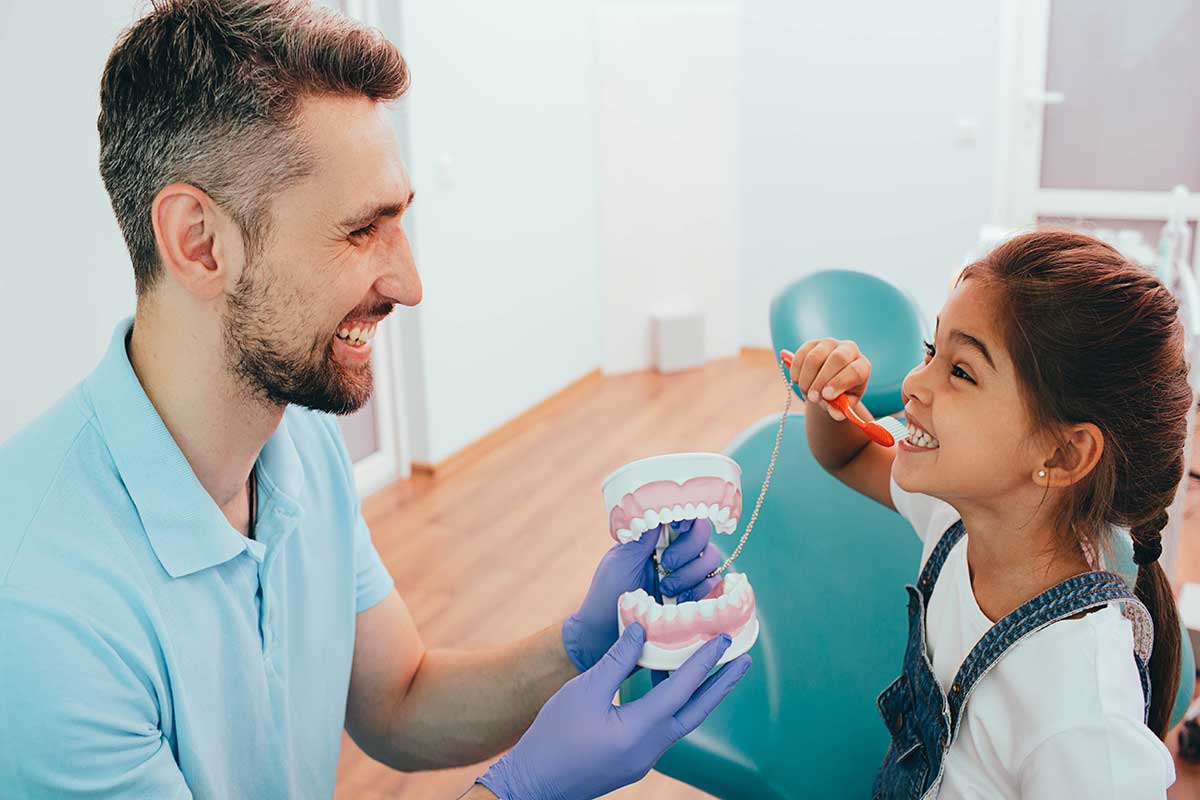
Choosing the best pediatric dental office requires evaluating specialized pediatric training, child-friendly facility design, preventive behavioral management techniques, transparent insurance practices, and emergency availability to ensure a positive and safe dental experience for your child.
Finding the right dental home for your child sets the foundation for a lifetime of healthy oral habits. While general dentists are licensed to treat patients of all ages, pediatric dental offices are specifically designed to cater to the unique developmental, physiological, and behavioral needs of infants, children, adolescents, and patients with special healthcare needs. A pediatric dentist completes an additional two to three years of residency training beyond dental school, focusing on child psychology, growth and development, pharmacological behavior management, and specialized trauma care.
Navigating the multitude of local dental practices can feel overwhelming for parents. To simplify the decision-making process, you must look beyond basic online ratings and examine the core operational and clinical elements that distinguish an average practice from an exceptional one. By systematically assessing specific criteria, you can secure a dental partner who prioritizes your child's physical comfort and psychological well-being.
1. Verify Specialized Pediatric Credentials and Board Certification
The single most critical factor in choosing a pediatric dental office is verifying the educational background and clinical credentials of the primary practitioner. While general dental practices often market themselves as family-friendly, they may lack the advanced training required to manage complex pediatric developmental anomalies, severe dental anxiety, or early childhood caries.
Understanding Pediatric Specialization
A pediatric dentist is a dental specialist recognized by organizations such as the American Academy of Pediatric Dentistry (AAPD). This specialization requires rigorous post-doctoral residency training. During this period, dentists treat medically compromised children, master advanced local anesthesia techniques tailored to smaller anatomies, and study the eruption patterns of primary and permanent dentition.
The Importance of Board Certification
Beyond state licensure and residency completion, look for practitioners who have achieved board certification through the American Board of Pediatric Dentistry (ABPD). Board-certified pediatric dentists undergo voluntary, rigorous written and oral examinations demonstrating exceptional knowledge and clinical expertise. You can verify a dentist's active board certification status and check for any disciplinary actions through your state’s dental board or the official registry of the ABPD.
2. Evaluate the Environment and Child-Centric Facility Design
A child’s perception of healthcare environments is heavily influenced by sensory inputs such as sights, sounds, and smells. The physical layout of a pediatric dental office plays a significant role in reducing anxiety and transforming a clinical visit into an engaging, non-threatening experience.
Sensory Adaptation and Distraction
The best pediatric dental offices are intentionally designed to alleviate fear. Waiting areas often feature interactive play zones, books, and educational displays that keep children calm and occupied prior to their appointment. Treatment rooms may incorporate ceiling-mounted televisions, soothing color palettes, and cheerful murals to divert attention away from dental equipment.
Open Bay Versus Private Treatment Rooms
Practices vary in their spatial layouts:
- Open Bay Concept: Some offices feature large, open clinical areas where children can see their peers undergoing treatment. This transparency can normalize the experience for anxious patients, though it may be less ideal for children who require total privacy or are easily overstimulated.
- Private Suites: Other offices offer enclosed treatment rooms, which allow parents to remain close and provide a quieter, more controlled environment for children with sensory processing disorders.
When touring an office or reviewing their practice philosophy, assess whether the physical space accommodates your child's specific temperament and sensory needs.
3. Assess Behavioral Management and Communication Philosophies
Children do not always possess the emotional maturity to sit still and cooperate during dental procedures. How a dental team handles fear, resistance, and restlessness is a defining characteristic of a superior pediatric practice.
The "Tell-Show-Do" Method
Reputable pediatric dental offices rely on established, evidence-based behavioral guidance techniques. The gold standard in pediatric dentistry is the Tell-Show-Do method:
- Tell: The dentist explains the instrument or procedure using simple, child-friendly language (e.g., calling a dental mirror a "tooth counter").
- Show: The dentist demonstrates the tool on a model or the child's finger, allowing them to see and feel it without threat.
- Do: The procedure is performed swiftly and gently.
Advanced Behavioral and Sedation Options
For children with severe dental phobias, extensive decay, or special healthcare needs, standard behavioral techniques may be insufficient. A top-tier pediatric office will offer a graduated scale of pharmacological management options, ranging from nitrous oxide (laughing gas) to oral conscious sedation and general anesthesia administered in a hospital or accredited outpatient surgical center. Ensure the office maintains proper safety certifications, emergency monitoring equipment, and trained support staff for any level of sedation offered.
4. Review Financial Transparency, Insurance Policies, and Accessibility
Navigating dental insurance and out-of-pocket costs can be complicated. The best pediatric dental offices maintain transparent financial policies to prevent unexpected bills and ensure continuous preventive care.
Insurance Networks and Coverage Verification
Before booking an initial appointment, confirm whether the office is in-network with your dental insurance provider (such as Delta Dental, Cigna, MetLife, or state-funded Medicaid/CHIP programs). In-network offices have pre-negotiated fee schedules, which significantly reduce your out-of-pocket expenses for preventive services like cleanings, sealants, and fluoride treatments.
Fee Transparency and Payment Flexibility
A trustworthy practice provides clear, written cost estimates before initiating any restorative work, such as fillings, crowns, or space maintainers. They should also outline payment plans, third-party financing options (such as CareCredit), or discount programs for uninsured patients.
| Feature to Evaluate | What to Look For | Why It Matters |
|---|---|---|
| Insurance Integration | In-network status or direct claims filing | Reduces administrative burden and lowers out-of-pocket costs. |
| Treatment Estimates | Written, itemized cost breakdowns prior to care | Prevents unexpected bills and allows for financial planning. |
| Location & Hours | Proximity to home/school and flexible scheduling | Minimizes school absenteeism and ensures timely access for emergencies. |
| Special Needs Support | ADA-compliant facilities and trained staff | Ensures safe, accommodating care for medically or physically complex children. |
5. Check Emergency Protocols and Patient Reviews
Dental emergencies—such as a knocked-out permanent tooth, a fractured primary tooth, or severe facial swelling—can happen unexpectedly. Knowing how a pediatric dental office manages urgent situations is vital for your child’s safety and health.
After-Hours Emergency Access
Inquire about the office's protocol for after-hours emergencies. The best practices provide clear instructions on how to reach an on-call dentist or maintain an affiliation with a regional children's hospital emergency department. Prompt intervention during a dental trauma can mean the difference between saving and losing a tooth.
Analyzing Patient Reviews and Community Reputation
While online reviews on platforms like Google and Yelp should be read with a critical eye, they offer valuable insight into operational consistency. Look for patterns in feedback regarding:
- Staff patience and friendliness with crying or uncooperative children.
- Wait times in the reception area.
- The dentist's willingness to explain treatment plans to parents.
- Cleanliness and sanitation protocols within the clinical space.
Word-of-mouth recommendations from pediatricians, school nurses, and trusted parent groups in your local community often provide the most reliable validation of a pediatric dental office's quality of care.
Frequently Asked Questions
When should my child have their first dental visit?
According to the American Academy of Pediatric Dentistry, a child should visit a dentist by their first birthday or within six months after the eruption of their first primary tooth. Early visits allow the dentist to assess oral development, provide anticipatory guidance on teething and thumb-sucking, and establish a dental home early in life.
What is the difference between a general dentist and a pediatric dentist?
While both attend dental school and receive a DDS or DMD degree, a pediatric dentist completes an additional two to three years of specialized residency training. This extra training focuses entirely on the behavioral, psychological, and physical development of infants, children, adolescents, and patients with special needs.
Are dental X-rays safe for children?
Yes. Modern pediatric dental offices use advanced digital radiography, which emits significantly lower levels of radiation than traditional film X-rays. Furthermore, dentists use lead aprons and thyroid collars to minimize exposure and only take radiographs when diagnostically necessary to detect decay between teeth or monitor growth.
How can I prepare my child for their first dental appointment?
You can prepare your child by reading positive children's books about visiting the dentist, playing "dentist" at home by counting each other's teeth, and using calm, upbeat language. Avoid using words like "pain," "hurt," or "needle," and let the dental team introduce instruments and procedures using their specialized terminology.
What should I do if my child knocks out a permanent tooth?
If your child knocks out a permanent (adult) tooth, find the tooth immediately, handle it only by the crown (the top part), and do not scrub or clean it. If possible, gently reinsert the tooth into its socket immediately. If that is not feasible, place the tooth in a container of cold milk or your child's saliva and transport them to a pediatric dental office or emergency room immediately. Note: Never try to reimplant a baby (primary) tooth, as doing so can damage the underlying permanent tooth developing beneath the gumline.