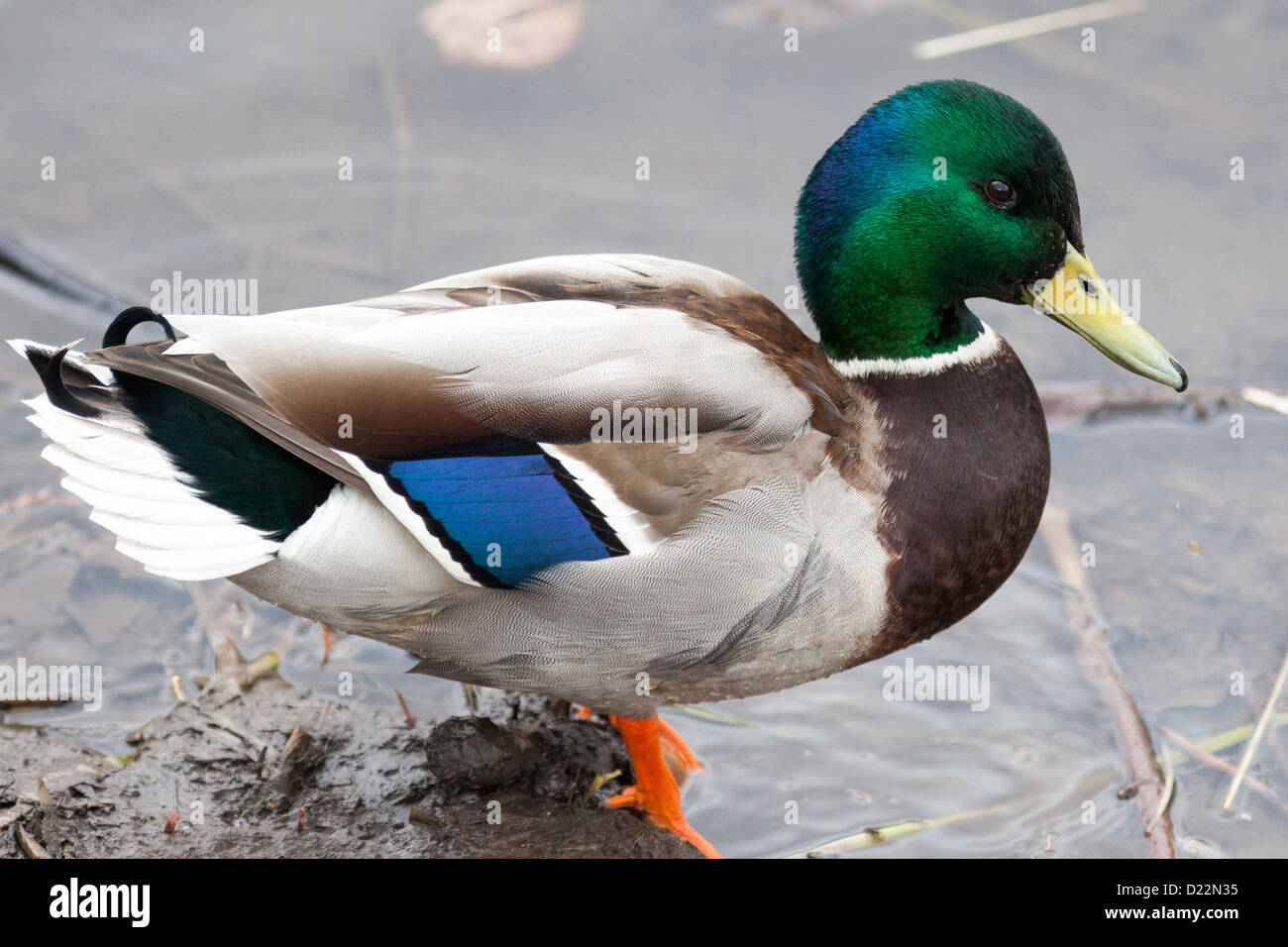
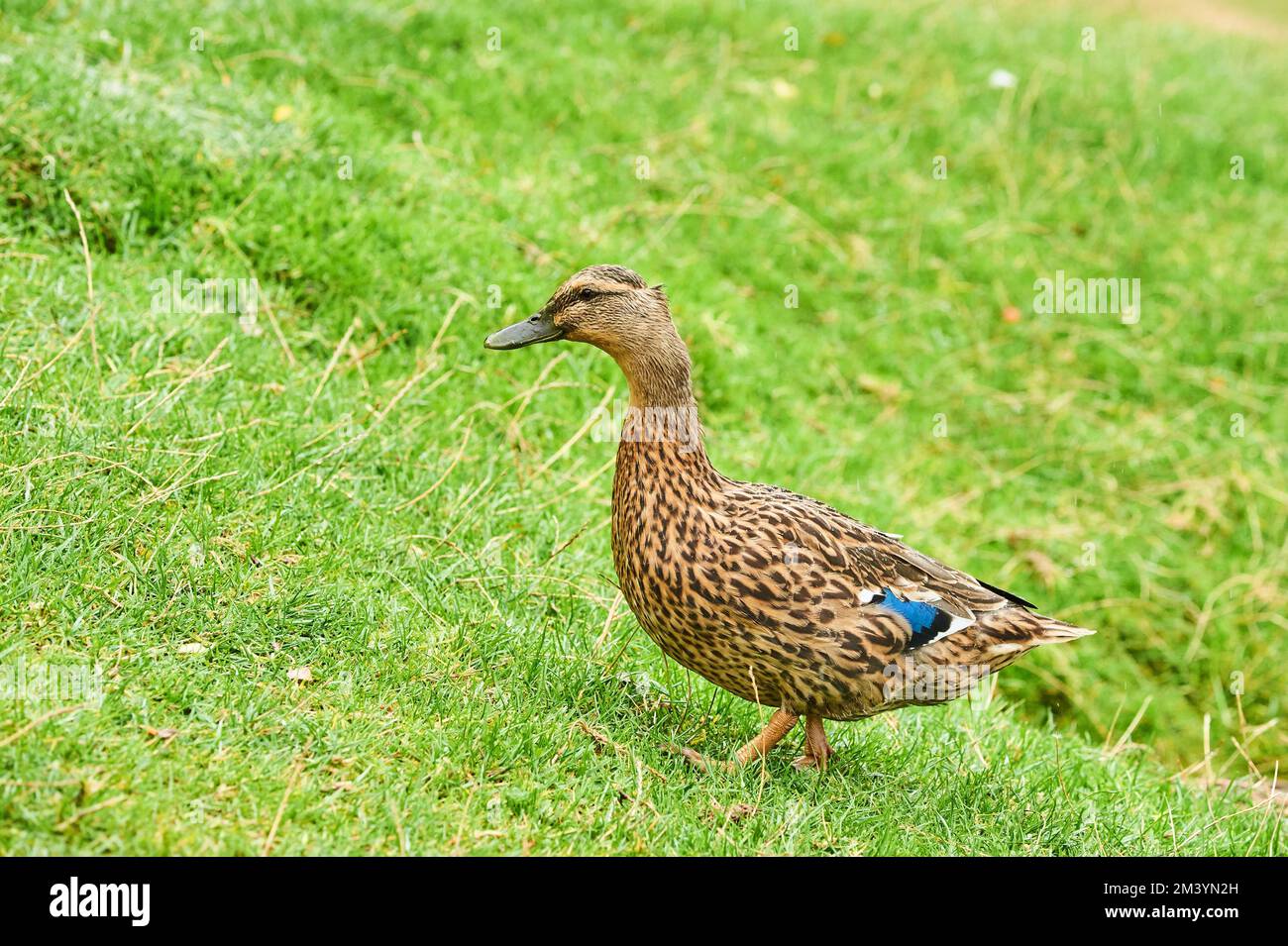
Wild birds within the Anas genus, primarily dabbling ducks like mallards and teals, serve as significant natural reservoirs for diverse lineages of Gammacoronaviruses and Deltacoronaviruses. Unlike the zoonotic respiratory viruses seen in humans, these avian coronaviruses typically maintain a subclinical presence in wild populations, circulating through fecal-oral transmission and playing a critical role in the global ecology of the Coronaviridae family.
The Taxonomy of Coronaviridae in Avian Hosts
To understand how "Anas has corona," one must first distinguish between the various genera of the Coronaviridae family. While the world became intimately familiar with Alphacoronaviruses and Betacoronaviruses during the early 2020s, wild birds are the ancestral and primary hosts for the other two branches: Gammacoronavirus and Deltacoronavirus.
The genus Anas, which includes the ubiquitous Mallard (Anas platyrhynchos), the Northern Pintail (Anas acuta), and the Blue-winged Teal (Anas discors), is frequently the subject of virological surveillance. Research updated for 2026 indicates that these birds do not typically carry the SARS-CoV-2 virus that affects humans. Instead, they harbor bird-specific coronaviruses that have co-evolved with waterfowl over millennia.
Gammacoronaviruses in Waterfowl
Gammacoronaviruses are the most prevalent type found in the Anas genus. Historically, the most famous member of this group is the Infectious Bronchitis Virus (IBV), which causes severe respiratory disease in domestic poultry. However, in wild Anas species, these viruses often localize in the digestive tract rather than the lungs. This enteric tropism allows the virus to spread efficiently through water bodies where these birds congregate.
Deltacoronaviruses and Ecological Diversity
Deltacoronaviruses represent a more recently clarified genus. While they have been identified in a wide range of passerine birds (songbirds), they are also consistently detected in wild ducks. The diversity of Deltacoronaviruses in Anas birds is a focal point for evolutionary biologists, as these viruses demonstrate a high rate of recombination, potentially leading to new viral strains that can cross species barriers within the avian world.
Why the Anas Genus is a Primary Reservoir
The Anas genus is uniquely positioned to act as a viral reservoir due to its behavioral ecology and physiological traits. Dabbling ducks are "surface feeders," meaning they filter water and sediment for food. This behavior exposes them directly to viruses shed in the feces of other birds sharing the same habitat.
Migration as a Viral Vector
Migration is perhaps the most significant factor in the spread of coronaviruses among wild birds. In 2026, global surveillance networks like the World Organisation for Animal Health (WOAH) emphasize the role of flyways. Anas species travel thousands of miles between Arctic breeding grounds and temperate wintering sites. During these journeys, they stop at "staging areas"—wetlands where thousands of birds from different geographic origins mingle. These sites act as "melting pots" for viral exchange and recombination.
Asymptomatic Persistence
One of the most intriguing aspects of "Anas having corona" is the lack of clinical disease. In most wild Anas populations, coronavirus infection is asymptomatic. The birds do not show signs of respiratory distress, lethargy, or increased mortality. This evolutionary stalemate—where the virus replicates without killing its host—is what defines a successful natural reservoir. It ensures the virus can be shed into the environment over an extended period.
Transmission Mechanisms and Environmental Persistence
The transmission of coronaviruses in wild Anas birds is primarily fecal-oral, facilitated by the aquatic environment. Unlike human coronaviruses that rely heavily on aerosolized droplets, avian coronaviruses have adapted to survive in water.
The Role of Water Chemistry
The persistence of coronaviruses in wetlands depends on several factors:
- Temperature: Viruses survive longer in colder water, which aligns with the peak migratory seasons in autumn and spring.
- Salinity: Most Anas coronaviruses prefer freshwater or brackish environments over high-salinity seawater.
- pH Levels: Neutral to slightly alkaline water conditions help maintain the structural integrity of the viral envelope.
Viral Shedding Dynamics
Studies conducted through the mid-2020s have shown that viral shedding in Anas ducks is often intermittent. A bird may test positive one week and negative the next, only to shed the virus again after the stress of a long-distance flight. This shedding pattern makes consistent monitoring difficult but highlights the importance of longitudinal studies rather than single-point sampling.
Comparison of Avian and Mammalian Coronaviruses
Understanding the differences between the viruses found in Anas birds and those found in humans is vital for risk assessment.
| Feature | Avian Coronaviruses (Gamma/Delta) | Mammalian Coronaviruses (Alpha/Beta) |
|---|---|---|
| Primary Hosts | Wild waterfowl (Anas), Poultry | Humans, Bats, Rodents, Ungulates |
| Primary Tissue Tropism | Gastrointestinal (Enteric) | Respiratory and Gastrointestinal |
| Transmission Route | Fecal-oral, Waterborne | Respiratory droplets, Aerosols |
| Clinical Severity | Usually asymptomatic in wild birds | Ranges from mild (cold) to severe (SARS) |
| Zoonotic Risk | Very low to humans; high to poultry | High (e.g., SARS-CoV, MERS-CoV) |
| Key Genus | Gammacoronavirus | Betacoronavirus |
Risk Assessment: Can It Jump to Humans?
As of 2026, there is no evidence that the specific coronaviruses endemic to the Anas genus pose a direct respiratory threat to humans. The molecular "lock and key" mechanism—specifically the binding of the viral Spike (S) protein to host cell receptors—is highly specific. Avian coronaviruses generally do not bind to the human ACE2 receptor.
The Indirect Risk: Poultry and Food Security
The real risk of "Anas having corona" is not to human health directly, but to agricultural stability. Wild ducks can transmit Gammacoronaviruses to domestic chicken and turkey farms. In poultry, these viruses can mutate into highly pathogenic forms like Infectious Bronchitis Virus, leading to massive economic losses and threats to food security. Biosecurity measures on farms are specifically designed to prevent contact between wild Anas species and domestic flocks.
Potential for Recombination
Virologists remain vigilant about the potential for recombination. If a bird were simultaneously infected with an avian coronavirus and a virus from another genus (though rare), the exchange of genetic material could theoretically create a new strain with unpredictable characteristics. This is why "One Health" initiatives continue to monitor the virome of wild waterfowl globally.
Global Surveillance and Monitoring in 2026
Current monitoring efforts have moved beyond simple swabbing. In 2026, researchers utilize advanced genomic tools to track the health of wild bird populations.
- Metagenomic Sequencing: Instead of looking for one specific virus, scientists sequence all the genetic material in a sample to identify every virus present in an Anas population.
- Environmental DNA (eDNA): Researchers can now detect the presence of coronaviruses in a wetland simply by sampling the water, without ever having to catch a duck.
- Satellite Tracking and Viral Loads: By tagging mallards and teals with GPS transmitters, scientists can map "viral hotspots" in real-time as the birds migrate.
These efforts are supported by organizations such as the U.S. Geological Survey (USGS) and the European Food Safety Authority (EFSA), which provide public databases on wildlife disease prevalence.
Challenges in Managing Wild Bird Diseases
Managing viruses in wild populations like the Anas genus is inherently complex. Unlike domestic animals, wild birds cannot be vaccinated or quarantined effectively.
- Habitat Loss: As wetlands are drained, birds are forced into smaller areas at higher densities. This "crowding effect" significantly increases viral transmission rates.
- Climate Change: Shifting migration patterns mean that Anas species are interacting with new bird populations they previously never encountered, leading to the introduction of viruses into "naïve" populations.
- Anthropogenic Influence: Feeding wild ducks in parks brings humans and domestic animals into closer proximity to wild viral reservoirs, increasing the theoretical risk of cross-species spillover.
Frequently Asked Questions
Can I catch "Corona" from feeding ducks at the park?
There is no evidence that humans can contract COVID-19 or other significant coronaviruses from wild Anas ducks. The coronaviruses found in these birds are genetically distinct and adapted to avian physiology. However, it is always recommended to wash your hands after being near wild bird habitats to prevent the spread of other bacteria like Salmonella.
Do all ducks in the Anas genus have coronaviruses?
Not all individuals are infected simultaneously, but coronaviruses are endemic to the genus. Prevalence rates vary by season, age (juveniles often have higher viral loads), and location. In some migratory populations, upwards of 10-15% of birds may test positive for various coronaviruses during peak season.
Does the virus hurt the ducks?
In most cases, no. Anas species have evolved alongside these viruses for millions of years. This co-evolution has resulted in a balanced relationship where the virus can replicate and spread without causing significant illness or death to the host bird.
Is this the same as Avian Flu?
No. Avian Influenza (Bird Flu) is caused by Influenzavirus A, while "Anas corona" refers to the Coronaviridae family. While both are common in waterbirds and both are monitored closely, they are entirely different viral families with different structures and mutation rates.
How do scientists test wild birds for corona?
Scientists typically use oropharyngeal (throat) and cloacal (vent) swabs. These samples are then processed using RT-PCR (Reverse Transcription Polymerase Chain Reaction) to detect viral RNA.
Conclusion and Recommendations
The presence of coronaviruses in the Anas genus is a natural and permanent feature of avian ecology. While these viruses currently pose a negligible risk to human respiratory health, they remain a vital subject of study for animal health and evolutionary biology.
For the general public: There is no need for alarm regarding "corona in wild birds." Continue to enjoy wildlife from a distance and follow local guidelines regarding the feeding of waterfowl.
For poultry owners: The presence of coronaviruses in wild ducks is a reminder to maintain strict biosecurity. Prevent wild birds from accessing your poultry's water and feed sources to protect your flock from Infectious Bronchitis and other avian-specific viral threats.
For researchers: Continued investment in "One Health" surveillance is essential. By monitoring the evolution of Gammacoronaviruses in their natural reservoirs, we can better predict and prevent potential outbreaks in domestic livestock and understand the broader mechanics of viral spillover.