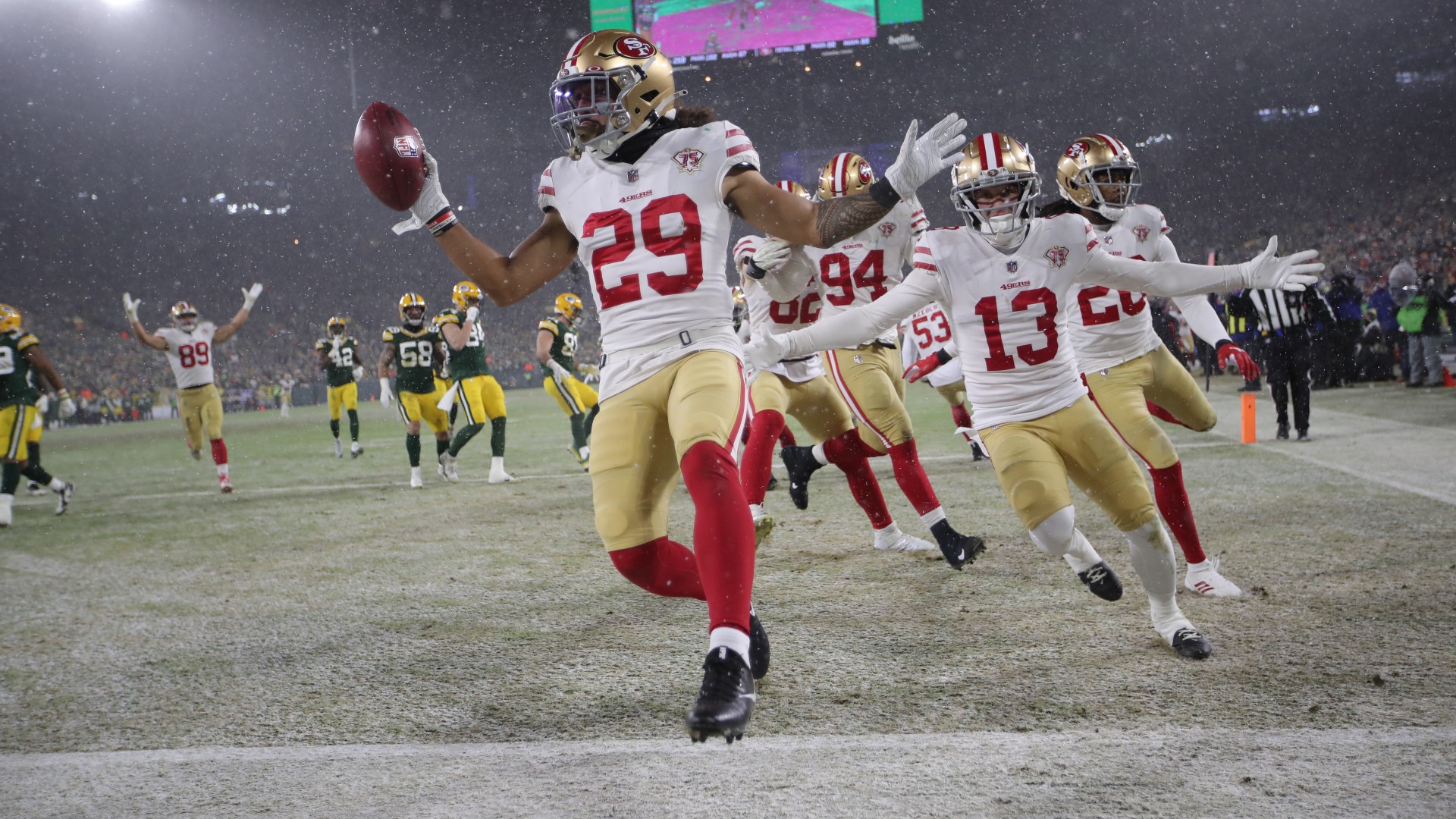
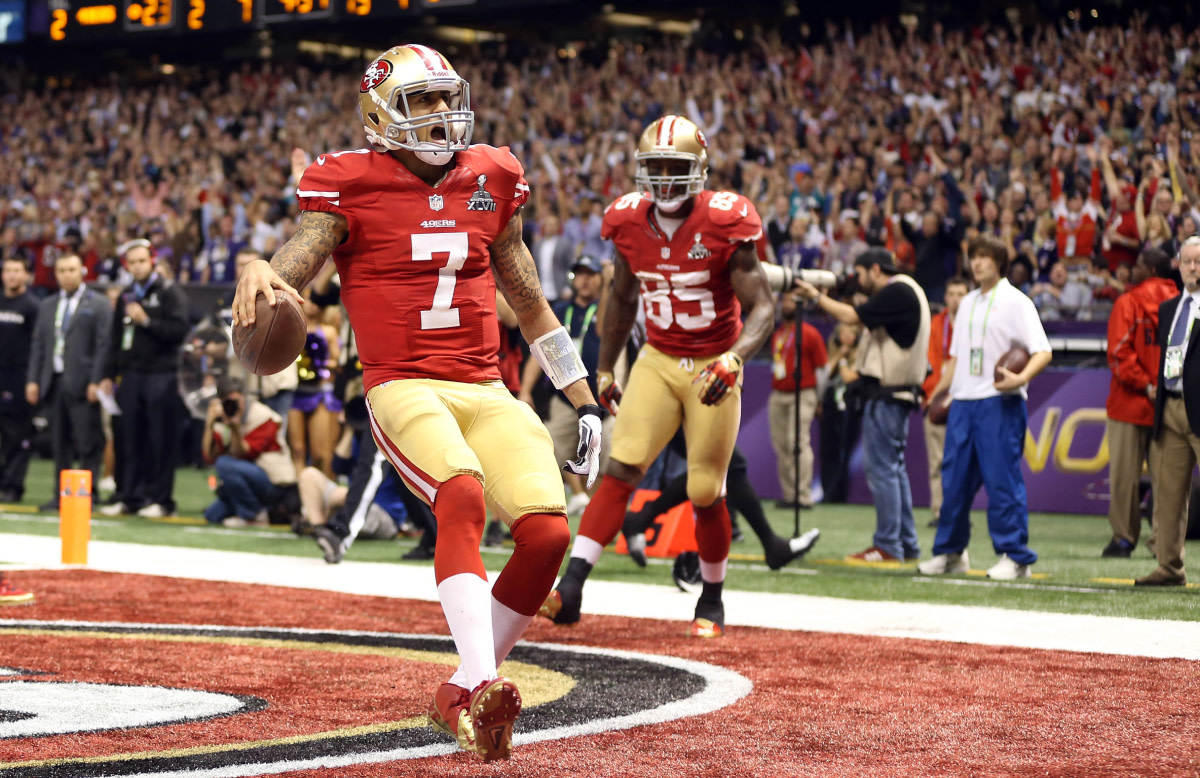
The San Francisco 49ers stand as one of the most storied and successful franchises in National Football League (NFL) history, defined by five iconic Super Bowl victories that cemented their status as a dynasty across multiple decades. These championship-winning seasons—Super Bowls XVI, XIX, XXIII, XXIV, and XXIX—not only showcased legendary rosters featuring Hall of Fame quarterbacks Joe Montana and Steve Young, innovative coaching minds like Bill Walsh and George Seifert, and suffocating defenses, but they also established the blueprint for modern professional football excellence, tactical evolution, and sustained organizational success.
The Foundation of Excellence: The Bill Walsh Era and Super Bowl XVI
The modern history of the San Francisco 49ers changed forever when owner Eddie DeBartolo Jr. hired Bill Walsh as head coach and general manager in 1979. Walsh brought a revolutionary offensive philosophy known as the West Coast Offense, which emphasized short, precise passes, timing, and yards after catch to neutralize dominant pass rushes and control the game tempo. This system transformed a struggling franchise into an offensive powerhouse.
The Breakthrough Season of 1981
Entering the 1981 NFL season, the 49ers were still seeking their first championship appearance. Led by third-year quarterback Joe Montana, a stifling defense featuring rookie safety Ronnie Lott, and Walsh's intricate play-calling, the team finished the regular season with a 13-3 record. The defining moment of the postseason occurred in the NFC Championship Game against the Dallas Cowboys, immortalized by "The Catch"—Montana's leaping, back-of-the-end-zone throw to wide receiver Dwight Clark with just 51 seconds remaining, securing a 28-27 victory.
Dominating the Cincinnati Bengals in Super Bowl XVI
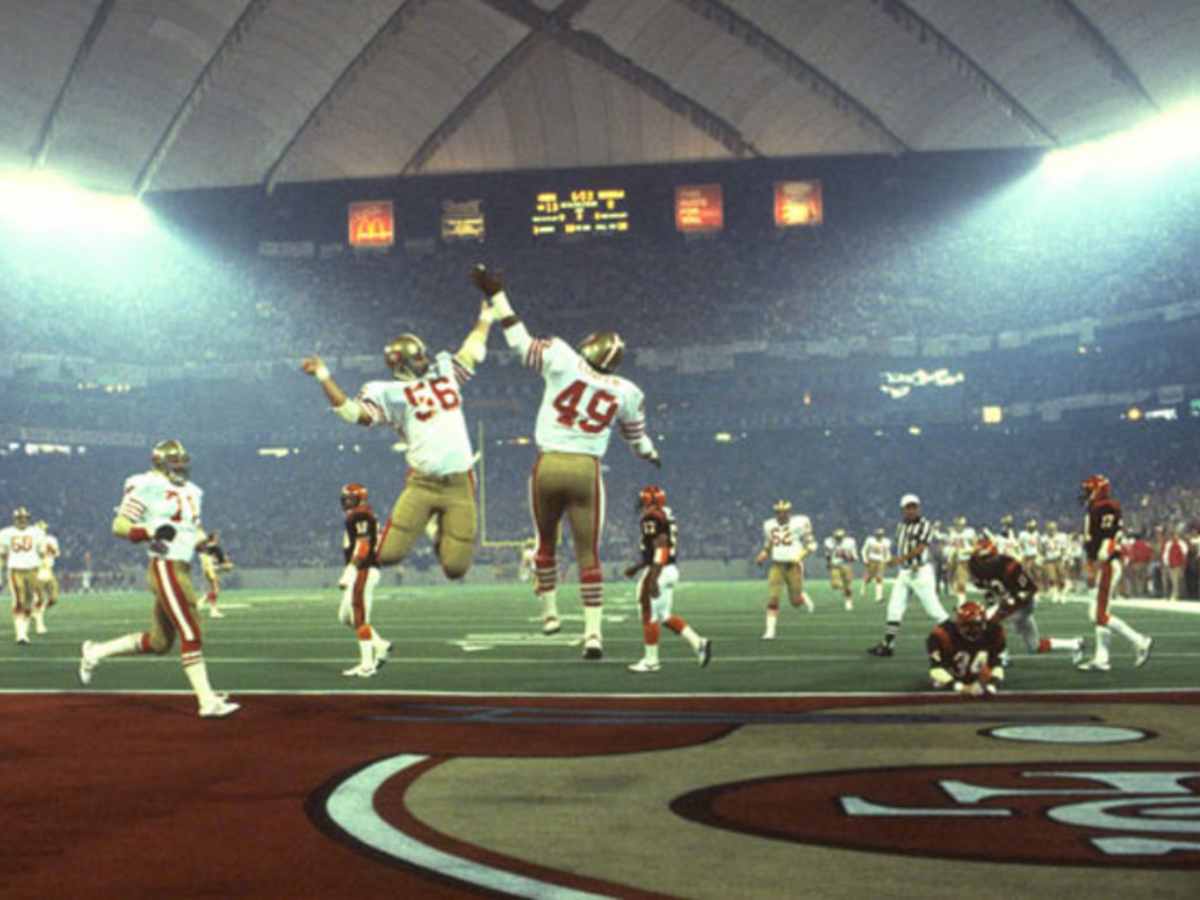
Played on January 24, 1982, at the Pontiac Silverdome in Michigan, Super Bowl XVI marked the franchise's first appearance on the NFL's ultimate stage. The 49ers jumped out to a 20-0 halftime lead, powered by Montana’s efficient passing and a tenacious goal-line defensive stand in the third quarter known as "The Goal Line Stand," where the 49ers defense stopped the Bengals four consecutive times from inside the two-yard line. San Francisco claimed a 26-21 victory, earning Montana the game's Most Valuable Player (MVP) award and validating Walsh's offensive revolution on the global stage.
Perfect Execution: Super Bowl XIX and the 1984 Season
While the 1981 championship announced the arrival of a new contender, the 1984 San Francisco 49ers team solidified the franchise's first era as a true dynasty. The 1984 squad posted a remarkable 15-1 regular-season record—a feat achieved by only a select few teams in NFL history—and dominated their opponents with a balanced attack that featured elite offensive efficiency and a defense ranked number one in fewest points allowed.
The Clash of Titans in Stanford Stadium
Super Bowl XIX, held on January 20, 1985, at Stanford Stadium in California, featured a highly anticipated matchup between the dominant 49ers and the Miami Dolphins, who were led by record-setting second-year quarterback Dan Marino. The game was billed as a historic quarterback duel, but Walsh's tactical brilliance and a masterclass performance by Joe Montana proved decisive.
Montana threw for 331 yards and three touchdowns while rushing for a Super Bowl-record 59 yards and another score. The 49ers' defense, coordinated by a young defensive mastermind named Monte Kiffin and featuring rookie star Michael Carter alongside veterans like Ronnie Lott and Fred Dean, completely neutralized Marino and the high-powered Dolphins passing attack. San Francisco cruised to a 38-16 victory, capturing their second Lombardi Trophy in dominant fashion.
The Peak of the Dynasty: Super Bowls XXIII and XXIV
The late 1980s witnessed the continuation of the San Francisco juggernaut under both Bill Walsh and his successor, George Seifert. These seasons demonstrated the organization's remarkable roster depth and mental resilience, culminating in back-to-back championships that cemented their legendary legacy.
The Dramatic Finish of Super Bowl XXIII (1988 Season)
The 1988 season tested the 49ers' resilience. After a sluggish start that threatened to derail their playoff aspirations, the team rallied to win the NFC West. In Super Bowl XXIII, played on January 22, 1989, at Joe Robbie Stadium in Miami, the 49ers faced the Cincinnati Bengals in a rematch of Super Bowl XVI.
The game was a defensive chess match until the closing minutes. Trailing 16-13 with just 3:10 remaining in the fourth quarter, Joe Montana engineered one of the most famous game-winning drives in NFL history. Starting at their own 8-yard line, Montana calmly orchestrated a 92-yard drive, culminating in a 10-yard touchdown pass to wide receiver John Taylor with 34 seconds left on the clock. The 20-16 victory gave Walsh a fitting farewell as he stepped down as head coach immediately after the game.
George Seifert’s Inaugural Triumph in Super Bowl XXIV (1989 Season)
Following Walsh's retirement, longtime defensive coordinator George Seifert took over the head coaching duties for the 1989 season. Far from missing a beat, the 49ers produced one of the most overwhelmingly dominant playoff runs in NFL history.
In Super Bowl XXIV, played on January 28, 1990, at the Louisiana Superdome in New Orleans, San Francisco dismantled the Denver Broncos by a score of 55-10—still the largest margin of victory in Super Bowl history. Joe Montana threw a then-record five touchdown passes, earning his third Super Bowl MVP award, while wide receiver Jerry Rice caught three of them. The defense intercepted Broncos quarterbacks four times, showcasing a complete team performance that left no doubt about the franchise's absolute supremacy.
| Super Bowl | Season | Opponent | Final Score | Head Coach | Starting Quarterback |
|---|---|---|---|---|---|
| Super Bowl XVI | 1981 | Cincinnati Bengals | 26-21 | Bill Walsh | Joe Montana |
| Super Bowl XIX | 1984 | Miami Dolphins | 38-16 | Bill Walsh | Joe Montana |
| Super Bowl XXIII | 1988 | Cincinnati Bengals | 20-16 | Bill Walsh | Joe Montana |
| Super Bowl XXIV | 1989 | Denver Broncos | 55-10 | George Seifert | Joe Montana |
| Super Bowl XXIX | 1994 | San Diego Chargers | 49-26 | George Seifert | Steve Young |
The Torch Passed: Super Bowl XXIX and the 1994 Season
As the calendar turned to the 1990s, the challenge for the 49ers front office was maintaining excellence as the legendary core aged. The transition from Joe Montana to Steve Young was seamless yet intensely scrutinized. Young, possessing a unique blend of elite passing accuracy and explosive rushing ability, had won NFL MVP awards in 1992 and 1993 but still sought the ultimate team validation: a Super Bowl victory as the undisputed starter.
Building a Championship Roster Around Steve Young
Ahead of the 1994 NFL season, general manager Carmen Policy and executive Dwight Clark aggressively retooled the roster. They added savvy veteran free agents on defense, including future Hall of Fame cornerback Deion Sanders, linebackers Ken Norton Jr., and defensive end Rickey Jackson, to complement offensive stalwarts Jerry Rice, running back Ricky Watters, and tight end Brent Jones. The strategy paid immediate dividends as the 49ers finished the regular season with an impressive 13-3 record, securing home-field advantage throughout the NFC playoffs.
The Record-Breaking Performance of Super Bowl XXIX
Played on January 29, 1995, at Joe Robbie Stadium in Miami, Super Bowl XXIX saw the 49ers face the San Diego Chargers. Steve Young wasted no time dispelling any lingering narratives about his postseason legacy. On the very first play from scrimmage, Young connected with wide receiver Jerry Rice for a 44-yard touchdown pass.
Young delivered a historic masterpiece, throwing a Super Bowl-record six touchdown passes while accumulating 325 passing yards. Jerry Rice added 149 receiving yards and three scores, while Deion Sanders anchored a defense that intercepted Chargers quarterbacks twice. The 49ers secured a resounding 49-26 victory, capturing their fifth Lombardi Trophy and establishing a benchmark for offensive excellence in the modern era.
Frequently Asked Questions
Who are the key figures behind the San Francisco 49ers' five Super Bowl victories?
The franchise's success is built upon legendary leadership, starting with owner Eddie DeBartolo Jr., innovative head coaches Bill Walsh and George Seifert, and Hall of Fame quarterbacks Joe Montana and Steve Young. Supporting them were transcendent talents such as wide receiver Jerry Rice, safety Ronnie Lott, and cornerback Deion Sanders, who established the standard for on-field execution.
What offensive system did Bill Walsh introduce that changed the NFL?
Bill Walsh pioneered the West Coast Offense. This system relies on high-percentage, short-to-intermediate passing routes, precise timing, and exceptional running-back and receiver yards after catch to control the clock, neutralize aggressive pass rushes, and create systematic mismatches against opposing secondaries.
How many Super Bowl MVPs did Joe Montana win?
Joe Montana won three Super Bowl MVPs, earning the honor in Super Bowl XVI, Super Bowl XIX, and Super Bowl XXIII. He shares elite company in NFL history for the most Super Bowl MVP awards won by a single player, reflecting his legendary poise and clutch performance under the brightest lights.
What is the largest margin of victory in Super Bowl history?
The San Francisco 49ers hold the record for the largest margin of victory in a Super Bowl, defeating the Denver Broncos 55-10 in Super Bowl XXIV on January 28, 1990. The 45-point blowout featured five touchdown passes from Joe Montana and a suffocating defensive effort.
How did the transition from Joe Montana to Steve Young impact the franchise?
The transition from Montana to Young proved remarkably successful. While Montana defined the dynasty's foundation with four rings in the 1980s, Young maintained the franchise's elite status by securing the 1994 championship in Super Bowl XXIX, proving that the organization's developmental systems and talent evaluation could sustain excellence across multiple generations of players.
Conclusion and Next Actions
The five Super Bowl victories achieved by the San Francisco 49ers represent a golden era of professional football characterized by tactical innovation, elite talent acquisition, and unmatched competitive drive. For fans, historians, and analysts examining how dynasties are built, studying the foundational principles of the Walsh and Seifert eras provides enduring lessons in leadership, execution, and adaptability. To further explore the history of the 49ers, review official NFL archives, examine individual player profiles in the Pro Football Hall of Fame, or revisit classic postseason game broadcasts to witness these legendary moments firsthand.