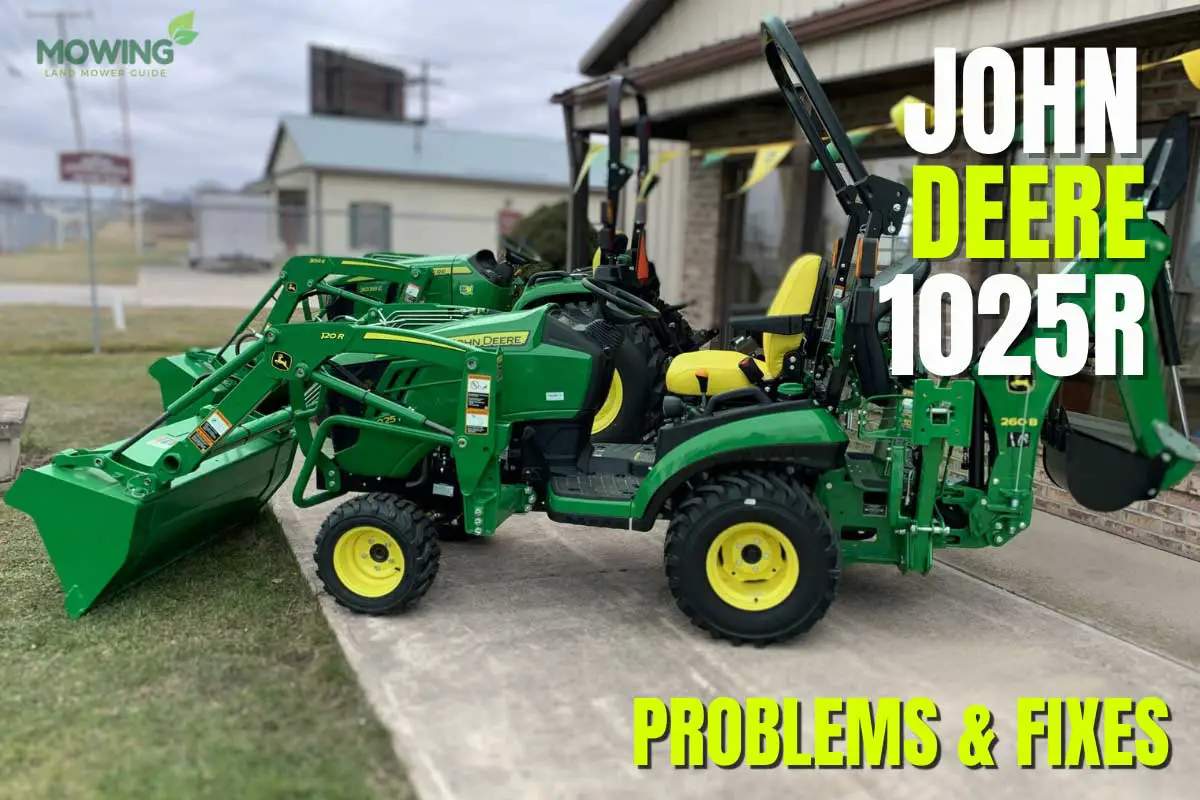
The most common problems with the John Deere X300 series involve hydrostatic transmission power loss (K46 fade), engine surging due to fuel system clogs, starting failures linked to faulty safety interlock switches, steering linkage wear leading to "slop," and mower deck vibrations caused by worn spindles or belts.
The John Deere X300 Select Series has long been a staple in the residential lawn care market. Known for its maneuverability and the smooth power of its Kawasaki iTorque power system, it occupies the middle ground between entry-level big-box store mowers and professional-grade commercial equipment. However, as these machines age—especially the early models produced since 2006—certain mechanical patterns have emerged. In 2026, whether you are maintaining a decade-old workhorse or a newer iteration, understanding these five recurring issues is essential for maximizing the lifespan of your investment.
1. Hydrostatic Transmission Power Loss (The "K46 Fade")
Perhaps the most discussed technical challenge with the X300 series involves the Tuff Torq K46 hydrostatic transaxle. This unit is a "sealed" transmission, meaning the manufacturer did not originally design it to have regular oil changes. While the K46 is efficient for flat terrain and standard mowing, it is susceptible to internal wear when subjected to steep hills or heavy towing.
Identifying Transmission Failure Symptoms
The primary symptom of a failing K46 transaxle is a noticeable loss of power once the mower has been running for 20 to 30 minutes. As the internal oil heats up, it loses viscosity. If the internal pump and motor components are worn, the thin oil escapes through the increased tolerances, leading to a "fading" sensation. You may find that the mower struggles to climb a hill it handled easily at the start of the session, or it may stop moving forward entirely until the unit cools down.
Remediation and Preventative Maintenance
Although John Deere and Tuff Torq officially labeled these units as non-serviceable, many owners in 2026 have found success in "servicing the unserviceable." This involves removing the transaxle from the chassis, flipping it over to drain the old oil, and refilling it with a high-quality 5W-50 synthetic motor oil.
For mowers that have already experienced significant power loss, a rebuild kit may be necessary. These kits typically include a new center case, pump, and motor cylinder blocks. If the mower is used on significant inclines, upgrading the oil to synthetic early in the machine’s life is the most effective way to prevent the K46 fade. More information on these transaxles can be found directly through the manufacturer at Tuff Torq.
2. Engine Surging and Carburetor Clogging
The Kawasaki FS and FR series engines found in X300 mowers are highly regarded for their longevity, but they are particularly sensitive to fuel quality. Engine "surging"—where the RPMs rhythmically rise and fall while the mower is idling or under light load—is a frequent complaint.
The Impact of Ethanol-Blended Fuel
In 2026, the prevalence of ethanol in standard pump gas continues to be the primary culprit for fuel system issues. Ethanol is hygroscopic, meaning it attracts moisture from the air. This water-fuel mixture creates a corrosive "gum" that clogs the tiny orifices and jets within the carburetor, specifically the idle jet.
When the idle jet is partially obstructed, the engine runs lean (too much air, not enough fuel). The governor then compensates by pulling the throttle open, causing the surge. To resolve this, the carburetor usually requires a thorough cleaning or a complete replacement. Using a fuel stabilizer or, ideally, ethanol-free gasoline (Rec 90) can almost entirely eliminate this problem.
Air Filter and Fuel Pump Maintenance
Secondary causes of engine performance issues include a clogged fuel filter or a failing vacuum-pulse fuel pump. If the engine dies when you apply a load (engaging the blades), it often suggests that the fuel pump cannot supply enough volume to the carburetor. Regularly checking the transparent fuel filter for debris is a simple but effective diagnostic step.
3. Starting Difficulties and Electrical Interlocks
When an X300 refuses to start, the issue is often electrical rather than mechanical. The X300 uses a complex series of safety interlock switches designed to prevent the engine from cranking unless specific conditions are met.
The Safety Switch Checklist
If you turn the key and hear nothing—or perhaps a single "click"—the culprit is likely one of the following:
- The PTO Switch: The mower will not start if the Power Take-Off (PTO) switch is in the "on" (up) position.
- The Brake Pedal Switch: The brake must be fully depressed to engage the starter.
- The Seat Sensor: While the mower will often crank without a rider if the brake is set, a faulty seat sensor will kill the engine as soon as the brake is released or the blades are engaged.
Battery and Starter Solenoid Issues
The X300 utilizes a standard 12-volt lead-acid battery. These typically last 3 to 5 years. In 2026, many owners are switching to AGM (Absorbent Glass Mat) batteries for better vibration resistance. If the battery is fully charged but the starter still fails to engage, the starter solenoid—a small cylindrical component that bridges the high-current connection between the battery and the starter motor—may have failed. Testing this involves checking for 12V at the small trigger wire while the key is in the "start" position.
4. Steering Linkage Slop and Sector Gear Wear
Over time, X300 owners may notice that the steering wheel feels "loose" or that the front wheels do not respond immediately to steering inputs. This is often referred to as steering slop.
Wear Points in the Steering System
The X300 steering system consists of a pinion gear at the base of the steering shaft that interacts with a large, semi-circular sector gear. Because these parts are exposed to dust, grass, and debris, the factory grease can turn into an abrasive paste.
- Bushings: The plastic or brass bushings on the front spindles frequently wear down, leading to camber issues (wheels tilting inward).
- Drag Links: The ball joints on the ends of the steering rods can develop play.
Keeping the front axle grease points (zerk fittings) lubricated every 25 hours of operation is the best way to prevent this. If the sector gear teeth are physically worn or chipped, the entire plate must be replaced to restore precise steering. You can reference the specific parts diagrams at the John Deere Electronic Parts Catalog.
5. Mower Deck Vibration and Uneven Cutting
A mower is only as good as its cut quality. The X300 series typically features 42-inch (42M or 42C) or 48-inch (48X) Accel Deep decks. While these decks provide excellent airflow, they are prone to vibration if not maintained.
Spindle and Bearing Failure
If you notice a high-pitched squeal or a heavy vibration when the blades are engaged, a spindle bearing is likely failing. Each blade is attached to a spindle assembly. These bearings are under immense stress and can be damaged if the blade hits a solid object like a rock or a tree root.
Deck Leveling and Belt Tension
An uneven cut (leaving "streaks" or one side lower than the other) is rarely an engine problem; it is a deck calibration issue. John Deere provides an onboard leveling gauge (often tucked under the seat or deck). The deck must be leveled side-to-side and have a slight "rake"—meaning the front of the blade should be 1/8 to 1/4 inch lower than the rear.
Furthermore, the drive belt that spins the blades can stretch over time. A stretched belt will slip under heavy grass, reducing blade tip speed and resulting in a ragged cut. In 2026, it is recommended to use OEM (Original Equipment Manufacturer) belts, as the X300 uses specific V-belt angles that generic "blue" belts often fail to match perfectly.
Summary of Common X300 Issues and Costs
The following table outlines the estimated costs for parts and typical labor (if taken to a dealer) as of 2026.
| Problem Area | Common Part Replaced | Est. Part Cost (2026) | Est. Labor Cost | Difficulty (DIY) |
|---|---|---|---|---|
| Transmission | K46 Rebuild Kit / Oil | $45 - $350 | $200 - $400 | Hard |
| Fuel System | Carburetor Assembly | $120 - $180 | $100 - $150 | Moderate |
| Electrical | Starter Solenoid | $25 - $45 | $50 - $80 | Easy |
| Steering | Sector Gear / Bushings | $60 - $110 | $150 - $250 | Moderate |
| Mower Deck | Spindle Assembly (ea) | $55 - $90 | $75 - $120 | Moderate |
Frequently Asked Questions
Why does my John Deere X300 lose power when it gets hot?
This is usually caused by the breakdown of oil viscosity inside the Tuff Torq K46 hydrostatic transaxle. When the oil heats up, it becomes too thin to maintain the pressure required by the internal hydraulic pump. Replacing the factory oil with a 5W-50 synthetic oil can often resolve this, though severe cases may require a transaxle rebuild or replacement.
How often should I change the oil in my X300?
For the Kawasaki engines in the X300 series, John Deere recommends changing the engine oil and filter every 50 hours or once per season, whichever comes first. However, the "Easy Change" 30-second oil system (if equipped on later models) should be monitored closely; many enthusiasts prefer traditional oil changes for a more thorough removal of contaminants.
Can I use E15 fuel in my John Deere X300?
It is strongly recommended to avoid E15 (15% ethanol) fuel in the X300. Most small engine manufacturers, including Kawasaki, design their fuel systems for a maximum of 10% ethanol (E10). E15 can lead to significantly higher operating temperatures and accelerated degradation of fuel lines and carburetor gaskets. Ethanol-free gasoline is always the best choice for longevity.
Why do my mower blades vibrate when I turn them on?
Vibration is typically caused by either unbalanced blades, a bent spindle shaft, or worn spindle bearings. If you have recently sharpened your blades, they may be out of balance. If the vibration is accompanied by a grinding noise, the bearings within the spindle housing are likely shot and the entire spindle assembly should be replaced.
Is the John Deere X300 still a good mower in 2026?
Yes, the X300 remains a high-quality residential tractor. Its primary advantages are the heavy-duty frame and the premium Kawasaki engine, which are superior to those found in the 100-series mowers. While the K46 transmission has known limits, proper maintenance and avoiding over-tasking the machine on steep hills make it a durable choice for properties up to 2 acres.
Recommendations for X300 Owners
To ensure your John Deere X300 remains operational for years to come, prioritize three specific actions. First, use a fuel stabilizer or ethanol-free fuel to protect the sensitive Kawasaki carburetor. Second, clean the transaxle cooling fan and fins regularly; heat is the primary enemy of the K46 transmission, and grass buildup on top of the transaxle is a leading cause of premature failure. Finally, grease all zerks on the front spindles and steering linkage every spring to prevent the costly replacement of the steering sector gear. By addressing these "common" problems proactively, you can avoid the most expensive repairs associated with this model.