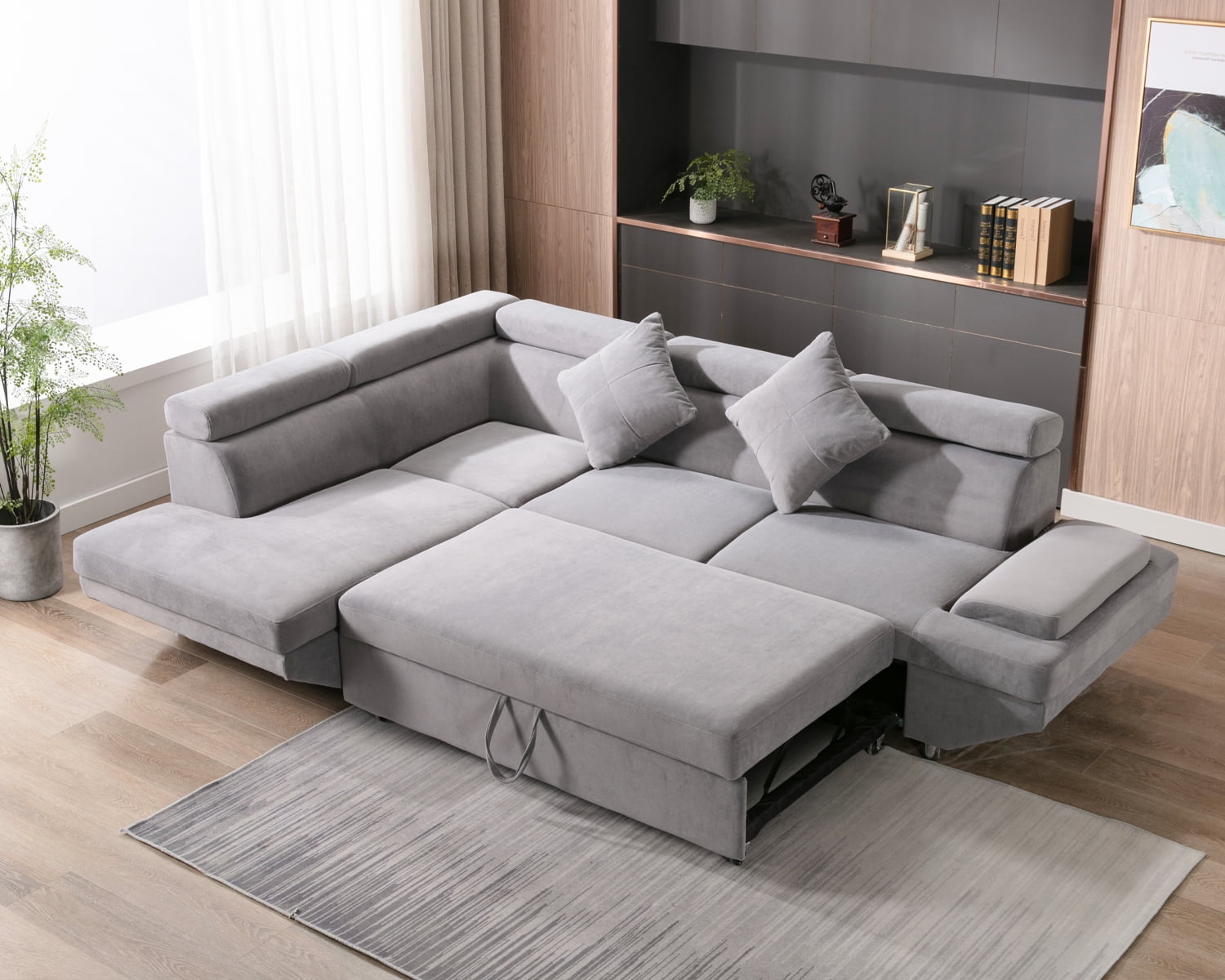
Choosing the right corner sofa for a modern living space involves balancing spatial efficiency, ergonomic comfort, and architectural aesthetics. The ideal model anchors an open-plan room, maximizes seating capacity without overwhelming floor space, and utilizes high-durability fabrics or leathers that complement contemporary interior palettes. Modern living requires multi-functional furniture that adapts to lounging, socializing, and daily family life.
When evaluating corner sofas for contemporary homes, homeowners must look beyond initial visual appeal to assess frame construction, cushion core density, modular flexibility, and fabric maintenance. Whether you are outfitting a compact urban apartment or a sprawling suburban open-concept loft, the right piece transforms the room's flow. Below is an in-depth analysis of five standout corner sofa categories and styles tailored for modern living environments, complete with technical specifications, pros and cons, and a comprehensive comparison to guide your selection.
Understanding Modern Living Room Layouts and Spatial Dynamics
Modern interior design emphasizes clean lines, open spatial flows, and purposeful zoning. In contemporary architecture, living rooms frequently merge with kitchens and dining areas, creating expansive open-plan spaces. In these layouts, furniture must act as a visual room divider rather than merely resting against a perimeter wall.
A corner sofa or sectional naturally defines the boundary of a conversation area, creating an intimate zone within a larger architectural volume. However, integrating a large piece of furniture into a modern space requires careful attention to traffic patterns and sightlines. Homeowners must measure clearance around the chaise or return, ensuring that pathways remain open and unobstructed.
Furthermore, the orientation of the corner—whether left-hand facing (LHF) or right-hand facing (RHF)—dictates how the furniture interacts with architectural features such as media units, fireplaces, and floor-to-ceiling windows. Modular designs offer a distinct advantage in modern living by allowing users to reconfigure the layout as their spatial needs evolve, proving especially valuable for those who relocate or remodel frequently.
1. The Modular Low-Profile Sectional
The modular low-profile sectional represents the gold standard of contemporary minimalist design. Characterized by a relaxed, grounded stance, deep seats, and clean geometric lines, this style prioritizes casual lounging without sacrificing sophisticated visual weight.
Design and Construction Features
Low-profile sectionals typically feature a seat height ranging from 15 to 17 inches, creating an inviting, lounge-heavy aesthetic popularized by mid-century and contemporary Italian design philosophies. The internal frames are commonly constructed from kiln-dried hardwood or engineered wood composites reinforced with corner blocking to prevent warping.
Cushioning systems in high-end modular units often utilize a multi-layer approach. A high-resilience (HR) polyurethane foam core provides foundational support, wrapped in a feather-and-down blend or channeled micro-fiber for sink-in comfort. Pocket spring systems embedded within the seat cushions ensure even weight distribution and prevent sagging over years of daily use.
Pros and Cons
- Pros:
- Highly customizable modular units allow infinite layout configurations.
- Deep seats accommodate lounging, sleeping, and relaxed social gatherings.
- Low visual height keeps sightlines open in small or open-plan spaces.
- Cons:
- Low backrests may not provide adequate head and neck support for taller users.
- Loose feather-filled cushions require frequent fluffing and maintenance to maintain a tailored appearance.
- Deep seats can make upright sitting uncomfortable without lumbar throw pillows.
2. The Tailored Mid-Century Modern L-Shape
For urban spaces and homes that celebrate retro-contemporary aesthetics, the tailored mid-century modern L-shape sofa offers an architectural solution that balances form and function.
Design and Construction Features
Distinguished by exposed tapered wooden legs, welted seams, and structured, fixed-back cushions, this style brings a tailored, upscale look to modern living rooms. The frames are typically elevated 5 to 7 inches off the floor on solid walnut, oak, or brushed metal legs, which allows light to pass underneath and creates an illusion of expanded floor space.
Foam densities in mid-century silhouettes lean toward medium-firm. High-density polyurethane foam (typically 2.0 to 2.5 pounds per cubic foot) ensures that the cushions maintain their crisp edges and clean profiles. Upholstery choices often lean toward textured wovens, durable polyester-linen blends, or top-grain leather that highlights the sofa's structural lines.
Pros and Cons
- Pros:
- Elevated legs simplify floor cleaning and make rooms feel larger and airier.
- Firmer, structured cushions offer superior ergonomic support for upright sitting and socializing.
- Timeless design language complements a wide variety of contemporary and vintage decor themes.
- Cons:
- Fixed-back cushions cannot be flipped or fluffed to redistribute wear.
- Shallower seat depths are less suited for sprawling or casual daytime napping.
- Tapered legs may concentrate weight, requiring protective pads on delicate hardwood floors.
3. The Performance-Fabric Family Chaise Sectional
Modern family life demands furniture that withstands heavy daily use, spills, pets, and children while maintaining an aesthetically pleasing appearance. The performance-fabric family chaise sectional is engineered specifically for high-traffic environments.
Design and Construction Features
The defining characteristic of this category is the integration of advanced textile technology. Fabrics such as Crypton, Sunbrella indoor lines, or tightly woven micro-polyesters feature molecular moisture barriers or stain-resistant treatments that repel liquids and prevent oils from penetrating the yarn.
Underneath the resilient upholstery, frame construction utilizes heavy-duty mortise-and-tenon joinery and sinuous wire spring suspensions (no-sag springs) spaced evenly across the seat deck. Foam cores are wrapped in Dacron fiber to give the cushions a plush yet supportive feel that springs back immediately after compression.
Pros and Cons
- Pros:
- Exceptional resistance to stains, pet claws, and heavy daily wear.
- Chaise configurations provide ample legroom for multiple users simultaneously.
- Available in a wide array of machine-washable or spot-cleanable slipcover options.
- Cons:
- Heavy-duty construction and deep frames can overwhelm compact or narrow living rooms.
- Performance treatments can sometimes impart a slightly stiffer hand-feel to certain natural-blend fabrics.
- Stationary chaise designs lack the flexibility of reversible modular ottomans.
4. The Compact Apartment Corner Sofa
Living in urban environments often means working with restricted square footage. The compact apartment corner sofa is specifically scaled down in overall width, depth, and arm thickness to fit tight footprints without sacrificing the utility of a traditional sectional.
Design and Construction Features
While standard corner sofas often span 100 inches or more on each side, compact apartment models typically range between 78 and 90 inches on the primary run, with a shorter return chaise (often 50 to 60 inches). Slim track arms—sometimes as narrow as 3 to 4 inches—maximize the internal seating surface while minimizing exterior bulk.
Frames are frequently built using lightweight yet sturdy plywood and hardwood combinations. Suspension systems rely on webbing or narrow-gauge sinuous springs that provide adequate bounce and support while reducing overall furniture weight, making them easier to maneuver through tight apartment corridors and elevators.
Pros and Cons
- Pros:
- Engineered explicitly for small apartments, studios, and narrow living rooms.
- Slim profile arms maximize usable seating width within tight dimensions.
- Lighter weight facilitates easier delivery, assembly, and repositioning.
- Cons:
- Limited seating capacity makes it less suitable for large families or frequent hosts.
- Narrower chaise sections may feel cramped for taller adults.
- Smaller scale can look disproportionately tiny in expansive, high-ceilinged open-plan rooms.
5. The Luxury Leather Architectural Sectional
For homeowners seeking a sophisticated, investment-grade focal point, the luxury leather architectural sectional offers unmatched tactile appeal, durability, and a refined executive aesthetic.
Design and Construction Features
Constructed from full-grain or top-grain aniline-dyed leather, these sofas develop a rich patina over time. The leather hides are breathable and adapt to body temperature, offering cool comfort in summer and warmth in winter.
Internal framing utilizes corner-blocked solid hardwood with eight-way hand-tied coil spring suspensions—the gold standard in upholstery craftsmanship. Each individual steel coil is tied by hand with heavy cord to neighboring springs, ensuring exceptional weight distribution, lifelong durability, and a responsive, luxurious sit.
Pros and Ins
- Pros:
- Exceptional longevity; high-quality leather and eight-way hand-tied frames last for decades.
- Natural resistance to dust mites, pet dander, and surface spills compared to woven fabrics.
- Exudes a high-end, architectural elegance that elevates the entire room's design tier.
- Cons:
- Significant financial investment with a high initial purchase price.
- Requires specialized leather cleaner and conditioner maintenance to prevent drying and cracking.
- Vulnerable to punctures from sharp pet claws if unmanaged.
Comparison of Modern Corner Sofa Categories
| Sofa Category | Ideal Room Size | Primary Frame & Suspension | Cushion Feel | Best Suited For |
|---|---|---|---|---|
| Modular Low-Profile | Medium to Large | Kiln-dried hardwood / Pocket springs | Plush / Sink-in | Open-plan lounging and casual modern styling |
| Tailored Mid-Century | Small to Medium | Hardwood / Sinuous springs | Medium-Firm | Formal sitting, retro aesthetics, and compact rooms |
| Performance Family | Medium to Large | Hardwood / Heavy-duty sinuous springs | Balanced / Supportive | Households with children, pets, and high traffic |
| Compact Apartment | Small / Studio | Plywood & hardwood / Webbing or springs | Medium | Small urban spaces and tight floor plans |
| Luxury Leather | Large / Executive | Solid hardwood / 8-way hand-tied coils | Supportive / Responsive | Long-term investment and upscale formal spaces |
Key Factors to Evaluate Before Purchasing
Selecting the right corner sofa requires evaluating several critical technical and practical parameters to ensure long-term satisfaction.
1. Spatial Measurement and Doorway Clearance
Before selecting a model, map out your floor plan using painter's tape to visualize the sofa's exact footprint. Measure not only the living room space but also all entry points, stairwells, and elevator dimensions. Many corner sofas ship in two or three large modular components; verifying sectional dimensions ensures seamless delivery without unexpected spatial obstructions.
2. Fabric and Leather Grade Ratings
Check the Martindale or Wyzenbeek abrasion test ratings for fabric upholstery. For modern living rooms with moderate to heavy daily use, look for a rating of at least 25,00ercise double rub cycles. For leather, distinguish between full-grain (most durable and natural), top-grain (corrected and sanded for uniformity), and bonded leather (avoided by quality purists due to peeling risks over time).
3. Frame Joinery and Warranty
Inspect the manufacturer's warranty regarding frame construction. Quality modern sofas feature corner-blocked, glued, and screwed joints. Lifetime or 10-year warranties on frames and spring suspensions indicate manufacturer confidence in structural integrity.
Frequently Asked Questions
How do I determine whether I need a left-hand or right-hand corner sofa?
Stand facing the front of the sofa. If the longer chaise or return section extends to your left side, it is a left-hand facing (LHF) sofa. If it extends to your right, it is right-hand facing (RHF). Choose the orientation that prevents blocking natural traffic flow paths, doorways, or heating vents in your specific room layout.
Are modular corner sofas easy to rearrange independently?
Most modular sections connect underneath using metal alligator clips or brackets. While they are designed for user flexibility, larger modular pieces can be heavy. Reconfiguring them typically requires two people to lift and align the sections safely without scratching hardwood or tile flooring.
How do I clean and maintain performance fabrics on a modern sofa?
Vacuum the upholstery weekly using a soft brush attachment to remove dust and abrasive particles. For liquid spills, blot immediately with a clean, dry, white microfiber cloth—never rub, as this pushes the stain deeper into the weave. Consult the manufacturer's cleaning tag (W, S, WS, or X codes) before applying any water- or solvent-based cleaning agents.
Can a corner sofa work well in a small living room?
Yes, provided you select a compact apartment model with slim track arms and elevated legs. Avoid bulky rolled arms, high backs, and heavy rolled skirts, which visually congest small spaces. Positioning the sofa against the corner walls also maximizes open floor space in the center of the room.
What is the difference between foam-filled and down-filled cushions?
Foam-filled cushions (particularly high-resilience foam) offer structured support, retain their shape with minimal maintenance, and suit people who prefer an upright, supportive sit. Down- and feather-filled cushions provide an ultra-plush, luxurious sink-in feel but require daily plumping and flipping to prevent permanent compression and maintain a tidy appearance.
Final Recommendation
When updating your modern living space, prioritize the sofa style that matches your lifestyle intensity and room dimensions. If you entertain frequently and prioritize casual relaxation, invest in a Modular Low-Profile Sectional with performance fabric. If your space is compact or calls for formal elegance, a Tailored Mid-Century L-Shape or Compact Apartment Corner Sofa delivers clean architectural lines without crowding your floor plan. Measure carefully, verify frame and fabric specifications, and select a piece built to anchor your home for years to come.