Choosing the right kitchen towel depends entirely on balancing absorbency, durability, and lint resistance. The four best materials—cotton, linen, microfiber, and bamboo—each excel at specific tasks. Cotton offers reliable all-purpose performance, linen provides a lint-free polish for glassware, microfiber traps moisture and dust efficiently, and bamboo delivers sustainable softness with natural antimicrobial properties.
Selecting the right textile for your kitchen tasks transforms routine chores from frustrating to efficient. A damp, flimsy towel pushed around a spill only creates more work, while a heavy decorative cloth that refuses to absorb water leaves counters soaked and glassware streaked.
Understanding how different fibers behave under heat, moisture, and friction allows you to match the tool to the task. This guide explores the four best materials for kitchen towels, analyzing their structural properties, strengths, weaknesses, and optimal use cases.
1. Cotton: The Versatile All-Rounder
Cotton remains the undisputed workhorse of the kitchen. As a natural, plant-based fiber, cotton boasts a cellular structure rich in cellulose, which naturally attracts and holds water molecules.
When evaluating kitchen textiles, cotton typically appears in two primary weaves: terry cloth and flat-woven (or flour sack).
- Terry Cloth Cotton: Features looped pile surfaces that drastically increase the surface area of the fabric. This weave excels at heavy moisture absorption, making it the ideal choice for drying large quantities of hand-washed dishes, wiping down wet counters, and handling hot pots when folded into a thick pad.
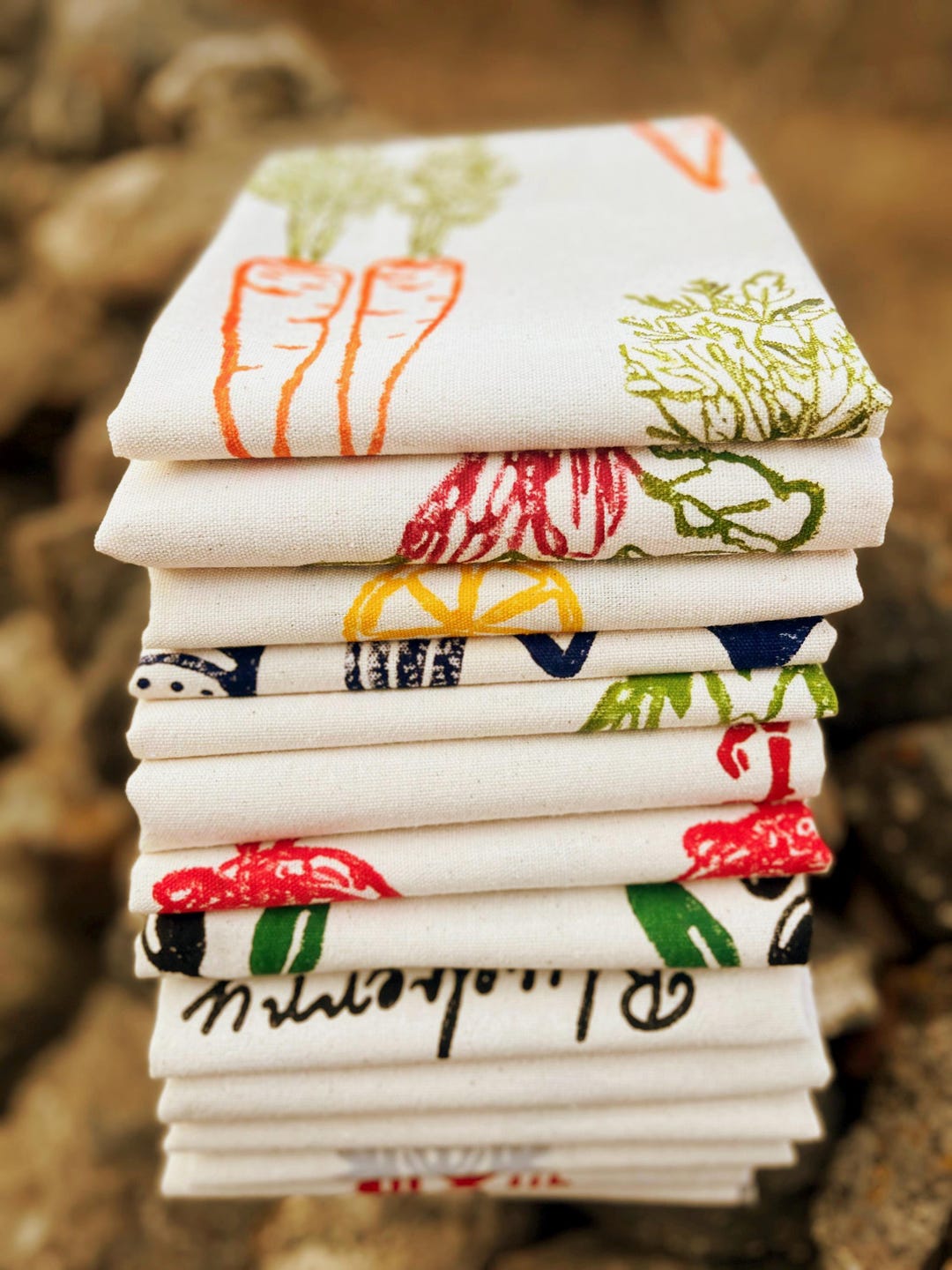
- Flat-Woven Cotton (Flour Sack): Features a tight, smooth, lightweight weave. While it holds less total volume than terry cloth, it dries rapidly, resists trapping food odors, and remains entirely lint-free, making it the preferred choice for covering rising bread dough, straining stocks, or drying delicate plates.
When to Choose Cotton
Choose cotton when you need a dependable, everyday utility towel that can handle frequent laundering in hot water. Cotton tolerates high heat, making it sanitary for kitchens where raw meat preparation requires aggressive cleaning protocols. It strikes an optimal balance between cost, softness, and absorption, fitting seamlessly into general meal preparation and cleanup routines.
2. Linen: The Lint-Free Choice for Glassware
Linen, derived from the flax plant, is one of the oldest and strongest natural fibers in the world. Unlike cotton fibers, which feature random twists and shorter staple lengths, flax fibers are long, straight, and smooth. This unique structure gives linen its characteristic crisp hand-feel and distinct textured appearance.
The primary advantage of linen in the kitchen is its complete lack of lint. When drying crystal wine glasses, porcelain dinnerware, or stainless steel appliances, cotton towels often leave behind microscopic fuzz. Linen fibers lie completely flat and tightly bound, ensuring a pristine, streak-free polish every time. Furthermore, linen is inherently hydrophobic in its raw state but highly absorbent when woven correctly; it pulls moisture away from surfaces rapidly and releases it into the air just as fast, drying significantly quicker than cotton.
When to Choose Linen
Opt for linen when your primary objective is polishing glassware, drying fine china, or maintaining a streak-free shine on modern kitchen appliances. Linen also serves as a sophisticated, breathable bread cloth because its moisture-wicking properties prevent crusts from becoming soggy while keeping the interior crumb fresh. While linen carries a higher initial price point than cotton, its exceptional durability means a single set can last for decades with proper care.
3. Microfiber: The High-Efficiency Cleaning Powerhouse
Microfiber is a synthetic blend—typically consisting of polyester and polyamide (nylon)—manufactured into ultra-fine filaments that are split during production. These split fibers create a microscopic wedge-like structure that mechanically scrapes up dirt, grease, and moisture rather than simply pushing them around like traditional textiles.
The performance of microfiber stems from its massive surface area and electrostatic charge. When dry, microfiber acts like a magnet for dust, crumbs, and fine particles. When damp, the microscopic wedges slice through dried grease, sticky spills, and stubborn food residue on countertops, stovetops, and cabinet doors with minimal cleaning solution.
However, microfiber has strict maintenance requirements. Because the fibers are synthetic, they melt under high heat. Exposing microfiber to high dryer settings or fabric softeners melts the split edges shut, permanently ruining its absorptive and scraping capabilities.
When to Choose Microfiber
Select microfiber when you need to deep-clean surfaces, scrub dried food residue off granite or laminate countertops, or wipe down stainless steel without streaking. Microfiber is unmatched for general kitchen sanitation and heavy-duty wiping. Avoid using microfiber for handling hot cookware, as the synthetic materials will melt instantly upon contact with a hot cast-iron skillet or oven rack.
4. Bamboo: The Sustainable and Antimicrobial Option
Bamboo kitchen towels are typically manufactured from bamboo rayon or viscose, where natural bamboo cellulose is extracted and spun into soft, durable fibers. Occasionally, manufacturers blend bamboo with cotton or linen to add structural strength.
Bamboo stands out in the kitchen textile market primarily due to its rapid growth cycle as a renewable resource and its natural resistance to bacteria and fungi. Bamboo plants contain a bio-agent known as "bamboo kun," which naturally inhibits microbial growth. While chemical processing during manufacturing reduces some of these raw properties, bamboo textiles retain superior natural odor resistance compared to standard cotton. They resist sour, mildewed smells that often plague kitchen towels left damp in warm environments.
In addition to its hygienic benefits, bamboo fabric is exceptionally soft and plush, offering high moisture absorption capacity that rivals high-end cotton terry cloth.
When to Choose Bamboo
Choose bamboo when sustainability is a priority, or if your kitchen towels frequently develop sour, musty odors due to high humidity or heavy daily use. Bamboo is gentle on hands and highly absorbent, making it an excellent choice for a primary hand-drying towel next to the sink.
Material Comparison Matrix
| Material | Primary Strength | Best Use Case | Maintenance Warning | Lint Production |
|---|---|---|---|---|
| Cotton (Terry) | High volume absorption | Drying dishes & general cleanup | None (withstands high heat) | Low to Moderate |
| Cotton (Flour Sack) | Fast drying & breathable | Covering bread & straining | None | None |
| Linen | Zero lint & streak-free polish | Glassware & fine china | Ironing required for crisp look | None |
| Microfiber | Grease removal & trapping dust | Countertop scrubbing & appliances | Never use fabric softener or high heat | None |
| Bamboo | Odor resistance & softness | Hand drying & eco-friendly setups | Wash in cold water to prevent shrinking | Low |
Factors to Consider When Building Your Kitchen Towel Arsenal
No single kitchen towel material handles every chore perfectly. A well-equipped kitchen typically features a rotation of specialized towels tailored to specific workflows. When selecting your collection, evaluate the following operational factors:
- Thermal Resistance: Never rely on synthetic fabrics (microfiber) or delicate weaves (thin linen) as makeshift pot holders. Reserve heavy cotton terry cloth or dedicated insulated mitts for handling hot cookware.
- Launderability: Kitchen towels encounter grease, raw food juices, and frequent staining. Ensure your chosen materials can be washed at high temperatures with safe sanitizing agents without degrading structural integrity.
- Odor Retention: Synthetic blends and dense loops can trap organic matter and bacteria, leading to persistent odors. If your kitchen lacks proper ventilation or towels stay damp for long periods, lean toward quick-drying linen or naturally odor-resistant bamboo.
Frequently Asked Questions
Why do my kitchen towels stop absorbing water?
Kitchen towels lose their absorbency when coated with oily residues from food preparation or buildup from liquid fabric softeners and dryer sheets. These chemical films coat the individual fibers, creating a barrier that repels water instead of absorbing it. To restore absorbency, strip the towels by washing them in hot water with a cup of white vinegar and half a cup of washing soda, omitting fabric softener entirely.
Can I put microfiber kitchen towels in the dryer?
You can machine dry microfiber, but you must use a low-heat or air-fluff setting. High heat melts the synthetic polyester and polyamide filaments, permanently closing the microscopic gaps that give microfiber its cleaning power. Additionally, never use dryer sheets with microfiber, as the chemical residue clogs the fibers.
How often should kitchen towels be replaced?
Kitchen towels should be replaced every 6 to 12 months, depending on usage and washing frequency. If a towel develops persistent sour odors that survive washing, frays heavily at the edges, or no longer absorbs spills effectively, it has reached the end of its functional lifespan in the kitchen and can be demoted to garage or floor-cleaning duty.
Are linen towels worth the higher price?
Yes, if you frequently dry glassware, stemware, or stainless steel surfaces and demand a lint-free finish. While linen carries a higher upfront cost than cotton, its superior tensile strength means it outlasts multiple replacements of cheaper cotton alternatives, making it a cost-effective long-term investment.
Final Recommendation
To optimize your kitchen workflow, avoid relying on a single type of towel. Maintain a mixed inventory: keep a stack of heavy cotton terry cloths for general drying and hot item handling, a few flat-woven flour sack towels for bread making and quick counter wiping, a couple of linen cloths dedicated exclusively to polishing glassware, and a set of microfiber pads for deep-cleaning surfaces. Matching the material to the exact mechanical demand of the task protects your investment and keeps your kitchen running efficiently.