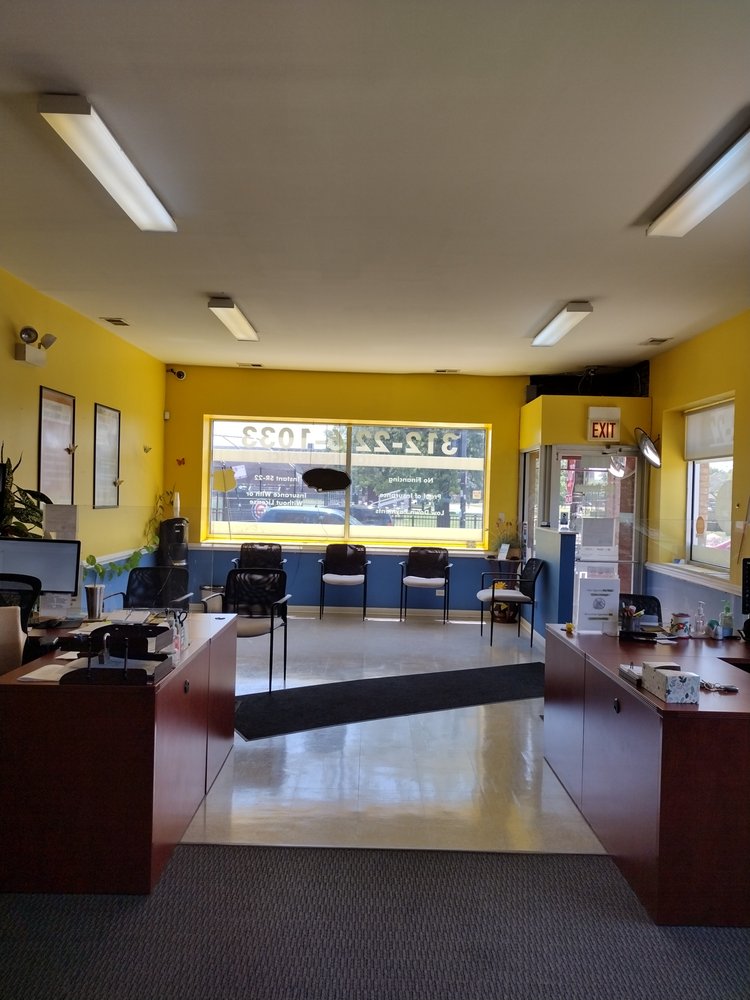
Securing the right auto insurance policy in Illinois requires an understanding of state-mandated coverage limits, urban driving risk factors, and location-specific considerations tied to addresses like 1858 W 18th St in Chicago's Pilsen neighborhood. Drivers can optimize their protection and manage premium costs by evaluating mandatory liability minimums, leveraging local urban discounts, and accurately reporting garaging addresses to carriers.
Understanding Illinois Auto Insurance Fundamentals
Operating a motor vehicle in Illinois requires strict adherence to state financial responsibility laws. The Illinois Department of Insurance (IDOI) mandates that every registered vehicle maintain liability coverage at or above specific statutory minimums. However, merely meeting these legal minimums often leaves drivers exposed to substantial out-of-pocket expenses in the event of a severe collision, particularly in densely populated urban centers like Chicago.
State-Mandated Minimum Liability Limits
As established by the Illinois Vehicle Code, drivers must carry liability insurance with limits commonly referred to as 25/50/20. These figures represent the maximum dollar amounts your insurance company will pay per accident for bodily injury, total bodily injury per occurrence, and property damage, respectively:
- $25,000 for bodily injury or death of one person in an accident.
- $50,000 for total bodily injury or death of multiple people in a single accident.
- $20,000 for property damage to another person's vehicle or structure per accident.
In addition to third-party liability, Illinois law requires Uninsured Motorist (UM) bodily injury coverage in an amount equal to the policy's minimum liability limits (25/50). Underinsured Motorist (UIM) coverage is also required if higher liability limits are purchased. These coverages protect you and your passengers if you are struck by a motorist who carries no insurance or lacks adequate limits to pay for medical bills.
The Impact of Chicago Geographic Risk Factors
Insurance carriers calculate premiums using complex actuarial tables that heavily weigh ZIP codes and specific street addresses. Insuring a vehicle garaged at 1858 W 18th St places the policy within the 60608 ZIP code, encompassing the vibrant Pilsen community on Chicago's Near Southwest Side.
Urban environments typically present higher statistical risks for insurers compared to suburban or rural Illinois locations. Factors influencing rates in this specific neighborhood include:
- Street Parking Density: Vehicles parked overnight on public thoroughfares face increased exposure to sideswipes, vandalism, hit-and-run incidents, and weather-related damage.
- Traffic Congestion: High vehicle-per-mile ratios along major arterial corridors increase the frequency of low-speed fender-benders and multi-car collisions.
- Vehicle Theft Statistics: Certain urban sectors experience higher rates of catalytic converter thefts and vehicle break-ins, which can influence comprehensive coverage pricing.
Tip 1: Optimize Your Coverage Beyond State Minimums
While purchasing only the state-mandated 25/50/20 limits keeps initial monthly premiums low, it represents a significant financial gamble. If you cause an accident resulting in major medical bills or totaling a luxury vehicle, damages frequently exceed these statutory caps. Once insurance payouts are exhausted, you remain personally liable for the remaining balance.
Comprehensive and Collision Protection
For drivers maintaining a vehicle loan or lease, lenders universally require comprehensive and collision coverage. Even if your car is fully paid off, evaluating the vehicle's actual cash value against the cost of physical damage protection is essential.
- Collision Coverage: Pays for damage to your vehicle resulting from a collision with another car, a fixed object, or a rollover, regardless of fault.
- Comprehensive Coverage: Protects against non-collision incidents, including theft, fire, windshield cracks, falling tree branches, and severe weather events common to the Midwest.
Selecting Appropriate Deductibles
Your choice of deductible—the amount you pay out-of-pocket before insurance kicks in—directly affects your recurring premium. Choosing a higher deductible reduces your monthly bill, but it requires having emergency cash reserves available if you file a claim.
| Deductible Level | Monthly Premium Impact | Out-of-Pocket Risk | Best Suited For |
|---|---|---|---|
| $250 Deductible | Highest | Lowest | Drivers with minimal savings who prefer predictable expenses. |
| $500 Deductible | Moderate | Moderate | The standard industry balance between cost and protection. |
| $1,000 Deductible | Lowest | Highest | Drivers with emergency funds willing to shoulder minor repair costs. |
Tip 2: Leverage Urban-Specific Discounts and Telematics
Chicago drivers often face elevated baseline rates, making aggressive discount hunting vital. Insurance companies offer numerous ways to reduce premiums, many of which align with urban lifestyles or modern vehicle technology.
Utilizing Telematics and Pay-Per-Mile Programs
Many major insurers operating in Illinois offer app-based telematics programs (such as Progressive Snapshot, State Farm Drive Safe & Save, or Allstate Drivewise). These programs monitor driving habits in real-time, tracking metrics such as:
- Hard braking and rapid acceleration events.
- Speeding relative to posted limits.
- Time of day driven (night driving generally carries higher risk scores).
- Total annual mileage accrued.
For residents living near 1858 W 18th St who commute via the CTA Pink Line (accessible nearby at the 18th Street station) or utilize public transit for daily commuting, driving significantly fewer miles per year translates to substantial savings through low-mileage or pay-per-mile insurance structures.
Traditional Insurance Discounts to Request
When obtaining quotes or reviewing an existing policy, explicitly ask your broker or carrier about the following reductions:
- Multi-Policy Bundling: Combining auto insurance with renters or homeowners insurance typically yields a 10% to 25% discount.
- Paperless and Auto-Pay Enrollment: Small recurring credits for receiving documents electronically and authorizing automatic monthly withdrawals.
- Safety Feature Reductions: Discounts for factory-installed anti-theft devices, passive restraint systems, and anti-lock brakes.
- Good Driver and Defensive Driving Discounts: Credits applied for maintaining a clean driving record over a 36-to-60-month period or completing an IDOT-approved defensive driving course.
Tip 3: Accurately Report Your Garaging Address and Vehicle Use
One of the most common pitfalls policyholders encounter involves misrepresenting where a vehicle is primarily garaged or how it is used. Transparency with your insurance provider is legally and financially critical, especially when residing in a dense urban address like 1858 W 18th St.
The Importance of True Garaging Address Disclosure
Insurance underwriters calculate risk based on where the vehicle spends the majority of its nights. Attempting to register a vehicle using a suburban relative's address while parking it nightly on the street in Chicago constitutes material misrepresentation.
If an accident occurs and the insurer discovers the vehicle was systematically garaged at an unlisted urban address, the consequences can be severe:
- Claim Denial: The carrier may deny coverage for the specific incident based on application fraud.
- Policy Rescission: The insurance company can retroactively cancel the policy from its inception date, leaving the driver completely uninsured.
- Legal Liability: Driving without valid insurance in Illinois results in mandatory license suspension, reinstatement fees, and potential traffic court fines.
Clarifying Commuting vs. Pleasure Use
Insurers classify vehicle usage into distinct categories, which directly influence your rate:
- Pleasure Use: The vehicle is used for errands, social calls, and leisure, with no regular commute to work or school (typically under a defined annual threshold).
- Work/School Commute: The vehicle is driven regularly to a fixed workplace or educational institution.
- Business Use: The vehicle is utilized for sales calls, transporting goods, or commercial delivery services. Standard personal auto policies exclude business activities, requiring a separate commercial endorsement.
If your employment status changes—such as transitioning to a fully remote schedule or shifting from driving to taking public transit—notify your agent immediately to reclassify your vehicle use and lower your premium.
Frequently Asked Questions
What happens if I am caught driving without insurance in Illinois?
Illinois utilizes the Electronic Insurance Verification (EIV) system, known as Illinois Auto Insurance Verification (ILaiv), to randomly sample vehicle registrations. If caught driving without insurance, penalties include a minimum $500 fine, a 4-month suspension of vehicle registration, a $100 reinstatement fee, and the requirement to file an SR-22 financial responsibility certificate for three years, which dramatically raises future insurance costs.
Does my auto insurance cover street parking damage in Chicago?
Basic liability coverage does not pay for damage done to your own vehicle while parked on the street. To be protected against hit-and-runs, vandalism, falling objects, or uninsured drivers striking your parked car, you must carry comprehensive and collision coverage on your policy.
Can I use a P.O. Box or business address instead of my actual residence for insurance?
No. Insurance contracts require the physical street address where the vehicle is principally garaged overnight. Providing a false address to secure lower rates violates the terms of the contract and can invalidate your coverage entirely when you need to file a claim.
How often should I shop around for Illinois auto insurance?
It is recommended to review your policy and compare quotes from multiple licensed carriers every 12 to 24 months. Insurance rates fluctuate based on market conditions, company loss ratios, and changes in your personal credit score, driving record, or neighborhood risk metrics.
Summary and Next Actions
Securing reliable auto insurance for a vehicle tied to 1858 W 18th St Chicago requires balancing state legal mandates with the practical realities of urban driving. To ensure optimal protection:
- Review your current declarations page to verify you carry higher than the state-minimum 25/50/20 limits and adequate Uninsured Motorist protection.
- Audit your deductibles against your current emergency savings to find the right cost-to-risk ratio.
- Contact your insurer to confirm your exact Pilsen garaging address is listed and inquire about telematics or low-mileage discounts if you utilize public transit.