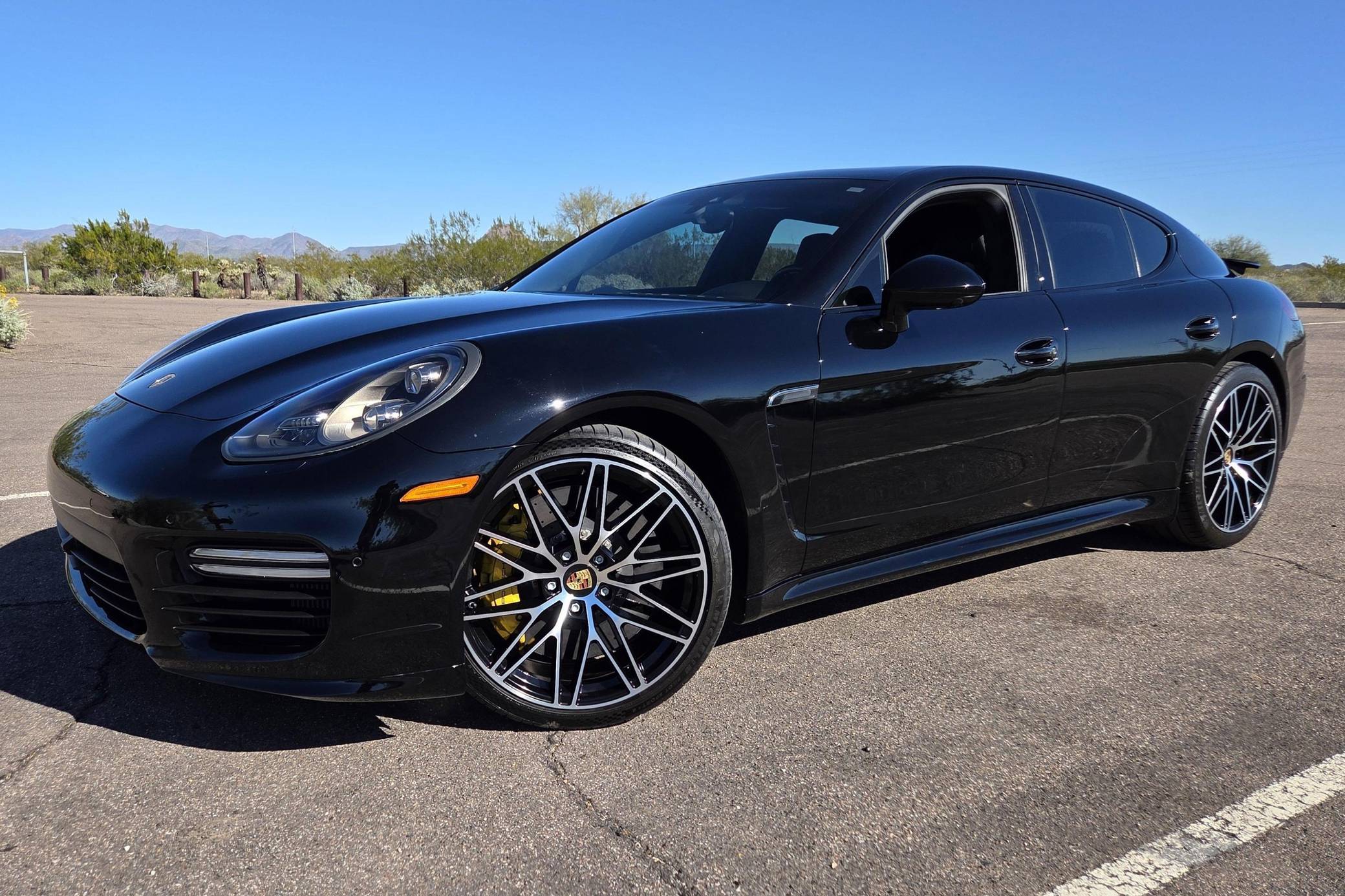
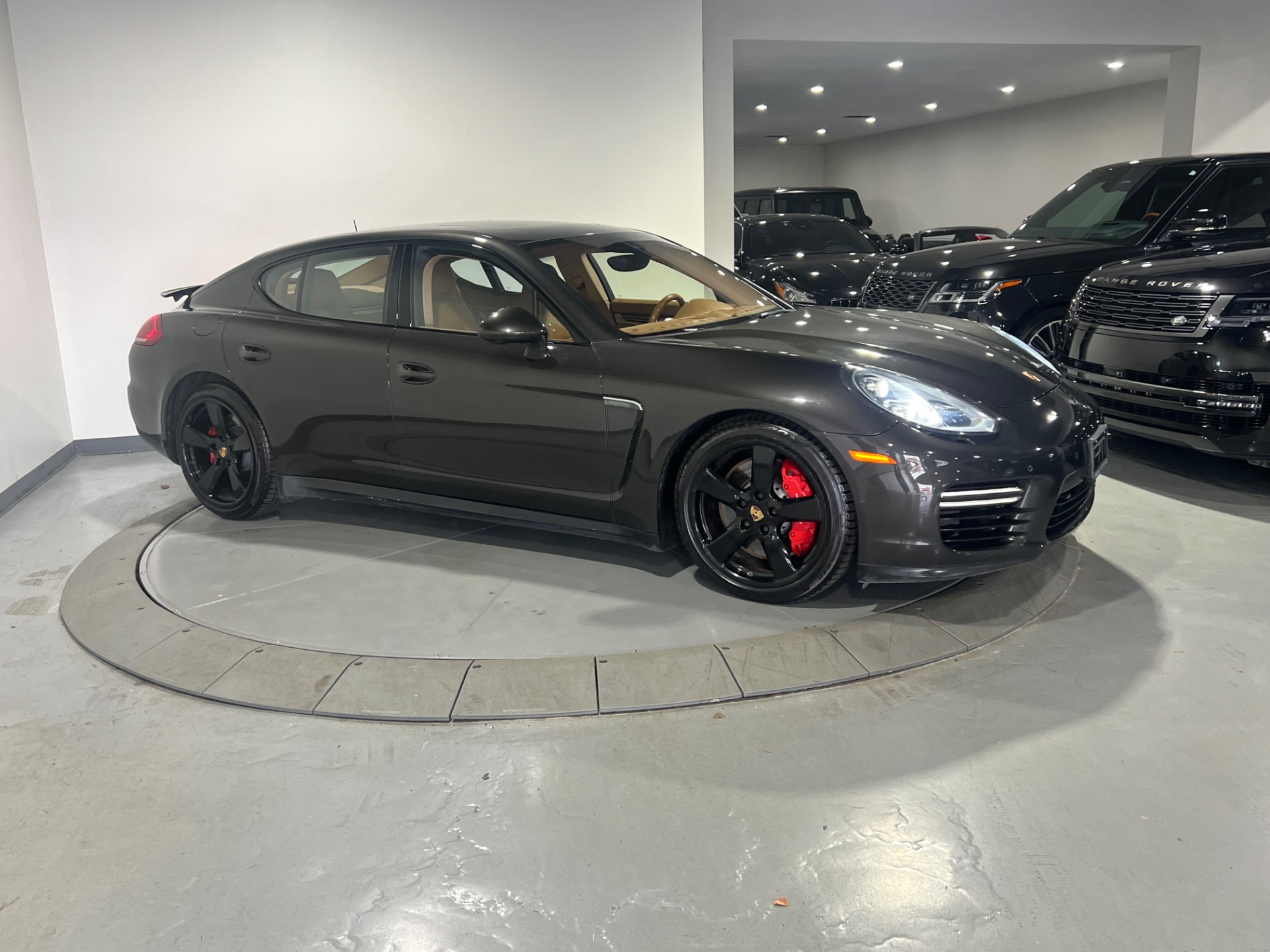
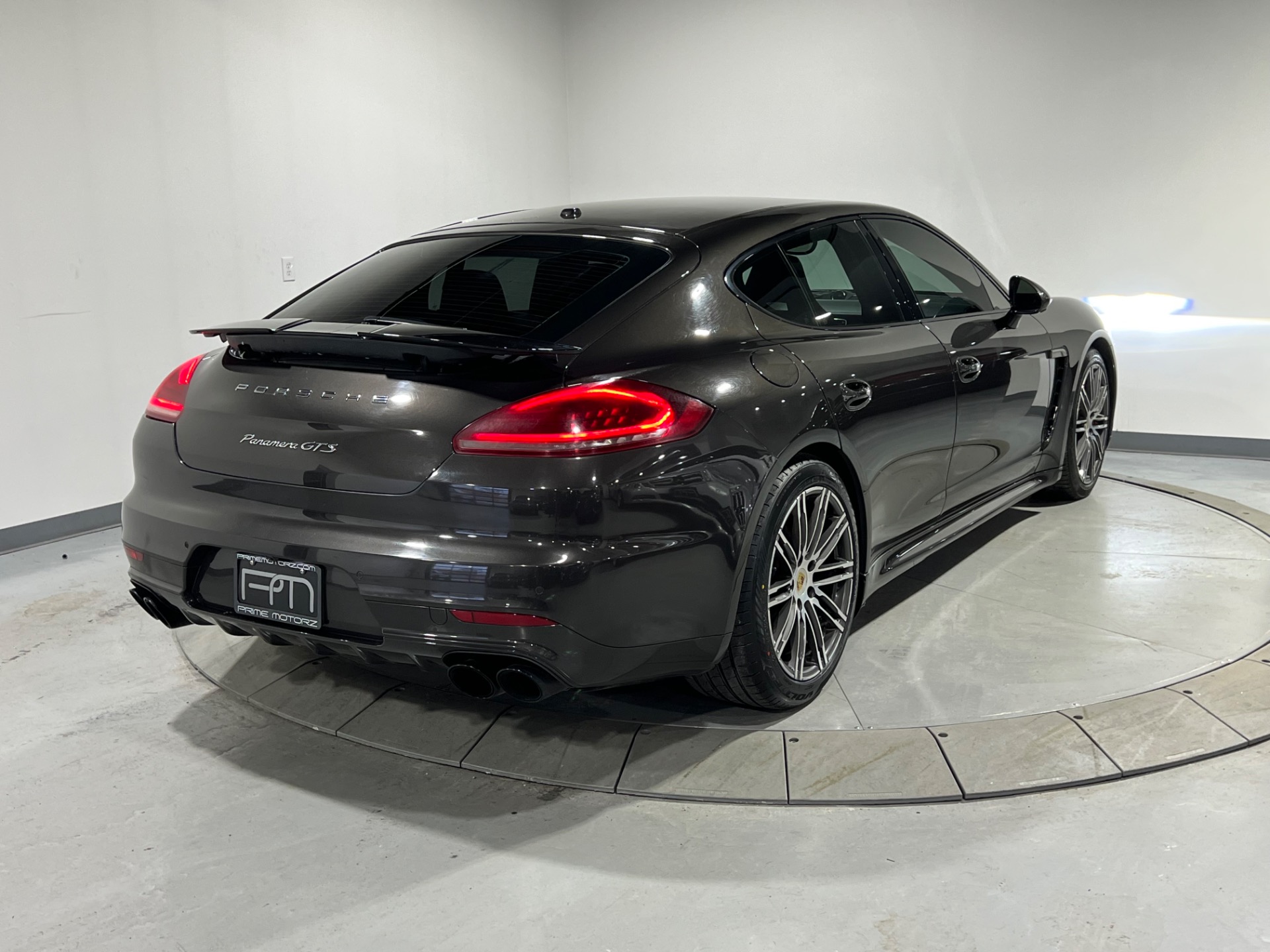
The 2015 Porsche Panamera GTS remains a pinnacle of the 970.2 generation, celebrated for its 440-horsepower naturally aspirated 4.8L V8 engine and driver-focused chassis. In 2026, it is a coveted modern classic, offering a raw mechanical soul and visceral exhaust note that newer turbocharged models struggle to replicate for the same price point.
The 2015 Porsche Panamera GTS (Gran Turismo Sport) represents a specific era of Porsche engineering where the focus remained on atmospheric engine response and tactile driver feedback. Positioned between the more sedate Panamera S and the powerhouse Panamera Turbo, the GTS was designed for the purist who required four doors but refused to sacrifice the auditory and linear power delivery of a high-revving V8. As the automotive landscape has shifted almost entirely toward hybridization and turbocharging, the 2015 GTS has matured into a significant vehicle for collectors and driving enthusiasts alike.
The Heart of the GTS: The 4.8L Naturally Aspirated V8
The defining characteristic of the 2015 Panamera GTS is its powertrain. While the Panamera S of the same year transitioned to a 3.0L twin-turbo V6, Porsche intentionally retained the 4.8L V8 for the GTS, albeit with significant tuning upgrades.
Power Delivery and Specifications
The engine produces 440 horsepower at 6,700 RPM and 384 lb-ft of torque. Because it lacks turbochargers, the power delivery is exceptionally linear. There is no "turbo lag"; instead, the engine builds urgency as it climbs toward its redline. For the 2015 model year (the 970.2 facelift), Porsche engineers optimized the intake cams and the engine management system to provide an extra 10 horsepower over the earlier 2013-2014 versions.
The Sport Exhaust System
Standard on the GTS is the Porsche Sport Exhaust (PSE). This system is not merely a muffler delete; it features active flaps that open to bypass certain chambers of the exhaust, allowing the V8's natural cadence to reach the cabin. In an era where 2026 vehicles often rely on synthesized engine sounds through speakers, the 2015 GTS provides a genuine, mechanical soundtrack that is arguably one of the best in Porsche’s modern history.
Performance Dynamics and the PDK Transmission
Power is sent to all four wheels via Porsche’s Traction Management (PTM) system and the 7-speed Porsche Doppelkupplung (PDK) dual-clutch transmission.
Transmission Calibration
The PDK in the 2015 GTS is calibrated more aggressively than in the Panamera S. Upshifts are nearly instantaneous, and downshifts are accompanied by rev-matching blips that are perfectly timed for spirited driving. In Sport Plus mode, the transmission holds gears longer and executes shifts with a mechanical "kick" that reinforces the car’s sporting intentions.
All-Wheel Drive Precision
The PTM all-wheel-drive system is rear-biased. In dry conditions, the majority of the torque is sent to the rear wheels to preserve the steering feel and agility of a rear-wheel-drive car. However, the system can divert power to the front wheels in milliseconds if slip is detected, making the Panamera GTS a formidable all-weather grand tourer.
Chassis, Suspension, and Braking
Porsche didn't just add a larger engine to the Panamera and call it a GTS; they extensively modified the chassis to ensure the car handled its 4,400-pound curb weight with grace.
Adaptive Air Suspension (PASM)
The GTS comes standard with Adaptive Air Suspension including Porsche Active Suspension Management (PASM). Crucially, the GTS sits 10mm lower than the Panamera S. The air springs are stiffer, and the damping rates are specifically tuned to reduce body roll during high-speed cornering. Even in its most aggressive setting, the suspension manages to remain sophisticated, absorbing sharp impacts without upsetting the chassis.
The Turbo Braking System
To stop a vehicle of this mass, Porsche equipped the 2015 GTS with the braking system from the Panamera Turbo. This includes massive six-piston aluminum monobloc fixed calipers at the front and four-piston calipers at the rear, painted in the signature GTS Red. These brakes provide exceptional fade resistance and a firm, progressive pedal feel that is vital for driver confidence.
Exterior and Interior Aesthetics
The 2015 facelift (970.2) brought subtle but important visual changes that modernized the Panamera’s silhouette.
GTS-Specific Exterior
The GTS is identified by its "SportDesign" package, which includes a more aggressive front fascia with larger air intakes and blacked-out trim. The headlight surrounds, window trim, and rear badging are all finished in high-gloss black. One of the most theatrical elements is the four-way adaptive rear spoiler, inherited from the Turbo model, which splits and expands at speed to provide increased downforce.
The Cockpit Experience
Inside, the GTS features a blend of luxury and motorsport-inspired materials. Alcantara is used extensively on the seat centers, armrests, and headliner. The GTS Interior Package often includes contrasting stitching in Carmine Red or GT Silver, along with "GTS" embroidery on the headrests.
The center console is a "button-rich" environment, often compared to high-end Vertu phones of that era. While 2026 models favor large touchscreens, many enthusiasts prefer the tactile feel of these dedicated physical buttons, which allow for quick adjustments to the exhaust, suspension, and sport modes without diving into digital menus.
Technical Comparison: 2015 Panamera Trim Levels
The following table illustrates where the GTS sits within the 2015 Panamera lineup in terms of technical specifications.
| Feature | Panamera S | Panamera GTS | Panamera Turbo |
|---|---|---|---|
| Engine Type | 3.0L V6 Twin-Turbo | 4.8L V8 Naturally Aspirated | 4.8L V8 Twin-Turbo |
| Horsepower | 420 hp | 440 hp | 520 hp |
| Torque | 384 lb-ft | 384 lb-ft | 516 lb-ft |
| 0-60 MPH | 4.9 Seconds | 4.2 Seconds | 3.9 Seconds |
| Drivetrain | RWD or AWD | AWD (Standard) | AWD (Standard) |
| Suspension | Steel Springs (Air Opt.) | Air Suspension (Low) | Air Suspension |
| Exhaust | Standard | Sport Exhaust (Std.) | Standard (Sport Opt.) |
Owning a 2015 Panamera GTS in 2026
Purchasing a 2015 Panamera GTS today requires a balance of enthusiasm and pragmatic maintenance planning. As these vehicles age, the "Porsche Tax" on parts and labor remains a significant factor.
Reliability and Maintenance Concerns
The 970.2 generation is generally considered more reliable than the earlier 970.1 (2010-2012), as Porsche addressed several early-production issues. However, potential owners should be aware of the following:
- Air Suspension Leaks: The air struts have a finite lifespan. If the car sits lower on one side after being parked, the air bags or the compressor may need replacement.
- Cooling System: The plastic cooling pipes used in this era can become brittle over time. Many owners choose to replace them with updated parts proactively.
- Brake Replacement: Because the GTS uses Turbo brakes, a full rotor and pad replacement can be expensive, often exceeding $2,500 at a dealership.
- PDK Service: The dual-clutch transmission requires fluid and filter changes every 60,000 miles or 6 years. Neglecting this can lead to costly repairs.
Market Value and Depreciation
In 2026, the 2015 Panamera GTS has largely exited its steepest depreciation curve. While base Panameras continue to lose value, the GTS holds its own due to its status as the last naturally aspirated V8 Panamera. Well-maintained examples with under 60,000 miles often command a premium over the newer, but less "charismatic," V6 turbo models.
Frequently Asked Questions
Is the 2015 Panamera GTS a good daily driver?
Yes, the 2015 Panamera GTS is an exceptional daily driver for those who prioritize engagement. Its liftback design offers significant cargo space (up to 44.1 cubic feet with the rear seats folded), and the air suspension provides a comfortable ride in "Comfort" mode. However, fuel economy is relatively poor, typically averaging 16-20 MPG depending on driving style.
How does the 2015 GTS compare to the 2016-2018 models?
The 2015 model is the final year of the 970.2 body style in most markets. The 2017+ models (971 generation) moved to a completely different interior with fewer physical buttons and a 4.0L twin-turbo V8 for the GTS. While the 971 is faster and more technologically advanced, the 2015 model is often preferred for its more mechanical steering feel and the sound of the naturally aspirated engine.
What are the most important options to look for?
When shopping for a 2015 GTS, look for the Sport Chrono Package (which includes Launch Control), the Burmester High-End Surround Sound System, and Adaptive Cruise Control. The GTS already comes with many performance features as standard, so interior upgrades often distinguish the best used examples.
Does the 2015 Panamera GTS have Apple CarPlay?
The 2015 model year does not natively support Apple CarPlay or Android Auto. It uses the Porsche Communication Management (PCM) 3.1 system. Many owners in 2026 choose to install aftermarket "isudar" or "Mr. 12 Volt" boards that integrate CarPlay into the original screen while maintaining the factory look.
Is the 2015 GTS prone to engine bore scoring?
While bore scoring was a known issue on earlier 4.5L and some early 4.8L Porsche V8s, the 2015 (970.2) engine has improved cylinder coatings and piston designs. It is significantly less common in this model year, though a pre-purchase inspection (PPI) with a camera borescope is still recommended for high-mileage cars in cold climates.
Final Recommendation for Prospective Buyers
The 2015 Porsche Panamera GTS is a "sweet spot" in the used luxury market of 2026. It offers a level of mechanical theater that has been lost in the industry-wide move toward forced induction. If you are looking for a vehicle that can transport four adults in absolute luxury while sounding like a GT3-inspired muscle car, the 2015 GTS is arguably the best value in the Panamera lineage.
Prioritize vehicles with a documented service history and a clean DME report (showing no engine overrevs). While the maintenance costs are higher than a standard luxury sedan, the driving experience of the last naturally aspirated V8 Panamera is a worthy trade-off for the discerning enthusiast.