The year 2014 marked a transformative period for heart rate variability (HRV) research, characterized by significant methodological shifts, broader clinical integration, and the commercialization of consumer-grade biosensors. This convergence bridged the gap between institutional cardiology and decentralized digital health, establishing critical benchmarks for autonomic nervous system measurement, data standardization, and mobile health applications that continue to influence contemporary physiological monitoring.
The Evolution of Heart Rate Variability Research Prior to 2014
To understand the breakthroughs of 2014, it is necessary to examine the historical trajectory of HRV research. For decades, heart rate variability—the physiological phenomenon of variation in the time interval between consecutive heartbeats—was primarily confined to clinical settings, specialized academic laboratories, and elite sports science.
Clinical Foundations and Standardization
In 1996, the European Society of Cardiology and the North American Society of Pacing and Electrophysiology published a landmark task force document establishing standards of measurement, physiological interpretation, and clinical use for HRV. For nearly two decades following that publication, research focused heavily on time-domain metrics (such as RMSSD and SDNN) and frequency-domain metrics (such as Low Frequency and High Frequency power derived via Fast Fourier Transform algorithms).
However, these measurements traditionally required high-precision, clinical-grade electrocardiogram (ECG) equipment. Data collection was stationary, expensive, and largely restricted to controlled environments. By the early 2010s, rapid advancements in microcontrollers, Bluetooth Low Energy (BLE) technology, and optical sensor engineering—specifically photoplethysmography (PPG)—began to democratize access to heart rate data. This technological transition set the stage for the pivotal milestones observed throughout 2014.
Consumerization and the Rise of Wearable Biosensors in 2014
One of the most disruptive aspects of 2014 was the mass commercialization of wearable fitness trackers and chest-strap monitors capable of capturing beat-to-beat (R-R interval) data outside of laboratory walls.
Transition from ECG to PPG
While medical-grade ECG remains the gold standard for detecting electrical cardiac activity, 2014 saw intense scientific inquiry into the validity of optical PPG sensors found in wrist-worn wearables. Researchers published numerous comparative studies evaluating whether optical wrist sensors could accurately track autonomic modulation during rest, exercise, and recovery compared to traditional Holter monitors and chest straps.
This period forced the scientific community to confront the limitations of consumer-grade hardware, addressing artifacts caused by motion, skin pigmentation, and perfusion differences. The findings from 2014 established crucial validation frameworks, prompting manufacturers to refine their algorithms to filter out physiological noise and improve the fidelity of derived HRV metrics.
Ecosystem Integration and Open APIs
Beyond hardware, 2014 was defined by software ecosystems that allowed third-party developers to access raw and processed physiological data. Platforms such as Apple’s HealthKit (announced in mid-2014 and released alongside iOS 8) and Google’s early digital health initiatives began centralizing biometric data streams. This enabled researchers to design large-scale, observational studies utilizing consumer hardware, marking a fundamental shift from small, cross-sectional laboratory cohorts to longitudinal, population-scale digital phenotyping.
Clinical and Psychological Research Breakthroughs in 2014
While consumer technology captured public attention, clinical and psychological research in 2014 expanded the application of HRV into new diagnostic and therapeutic domains, particularly regarding stress, mental health, and autonomic dysfunction.
Autonomic Regulation and Mental Health
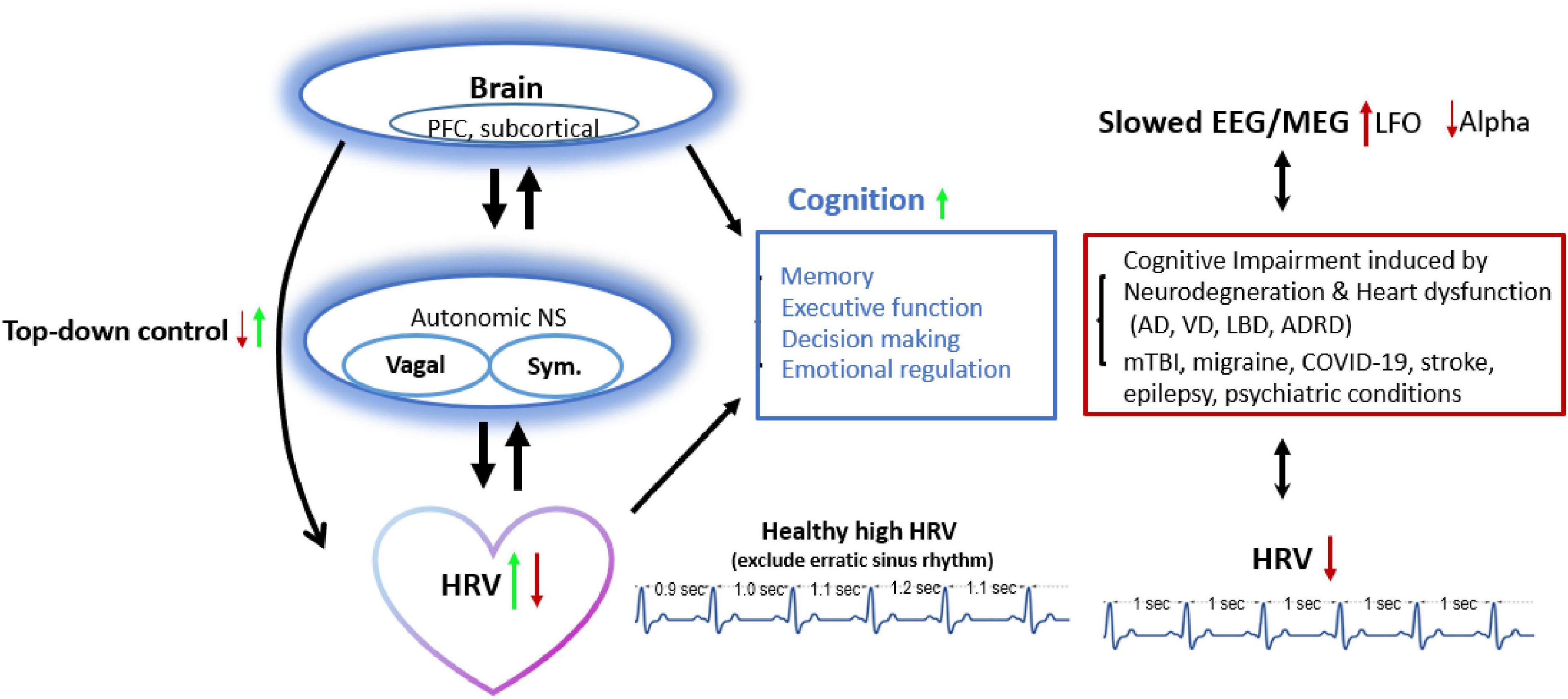
Researchers in 2014 increasingly focused on the polyvagal theory and neurovisceral integration model, investigating how vagal nerve activity—indexed via high-frequency HRV—correlates with emotional regulation, cognitive performance, and resilience to stress. Studies published during this year provided deeper insights into how chronic psychological stress suppresses parasympathetic activity, leading to sustained sympathovagal imbalance.
Biofeedback and Therapeutic Interventions
Heart rate variability biofeedback (HRVB) gained substantial empirical backing in 2014. Clinical trials explored resonant frequency breathing protocols—typically around 0.1 Hz or six breaths per minute—to maximize baroreflex sensitivity. Clinical literature from this period documented the efficacy of HRVB in mitigating symptoms of major depressive disorder, generalized anxiety disorder, and post-traumatic stress disorder (PTSD), shifting HRV from a purely diagnostic metric to an active therapeutic intervention.
Methodological Rigor and Standardization Challenges
As the accessibility of HRV data expanded rapidly in 2014, the scientific community faced significant methodological challenges. The proliferation of disparate algorithms, sampling rates, and software packages created reproducibility issues across studies.
Addressing Artifacts and Non-Stationarity
A major focus of methodological papers in 2014 was the handling of ectopic beats, missing data, and movement artifacts. Researchers emphasized that raw wearable data could not be plugged directly into standard time-domain or frequency-domain equations without rigorous preprocessing. Guidelines published during this era underscored the necessity of visual inspection and automated artifact correction algorithms to prevent skewed RMSSD or spectral power calculations.
Short-Term vs. Long-Term Recording Protocols
Discussions intensified regarding the validity of ultra-short-term HRV recordings (durations of less than five minutes). While long-term 24-hour Holter recordings remained essential for cardiology and risk stratification post-myocardial infarction, the rise of mobile health demanded rapid, episodic assessments. Studies from 2014 helped define the reliability boundaries of short-term resting HRV, establishing standardized protocols for morning baseline measurements.
| Recording Duration | Primary Metric Focus | Clinical / Practical Application | Key Limitation Identified in 2014 |
|---|---|---|---|
| 24-Hour Holter | SDNN, Triangular Index | Long-term cardiovascular risk stratification | High cost, patient burden, limited accessibility |
| 5-Minute Standard | LF, HF, RMSSD | Autonomic balance assessment in clinical research | Requires strict postural and environmental control |
| Ultra-Short (<5 min) | RMSSD | Daily recovery tracking, mobile health apps | Highly sensitive to movement artifacts and breathing rate |
Practical Guidance for Evaluating Historical and Modern HRV Data
For clinicians, researchers, and practitioners utilizing historical literature and contemporary tools built upon these foundational milestones, certain operational principles remain vital:
- Contextualize the Hardware: Understand whether data originates from medical-grade ECG leads or optical PPG sensors, as sampling rates and artifact correction methods differ significantly.
- Standardize Measurement Conditions: Replicate the rigorous baseline protocols established in academic literature—ideally measuring upon waking, in a supine or seated position, before caffeine or food intake.
- Prioritize Relative Trends: Avoid comparing absolute HRV values across different individuals or software platforms; instead, focus on longitudinal intra-individual trends to assess recovery and autonomic adaptation.
- Account for Confounders: Recognize that age, respiration rate, ambient temperature, medications, and alcohol consumption exert profound influences on autonomic modulation independent of training load or stress.
Disclaimer: This article is intended for informational and educational purposes only and does not constitute medical advice, diagnosis, or treatment. Always consult a qualified healthcare professional regarding any clinical condition or before altering exercise and lifestyle regimens.
Frequently Asked Questions
What made 2014 a pivotal year for heart rate variability research?
The year 2014 bridged traditional clinical cardiology and consumer digital health. It was marked by the commercialization of accessible wearable biosensors, the introduction of centralized mobile health data ecosystems, and vital methodological discussions regarding the validation of optical sensors and artifact correction in HRV analysis.
How do ECG and PPG measurements of HRV differ?
ECG measures the actual electrical depolarization of the heart muscle, providing exact R-R intervals with high temporal precision. PPG utilizes optical light sensors to detect blood volume pulses in peripheral tissue (such as the wrist or fingertip). While modern PPG algorithms correlate strongly with ECG during resting states, motion artifacts and peripheral vascular dynamics can introduce errors requiring sophisticated digital filtering.
Why is RMSSD the preferred metric for short-term and wearable HRV?
Root Mean Square of Successive Differences (RMSSD) reflects beat-to-beat variance and is primarily mediated by parasympathetic (vagal) activity. Unlike frequency-domain metrics that require longer windows (such as five minutes of stationary data), RMSSD is less contaminated by slow-frequency respiratory shifts and can be reliably calculated from shorter, episodic recordings captured by modern devices.
Can consumer wearables replace medical-grade ECG for diagnosing arrhythmias?
No. While consumer wearables can flag irregular heart rhythms and track autonomic recovery trends, they do not replace 12-lead ECGs or clinical Holter monitors used by cardiologists to definitively diagnose arrhythmias, structural heart disease, or acute cardiac events.
How did heart rate variability biofeedback evolve in 2014?
By 2014, clinical research solidified around resonant frequency breathing—typically paced at approximately six breaths per minute—as an effective therapeutic tool to enhance baroreflex sensitivity, boost vagal tone, and reduce symptoms associated with chronic stress and anxiety disorders.